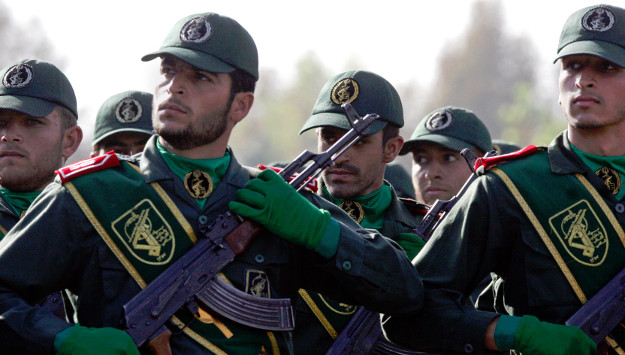
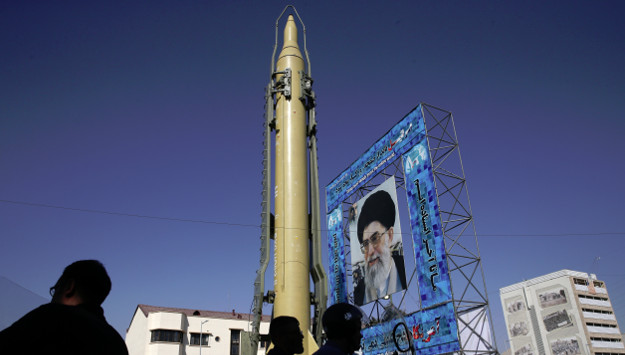
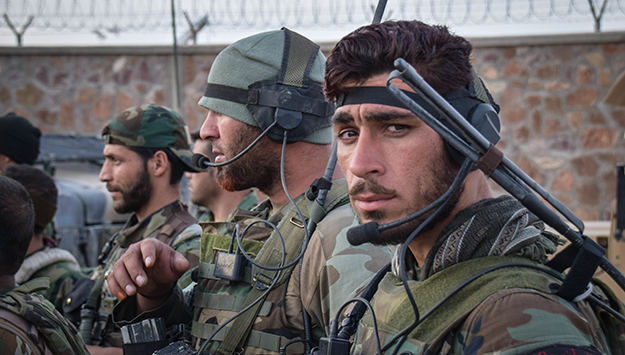
Washington says it doesn’t know who runs Iran. Tehran insists its leadership is united. MEI Senior Fellow Alex Vatanka joins hosts Alistair Taylor and Matthew Czekaj to sort out where the truth lies. They look at the small circle of political and military figures now steering the war effort in Tehran: who they are, how they make decisions, and how unified they really are. They also discuss the current state of US-Iran negotiations, the role of the upcoming midterm elections in the United States, and how the Islamic Republic is preparing for a potential renewal of conflict afterward.
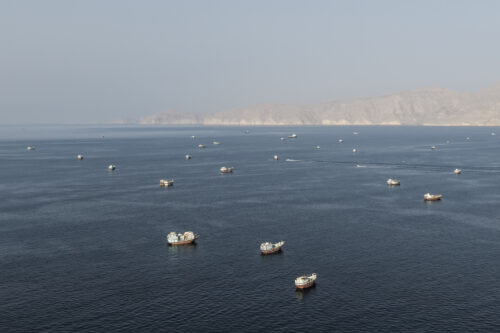
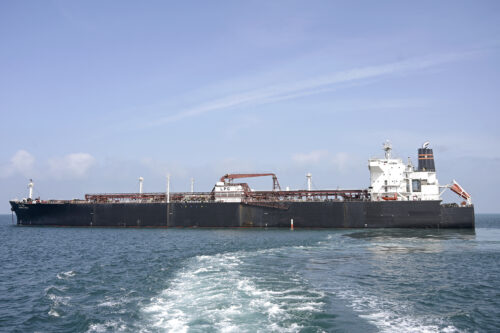
Crude oil is flowing out of the Gulf again, but the market is no better prepared for another disruption in the Strait of Hormuz. It has assembled a temporary system for managing one. Crude exports from the Gulf, excluding Iran, returned to pre-war levels in September, while total Gulf shipments reached 15.5 million barrels a day, more than 80% of the pre-conflict volume.
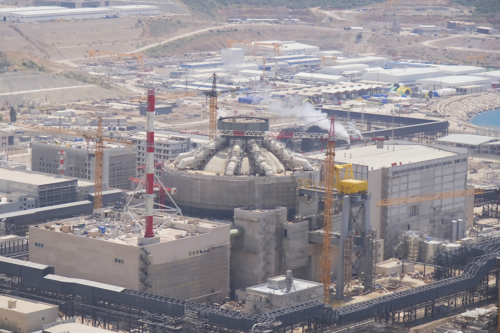
As a result of the Iran war, Turkish thinking about nuclear weapons appears to be shifting. Iran’s emergent ability to threaten regional states (and possible determination to acquire a nuclear weapon itself), growing concern about Israeli aggressiveness, doubts about US security guarantees, and greater Saudi nuclear autonomy are all pushing Ankara to consider a future nuclear option.
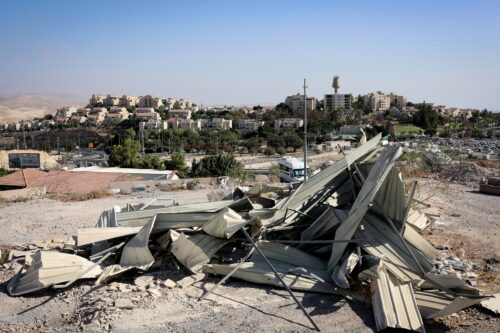
Since 1967, Israeli settlements in the West Bank have been a contested feature of the Israeli-Palestinian conflict. The ultimate disposition of the settlements and ongoing activity related to their growth have repeatedly defied agreement in negotiations over a resolution to the conflict.
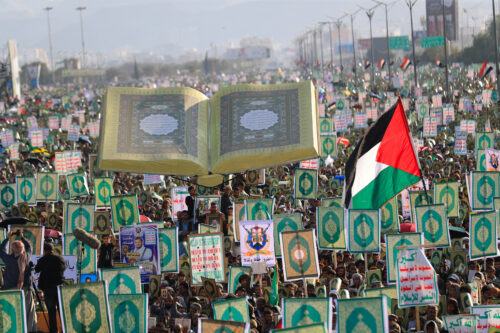
The Houthis are a political-military faction and Zaydi religious movement founded in northwestern Yemen in the 1980s. A key member of Iran’s Axis of Resistance with links to other militant organizations in the Arabian Peninsula and the Horn of Africa, the group has continued to pose a threat to Western interests on a global scale.
The India-Middle East-Europe Economic Corridor (IMEC) is a proposed multinational infrastructure initiative aimed at upgrading connectivity between the three regions through integrated trade, energy, and digital networks. Announced at the G20 summit in New Delhi in September 2023, IMEC is envisioned partially as a counterweight to China’s international infrastructure project, the Belt and Road Initiative.
After a decade of post-Arab Spring isolation, Turkey’s leaders have recognized that their ambition to position the country as an agenda-setter on the world stage requires active engagement in all directions. President Recep Tayyip Erdoğan’s consolidation of executive authority has centralized foreign policy decision-making and tied it to his domestic political priorities, transforming the country’s revisionist approach to one shaped primarily by personal and pragmatic interests.
MEI Senior Fellow Brian Katulis engages friends, colleagues, and policy experts in casual conversations on the most important happenings in the Middle East.
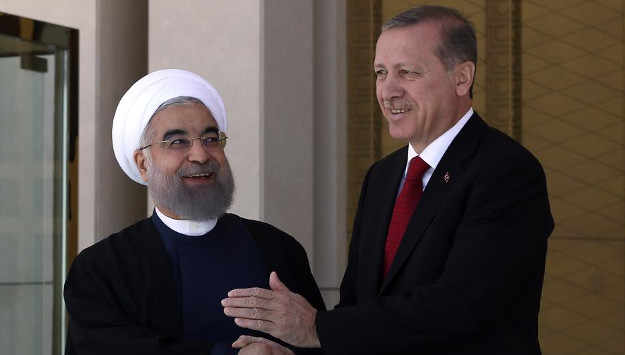
The leaders of Russia, Iran and Turkey held a high-profile summit in Ankara this week, their second such summit in six months. Are we seeing the formation of a new security axis in the region, and if so, where would that leave the United States? MEI’s Gonul Tol and Alex Vatanka join host Paul Salem to discuss.
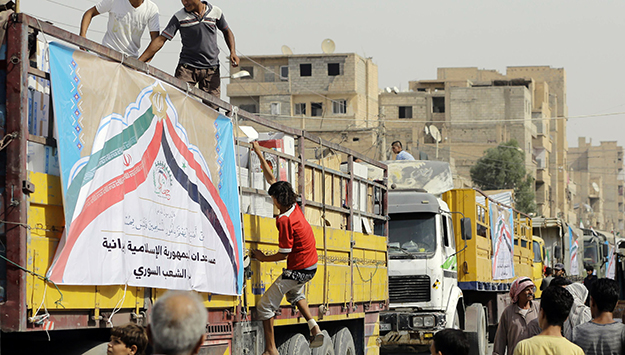
Listen closely to the debate in Tehran about Syria and you will detect great unease. There is an underlying fear—inside both the moderate and the hard-line camps of the regime—that Iran won the war but is in danger of losing out in the post-war period that will follow. This apprehension has always been there. But it has become markedly more distinct as the principal foreign powers that intervened in Syria—Russia, Turkey and the U.S.—set their sights on the long-term endgame.
Houthis want Iran and Russia to deliver arms to Sana’a, bypassing coalition siege
A senior official of the Yemeni Houthi rebels has said that the insurgent group is willing to purchase weapons from Iran and Russia if they can deliver the arms to the Yemeni capital of Sana’a, which is currently held by the Houthis. Saleh al-Samad, the head of the Houthis’ political council, which administers Sana’a, made the remarks at a graduation ceremony of new Houthi military leaders.
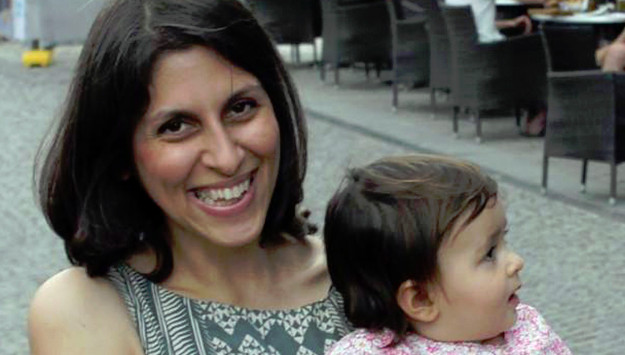
Zarif shrugs off concerns about British-Iranian mother jailed in Iran
In an interview with the BBC Arabic, Iran’s Foreign Minister Javad Zarif said that the fate of British-Iranian mother Nazanin Zaghari-Ratcliffe is only in the hands of the Iranian Judiciary. He urged the British government to respect the “independence” of the judicial branch in the Islamic Republic.
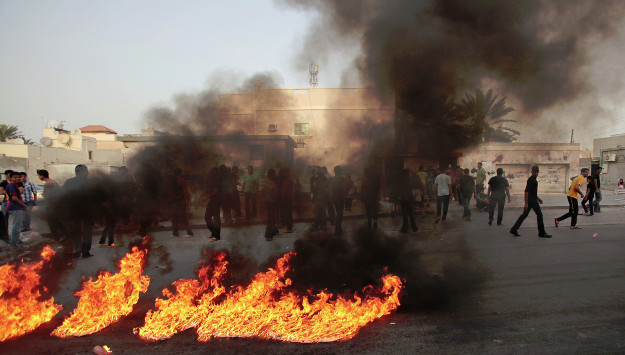
Bahraini FM says Iran-linked bank sponsored terrorism in island kingdom
Bahrain’s Foreign Minister Khalid bin Ahmed al-Khalifa said that the country’s authorities have uncovered an Iranian bank that was financing acts of terrorism in the island kingdom.
This essay discusses Saudi Arabia’s Soft Power Strategy in Indonesia. The Saudi strategy of cultural investment in Indonesia — primarily engineered through building Islamic schools, supplying teachers and textbooks, and financing scholarship opportunities — has facilitated a channel of Saudi influence largely impermeable to Indonesia’s political changes over the last 40 years. Saudi-supported Islamic education not only survived but thrived under the oppression of Suharto’s New Order regime from 1966 to 1998. Today, under Indonesia’s often anti-liberal democratic rule, the country’s Saudi-educated Muslim elite have capitalized on opportunities to use increased political freedom to promote religious protectionism and hardline Islamic orthodoxy.
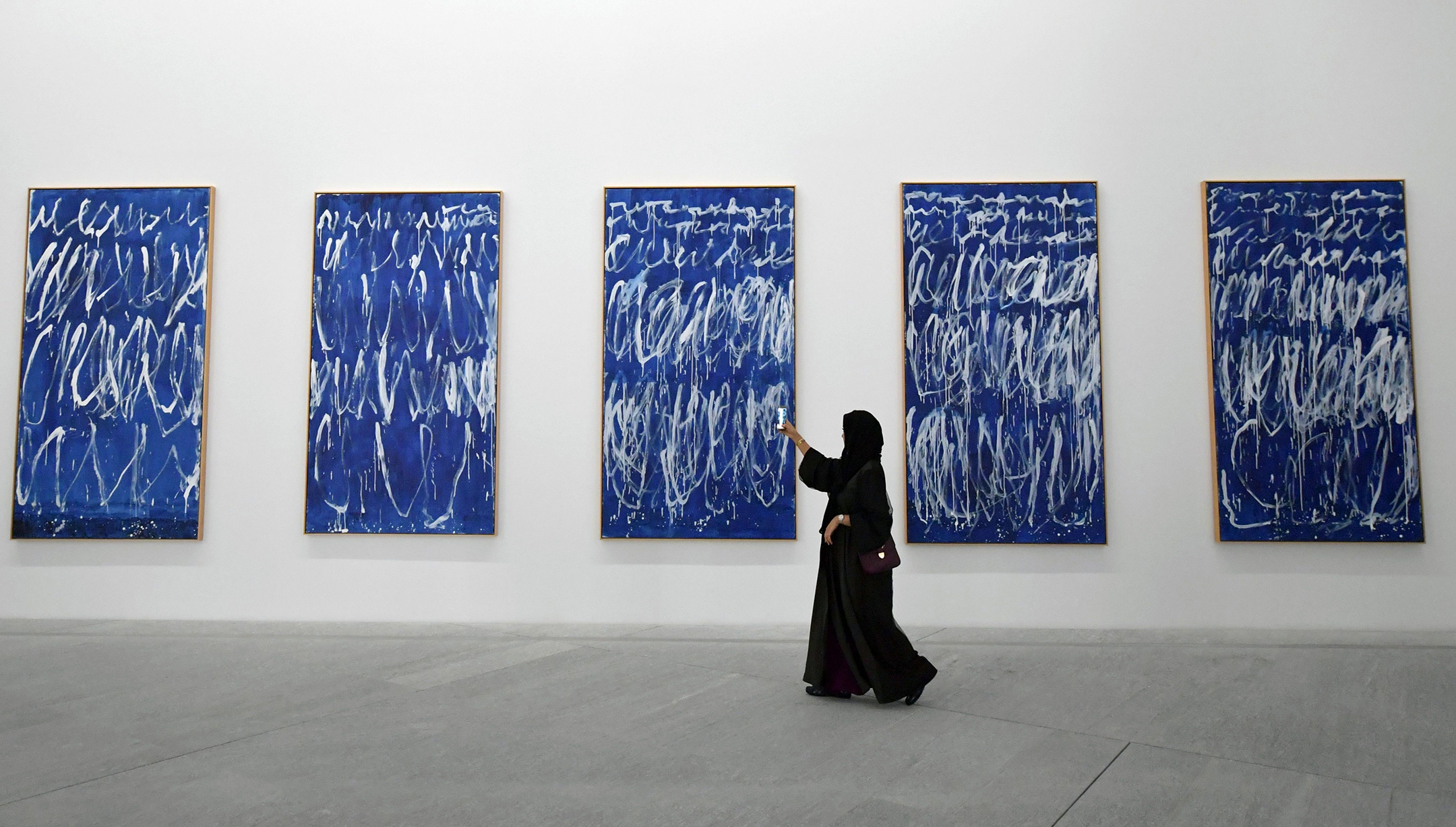
Vibrant art scene inspires cooperation, competition in Gulf
The countries of the Middle East are using art to remodel their national identities. Billions of dollars have been spent on colossal building efforts and massive acquisition programs in an effort to expand the cultural sector in the Middle East, especially in the Gulf. Art acquisition now appears to be part of a geopolitical strategy by Gulf countries to use their hydrocarbon money to purchase cultural clout and establish themselves as international cultural centers.
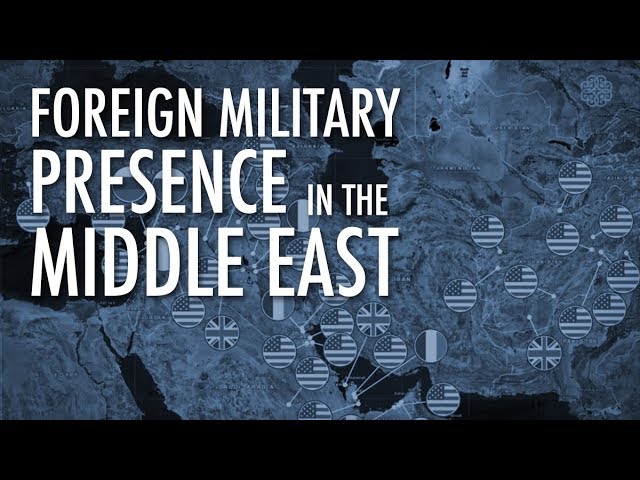
In this week’s Monday Briefing, MEI experts Paul Salem, Bilal Y. Saab, Marvin G. Weinbaum, and Charles Lister provide analysis on recent and upcoming events including the latest violence in Gaza, Gulf Shield-1 military drills, the Taliban’s resistance to peace, and the approaching Syria summit in Ankara.
Tehran views US withdrawal from Syria as victory for “axis of resistance”
President Donald Trump’s Thursday remarks about an imminent withdrawal of US troops has drawn a great deal of attention in the Iranian press. While some state-run outlets and those affiliated with the Revolutionary Guards welcome Trump’s announcement as a victory for Iran and its regional proxies, others remain skeptical about whether Washington will actually press ahead with such a plan.
IRGC targets domestic rivals in anniversary message
Commemorating the 39th anniversary of the March 30, 1979 referendum, which established the Islamic Republic, the Islamic Revolution Guards Corps (IRGC) issued a statement warning against foreign threats against “the track record of the Islamic Republic.” The statement cautioned that “the front of Arroga
Iranian commander rules out missile negotiation in defiance of Western pressure
A senior Iranian military official said today that Tehran would not negotiate over its missile program with Western powers, Iran’s Mehr News Agency reported.
Searching for the least worst option in Afghanistan
In her March 15 op-ed in The New York Times, “Tell the Truth About Afghanistan”, former National Security Advisor Susan Rice offers three “bad options” for the United States as a solution to the Afghan conflict: a limited engagement focusing on providing training, equipment, and advice for Afghan security forces which she argues would only slow down the Taliban; a complete withdrawal of troops, which would then leave the Afghan government prone to increased insurgency and interference from other i
The oldest peer-reviewed publication dedicated to the study of the modern Middle East, MEI’s flagship journal covers politics, society, and culture in the region.