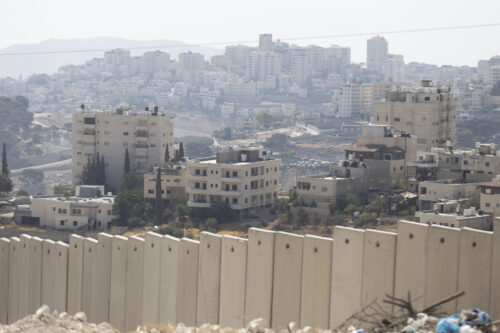
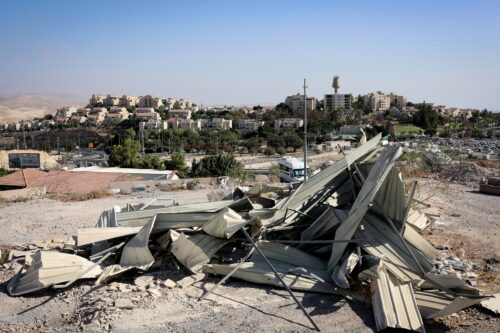
The Israeli government’s plan to build 3,401 housing units in the 12-square-kilometer E-1 corridor, between Jerusalem’s municipal boundary and the Israeli settlement of Ma’ale Adumim, would cut the West Bank in two. Israeli officials are under no illusion about the implications. Announcing the plan’s approval in August 2025, Finance Minister Bezalel Smotrich called it a “significant step that practically erases the two-state delusion.”
The Americans Are Gone. Will Iraq’s Militias Disarm?
On September 30, the US completed its military withdrawal from Iraq, ending a 12-year-long mission to combat ISIS that began in 2014. The date was also meant to be the deadline for disarming the largely Iranian-backed militias known as the Popular Mobilization Forces (PMF), but Prime Minister Ali al-Zaidi has now pushed that cutoff back to June 30, 2027. MEI Distinguished Diplomatic Fellow Amb. (ret.) Robert S. Ford joins hosts Alistair Taylor and Matthew Czekaj to discuss what the US military withdrawal means for Iraqi security and the nature of the bilateral relationship going forward. They also speak about what it will take for Baghdad to bring the PMF militias to heel, and how Iraq may navigate the post-Iran war era.
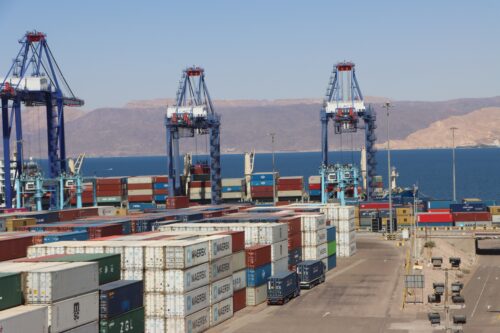
Jordan’s Economy Weathers Iran War’s Shocks and Finds New Opportunities
In the summer of 2003, King Abdullah II told Bloomberg Jordan sits “between Iraq and a hard place,” a play on words designed to describe the kingdom’s challenging environment to an American audience amid the US-led Iraq war to the east and the lingering Palestinian-Israeli conflict to the west. Jordan is grappling with a much “harder place” today.
Since 1967, Israeli settlements in the West Bank have been a contested feature of the Israeli-Palestinian conflict. The ultimate disposition of the settlements and ongoing activity related to their growth have repeatedly defied agreement in negotiations over a resolution to the conflict.
The Houthis are a political-military faction and Zaydi religious movement founded in northwestern Yemen in the 1980s. A key member of Iran’s Axis of Resistance with links to other militant organizations in the Arabian Peninsula and the Horn of Africa, the group has continued to pose a threat to Western interests on a global scale.
The India-Middle East-Europe Economic Corridor (IMEC) is a proposed multinational infrastructure initiative aimed at upgrading connectivity between the three regions through integrated trade, energy, and digital networks. Announced at the G20 summit in New Delhi in September 2023, IMEC is envisioned partially as a counterweight to China’s international infrastructure project, the Belt and Road Initiative.
After a decade of post-Arab Spring isolation, Turkey’s leaders have recognized that their ambition to position the country as an agenda-setter on the world stage requires active engagement in all directions. President Recep Tayyip Erdoğan’s consolidation of executive authority has centralized foreign policy decision-making and tied it to his domestic political priorities, transforming the country’s revisionist approach to one shaped primarily by personal and pragmatic interests.
MEI Senior Fellow Brian Katulis engages friends, colleagues, and policy experts in casual conversations on the most important happenings in the Middle East.
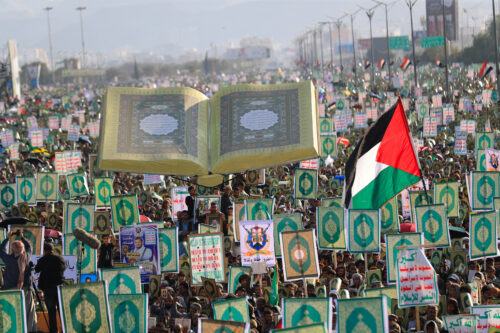
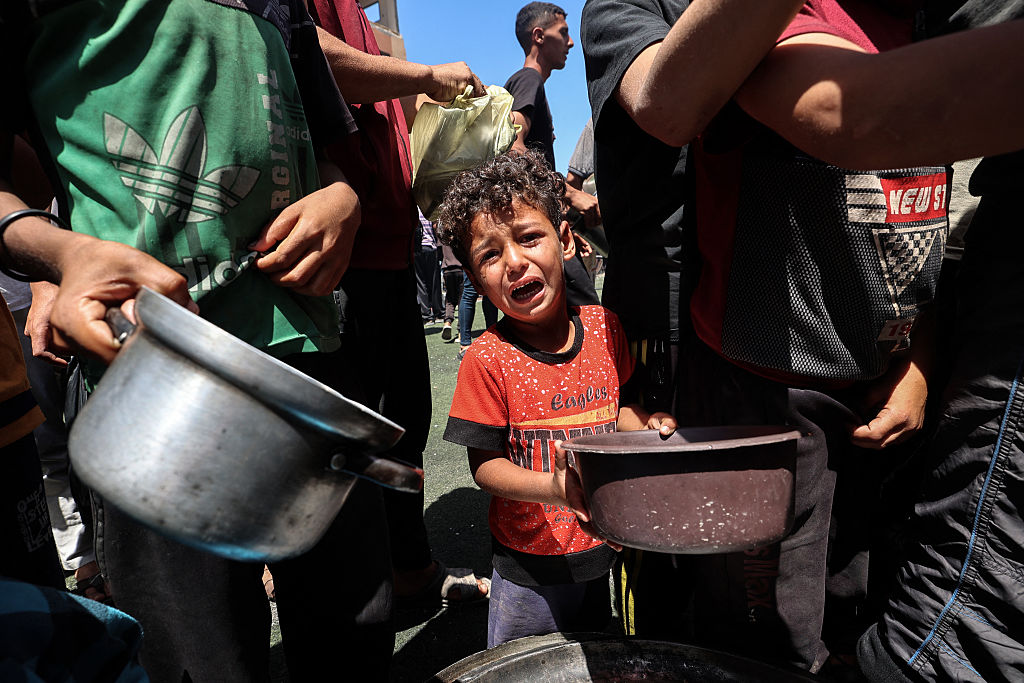
A devastating crisis for Palestinians in Gaza worsens
What has been unfolding in the Gaza Strip for millions of Palestinians is the direct consequence of the failures of political leaders who are ignoring best practices for the delivery of aid to innocent people caught in the crosshairs of a complicated war. Without a major shift in the current approach, the already dire conditions are only likely to deteriorate further going forward.
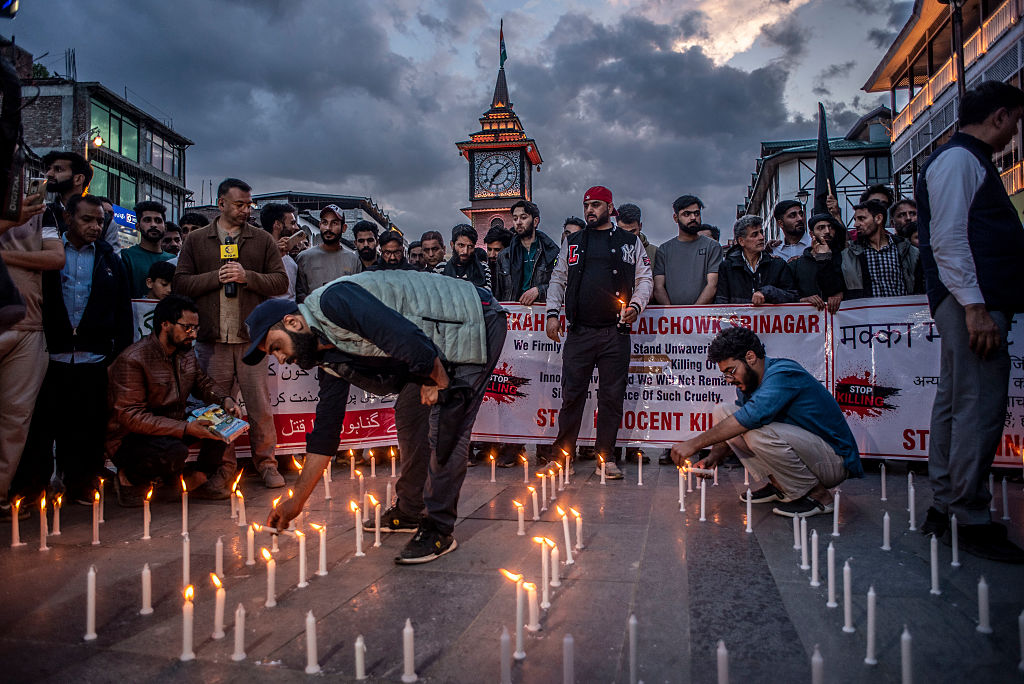
The recent brief yet intense escalation of hostilities between India and Pakistan has further exposed the fragile nature of South Asia’s security landscape. The four-day tit-for-tat cross-border military confrontation between the two nuclear-armed rivals has significantly undermined prospects for normalization, redefining the rules of engagement and signaling a shift in how both countries may manage their relationship moving forward.
Jordan’s Role in a Region in Crisis: A Conversation with Ambassador Dina Kawar
Ambassador Dina Kawar, Jordan’s Ambassador to the United States, joins host Brian Katulis for a wide-ranging conversation on Jordan’s efforts to address the humanitarian crisis in Gaza, its bilateral partnership with the United States, and its role in regional diplomacy.
Near-term progress in a renewed nuclear agreement between the United States and Iran could add further downward pressure to a delicate oil market, potentially heralding more fiscal pain for Gulf oil producers and complicating US energy strategy.
In Syria’s fragile transition there’s a glimmer of a more stable Middle East
For the better part of half a century, Syria has been an open wound in the heart of the Middle East, provoking instability, fueling conflict, and brutally suppressing its own people. Throughout Syria’s nearly fourteen-year civil crisis, a long list of destabilizing knock-on effects spilled over into neighboring countries and the world at large. The long-standing moniker of “what happens in Syria never stays in Syria” perfectly encapsulated what for most of the past decade looked to be a truly intractable crisis.
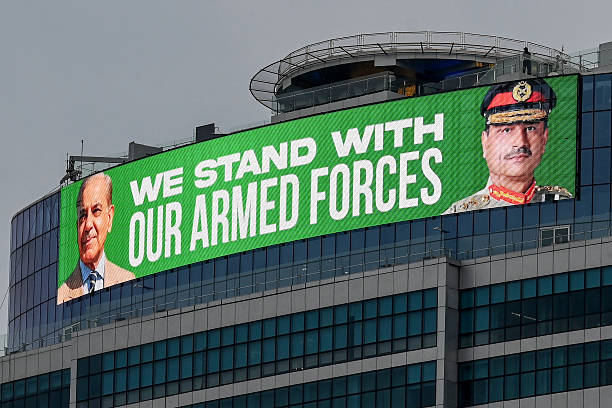
The recent elevation of Gen. Asim Munir to the rank of field marshal is a thunderous declaration of the Pakistani military’s unassailable supremacy, a gesture that reverberates far beyond the barbed-wire perimeters of the Army’s General Headquarters in Rawalpindi.
Syria Looks to a Future Unburdened from US Sanctions
MEI Senior Fellow Charles Lister joins hosts Alistair Taylor and Matthew Czekaj to discuss the Trump administration’s dramatic reversal of four decades of US policy toward Syria. Following President Trump’s May 2025 meeting with Syrian President Ahmad al-Sharaa and the issuance of a new general license and 180-day waiver of Caesar Act sanctions, the episode explores the implications of this policy shift. What does this mean for Syria’s recovery and reconstruction? How are regional actors like Turkey, Israel, and the Gulf states responding?
Trump’s diplomatic failures with Russia cast a pall over his Middle East efforts
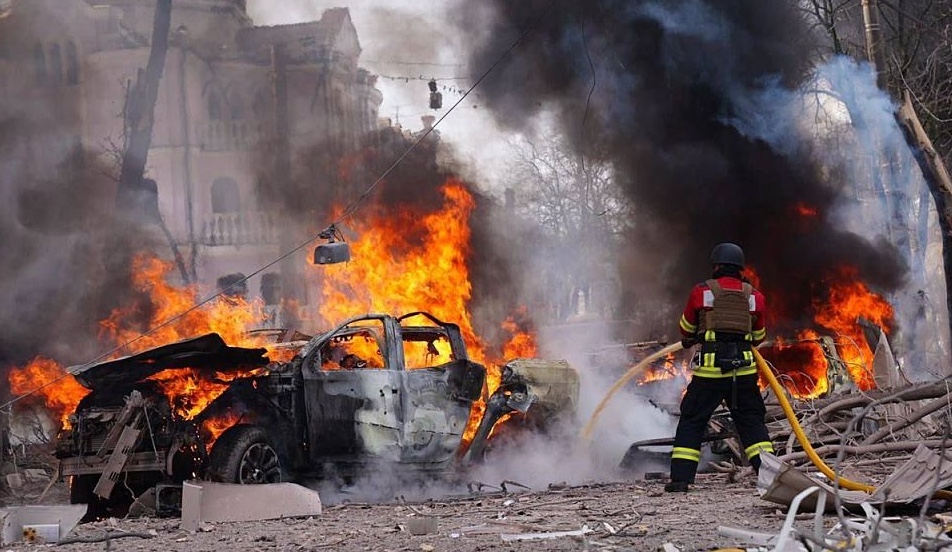
US President Donald Trump was back in his comfort zone this week, fulminating online and ranting to journalists about Russia’s continued war against Ukraine.
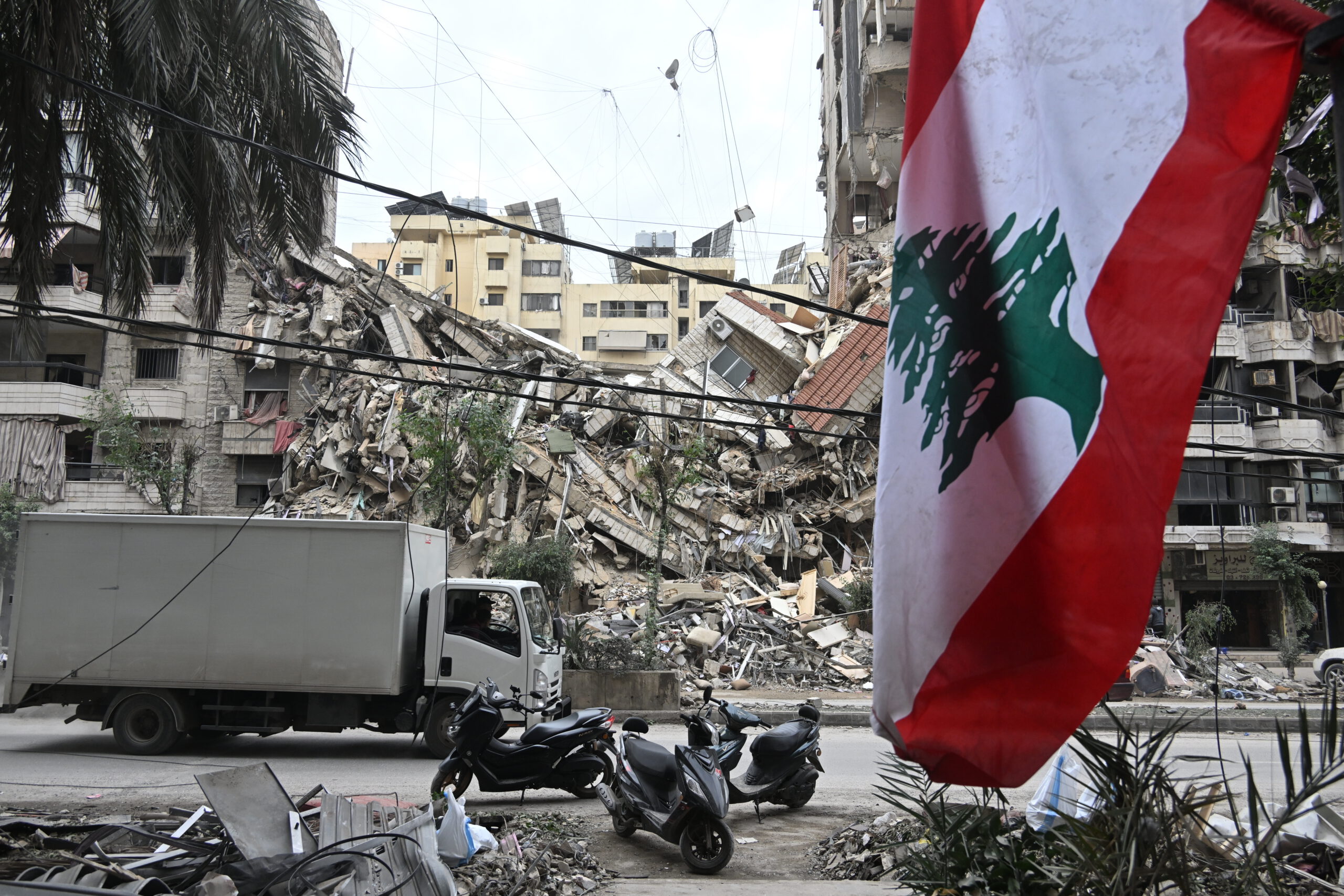
The long-term challenges of reconstruction in the Middle East
Reconstruction projects will not be able to rely solely on direct grants and loans. Recovering economies will have to create conditions to attract regional and international investment as well.
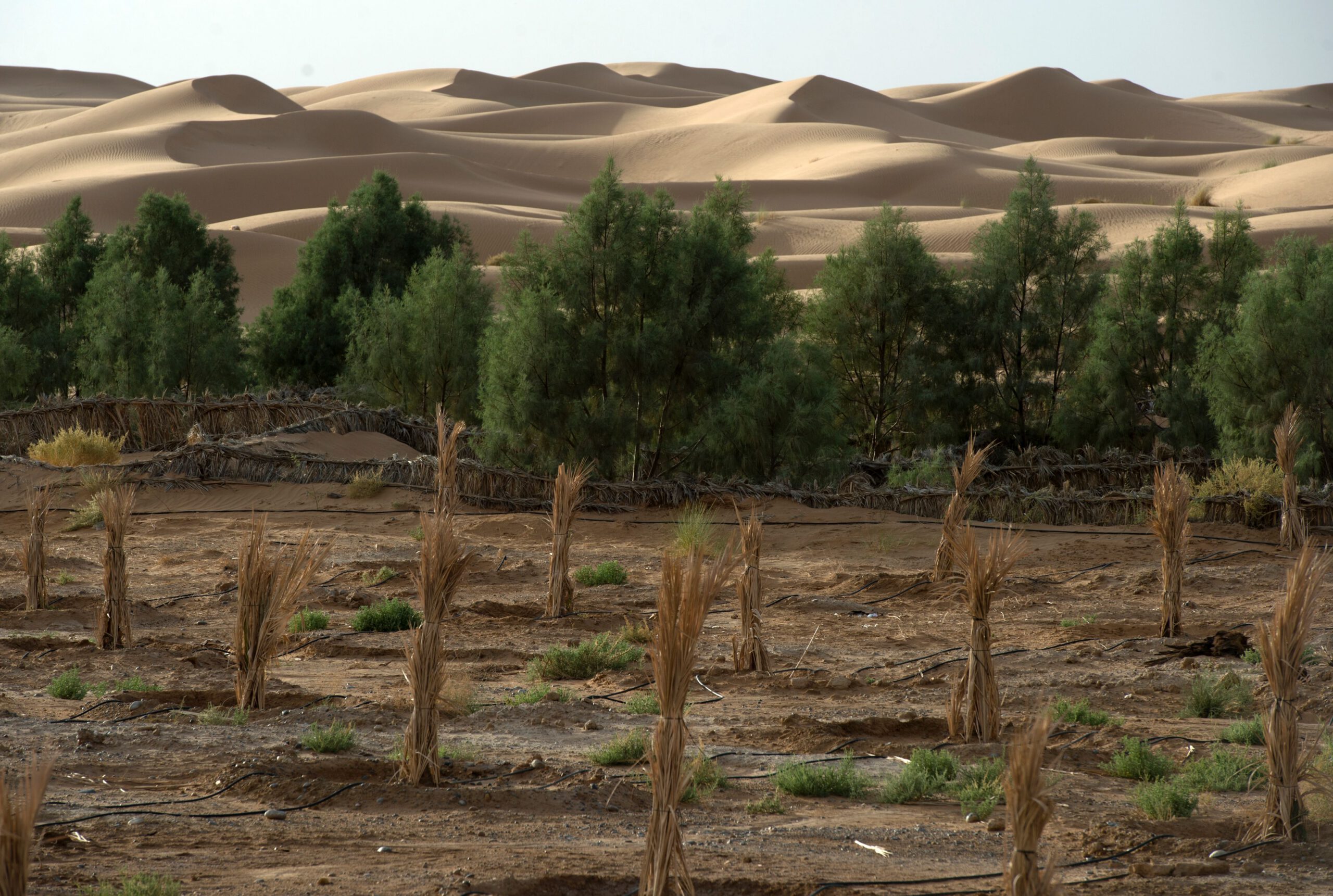
Managing Threats to Food Security: Water and Agricultural Resilience in North Africa
Sustaining food security in North Africa is a complex and evolving challenge, influenced by the region’s arid climate, limited water resources, and sparse arable land. In response, efforts to enhance food security by governments, farmers, and non-governmental organizations have been centered on adopting climate-resilient agricultural practices, efficient irrigation techniques, and sustainable land-management strategies. Despite these efforts, food security in North Africa remains fragile due to systemic pressures on agricultural systems from climate change, water scarcity, and increasing market demands.
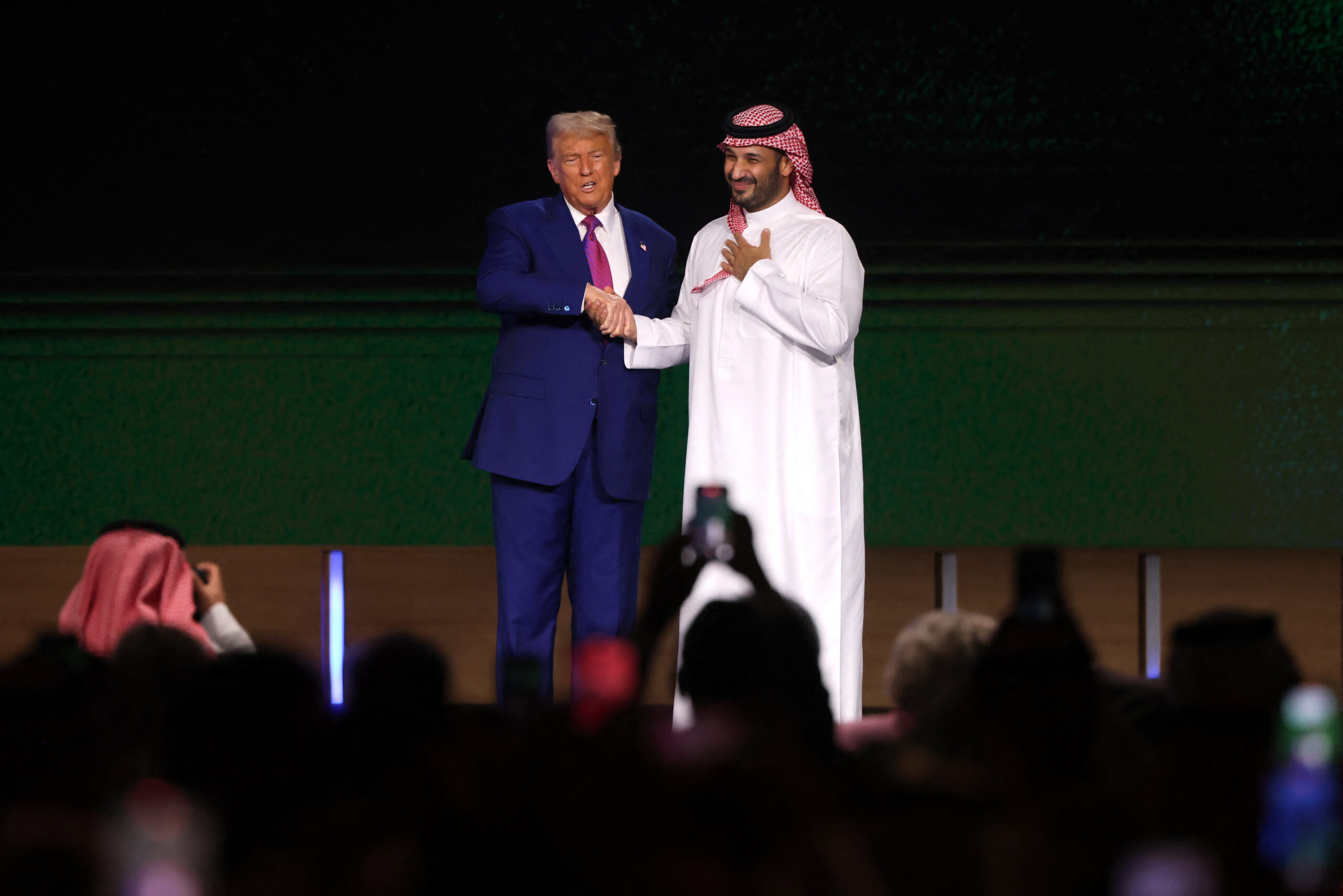
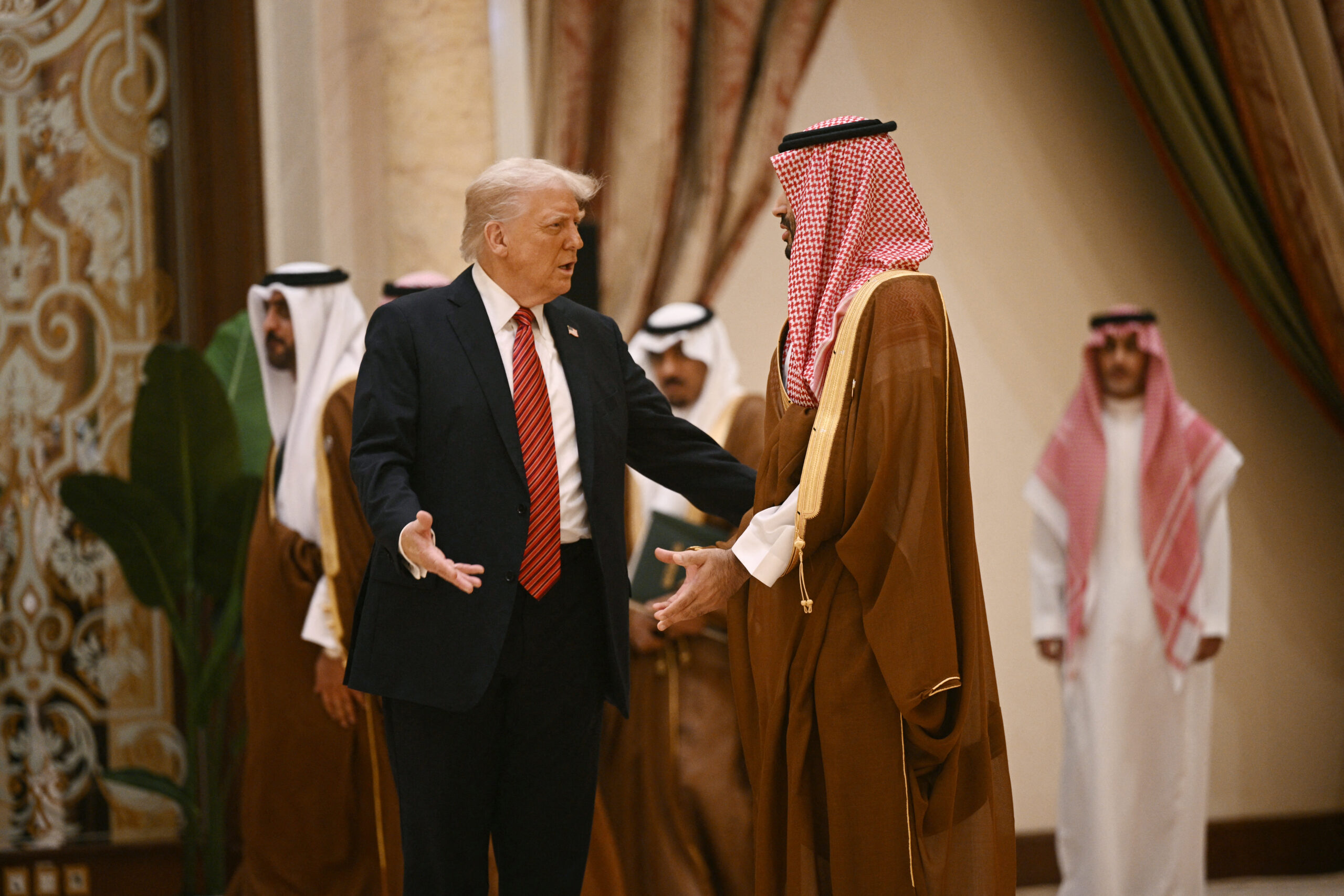
President Trump’s recent visit to the Gulf region marked a dramatic shift from the previous administration’s Middle East diplomacy. In his visit to Saudi Arabia, the UAE, and Qatar, Trump focused on securing significant investment commitments and commercial partnerships to support the region’s AI and other ambitions.
President Donald Trump’s recent visit to Saudi Arabia, Qatar, and the UAE reignited debate over U.S. ties to authoritarian regimes. But the controversy underscores a deeper question: why has democracy struggled to take root in the Arab world? In this episode of Rethinking Democracy, host Gonul Tol sits down with Dr.
Is the Two-State Solution Still Viable? Saudi Spokesperson Fahad Nazer Makes the Case.
In this episode of Taking the Edge Off the Middle East, host Brian Katulis sits down with Fahad Nazer, spokesperson for the Saudi Arabian Embassy in the US, to discuss the evolving US-Saudi relationship amid unprecedented regional volatility. Central to their conversation is the deepening crisis in Gaza, emphasizing the urgent need for sustained US-Saudi cooperation and broader international engagement to address the humanitarian catastrophe and prevent further regional escalation.
Hosts Alistair Taylor and Matthew Czekaj speak with MEI Senior Fellow Mohammed Soliman about President Donald Trump’s recent trip to Saudi Arabia, the UAE, and Qatar, which yielded a wave of major US-Gulf tech and AI deals. Soliman explains how these partnerships mark a shift in the relationship—from oil and arms to compute power and data infrastructure—and what it means for the Gulf’s strategic role in the global AI ecosystem.
The oldest peer-reviewed publication dedicated to the study of the modern Middle East, MEI’s flagship journal covers politics, society, and culture in the region.