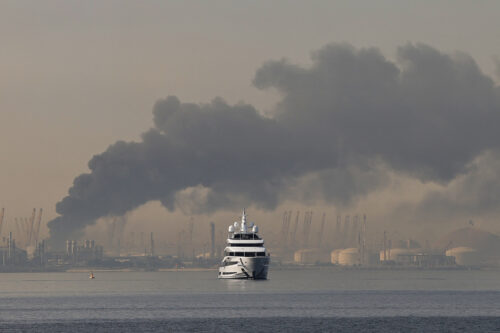
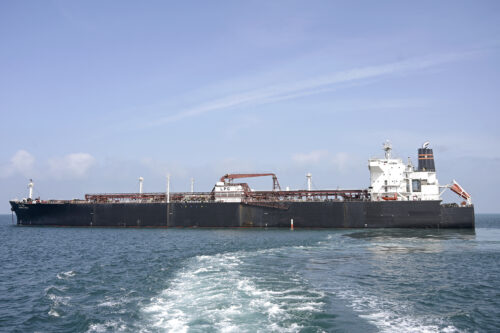
Geopolitical influence over trade increasingly rests on controlling the systems that make them work. The Middle East illustrates the stakes. US ports, cable corridors, cloud facilities, artificial intelligence (AI) investments, and maritime routes connect regional economies to global commerce while exposing them to external decisions and disruptions. For the United States, the challenge is to translate technological advantage into resilient networks rather than rely on centrality that can itself become a source of vulnerability and coercion.
Bonus Episode: Previewing Israel’s First Post-October 7 Election
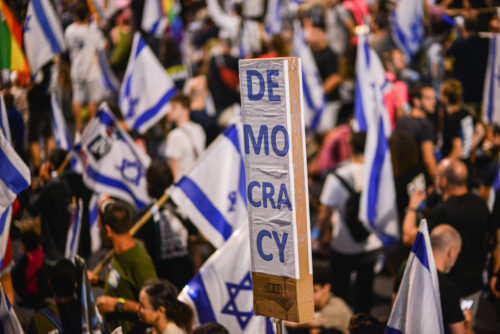
Israel is preparing to hold what may be its most consequential election in decades. On October 27, Prime Minister Benjamin Netanyahu will face his first electoral test since October 7, 2023. In this bonus episode of Middle East Focus, we present the audio from a recent MEI webinar, hosted in Israel on the eve of the vote. Senior Fellow Natan Sachs is joined by Dr. Shira Efron, Distinguished Chair for Israel Policy and senior fellow at the RAND Corporation, and Neri Zilber, veteran journalist and Financial Times correspondent. They explore what’s at stake in this historic election and how different outcomes could reshape Israel’s domestic politics and the wider region.
Israel Was Built on Hope. This Election May Be Our Last Chance to Save It
Israel’s national anthem, Hatikva, means “the hope.” Israel is not just another country, but the culmination of a 2,000-year-old dream of national redemption. The rebirth of the Jewish people’s ancestral homeland, just three years after the Holocaust, was a miraculous triumph of hope over all odds.
Today, that hope has been shattered and the elections on October 27 have become the most consequential in Israel’s history.
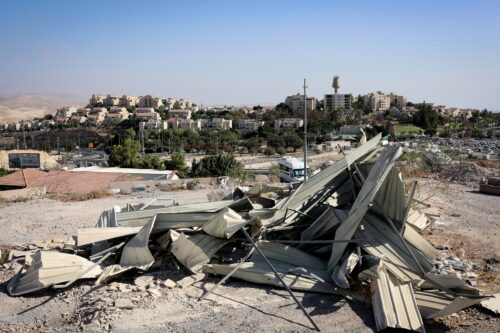
Since 1967, Israeli settlements in the West Bank have been a contested feature of the Israeli-Palestinian conflict. The ultimate disposition of the settlements and ongoing activity related to their growth have repeatedly defied agreement in negotiations over a resolution to the conflict.
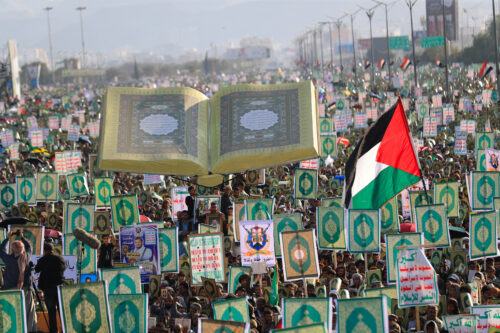
The Houthis are a political-military faction and Zaydi religious movement founded in northwestern Yemen in the 1980s. A key member of Iran’s Axis of Resistance with links to other militant organizations in the Arabian Peninsula and the Horn of Africa, the group has continued to pose a threat to Western interests on a global scale.
The India-Middle East-Europe Economic Corridor (IMEC) is a proposed multinational infrastructure initiative aimed at upgrading connectivity between the three regions through integrated trade, energy, and digital networks. Announced at the G20 summit in New Delhi in September 2023, IMEC is envisioned partially as a counterweight to China’s international infrastructure project, the Belt and Road Initiative.
After a decade of post-Arab Spring isolation, Turkey’s leaders have recognized that their ambition to position the country as an agenda-setter on the world stage requires active engagement in all directions. President Recep Tayyip Erdoğan’s consolidation of executive authority has centralized foreign policy decision-making and tied it to his domestic political priorities, transforming the country’s revisionist approach to one shaped primarily by personal and pragmatic interests.
MEI Senior Fellow Brian Katulis engages friends, colleagues, and policy experts in casual conversations on the most important happenings in the Middle East.
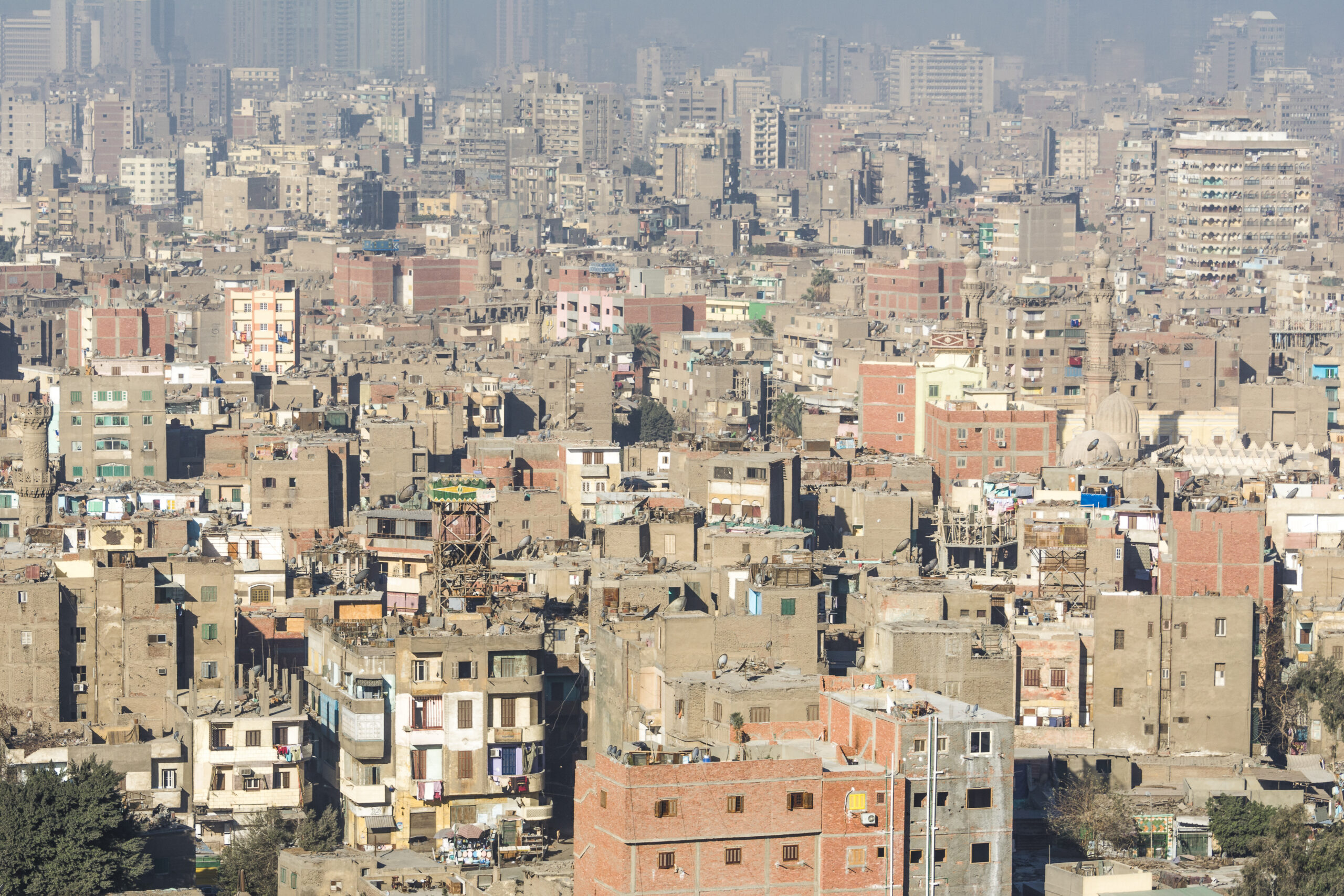
Resolving Egypt’s Housing Crisis Crucial to Long-Term Stability
With a population growing at a rate of approximately 2 percent per year, Egypt is faced with an urbanization crisis, as many of its cities find themselves increasingly overcrowded. Egypt’s housing crisis affects millions across the country, and, if the Sisi government is looking to further consolidate its power, it must ensure that it maintains the support of the country’s poor urban communities, which have historically revolted against worsening living conditions.
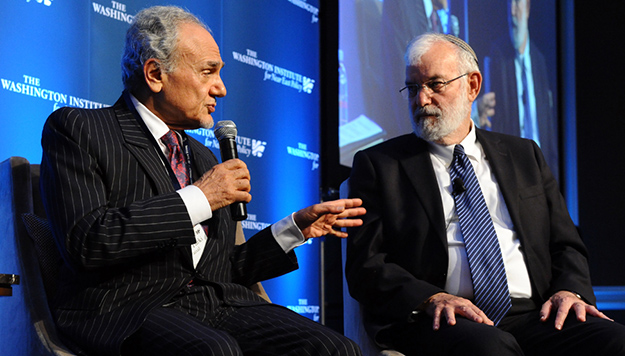
Much has been made, particularly by Israelis, of the expanding horizons for collaboration between the Jewish state and Arab Gulf states. Israeli ministers and business people lose no opportunity to tout Israel’s interest in expanding ties of all sorts in a region viewed as a valuable market for Israeli industry and an intelligence gold mine.
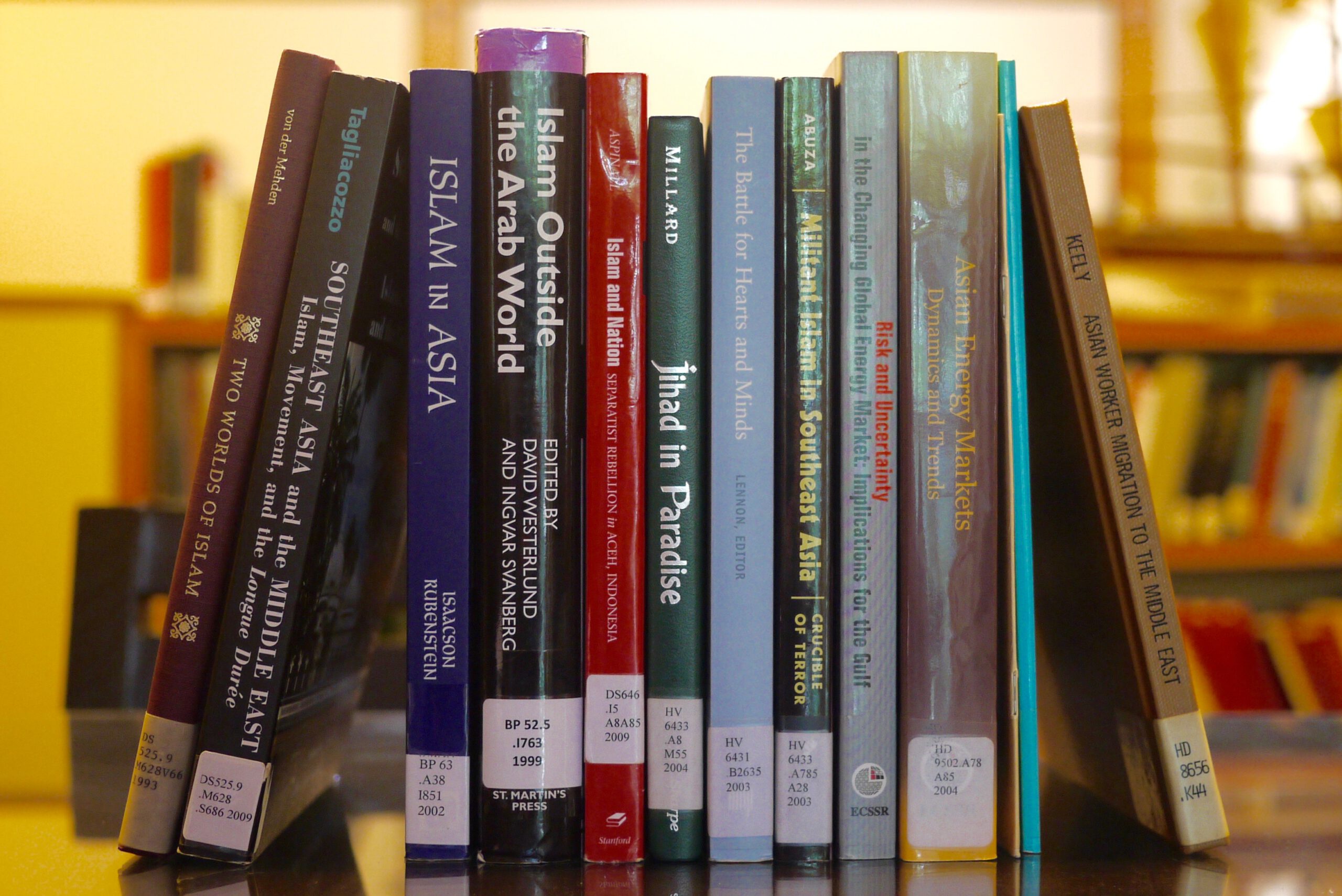
The Middle East & Southeast Asia Collection at the Oman Library
The Middle East and Southeast Asia are two distant regions that are not usually associated with one another. However, there are, in fact, a number of topics that transcend the geographical space between the two regions. For scholars who are interested in the relations between two of the most dynamic regions in the world today, the Oman Library at the Middle East Institute is home to a sizable collection of resources focused on this relationship.
Adaptation Actions, Migration and Disaster Vulnerability of Bangladeshi Coastal Communities
This essay discusses the impact of climate change on livelihoods and documents the current and future adaptation strategies of Bangladeshi coastal communities. The findings of the research conducted for this essay indicate that those who migrated to another area were able to secure new places to reside, but in locations that made them susceptible to other forms of disaster.
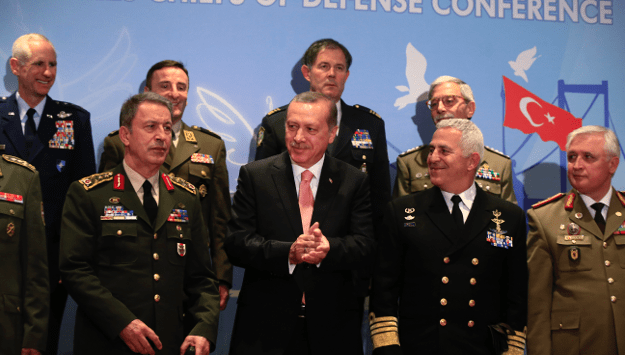
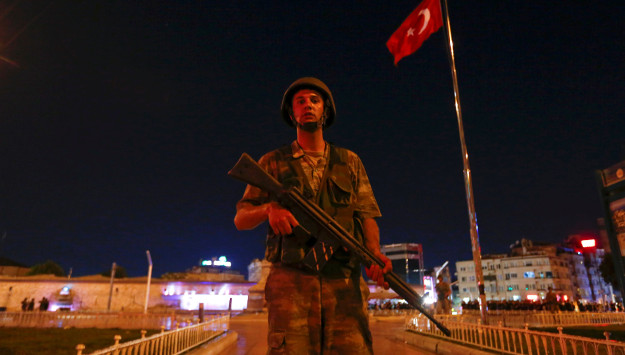
Monday Briefing: Turkey's Post-Coup Military Restructuring and US-Russia Meeting in Geneva on Syria Coodrination
In this week’s Monday Briefing, MEI experts Gonul Tol and Randa Slim provide analysis on the restructuring of Turkey’s military following the recent failed coup attempt and the meeting between U.S. and Russian officials in Geneva tomorrow to discuss counterterrorism coordination in Syria.
Last month’s massacre at an LGBT nightclub in Orlando launched a heated debate about the relationship between Islam and homosexuality, and more acutely, about the prevalence of a virulent homophobia in the Islamic world. But in the Middle East, this debate began long before Orlando. LGBT people in this part of the world have been battling for their rights for years, and not without casualties.
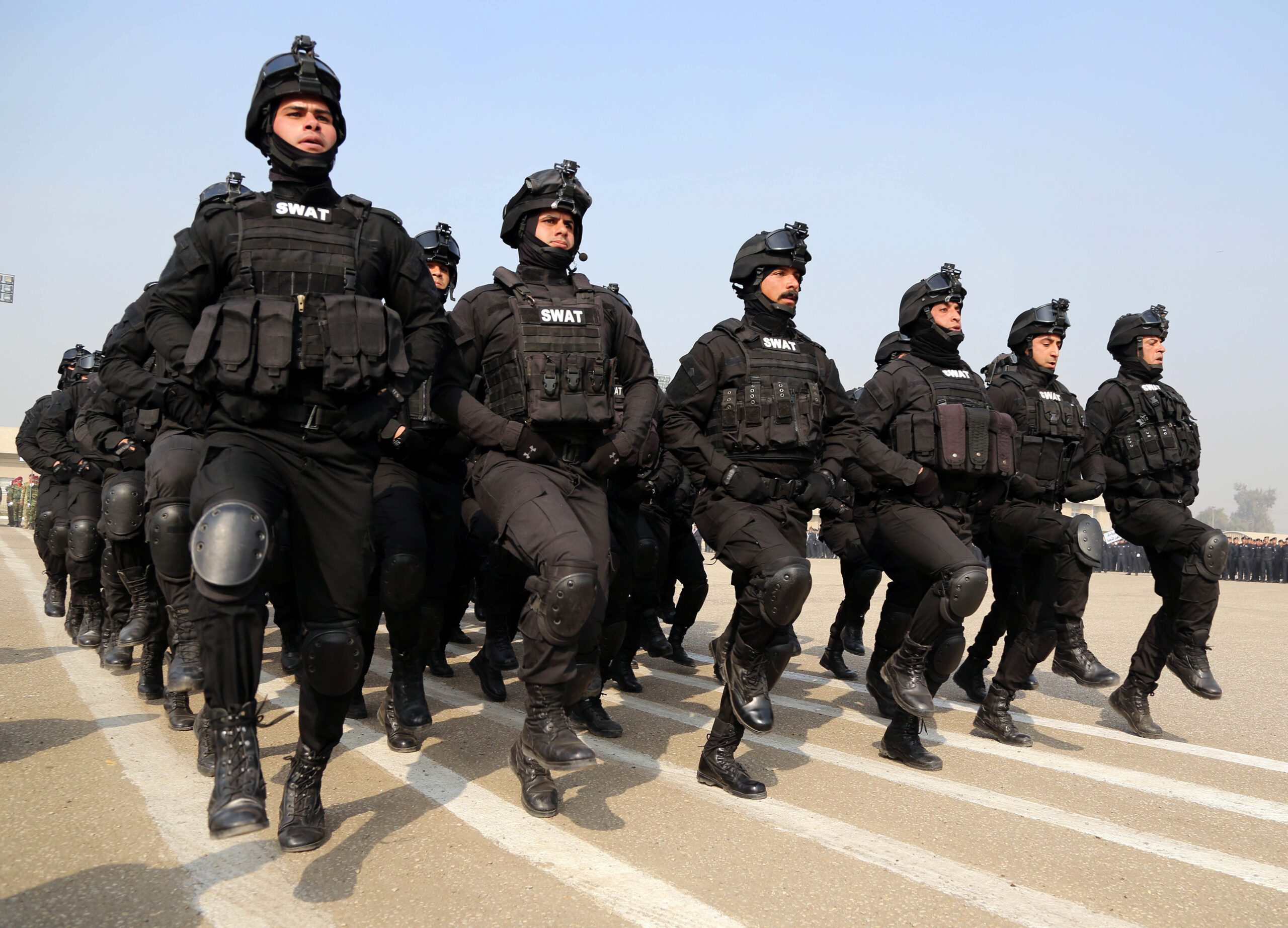
Toward Regional Cooperation: The Internal Security Dimension
Regional Cooperation Series
This Policy Paper is part of The Middle East Institute’s Regional Cooperation Series. Throughout 2016, MEI will be releasing several policy papers by renowned scholars and experts exploring possibilities to foster regional cooperation across an array of sectors. The purpose is to highlight the myriad benefits and opportunities associated with regional cooperation, and the high costs of the continued business-as-usual model of competition and intense rivalry.
Turkey is a country of ironies. A president who has called Twitter “the worst menace to society” and frequently expressed his “hatred” of the Internet, used both to prevent the coup against his rule when he called on his followers to take to the streets using Twitter and Facetime. The first TV network he called to reach out to his followers was CNN Turk, a channel he repeatedly accused of “terrorism propaganda” and “supporting coup against his government” and that has been the target of physical attacks by pro-Erdogan supporters.
Thinking Beyond “Crisis”: Population Displacement and State Building in the Middle East
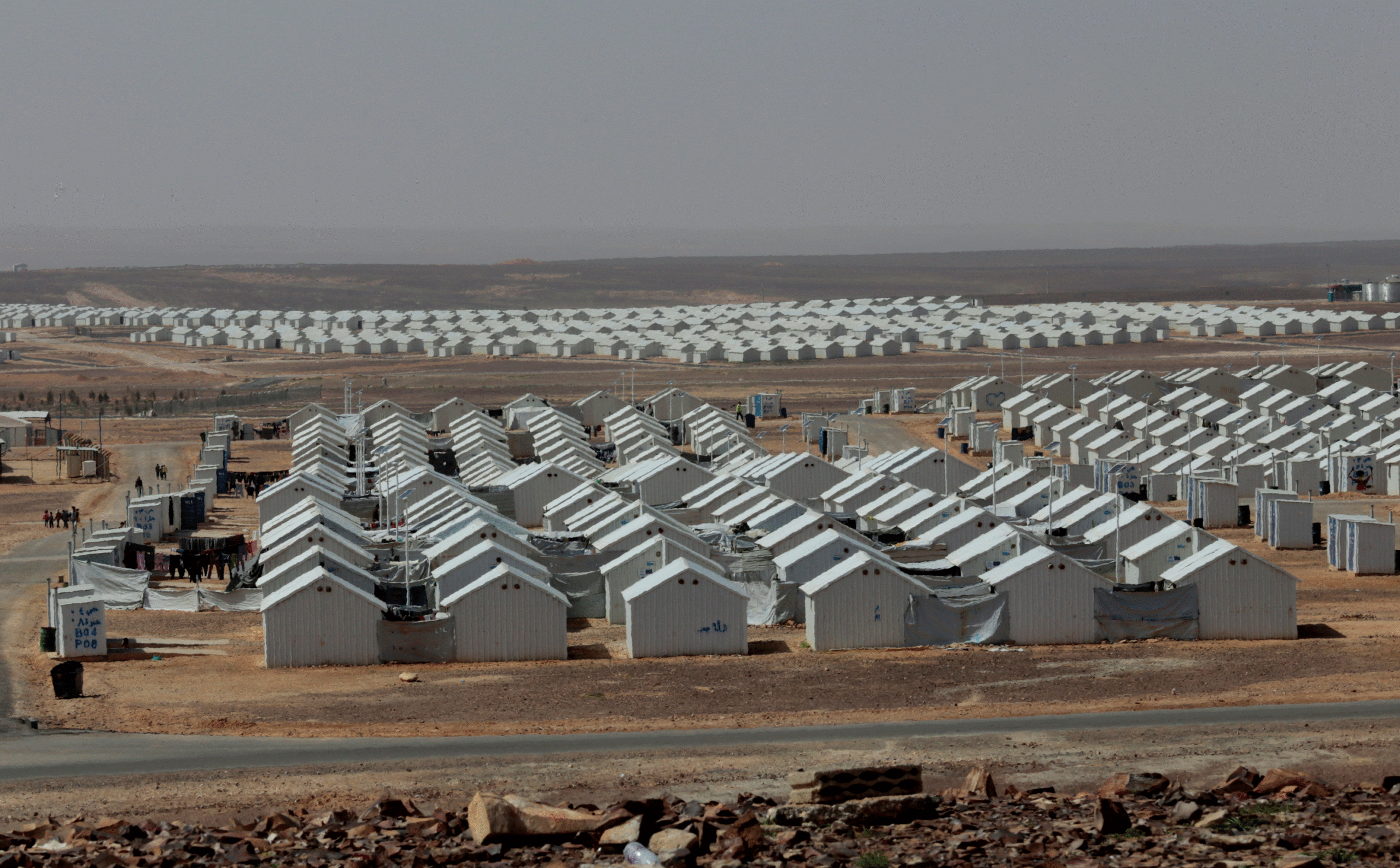
War and displacement—for those who are caught up in them—are always a tragedy, one that they carry with and within them far beyond the limited attention spans of international media and scholars. However, not every tragedy becomes a crisis. This essay discusses the intellectual, policy, and human consequences of considering the current displacements in the Middle East a “crisis.”
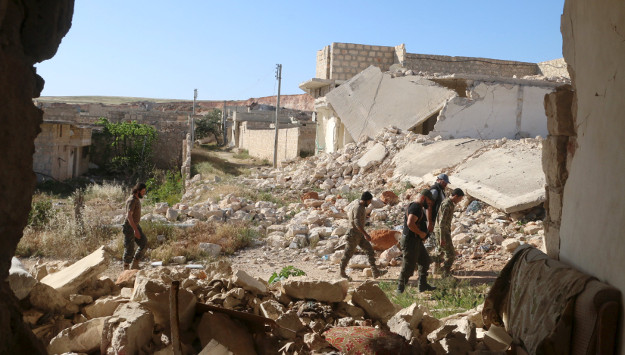
Syria’s uprising-turned-war is the first to unfold on social media for the whole world to see in real time. While this gives unprecedented power for local, grassroots activists and citizen journalists, it also comes with challenges.
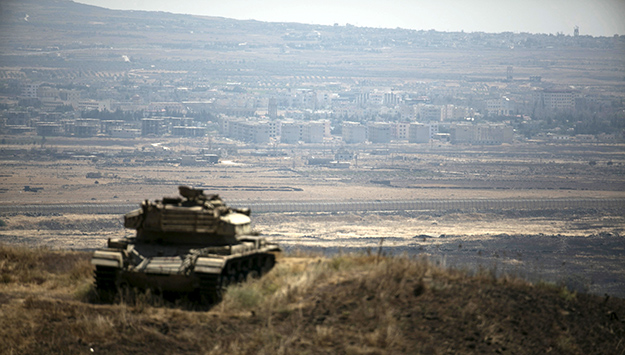
For successive Israeli governments and the defense establishment, the Syrian arena has traditionally been considered Israel’s “front yard” in terms of threat analysis, early warning and force readiness. The defense budget, comprising 7.7 percent of Israel’s G.N.P. in 2011 (latest available data), included considerable allocations designed to meet the Syrian army’s threat.
The oldest peer-reviewed publication dedicated to the study of the modern Middle East, MEI’s flagship journal covers politics, society, and culture in the region.