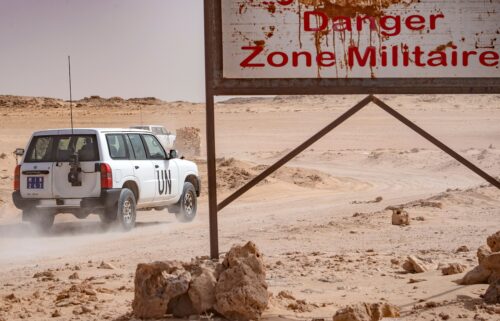
MINURSO’s Future: What the Security Council’s Choice May Reveal
As the United Nations Security Council (UNSC) approaches the October 31 renewal deadline of the UN Monitoring Mission in Western Sahara (MINURSO), the mission’s longer-term future remains uncertain. Another largely unchanged renewal remains a likely immediate outcome. But beyond that holding pattern, three possible scenarios are also on the table.
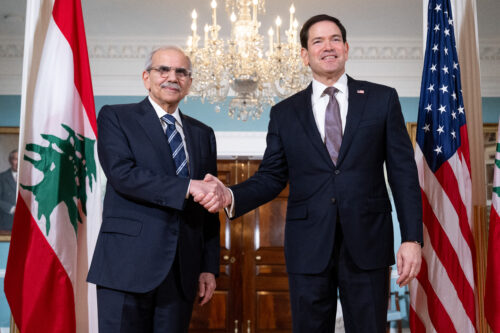
How Lebanon can be Trump’s first success in a troubled region
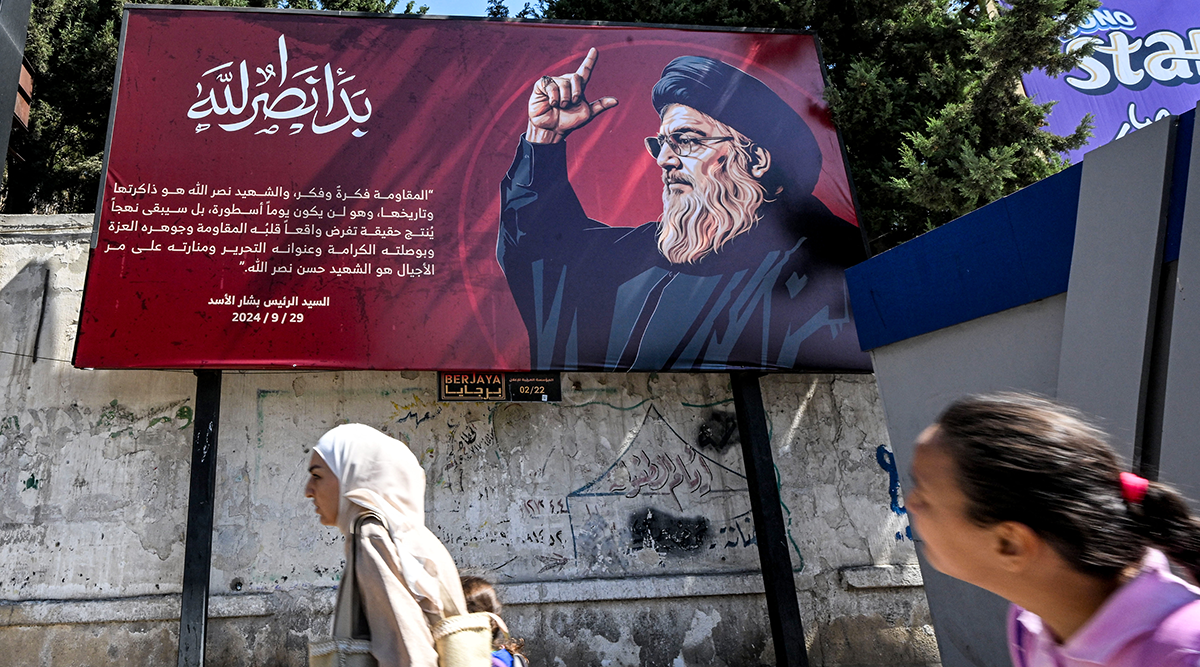
The Trump administration has done more than any of its predecessors to restore sovereignty for a much traumatized nation, Lebanon. The Israel Defense Forces’ operations in 2024 against Hezbollah decimated that organization, long the “A Team” in global terror.
Kim Ghattas on a Murder That Explains the Middle East
Brian sits down with author and Emmy Award-winning journalist Kim Ghattas to talk about her new book, The Best Kind of American, which tells the story of the 1984 assassination of Malcolm Kerr, then president of the American University of Beirut. They discuss her inspiration for the project, what Kerr’s murder revealed about the Middle East at the time, and why his story still resonates four decades later.
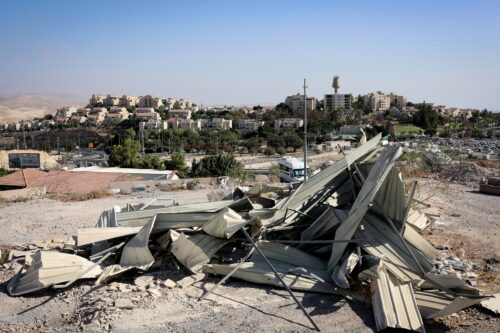
Since 1967, Israeli settlements in the West Bank have been a contested feature of the Israeli-Palestinian conflict. The ultimate disposition of the settlements and ongoing activity related to their growth have repeatedly defied agreement in negotiations over a resolution to the conflict.
The Houthis are a political-military faction and Zaydi religious movement founded in northwestern Yemen in the 1980s. A key member of Iran’s Axis of Resistance with links to other militant organizations in the Arabian Peninsula and the Horn of Africa, the group has continued to pose a threat to Western interests on a global scale.
The India-Middle East-Europe Economic Corridor (IMEC) is a proposed multinational infrastructure initiative aimed at upgrading connectivity between the three regions through integrated trade, energy, and digital networks. Announced at the G20 summit in New Delhi in September 2023, IMEC is envisioned partially as a counterweight to China’s international infrastructure project, the Belt and Road Initiative.
After a decade of post-Arab Spring isolation, Turkey’s leaders have recognized that their ambition to position the country as an agenda-setter on the world stage requires active engagement in all directions. President Recep Tayyip Erdoğan’s consolidation of executive authority has centralized foreign policy decision-making and tied it to his domestic political priorities, transforming the country’s revisionist approach to one shaped primarily by personal and pragmatic interests.
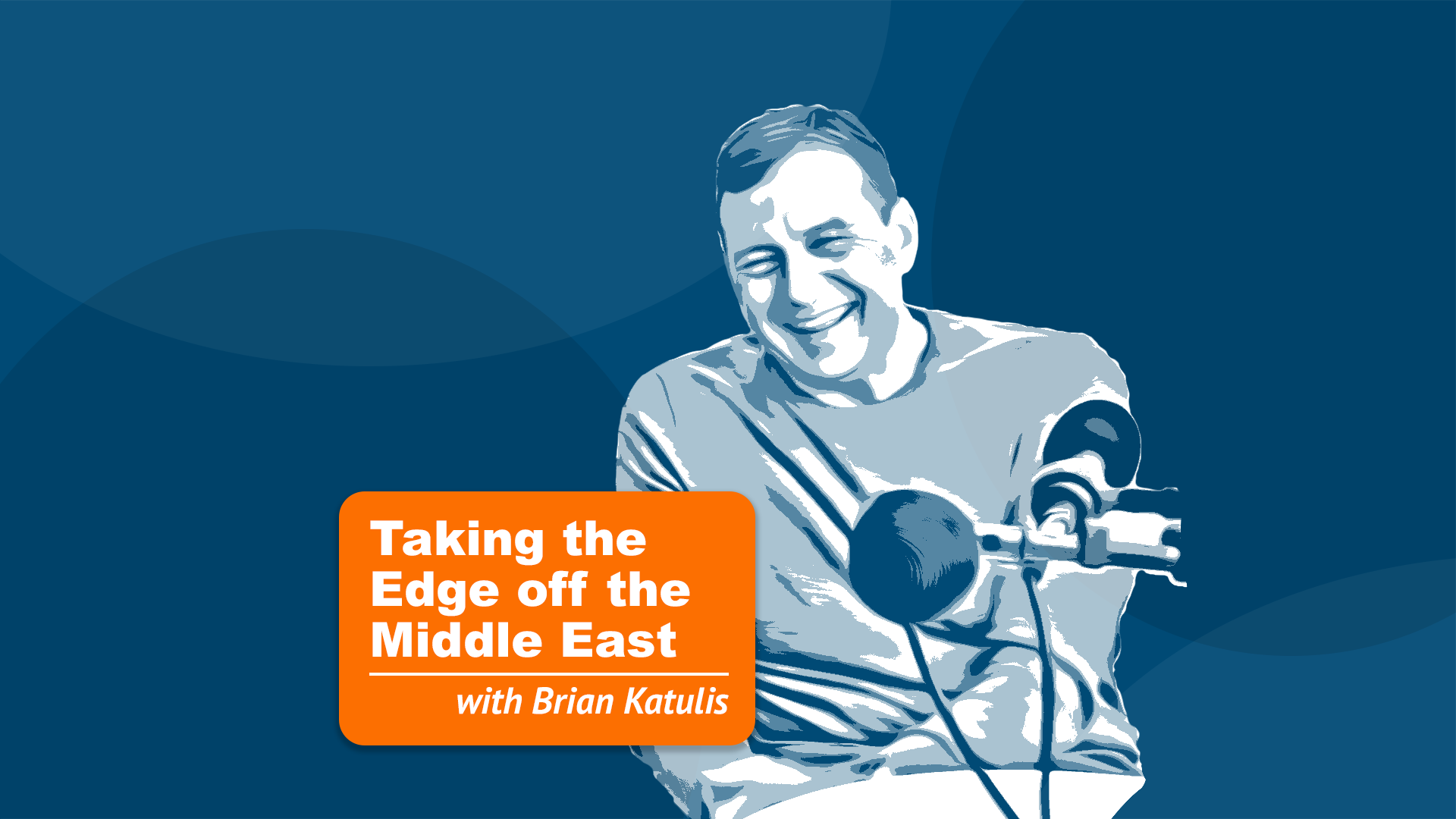
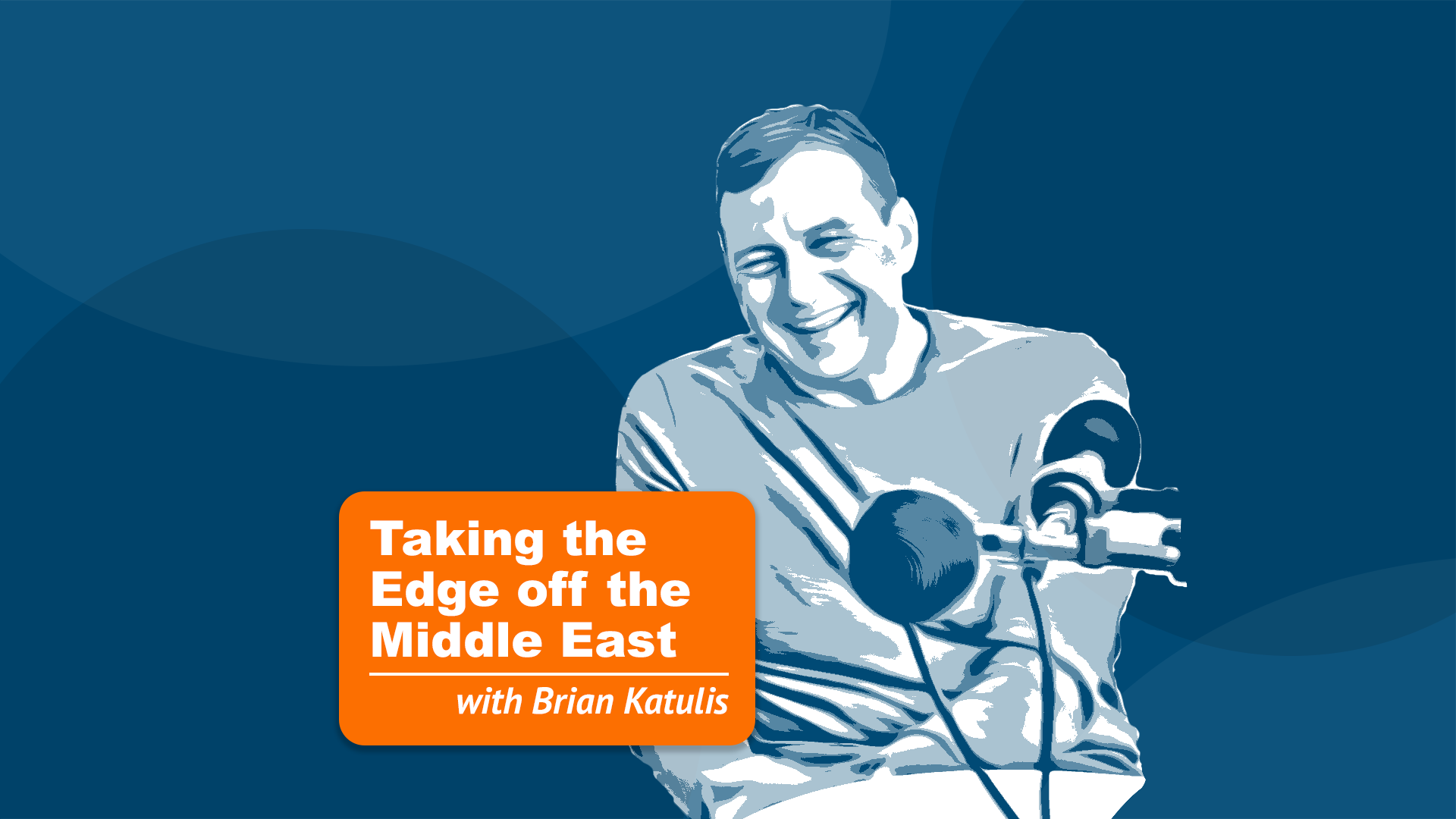
MEI Senior Fellow Brian Katulis engages friends, colleagues, and policy experts in casual conversations on the most important happenings in the Middle East.
The Role of the Middle East in the US-China Race to AI Supremacy
AI is a pivotal catalyst for global innovation, with the United States at the forefront of the development of this transformative technology amid its ongoing great power rivalry with China. This report aims to define the concept of AI supremacy and to revise the US’ AI strategy in accordance with a more comprehensive understanding of it. The report also looks at how the competition has affected actors from the Middle East, namely the UAE and Saudi Arabia, attempting to steer the conversation on the global AI race toward a comprehensive conception of AI supremacy that is anchored in the realities of international affairs and US-China great power competition.
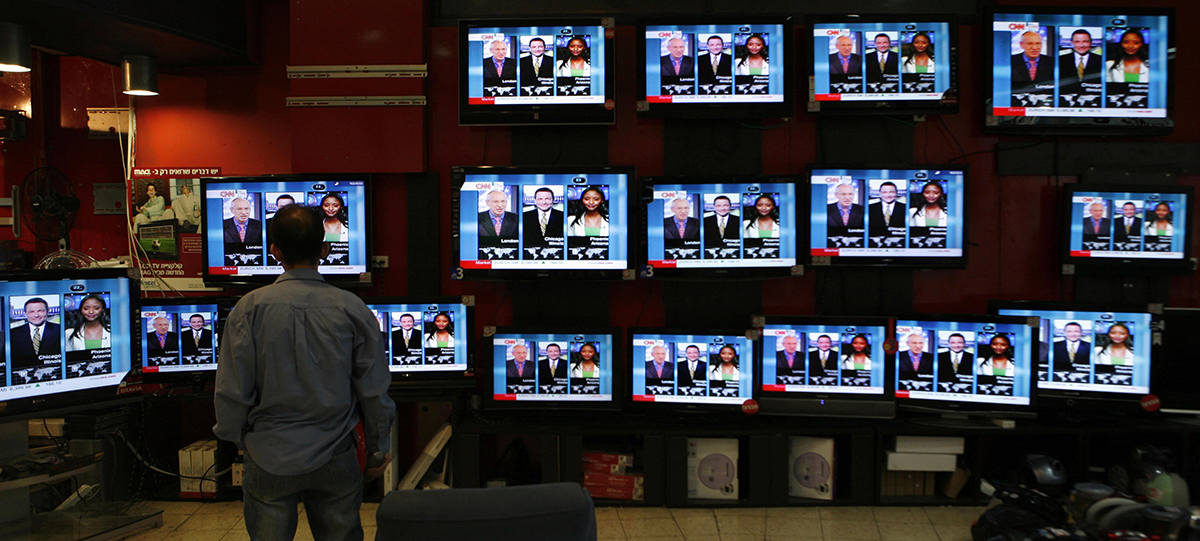
Reshaping the public discourse is key to restoring support for Israeli-Palestinian peace
Supporters of peace, both local civil society actors and international partners, need to make a sustained effort to promote conflict resolution by shifting the public discourse of traditional and new media outlets, especially in Israel.
The Middle East has experienced an extraordinarily tumultuous year, as the ripples from Hamas’ assault on Israel on Oct. 7, 2023, continue to fuel hostilities in Palestine, Lebanon, Syria, Iraq, Yemen, and the waters of the Gulf. Amid all of this, Syria has received very little attention, despite its central role in Iran’s regional agenda. Now the Biden administration is reportedly “hopeful” that Bashar al-Assad will soon permanently block Iran’s ability to support Hezbollah in Lebanon and is postured to reward Damascus for doing so. At best, such calculations should be described as optimistic; at worst, fanciful.
1,000 Days of Russia's Full-Scale War Against Ukraine
Wednesday, November 20, marks a somber anniversary for Ukraine: 1,000 days since Russia’s full-scale invasion of the country. Though the Ukrainians continue to hold out with Western assistance against Russian attacks, the past two-and-a-half years have been devastating for the country and its people. Ukraine now faces another winter at war as momentum appears to be shifting in Russia’s favor. What can the US and its allies do to ensure hostilities end as favorably as possible to Ukraine and in line with American strategic national interests?
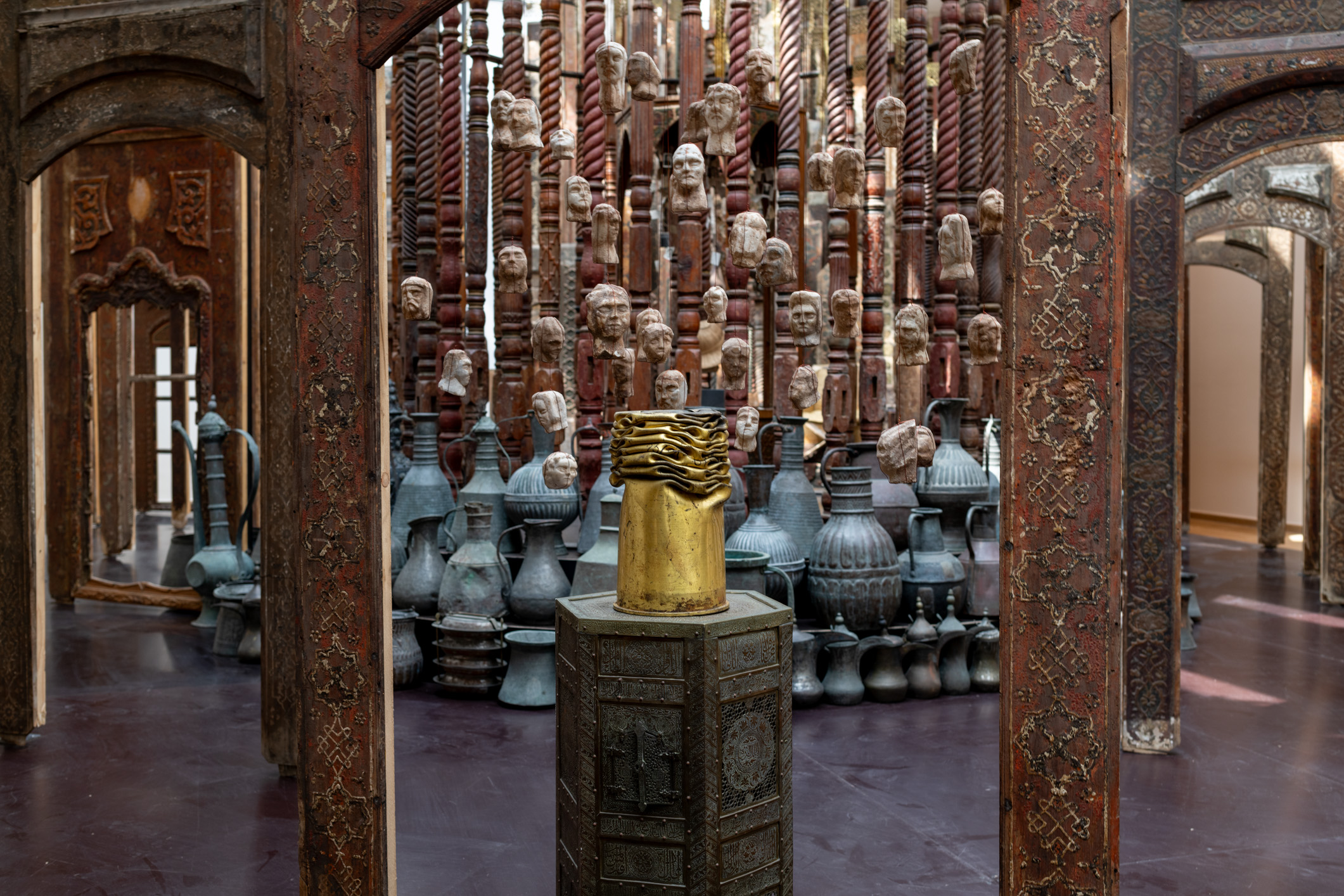
A Glimmer of Hope in a Time of War: The Beirut Museum of Art’s Mission to Heal and Regenerate Lebanon Through Art
Amid the ongoing calamity of war in Lebanon, the country’s cultural scene is determined to work against the odds to keep its heritage and art alive. Among the many projects that are determined to push ahead is the Beirut Museum of Art (BeMA), a museum long in the works whose mission is to preserve the country’s heritage and culture through modern and contemporary art.
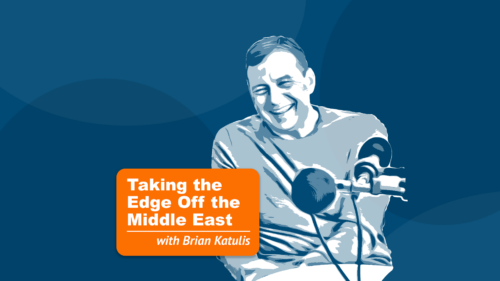
Steven A. Cook | 'Taking the Edge Off the Middle East' Ep. 5
Middle East Focus Presents: ’Taking the Edge Off the Middle East’ with Brian Katulis.
A series of casual conversations with leading policy professionals on the most important happenings in the Middle East today – hosted by MEI’s Senior Fellow for US Foreign Policy Brian Katulis.
Steven A. Cook, Senior Fellow for Middle East and Africa Studies at the Council on Foreign Relations, sits down with Brian to discuss his latest book “The End of Ambition,” their policy outlook with the incoming Trump Administration, and deteriorating discourse in Washington policy circles.
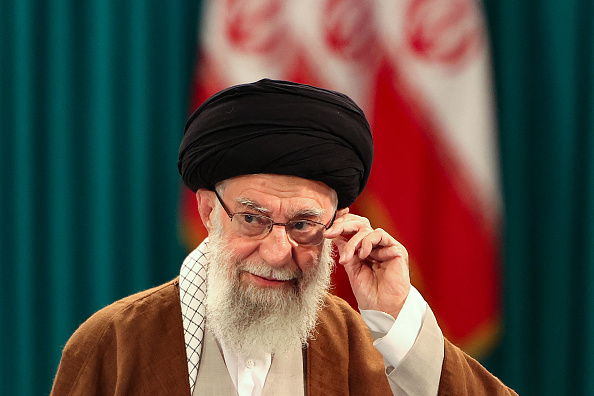
Tehran’s calculations to avoid all-out war with Israel and the US
Under past reformist presidents, Iran repeatedly tried to build a grand bargain deal with the United States, entailing compromises over its nuclear program in return for negotiating spheres of influence across the Middle East. This September, speaking on the sidelines of the United Nations General Assembly meetings in New York, the current reformist president Masoud Pezeshkian confirmed that he was open to direct talks with Washington to end hostilities.
Strained Israel-Jordan ties are further tested by Gaza, but a turnaround is possible
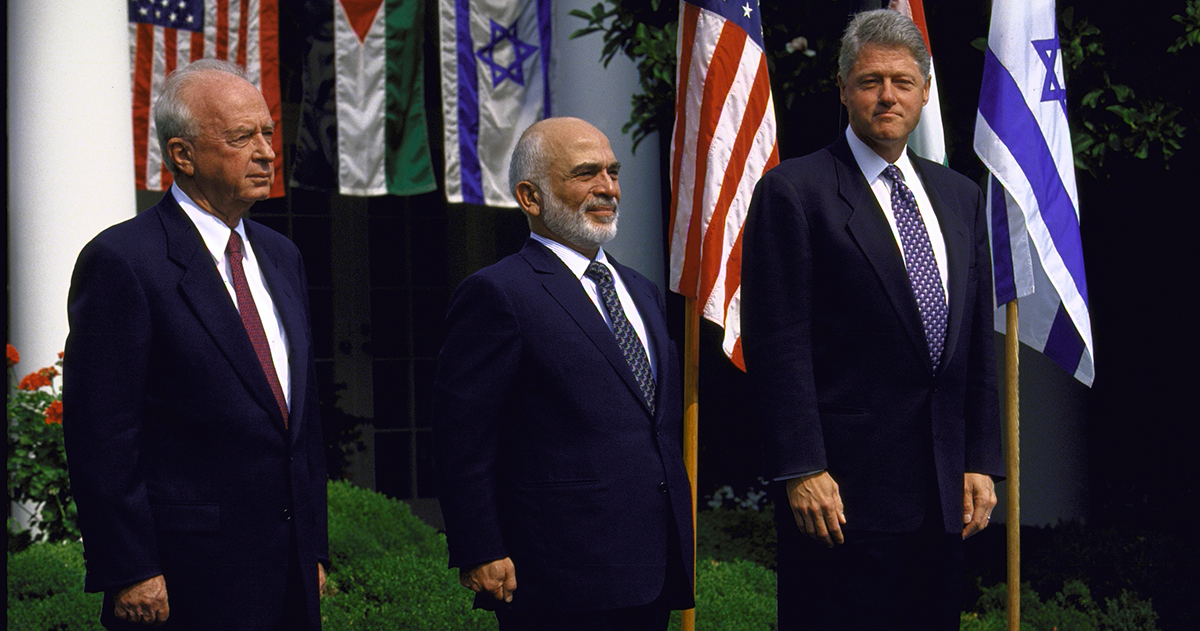
30 years have passed since Israel and Jordan signed a peace treaty on Oct. 26, 1994. But instead of celebrations, this anniversary was largely marked by disappointment and even despair. Relations, it is claimed, are at an all-time low and the future prospects seem bleak, as the war in Gaza continues and peace between Israelis and Palestinians seems more distant than ever. However, Israel-Jordan relations have proven resilient, even in the face of the current crisis, and the two countries continue to advance vital shared interests.
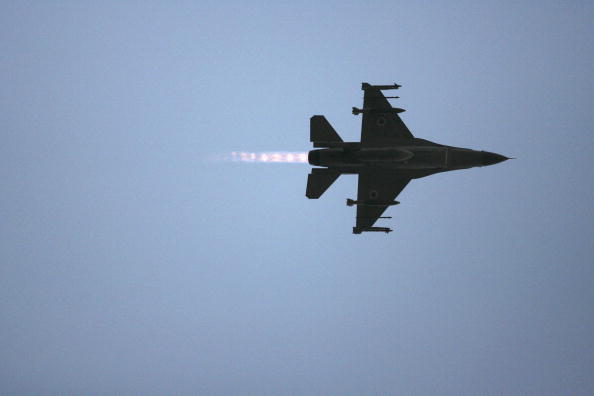
The multiple wars that have erupted since Oct. 7, 2023, have already changed the strategic landscape in the Middle East — and more change is likely to follow.
How Donald Trump might tackle the Middle East in 2025
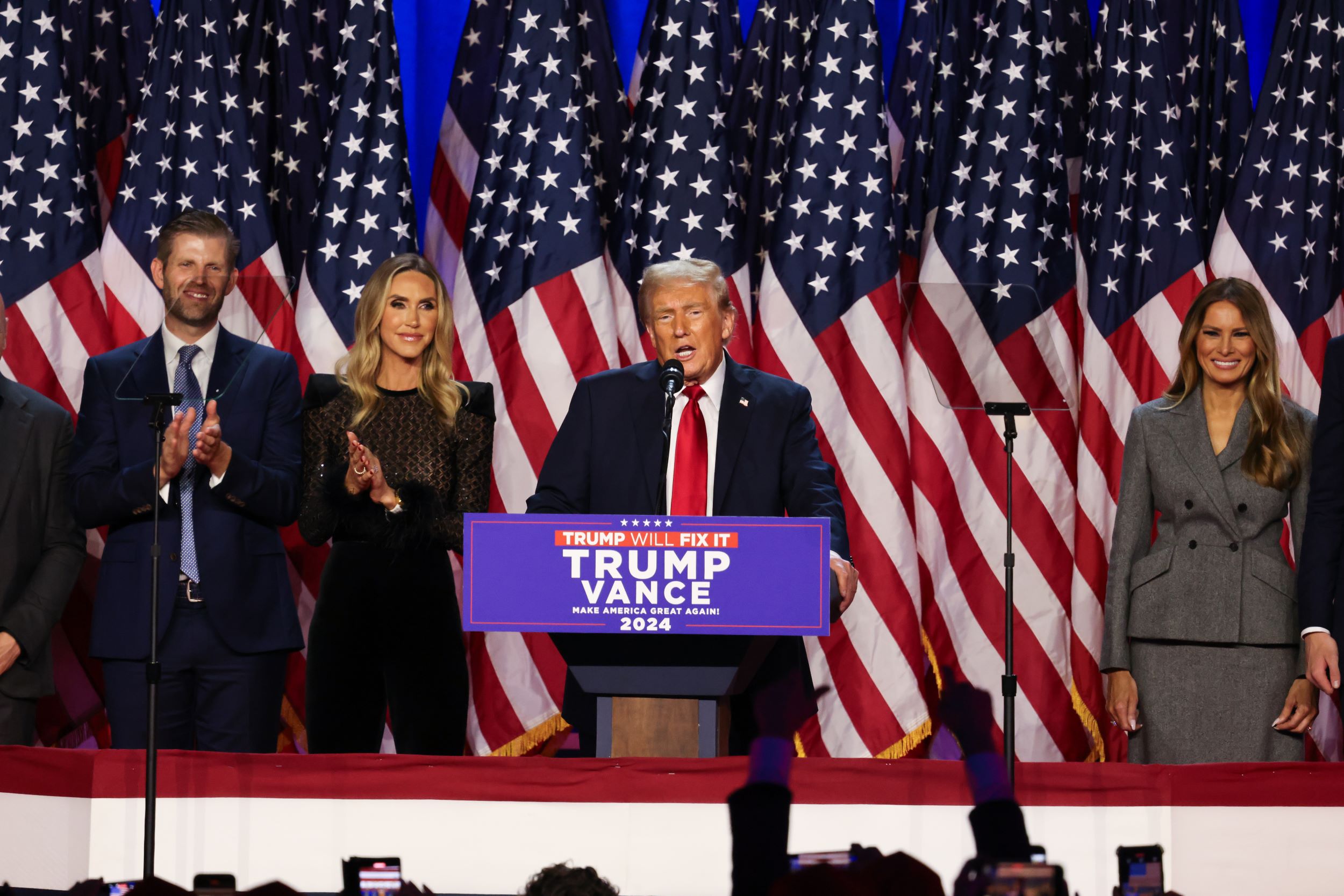
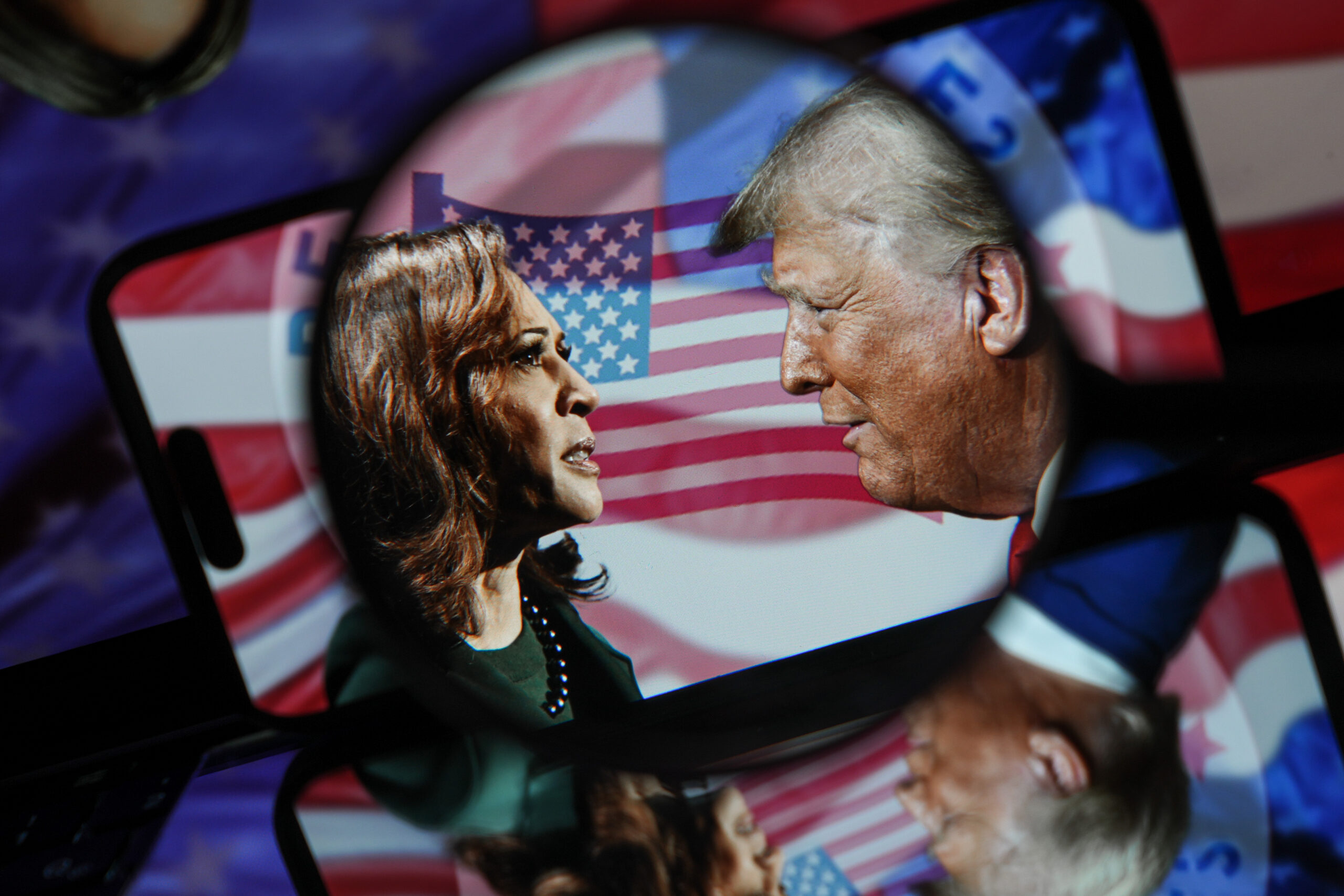
it is possible to extrapolate how the incoming second Trump administration may respond to the complex situation in the Middle East by examining the president-elect’s record during his first term, what he has said since, as well as public statements of his running-mate, Sen. J. D. Vance. Two main issues are likely to dominate Donald Trump’s regional agenda when he comes to power: Iran and Israeli-Palestinian affairs.
After Oct. 7, Israeli and Palestinian civil societies’ pro-peace role is more important than ever
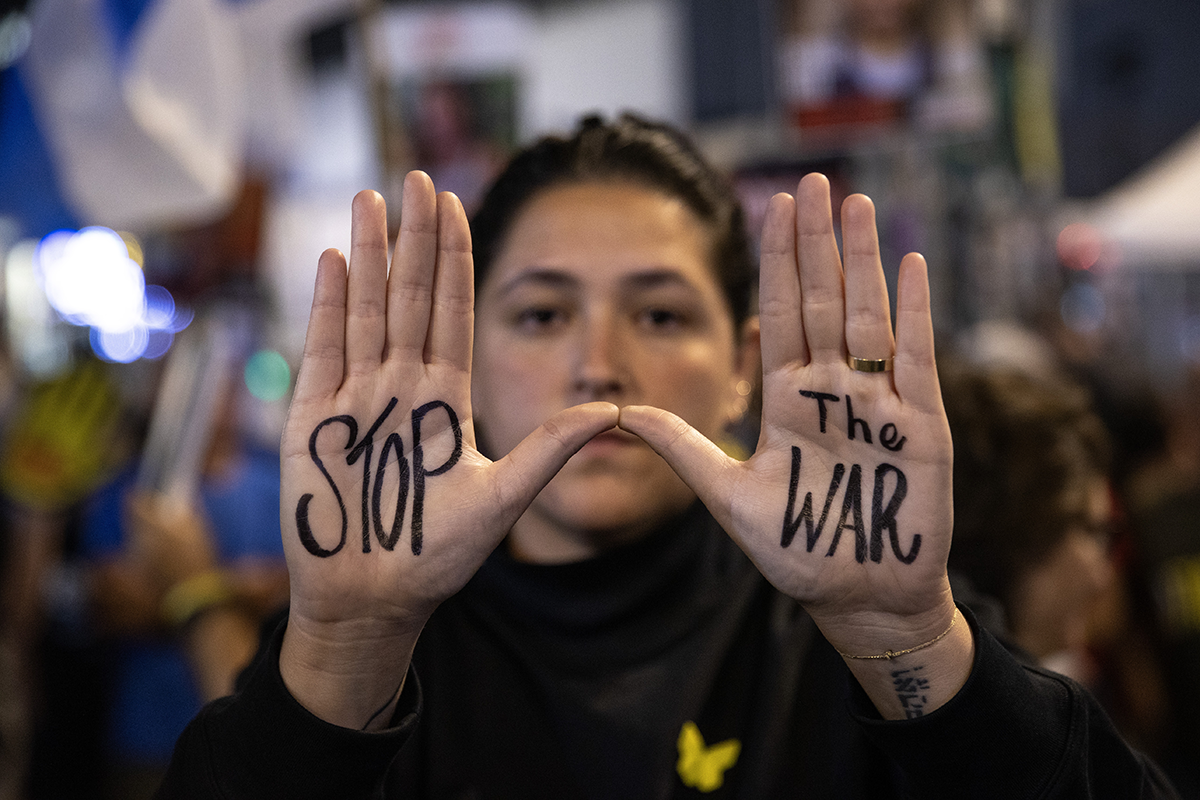
The devastating conflict that erupted on Oct. 7, 2023, dealt a near-fatal blow to efforts by Israeli and Palestinian civil society organizations, leaving both sides feeling as though they have returned to square one. The unprecedented violence and severity of the war have profoundly altered the consciousness of both Israelis and Palestinians, reinforcing a sense of existential struggle. Efforts to engage the public must contend with a hardening of positions and sentiment.
Ukraine’s role in the Black Sea: Navigating a geopolitical crossroads
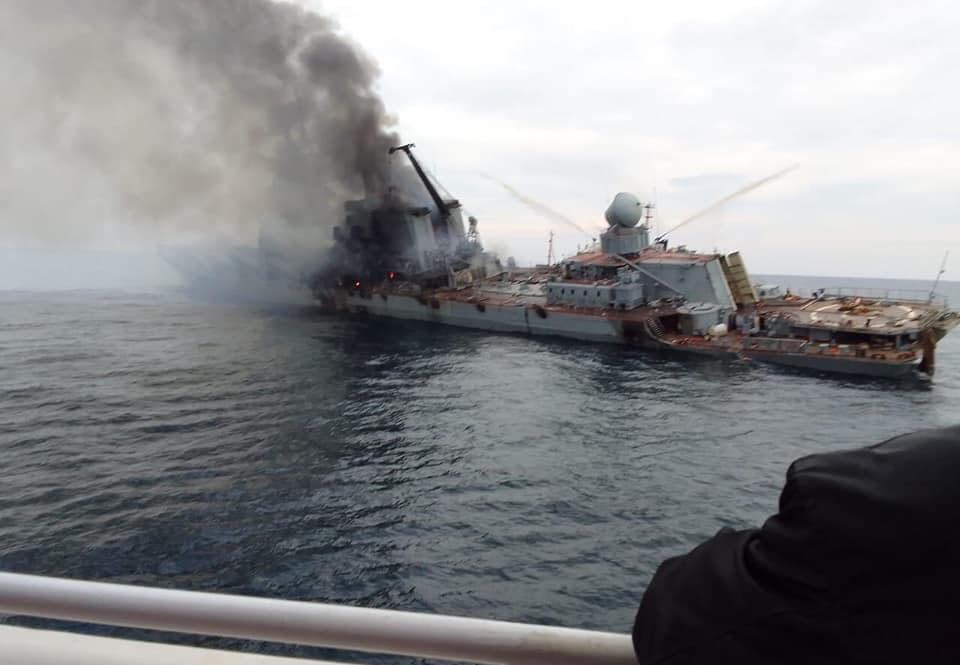
The Black Sea has recently become one of the world’s most important dynamically shifting geostrategic maritime areas, with Ukraine playing a crucial role in upending the naval balance of power there. Ukraine’s efforts to push back against Russia, bolstered by Western military aid, have challenged the status quo and reshaped the region’s security landscape.
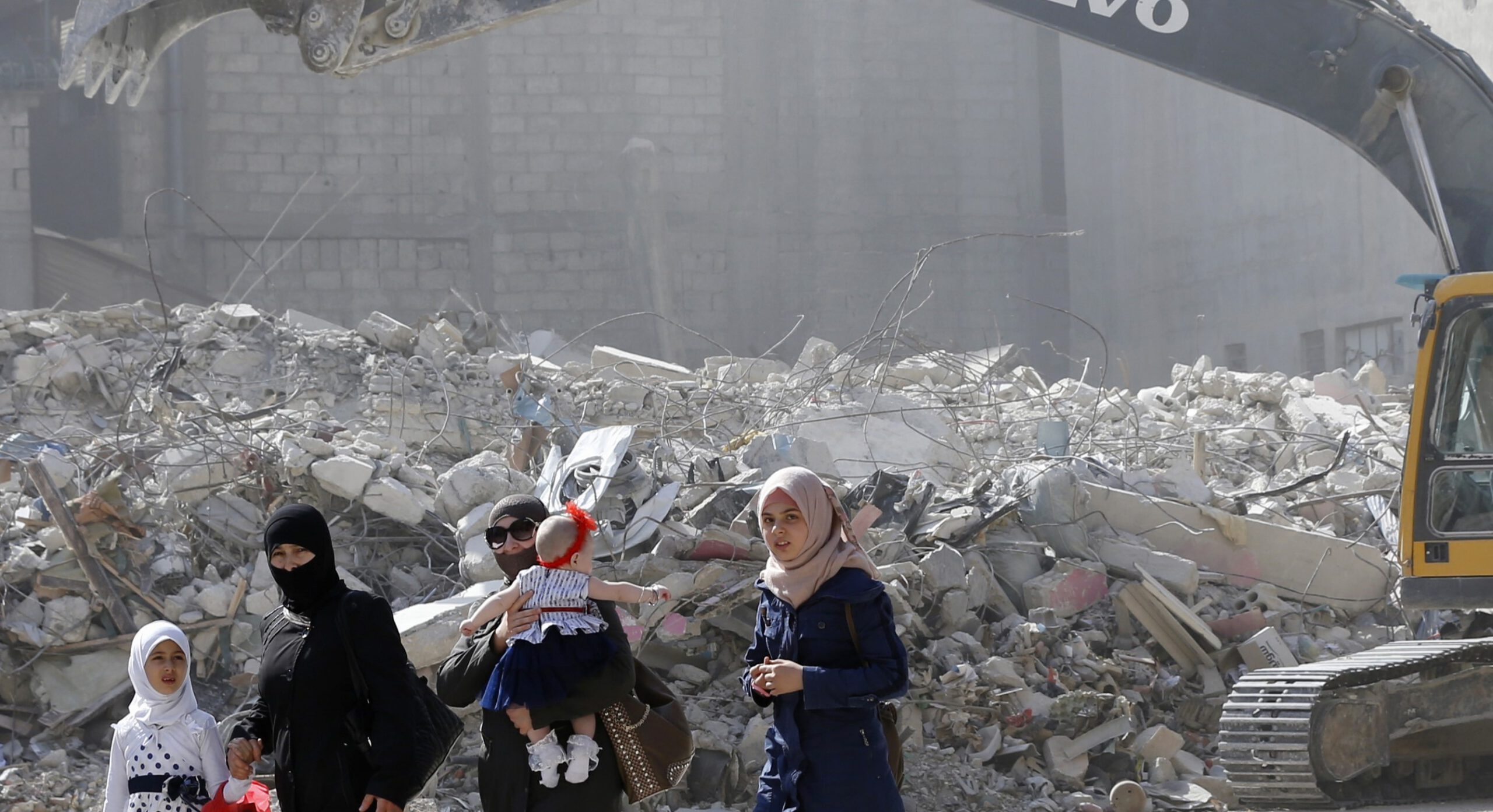
Early recovery and rehabilitation in regime-controlled areas of Syria: An assessment
The following is a short abstract, offering the main analytical findings and policy takeaways from a newly released Middle East Institute report on post-war reconstruction in Syria.
The oldest peer-reviewed publication dedicated to the study of the modern Middle East, MEI’s flagship journal covers politics, society, and culture in the region.