MINURSO’s Future: What the Security Council’s Choice May Reveal
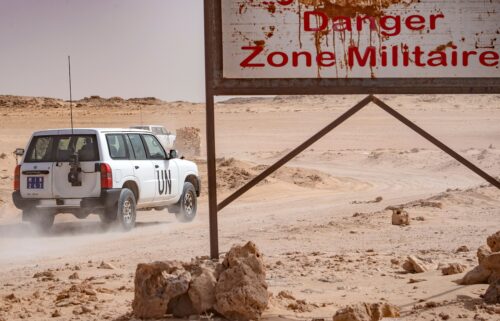
As the United Nations Security Council (UNSC) approaches the October 31 renewal deadline of the UN Monitoring Mission in Western Sahara (MINURSO), the mission’s longer-term future remains uncertain. Another largely unchanged renewal remains a likely immediate outcome. But beyond that holding pattern, three possible scenarios are also on the table.
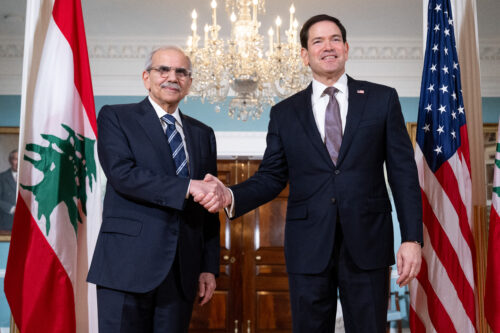
How Lebanon can be Trump’s first success in a troubled region
The Trump administration has done more than any of its predecessors to restore sovereignty for a much traumatized nation, Lebanon. The Israel Defense Forces’ operations in 2024 against Hezbollah decimated that organization, long the “A Team” in global terror.
Kim Ghattas on a Murder That Explains the Middle East
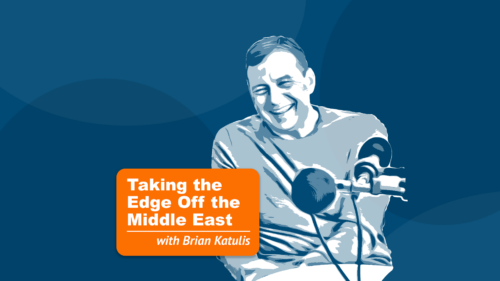
Brian sits down with author and Emmy Award-winning journalist Kim Ghattas to talk about her new book, The Best Kind of American, which tells the story of the 1984 assassination of Malcolm Kerr, then president of the American University of Beirut. They discuss her inspiration for the project, what Kerr’s murder revealed about the Middle East at the time, and why his story still resonates four decades later.
Since 1967, Israeli settlements in the West Bank have been a contested feature of the Israeli-Palestinian conflict. The ultimate disposition of the settlements and ongoing activity related to their growth have repeatedly defied agreement in negotiations over a resolution to the conflict.
The Houthis are a political-military faction and Zaydi religious movement founded in northwestern Yemen in the 1980s. A key member of Iran’s Axis of Resistance with links to other militant organizations in the Arabian Peninsula and the Horn of Africa, the group has continued to pose a threat to Western interests on a global scale.
The India-Middle East-Europe Economic Corridor (IMEC) is a proposed multinational infrastructure initiative aimed at upgrading connectivity between the three regions through integrated trade, energy, and digital networks. Announced at the G20 summit in New Delhi in September 2023, IMEC is envisioned partially as a counterweight to China’s international infrastructure project, the Belt and Road Initiative.
After a decade of post-Arab Spring isolation, Turkey’s leaders have recognized that their ambition to position the country as an agenda-setter on the world stage requires active engagement in all directions. President Recep Tayyip Erdoğan’s consolidation of executive authority has centralized foreign policy decision-making and tied it to his domestic political priorities, transforming the country’s revisionist approach to one shaped primarily by personal and pragmatic interests.
MEI Senior Fellow Brian Katulis engages friends, colleagues, and policy experts in casual conversations on the most important happenings in the Middle East.
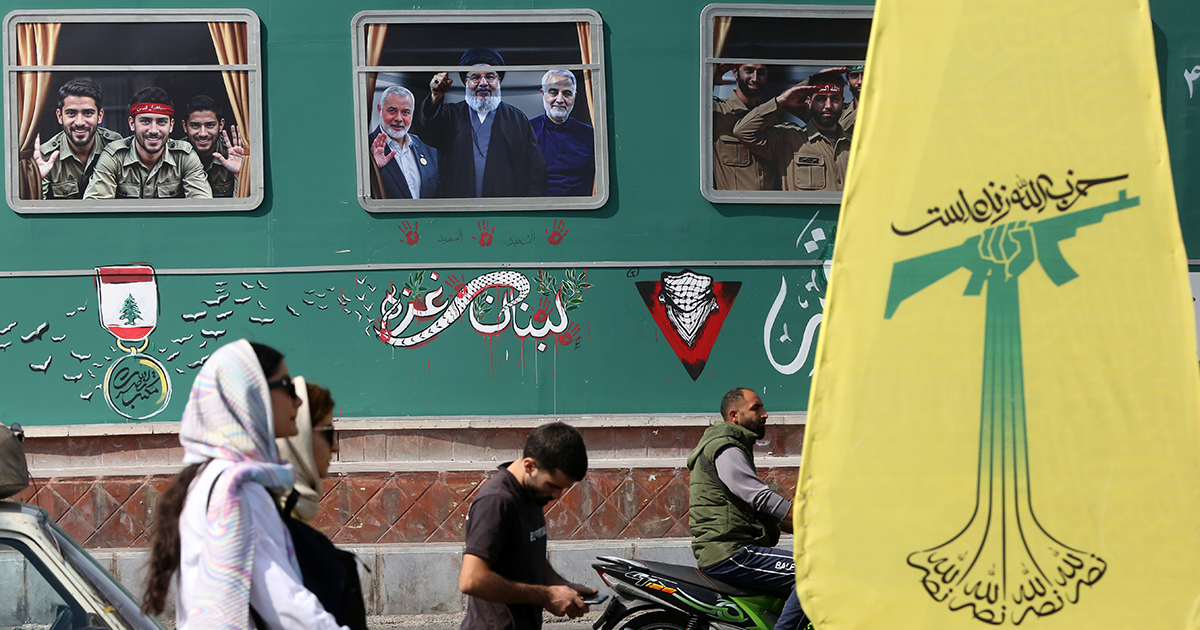
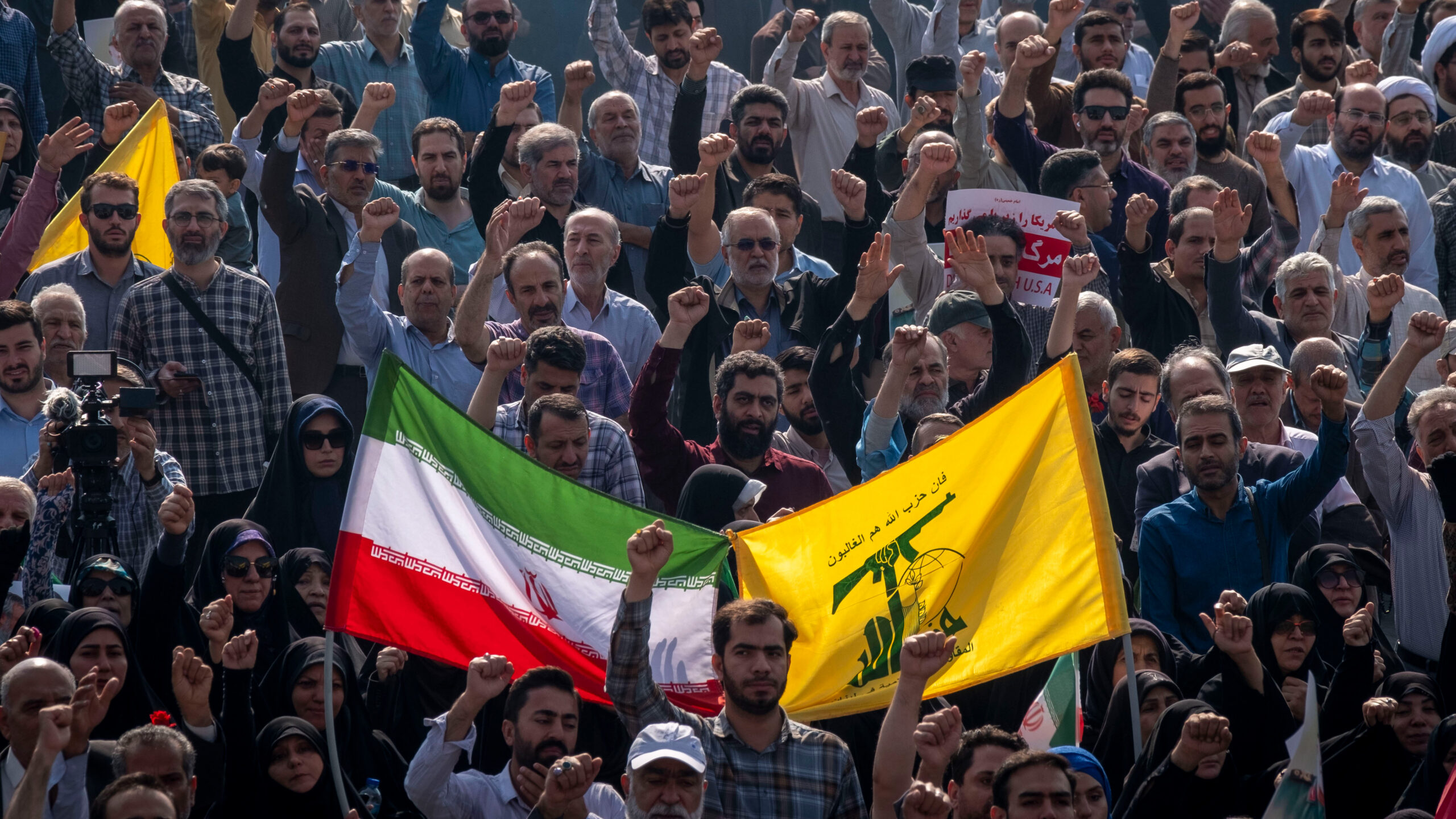
Over the past month, Iran and its regional network of allies and proxies – The Axis of Resistance – has suffered a string of dramatic losses and defeats. What is the future of the Axis and its members, and what can the US and its allies do to confront and disrupt this Iranian-led network?
'Fight big or think big': How the Middle East can pull back from the brink
If war is the continuation of politics by other means and every conflict is a symptom of a deeper unresolved contradiction, the violence of the past year – as well as the current direct confrontation between Israel and Iran – are the result of two deep and unresolved political problems.
These are the denial of Palestinians’ basic rights amid long-term Israeli occupation and Iran’s rejection of the basic rules of international law, as well as its insistence on maintaining a string of militias in broken Arab states from Lebanon to Yemen.
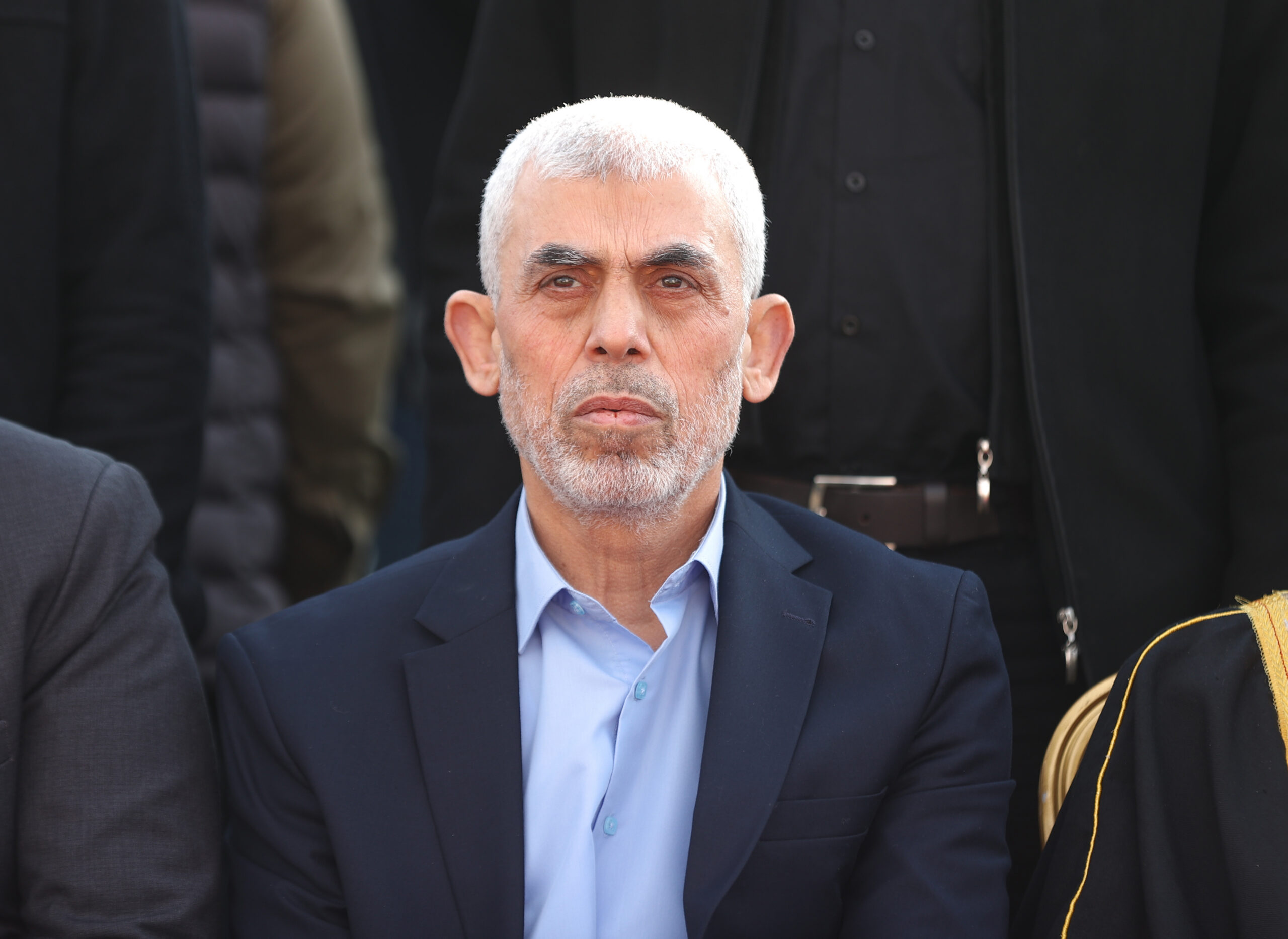
Israel has confirmed the death of Yahya Sinwar, chairman of the Hamas Political Bureau and Hamas leader in the Gaza Strip. Sinwar was one of the chief architects behind Hamas’ attack on Israel on Oct. 7, 2023, and has been a key Israeli target throughout the Gaza war.
Key takeaways from new polling on Iran’s foreign policy and regional role
Arash Ghafouri and Alex Vatanka break down key takeaways from a new survey conducted by Stasis Consulting among Iranians living in Iran on Tehran’s foreign policy, regional influence, and diplomatic relations.
New polling highlights Iranians’ views on Iran’s foreign policy and regional role
The results of the latest public opinion survey from Stasis Consulting provide key insights into how Iranians view Tehran’s foreign policy, regional influence, and diplomatic relations at a time of heightened tensions in the Middle East, including how they perceive the economic costs of Iran’s current approach and its support for its regional proxy groups.
Kurdish elections arrive — finally, and with challenges
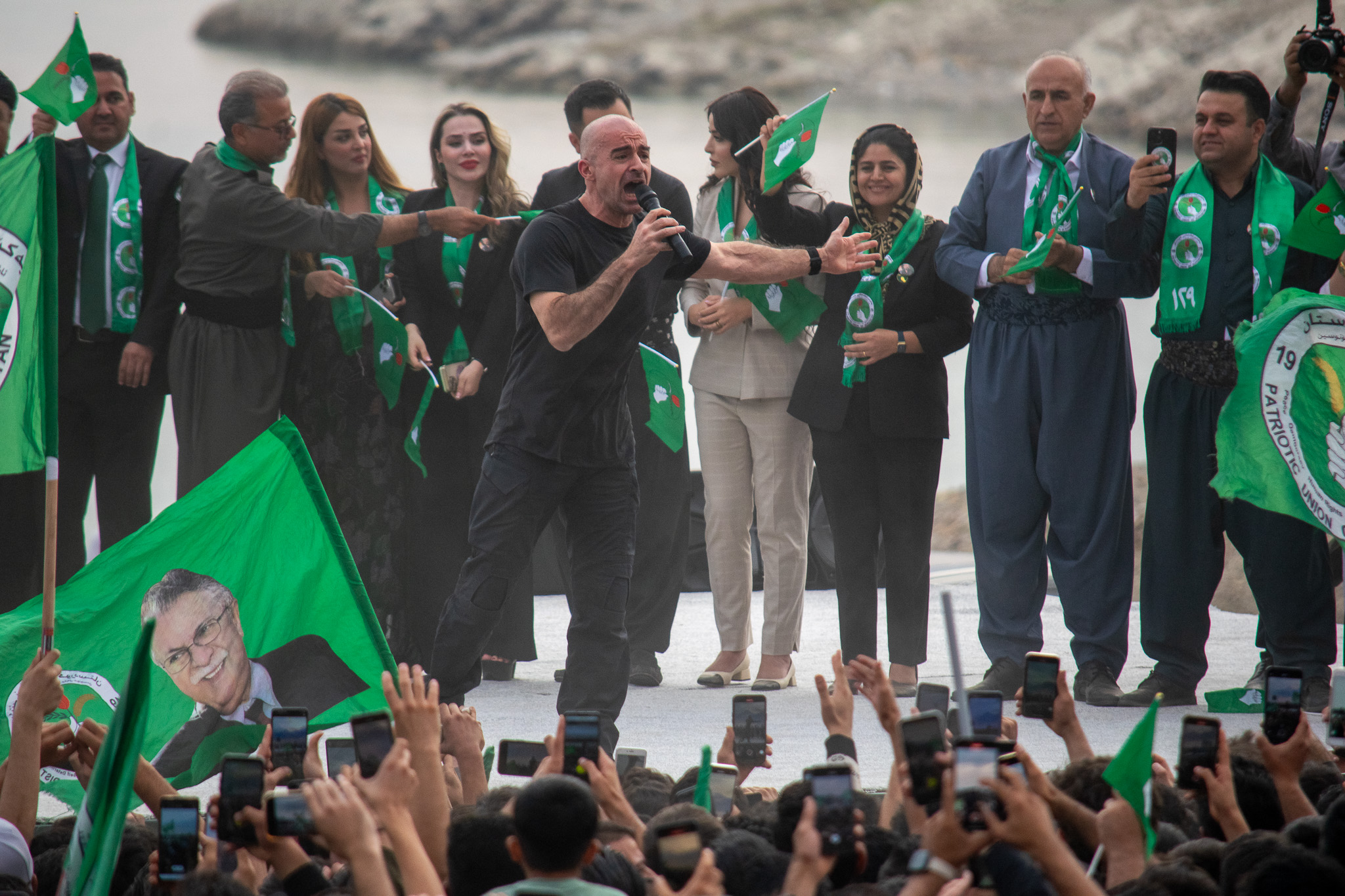
Iraq’s Kurdistan Region will hold elections for its devolved parliament for the first time since 2018, on Oct. 20. The polls are more than two years late and come at a time of major economic and political challenges for the semi-autonomous zone.
Iran’s missile attack on Israel on Oct. 1, 2024, marked a significant escalation in the ongoing regional tensions. This assault, reportedly involving 180 missiles, was the Islamic Republic of Iran’s largest yet against Israel, targeting military and security sites in retaliation for Israeli assassinations of leaders of Hezbollah and Hamas in Tehran and Beirut. Iranian officials framed the attack as an act of self-defense, warning that further Israeli actions could provoke even stronger retaliation from Tehran.
A year ago, in the wake of Hamas’s Oct. 7 attack, U.S. President Joe Biden traveled to Tel Aviv and met with Israeli Prime Minister Benjamin Netanyahu to reiterate his administration’s unwavering support for Israel. Biden’s embrace of Netanyahu was rooted in the belief that only positive inducements and constant reassurances—both militarily and diplomatically—could restrain Israel’s actions in Gaza. In reality, though, this “bear hug” diplomacy has resulted in an unmitigated failure.
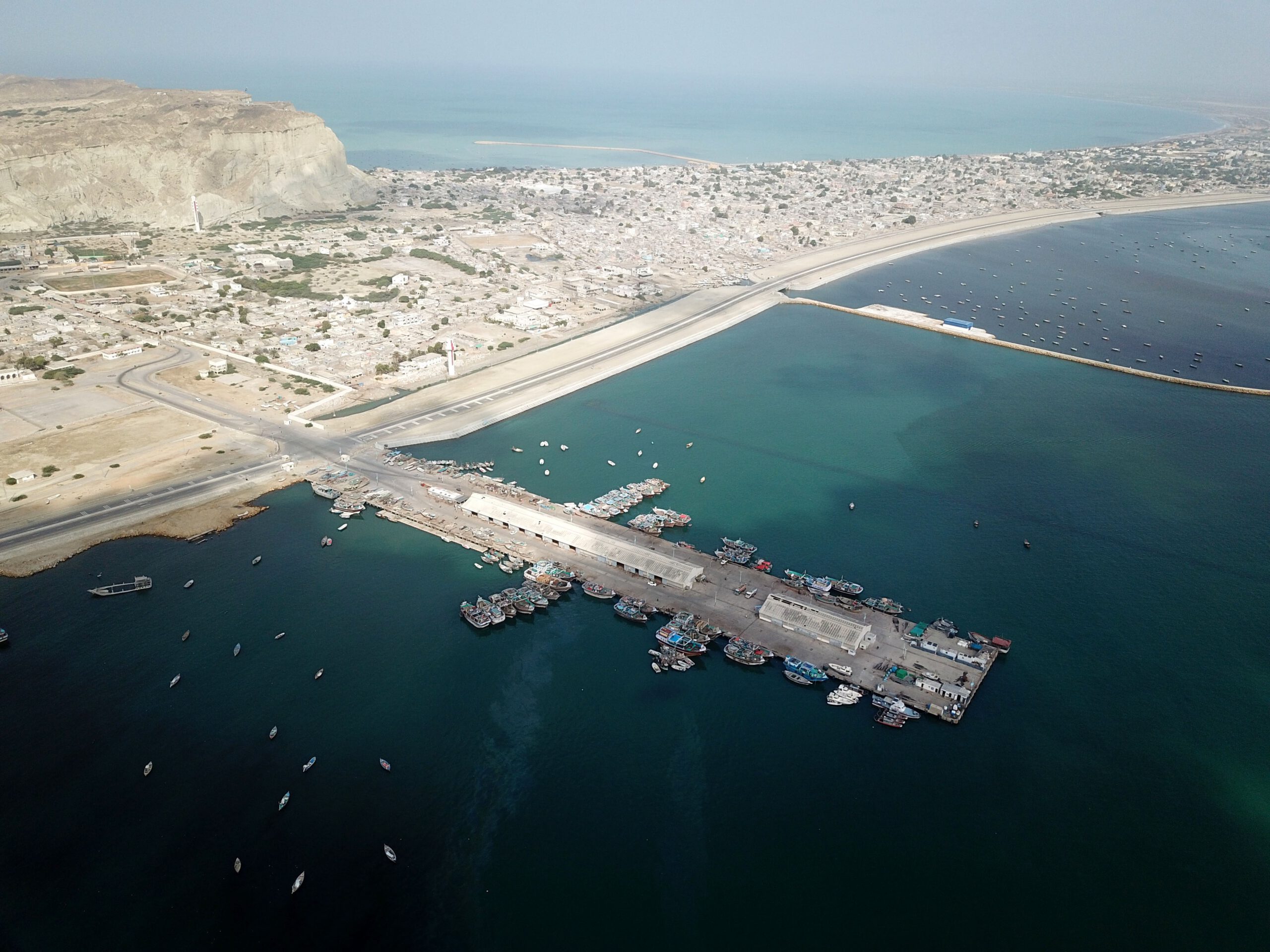
The strategic alliance between Pakistan and China, driven largely by opportunism and geostrategic interests, seems unshakable. However, the extent of its mutual benefit remains under scrutiny, especially for Islamabad, whose reliance on Beijing continues to deepen. Although China claims to base its foreign policy interactions on five key principles — respect for sovereignty, non-aggression, non-interference, equality and mutual benefit, and peaceful coexistence — its dealings with Pakistan indicate an unequal power dynamic that primarily serves its own interests. This imbalance in the Pakistan-China strategic alliance has led to a situation in which Islamabad’s autonomy is increasingly curtailed, and its vulnerability to Beijing’s influence is becoming more apparent.
Gen. Khalil Helou and Dr. Paul Salem speak with MEI’s US-Lebanon Fellow Fadi Nicholas Nassar on the unraveling Israel-Hezbollah conflict, the role of the Lebanese Armed Forces during this critical moment, and the prospects of a political solution in Lebanon and the wider region.
From Nasrallah to Khamenei: The power vacuum shaping the Middle East
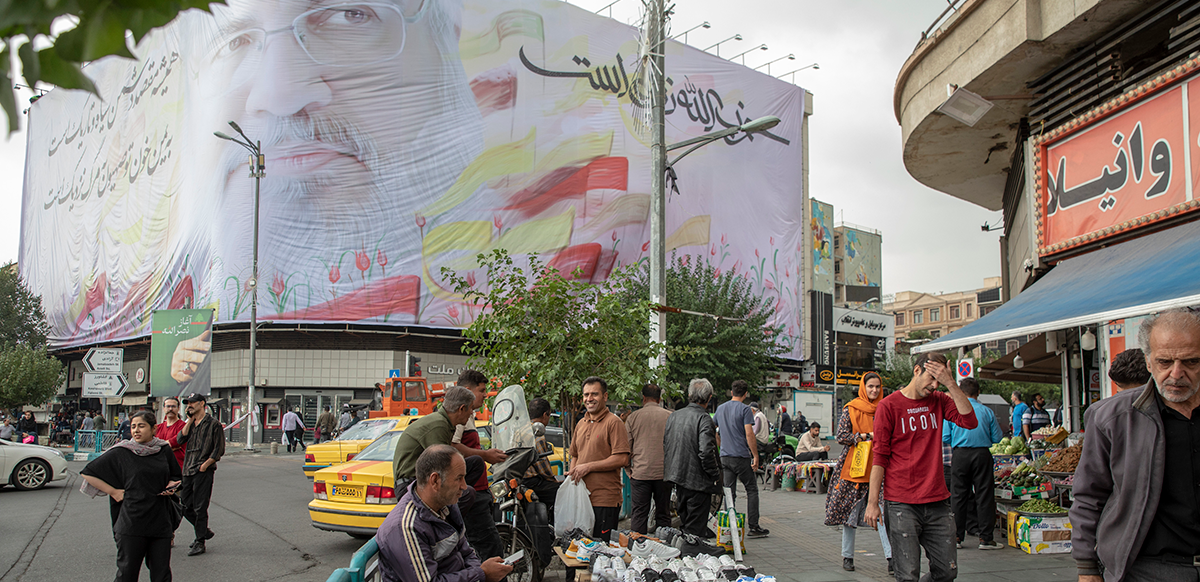
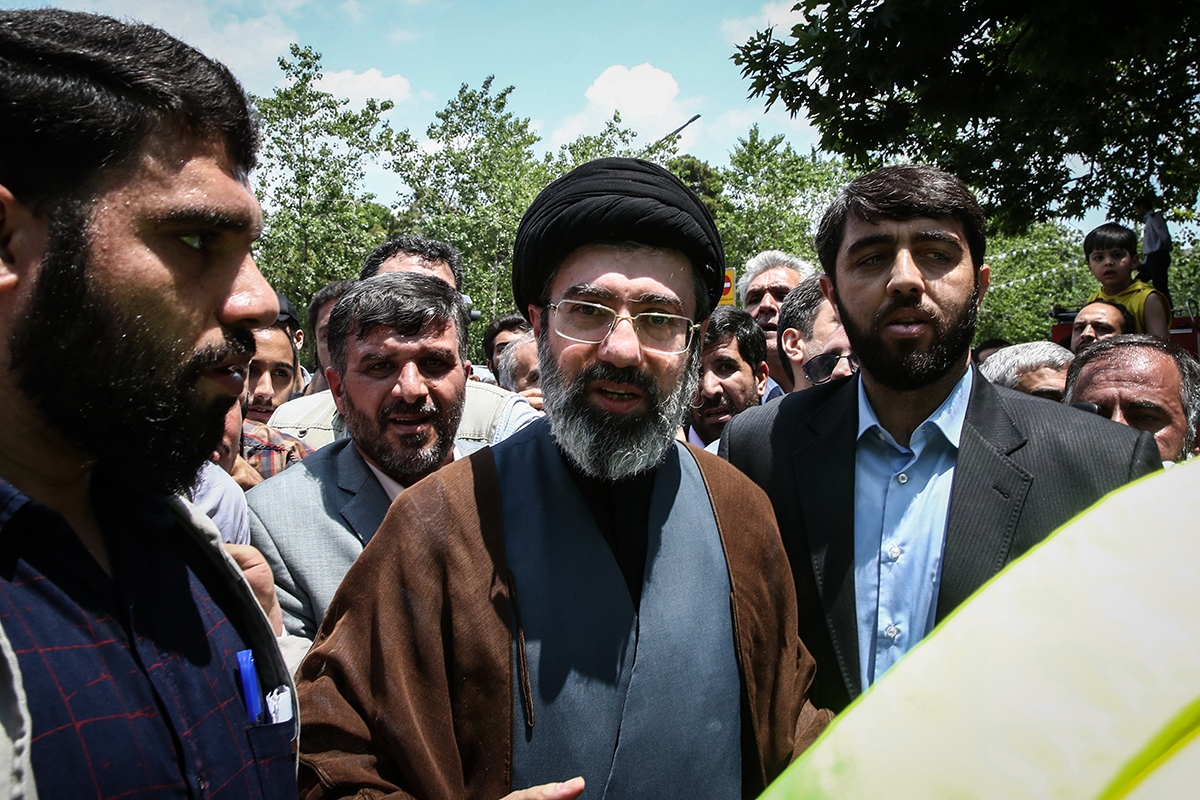
Israel’s targeted killing of Hezbollah Secretary-General Hassan Nasrallah has not only caused a succession crisis for Hezbollah, but has also highlighted the problem of succession for the Islamic Republic of Iran. Coupled with the death of President Ebrahim Raisi in a helicopter crash earlier this year, Nasrallah’s assassination has scrambled the dynamics of the supreme leadership transition with an aging 85-year-old Ayatollah Ali Khamenei at the helm, and is likely the reason his son, Mojtaba Khamenei, a key figure in the Office of the Supreme Leader, has recently emerged from the shadows.
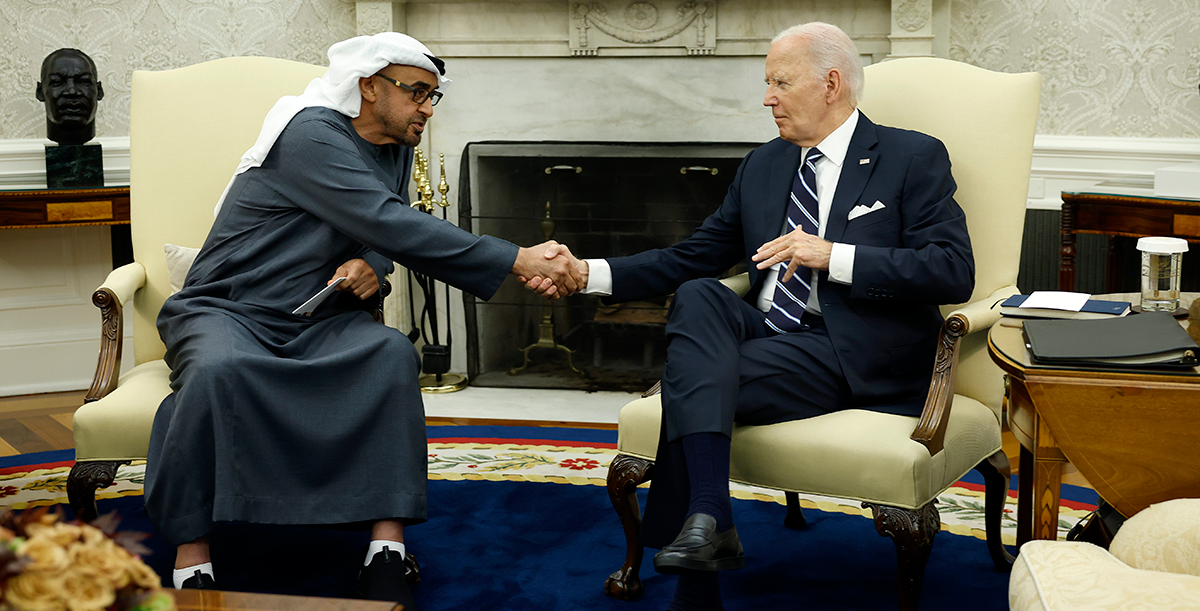
The UAE and US elevate tech to a cornerstone of their relationship
When President Mohamed bin Zayed Al Nahyan (MbZ) of the United Arab Emirates visited the White House on Sept. 23, the joint US-UAE statement was one of the most extensive yet covering pledges to cooperate on nearly every technological sector and signaling a clear goal to shift the bilateral relationship away from hydrocarbons.
The oldest peer-reviewed publication dedicated to the study of the modern Middle East, MEI’s flagship journal covers politics, society, and culture in the region.