Skip to Content

Research & Commentary

Read in-depth research, analysis, and commentary from MEI’s fellows and experts on the Middle East. 

Trump’s South Caucasus Peacemaking Is His Most Successful, but It Remains Unfinished
  • Commentary
  • Trump’s South Caucasus Peacemaking Is His Most Successful, but It Remains Unfinished

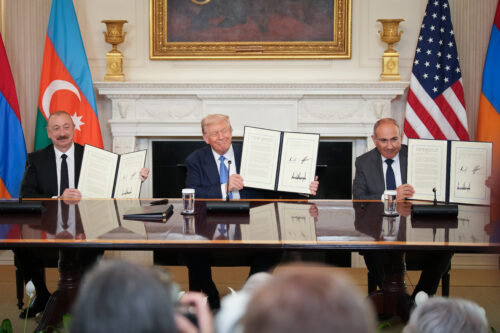
    Of all the fronts in President Trump’s peacemaking agenda, the South Caucasus has delivered the most concrete results. The August 2025 Washington Declaration, signed between Armenia and Azerbaijan and witnessed by Trump, marked an important step toward peace in the region. The two sides initialed a peace agreement and advanced plans to unblock regional connectivity, including through the establishment of the Trump Route for International Peace and Prosperity (TRIPP), which would connect Azerbaijan to its Nakhijevan exclave through southern Armenia. Implementation of TRIPP has since made notable progress, but construction has yet to start. A breakthrough on those two tracks would, in turn, unlock Armenia–Türkiye normalization, transforming a long-fractured region into an area of trade and interdependence.
    The Iran War Was Always About Regime Change
  • Commentary
  • The Iran War Was Always About Regime Change

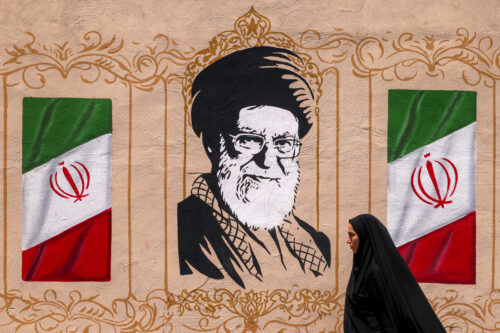
    Wars don’t just end. They get interpreted, reinterpreted, and turned into strategic doctrine. That is what happened after the Iran-Iraq War of the 1980s, a conflict that saw the United States back Tehran’s Iraqi adversaries. The war taught Tehran three lessons it never unlearned: that Washington wants the Islamic Republic gone, that Iran stands essentially alone in the world, and that it cannot survive a direct, overt fight with the U.S. and Israel.

    Iran’s New War Cabinet Is Really an Old One
  • Analysis
  • Iran’s New War Cabinet Is Really an Old One

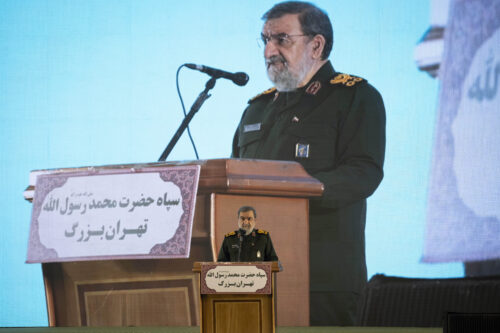
    Within 48 hours this week, Iran filled six of the most important posts in its battered military and security establishment. Read together with the biographies and mandates behind them, the appointments show how Tehran is drawing lessons from successive wars and preparing for a prolonged period of insecurity, without proving it has abandoned negotiation.

    Additional Research & Commentary

    Backgrounders

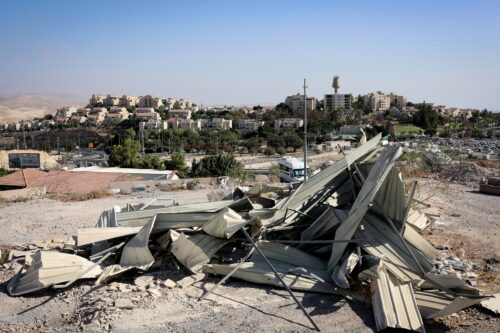
    Israeli Settlements in the West Bank
  • Backgrounder
  • Israeli Settlements in the West Bank

    Since 1967, Israeli settlements in the West Bank have been a contested feature of the Israeli-Palestinian conflict. The ultimate disposition of the settlements and ongoing activity related to their growth have repeatedly defied agreement in negotiations over a resolution to the conflict.

    June 9, 2026

    The Houthis
  • Backgrounder
  • The Houthis

    The Houthis are a political-military faction and Zaydi religious movement founded in northwestern Yemen in the 1980s. A key member of Iran’s Axis of Resistance with links to other militant organizations in the Arabian Peninsula and the Horn of Africa, the group has continued to pose a threat to Western interests on a global scale.

    May 15, 2026

    The India-Middle East-Europe Economic Corridor
  • Backgrounder
  • The India-Middle East-Europe Economic Corridor

    The India-Middle East-Europe Economic Corridor (IMEC) is a proposed multinational infrastructure initiative aimed at upgrading connectivity between the three regions through integrated trade, energy, and digital networks. Announced at the G20 summit in New Delhi in September 2023, IMEC is envisioned partially as a counterweight to China’s international infrastructure project, the Belt and Road Initiative.

    June 3, 2026

    Turkish Foreign Policy
  • Backgrounder
  • Turkish Foreign Policy

    After a decade of post-Arab Spring isolation, Turkey’s leaders have recognized that their ambition to position the country as an agenda-setter on the world stage requires active engagement in all directions. President Recep Tayyip Erdoğan’s consolidation of executive authority has centralized foreign policy decision-making and tied it to his domestic political priorities, transforming the country’s revisionist approach to one shaped primarily by personal and pragmatic interests.

    April 23, 2026

    Podcasts

    Middle East Focus

    MEI’s flagship weekly podcast on US foreign policy and contemporary political and social issues in the Middle East.

    Taking the Edge Off the Middle East

    MEI Senior Fellow Brian Katulis engages friends, colleagues, and policy experts in casual conversations on the most important happenings in the Middle East. 

    Rethinking Democracy

    MEI Senior Fellow Gonul Tol hosts leading scholars and thought leaders on global democracy trends and the state of the liberal international order. 

    Filter by
    8783 Results
    Respecting Afghanistan’s Sovereignty
    Middle East Institute
  • Analysis
  • Respecting Afghanistan’s Sovereignty

    Originally posted December 2009

    Respect for Afghanistan’s sovereignty is a sine qua non condition to restoring the country to normalcy. The fact that a country expects and demands that its sovereignty be respected should not be misconstrued as a refusal to engage the outside world — as a sign that the country is drifting towards some type of chauvinistic nationalism.

    April 18, 2012

    Containment: A Viable Strategy for Iran?
  • Video
  • Containment: A Viable Strategy for Iran?

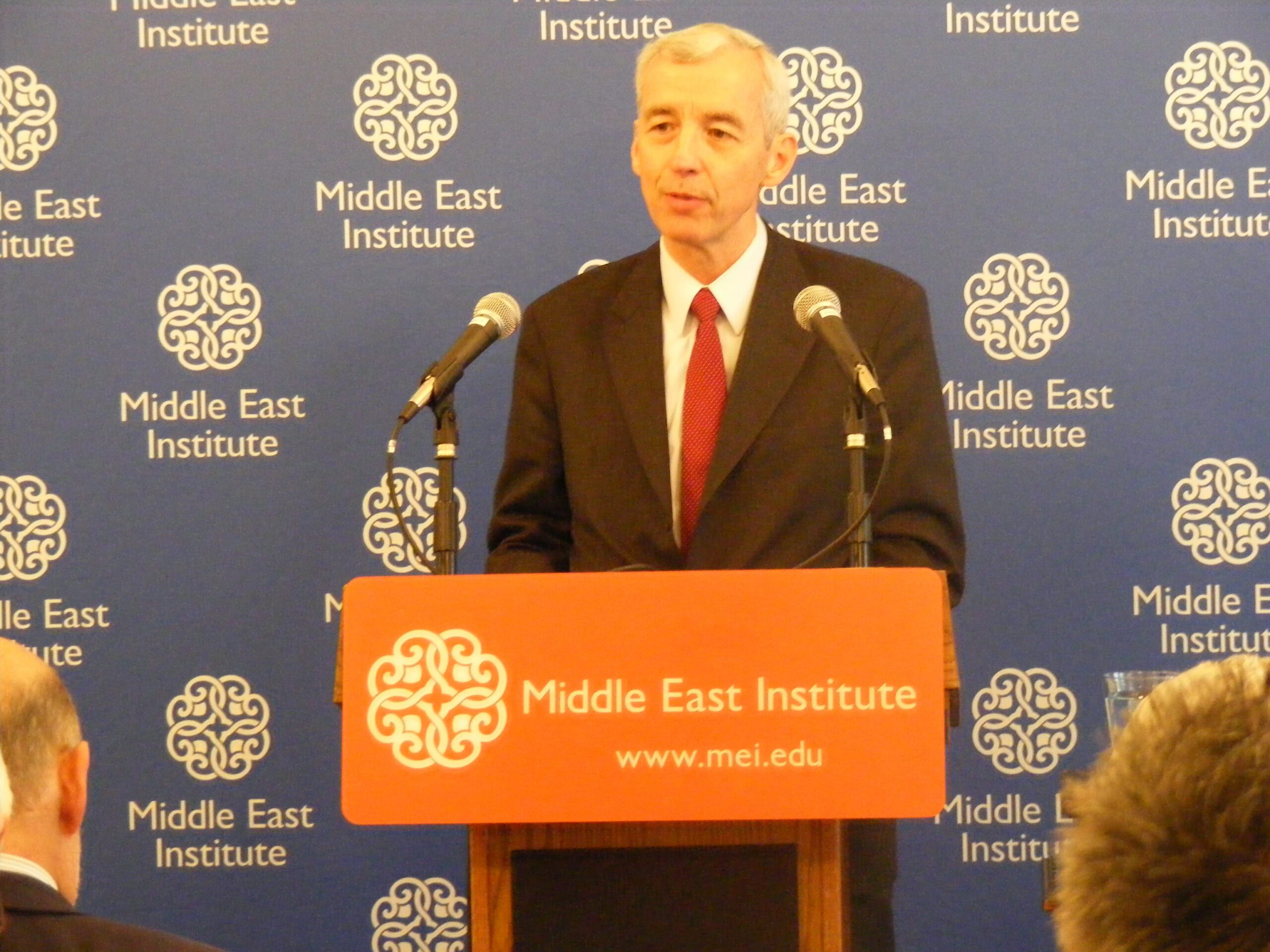
    The Middle East Institute is proud to host Georgetown University professor Paul Pillar for a discussion about Iran and how best to address its nuclear ambitions. Pillar argues that the acceptable range of opinion on Iran has narrowed around the idea that all options, including a military strike, must be pursued to prevent the country from acquiring nuclear weapons. And yet, Pillar argues, if the combination of nuclear talks and sanctions do not yield the outcome the West and Israel seek, containment is preferable to war.

    April 18, 2012

    The Death of the Buddhas of Bamiyan
    Middle East Institute
  • Analysis
  • The Death of the Buddhas of Bamiyan

    Originally posted December 2009

    The 2001 destruction of the two giant Buddhas in Bamiyan is, by far, the most spectacular attack against the historical and cultural heritage of Afghanistan committed during the country’s recent period of turmoil.

    April 18, 2012

    Symmetrism
  • Analysis
  • Symmetrism

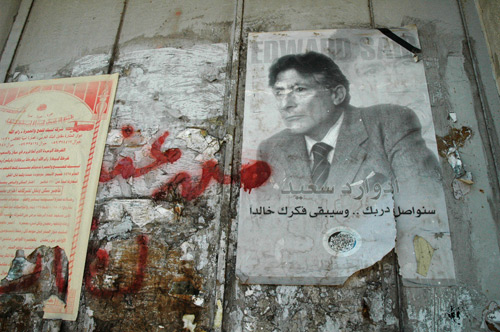
    “I think one can say this almost without qualification,” writes Edward Said in Orientalism, as he reiterates some basic facts and moves toward a provisional conclusion (p. 204). Said had just explained that Orientalism is “a positive doctrine.” It is “an influential academic tradition,” as well as “an area of concern” (p. 203). As he implies here, and shows throughout his work, Orientalism is a great number of other things, too. It is the deployment of concepts regarded as always already universal such as race, religion, and fanaticism.

    April 17, 2012

    Read the Middle East Journal

    The oldest peer-reviewed publication dedicated to the study of the modern Middle East, MEI’s flagship journal covers politics, society, and culture in the region.