Dr. Stephen J. Blank is Senior Fellow at Foreign Policy Research Institute’s Eurasia Program. He has published over 900 articles and monographs on Soviet/Russian, U.S., Asian, and European military and foreign policies, testified frequently before Congress on Russia, China, and Central Asia, consulted for the Central Intelligence Agency, major think tanks and foundations, chaired major international conferences in the U.S. and in Florence; Prague; and London, and has been a commentator on foreign affairs in the media in the U.S. and abroad. He has also advised major corporations on investing in Russia and is a consultant for the Gerson Lehrmann Group.
Stephen has published or edited 15 books, most recently Russo-Chinese Energy Relations: Politics in Command (London: Global Markets Briefing, 2006). He has also published Natural Allies? Regional Security in Asia and Prospects for Indo-American Strategic Cooperation (Carlisle, PA: Strategic Studies Institute, U.S. Army War College, 2005). He is currently completing a book entitled Light From the East: Russia’s Quest for Great Power Status in Asia to be published in 2014 by Ashgate. Dr. Blank is also the author of The Sorcerer as Apprentice: Stalin’s Commissariat of Nationalities (Greenwood, 1994); and the co-editor of The Soviet Military and the Future (Greenwood, 1992).
The Latest from Stephen Blank
Nazanin Boniadi: How the World Can Help Iran’s Democratic Struggle

How the 2026 Iran War Is Reshaping US Foreign Policy
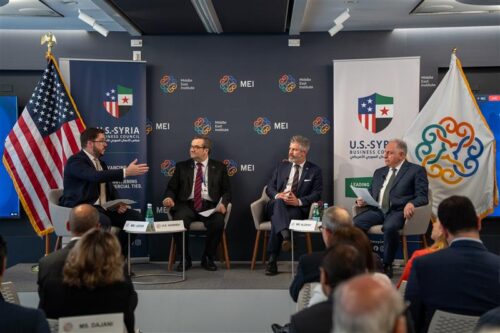
Syria’s 2026 Economic Outlook, Prospects, and Priorities
Now Would Be a Great Time to Send US Ambassadors to the Middle East
Understanding the Cease-Fire and Prospects for an End to the War

US foreign policy in the Middle East: Short-termism and the erosion of influence
The US-Iran War Is Tanking Trump’s Popularity at Home
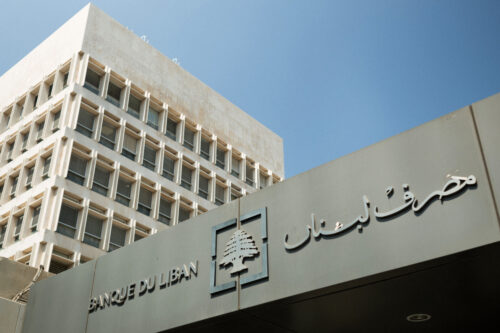
Currency Boards as Political Commitments: Comparative Experience, Gold Reserves, and the Lebanese Case
Changing Dynamics in the Iran War: Examining the Prospects of Inserting US Ground Forces