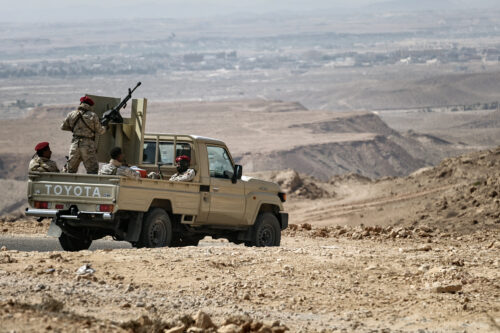
Over the past several weeks, the Houthis have seized the port city of Mokha, Yemen’s western coastline, and several islands in the Bab el-Mandeb Strait, and they are now massing around Marib and Taiz in the first major frontline shift since 2022. MEI Associate Fellow Nadwa Al-Dawsari joins host Matthew Czekaj to unpack the latest developments. Together, they discuss what has allowed the Houthis to advance against Yemeni government forces, the role the militant group plays in Iran’s regional strategy, and what it will take to contain the threat.
I was a teenage Afghan refugee in Pakistan’s tribal areas when the Twin Towers fell. Almost nobody around us understood the politics of what had happened, but we knew that something had changed for good. Afghanistan, which until then had been our private tragedy and our first exile from Taliban rule, had suddenly become the world’s concern, with the United States leading the response.
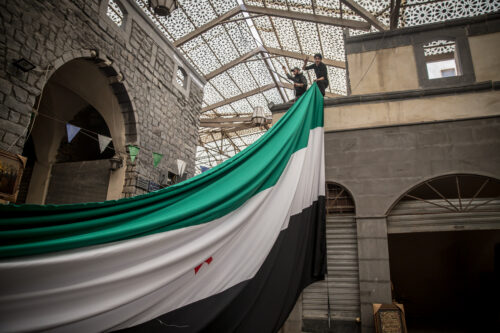
Though it has fallen out of the headlines because of the Iran war, Syria has had a dramatically consequential summer. Hosts Alistair Taylor and Matthew Czekaj are joined by MEI Senior Fellow Charles Lister to take stock of recent developments: the dissolution of the Kurdish-led Syrian Democratic Forces, Israeli strikes and the friction with Turkey they have exposed, the standoff in Sweida, as well as Damascus’s bid to turn Syria into a trade corridor between the Mediterranean and the Gulf. Is the transition consolidating or fragmenting nearly two years after the fall of the Assad regime?
How Lebanon’s authorities can keep the Iran war from engulfing the country
Today’s decision taken by the Lebanese government — to declare all of Hizballah’s security and military activities illegal — is a landmark development. But how the government and the Lebanese Armed Forces implement this directive now that a new round of attacks has actually taken place will be the ultimate test of their credibility.
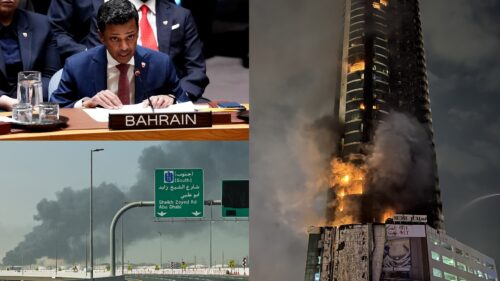
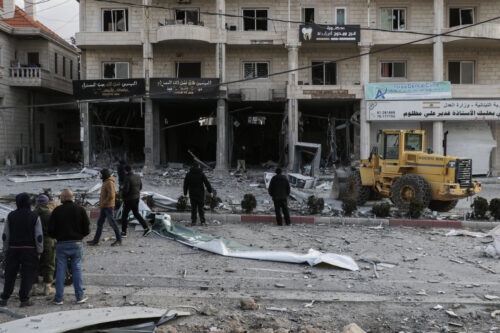
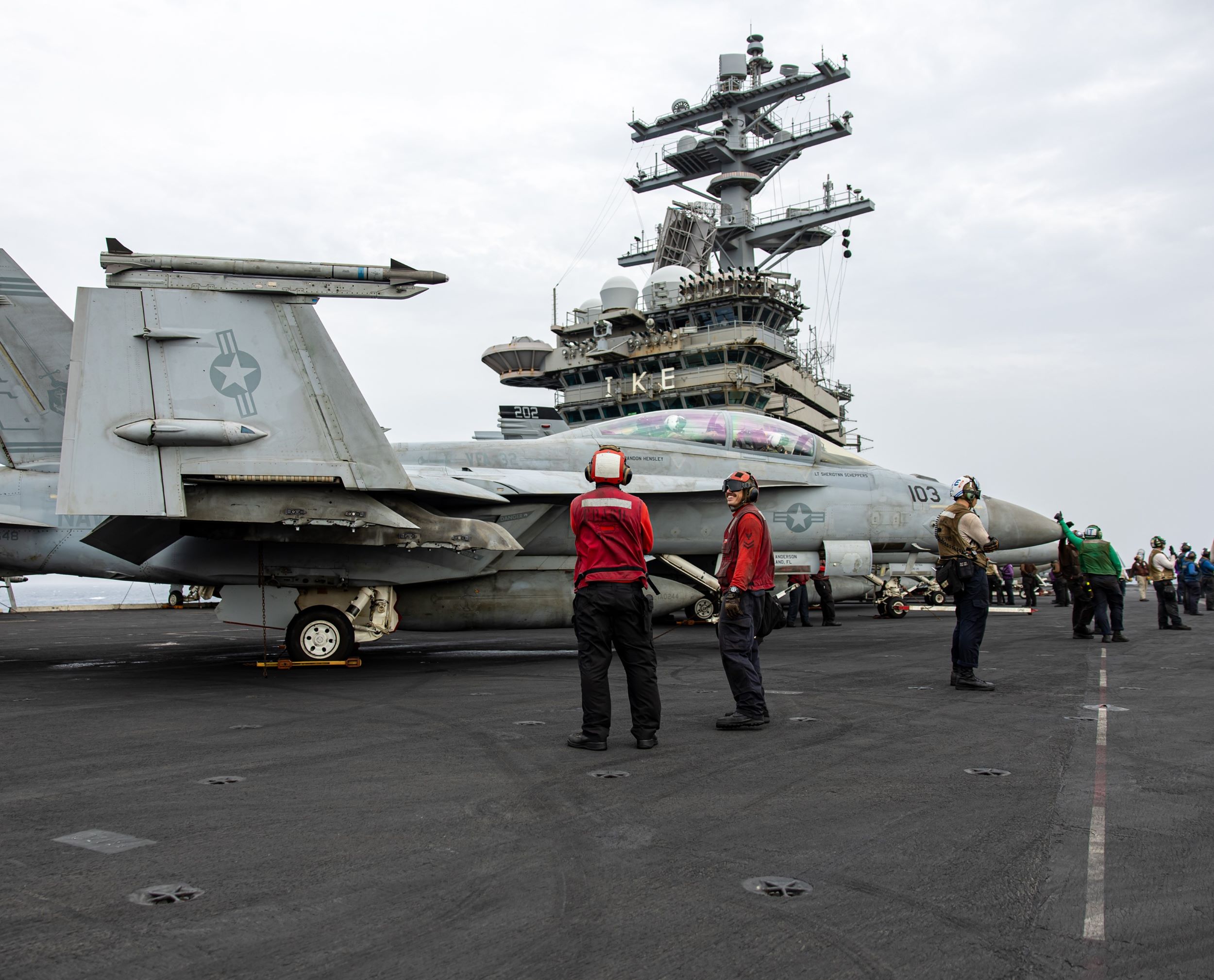
On February 28, the US and Israel launched coordinated military strikes on Iran. MEI defense experts weigh in on the military and regional consequences.
Tehran Has Discovered Moscow Is a Fair-Weather Friend
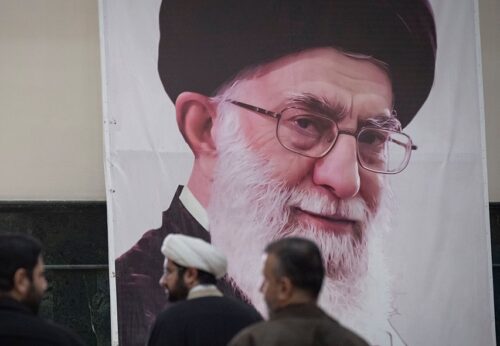
The latest cycle of U.S.-Iran escalation has followed a familiar script: sharpened rhetoric from the United States, calibrated military signaling by Iran in the Persian Gulf, indirect diplomacy through Oman, and Israeli warnings that remain deliberately ambiguous but unmistakably real. Yet beneath this choreography lies a more consequential development inside Tehran. The current crisis is forcing Iran’s political class to reassess its central foreign-policy wager of the past decade: that deepening alignment with Russia and China would provide strategic insulation against Western coercion.
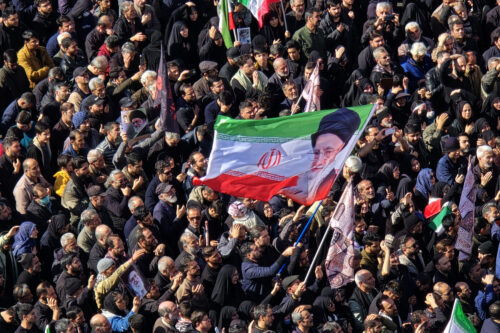
Against the backdrop of one of the largest US military deployments to the Middle East since 2003, MEI Senior Fellow Alex Vatanka joins hosts Alistair Taylor and Matthew Czekaj to assess the situation inside Iran on the eve of potential war. Weeks after the Islamic Republic’s brutal crackdown on anti-government protesters and as negotiations with the US fail to find common ground, Donald Trump is reportedly weighing options for military action against Iran. Vatanka breaks down the regime’s strategic calculus, the current dynamics of Iran’s opposition movement, and the likely domestic political consequences of a military strike.
Saudi Arabia has stepped up its efforts to unify and restructure Yemen’s anti-Houthi forces after the rapid expansion and sudden implosion of the United Arab Emirates-backed secessionist Southern Transitional Council following Abu Dhabi’s military withdrawal from the country.
Iran looms large over Trump’s address to the nation
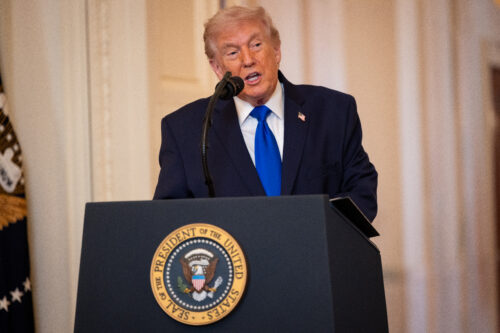
US President Donald Trump takes to the podium tonight to deliver the first State of the Union address of his second term.
“It’s going to be a long speech because we have a lot to talk about,” Trump said ahead of the address. The State of the Union—an annual speech delivered by the US president to Congress—typically focuses heavily on domestic policy issues, and that’s likely to be the case with tonight’s speech as well. Concerns about the health of America’s economy and growing public controversy about the Trump administration’s immigration policies are two of the domestic policy issues Trump will likely address.
Iran considers its response to potential renewed US-Israeli strikes
The United States’ rapid military buildup across the Gulf has triggered a familiar anxiety in Tehran, but the Iranians’ reading of American intentions has grown sharper and more layered than at any point in recent years.
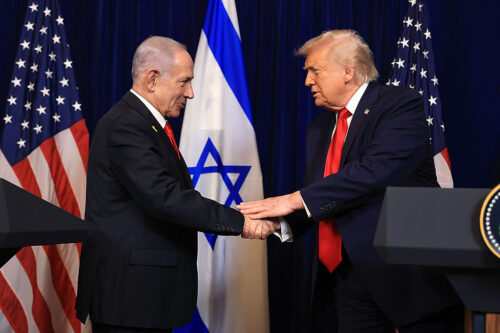
Hosts Alistair Taylor and Matthew Czekaj are joined by MEI Senior Fellow Natan Sachs to discuss Israeli Prime Minister Benjamin Netanyahu’s February 11 visit to the White House, Israel’s anxieties surrounding the ongoing US-Iran talks, and the domestic political dynamics Netanyahu is operating under. Taylor, Czekaj, and Sachs unpack what Netanyahu hoped to achieve during the visit, particularly regarding Iran, and what his relationship with President Donald Trump can tell us about the relative coordination and policy alignment between the US and Israel. They also examine Netanyahu’s political standing at home, two and half years since the October 7 attacks, as the 2026 election campaign begins in Israel. Finally, Sachs assesses what lies ahead for Israeli politics.
Syria’s Path Toward Stabilization — and How the US Can Help
After more than 50 years of brutal dictatorial rule and 13 years of civil conflict, the first year of Syria’s transition has been complex, imperfect, and fraught with difficulties. However, despite some significant challenges, Syria is clearly stabilizing. To sustain this progress, the United States must remain engaged.
The oldest peer-reviewed publication dedicated to the study of the modern Middle East, MEI’s flagship journal covers politics, society, and culture in the region.