Jordan’s Economy Weathers Iran War’s Shocks and Finds New Opportunities
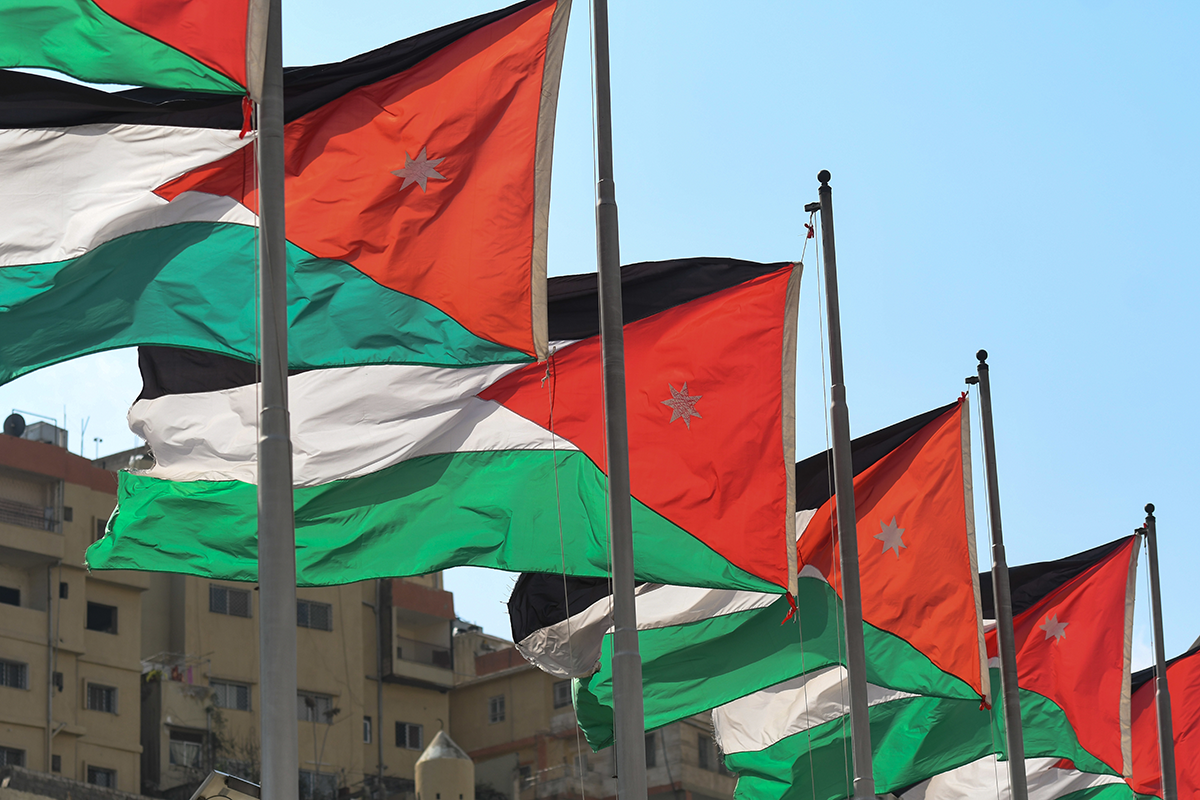
In the summer of 2003, King Abdullah II told Bloomberg Jordan sits “between Iraq and a hard place,” a play on words designed to describe the kingdom’s challenging environment to an American audience amid the US-led Iraq war to the east and the lingering Palestinian-Israeli conflict to the west. Jordan is grappling with a much “harder place” today.
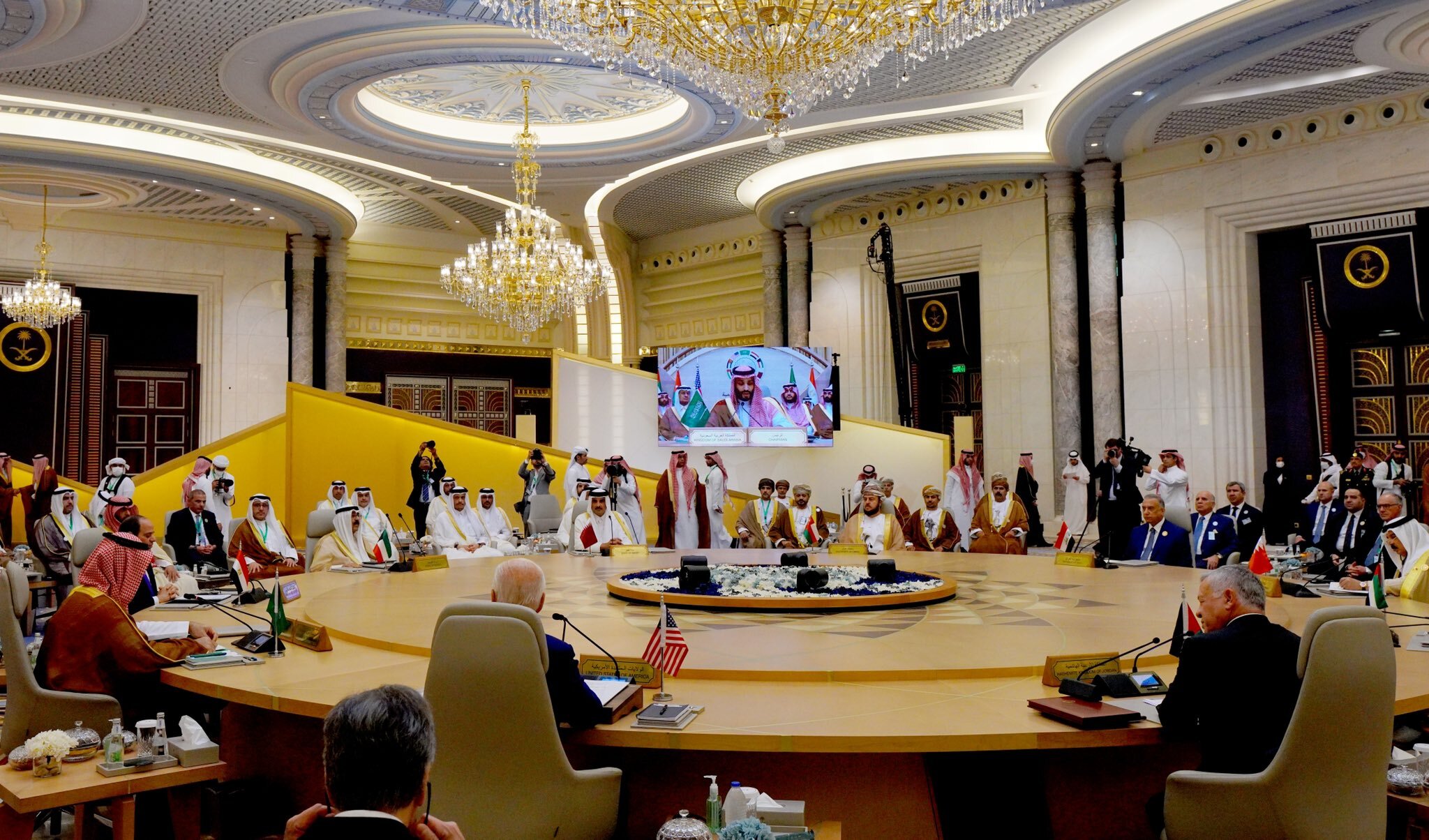
Gulf Political Economy: The Cost of Accommodating Iran
There may be no near-term resolution to the conflict between the United States, Israel, and Iran. The cease-fire and memorandum of understanding (MoU) signed on June 18 have broken down, there is little diplomatic engagement, and new flare-ups in early September indicate a further round of escalation. Gulf states may have no choice but to protect their assets and populations while trying to deter Iran by finding mechanisms of both containment and accommodation.
Gulf Energy Markets: The Region’s Edge Will Survive — At a Price
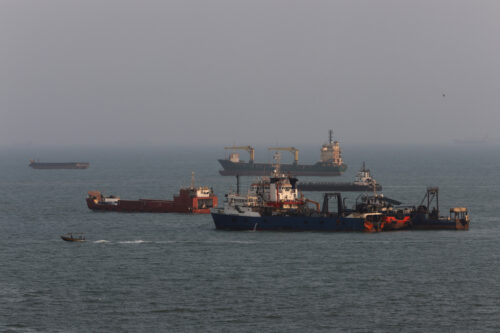
Across the Gulf, views differ widely on how the Iran war can and should end, and what the region will look like once it does. Yet on the crisis over the closure of the Strait of Hormuz, the view is near-unanimous that a repeat is not only possible but likely. That expectation, more than any single incident over the past year, is becoming a major driver of decision-making in industry and policy circles alike.
Jordanian ambitions, Saudi funds: A look at Saudi investments in Jordan
In 2017, Saudi Arabia’s Public Investment Fund and a number of Jordanian banks established the Saudi-Jordanian Investment Fund to channel $3 billion into the Jordanian economy. Two SJIF projects provide relevant case studies of the challenges facing Jordan’s broader efforts to attract more FDI and drive economic development.
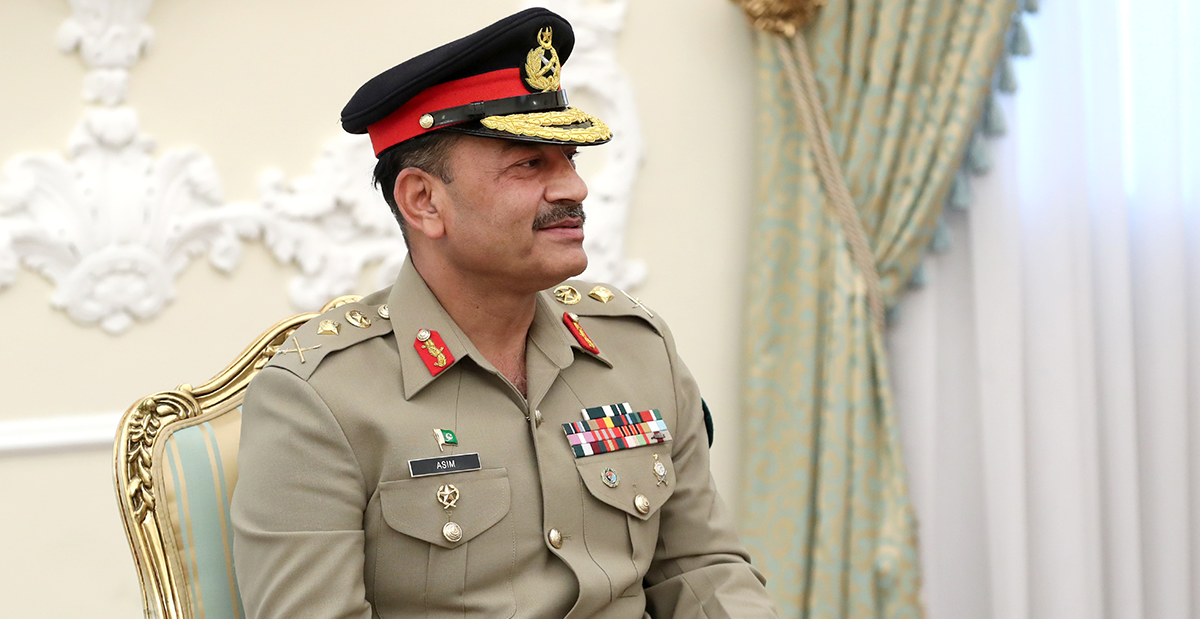
Pakistan’s military and foreign policy under Gen. Asim Munir
Gen. Qamar Javed Bajwa orchestrated a paradigm shift in Pakistan’s traditional geostrategic focus, transitioning from geopolitics to geoeconomics. His successor, Gen. Asim Munir, in command of Pakistan’s military for the past year, now faces the challenging task of turning Gen. Bajwa’s unrealized vision into a reality, a goal that requires cultivating positive interdependence and multi-alignment with a diverse range of partners, while also ensuring domestic stability.
All you need to know about the India-Middle East-Europe Economic Corridor
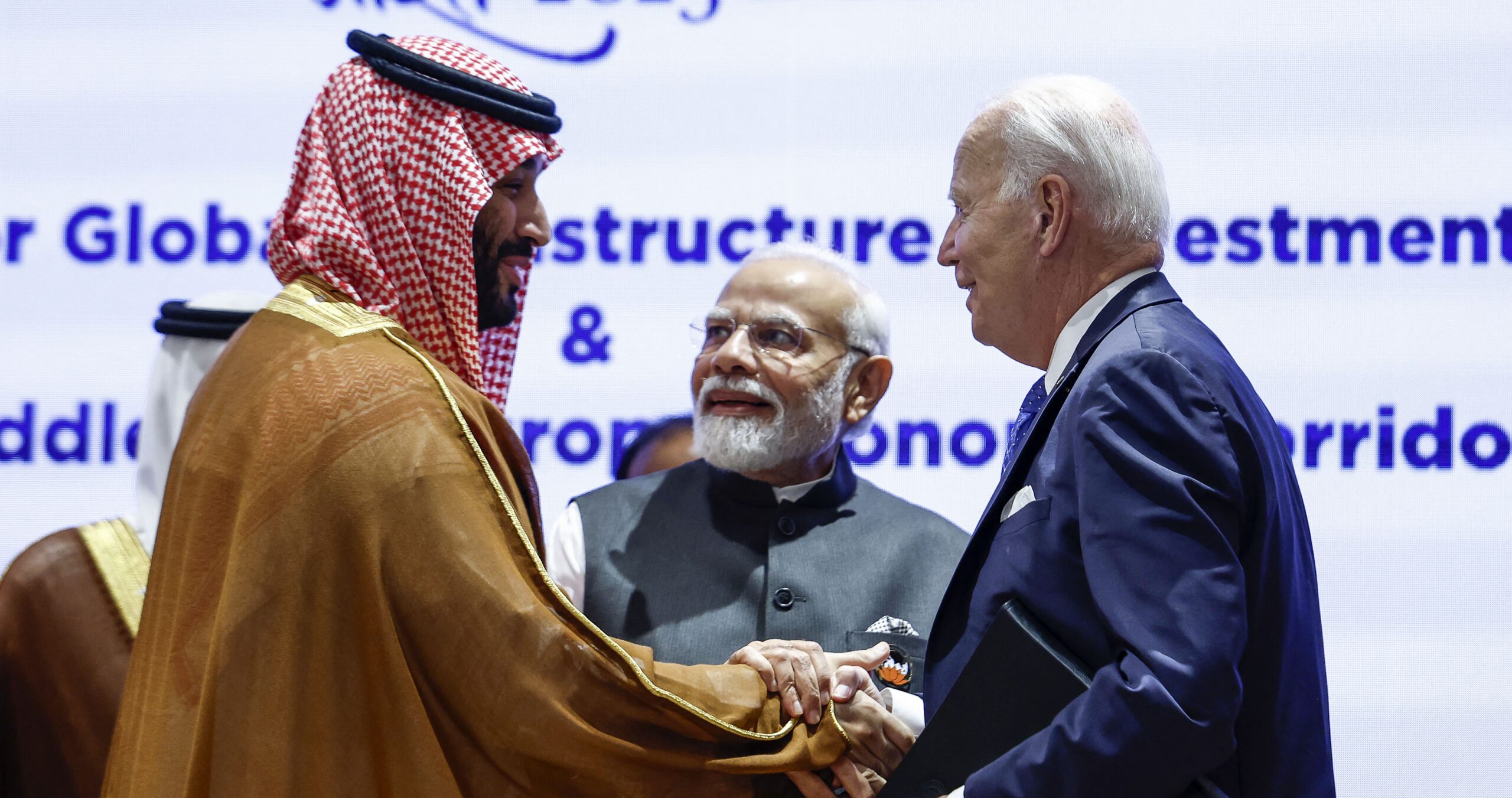
At the September G20 meeting, host country India, along with the United States, the European Union, France, Germany, Italy, Saudi Arabia and the United Arab Emirates (UAE), signed a memorandum of understanding, a non-binding commitment to work towards building two separate “corridors”, essentially envisioning a political line that is connected by some new and some existing, or already under construction, physical infrastructure.
War delays but likely will not fully derail IMEC plans
The Oct. 7 Hamas attack against Israel and the latter’s ongoing military operation in Gaza have stalled progress in the development of the India-Middle East-Europe Economic Corridor and raised questions about its prospects for eventual completion. The IMEC faces multiple viability challenges, but none of them are insurmountable; thus, its participants are unlikely to abandon it.
Climate casualties: How the Gaza war threatens Mideast climate action
The renewed violence in Gaza could not have come at a less opportune time for the climate agenda in the Middle East. From energy economics to environmental degradation, the ripple effects of conflict will complicate the path ahead.
China’s growing maritime presence in Egypt's ports and the Suez Canal
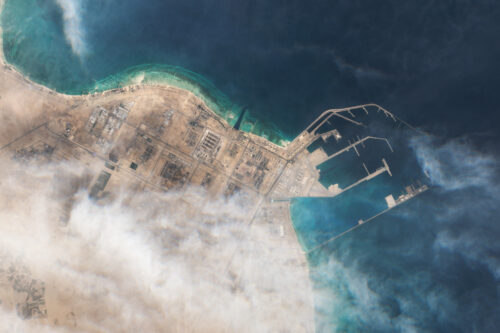
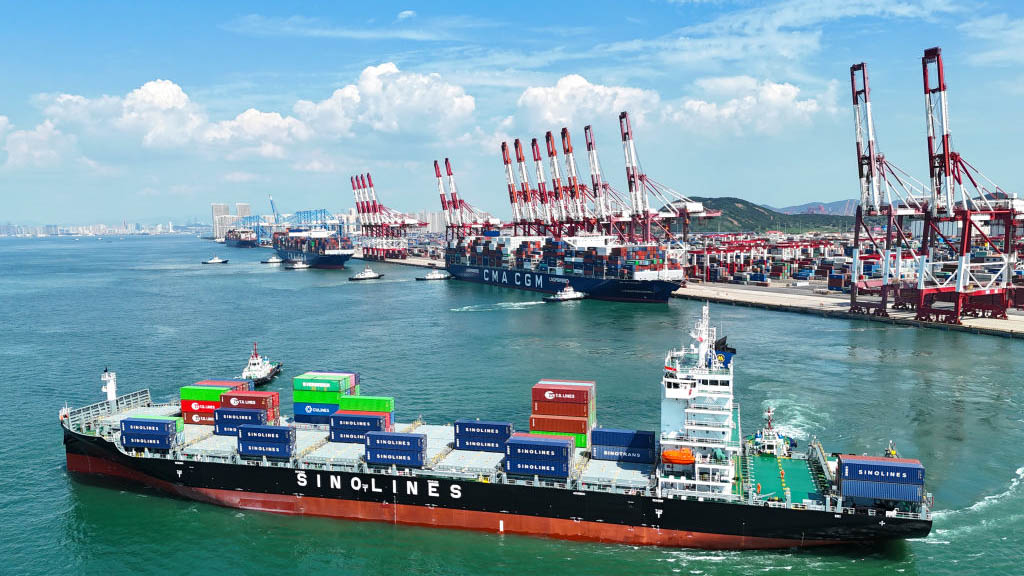
In recent years, China’s presence in Egypt’s strategic ports has grown noticeably, including the involvement of both private and state-owned Chinese companies. While this reflects Beijing’s growing ambitions in the region, the opacity of the Sino-Egyptian agreements and the blurry lines between China’s commercial ports and its military aspirations raise questions about the potential implications.
Enhancing Morocco's energy supplies with ISO tank and small-scale LNG
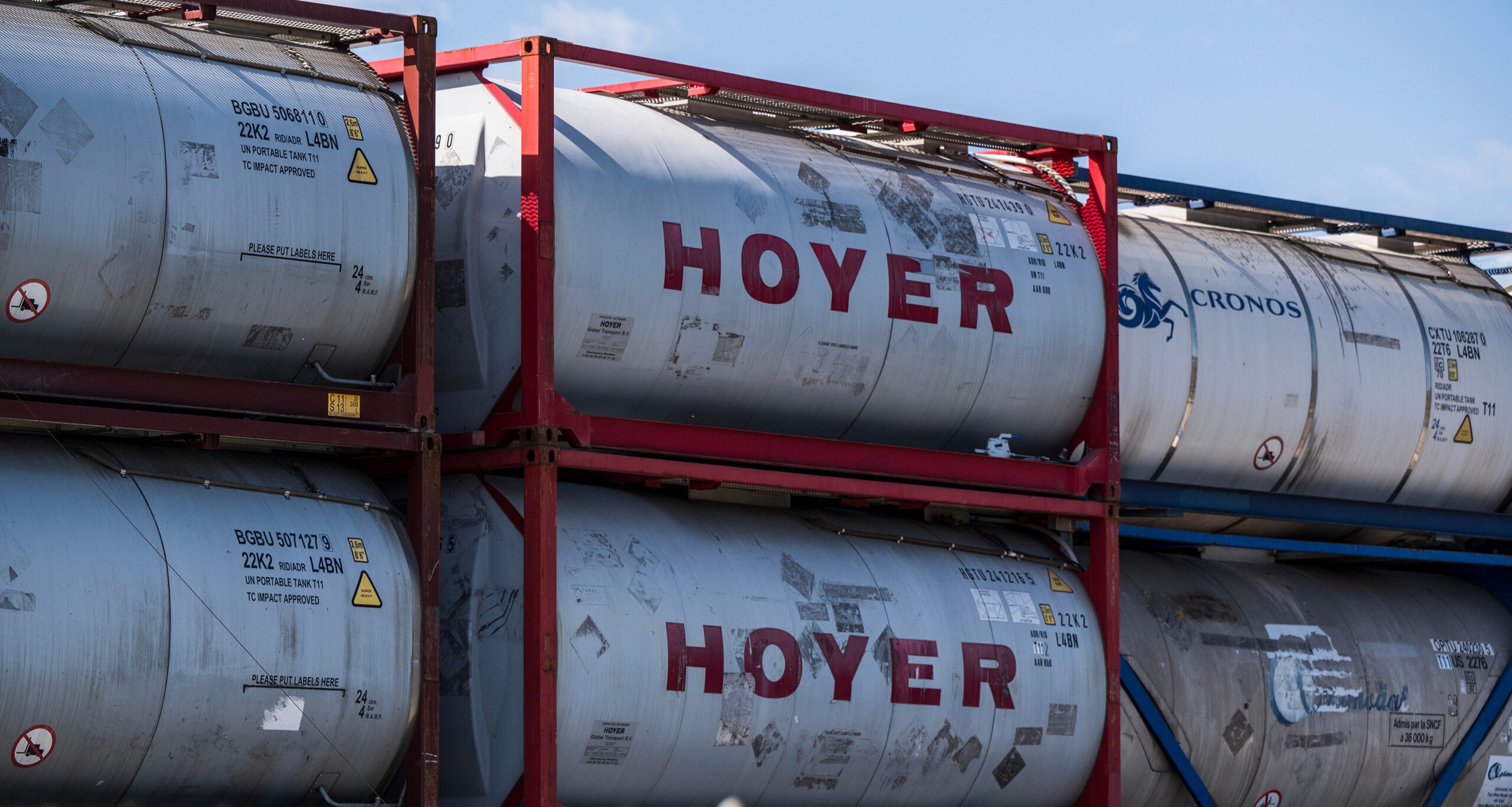
With no new interregional or international gas pipelines currently planned, gas-poor Morocco should consider alternative import schemes, such as LNG import via ISO tank containers, utilizing its well-developed port, rail, and road infrastructure.
The energy risks of Israel’s new war are large and growing
The state of Israel and the terrorist group Hamas are engaged in an existential conflict, each threatening the survival of the other, as well as the survival of civilians, both Palestinian and Israeli, caught in-between. The conflict could widen into a regional or even global crisis. For energy markets and the global economy, the risks are considerable and could swerve or accelerate in response to multiple variables.
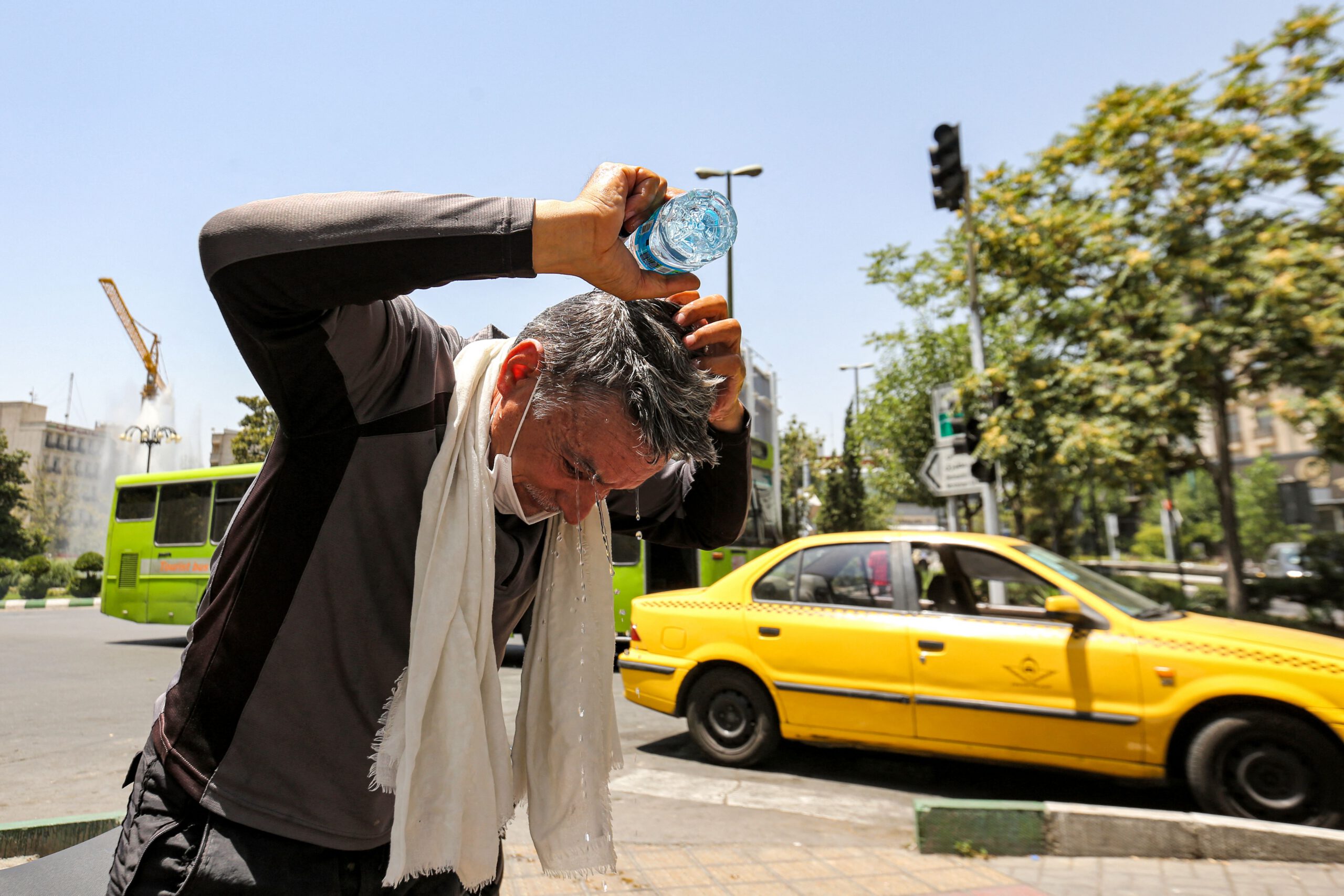
Iran has yet to ratify the 2015 Paris Agreement, but efforts to address the impact of climate change have great potential to create opportunities for mutually beneficial cooperation, building on the recent trend of regional de-escalation. Climate diplomacy represents an untapped opportunity for Iran to engage globally by incentivizing it to adopt the U.N. Sustainable Development Goals in exchange for sanctions or debt relief.
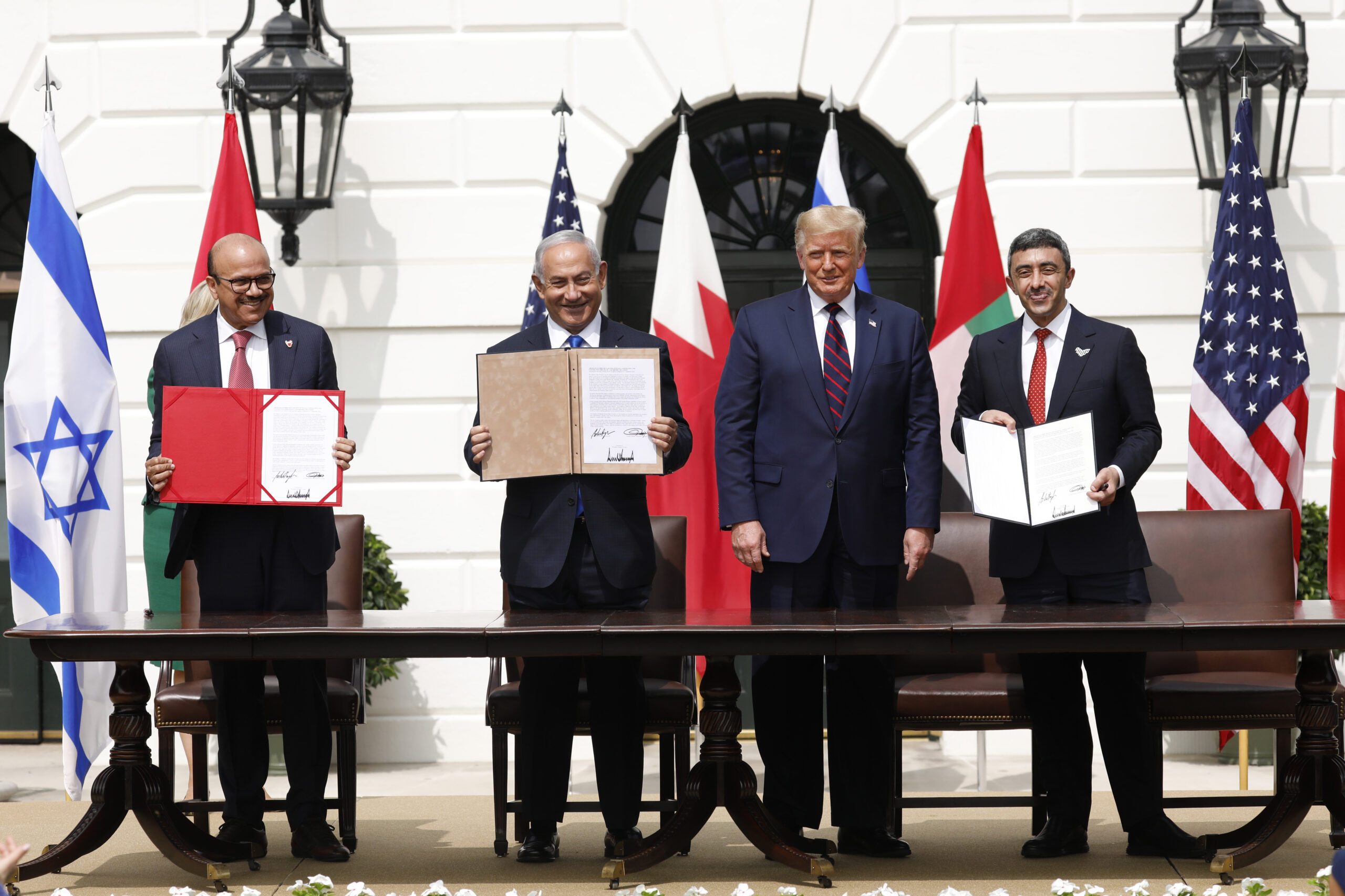
As the original Abraham Accords signatories — Israel, the United Arab Emirates, and Bahrain — observe the third anniversary of their September 2020 agreement, there is a sufficient basis to evaluate whether the Abraham Accords are real, hype, or something in-between. Much like the case a year ago, the results so far remain mixed.
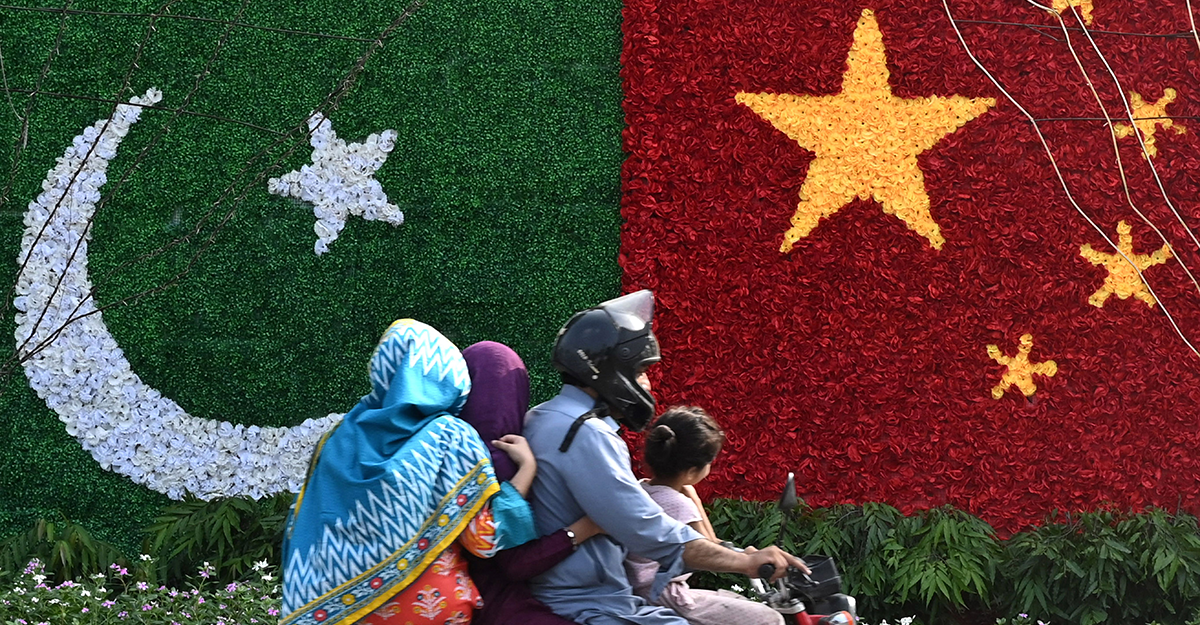
Beyond diplomacy: Charting China's multifaceted partnership with Pakistan
Pakistan’s intensifying economic, political, and security instability is not good news for China’s strategic investments. So, what are Beijing’s options?
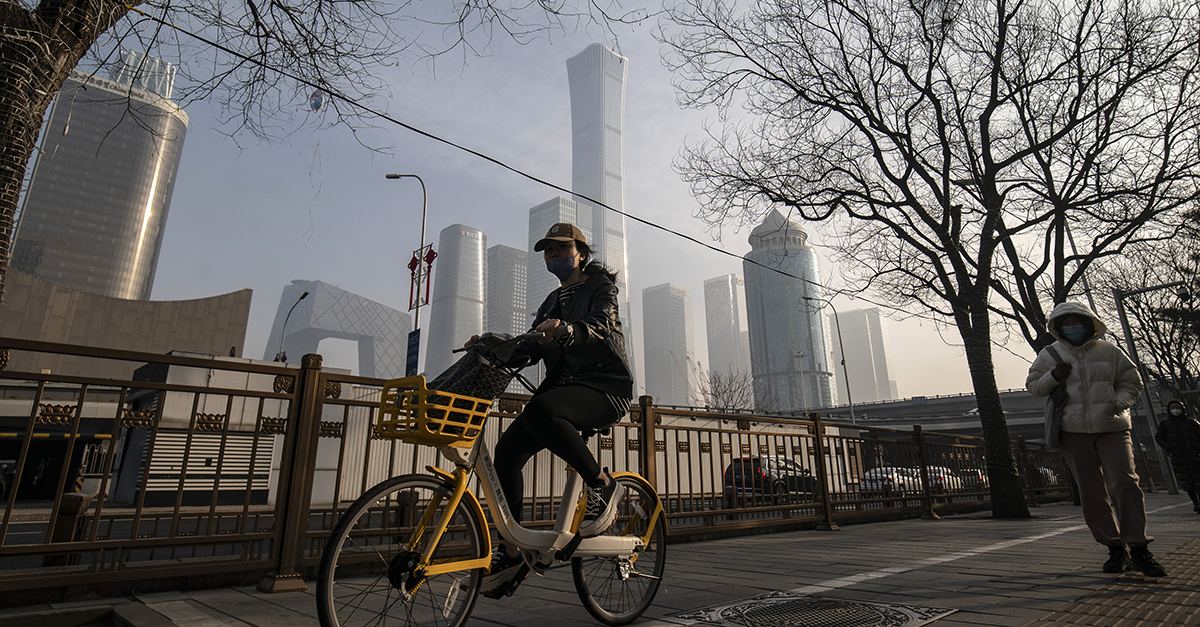
What do China’s economic woes mean for the Middle East?
At the start of 2023, optimism was high that China would see a rapid recovery in consumer spending and an acceleration in GDP growth. Since then, however, the world’s second-largest economy has been in the doldrums. China’s ailing economy is a problem not just for China but for the entire world. A prolonged slowdown or a sudden financial crash, were it to occur, would ripple across global markets — including the countries of the Middle East, whose economies have become increasingly intertwined with that of China.
The oldest peer-reviewed publication dedicated to the study of the modern Middle East, MEI’s flagship journal covers politics, society, and culture in the region.