The Americans Are Gone. Will Iraq’s Militias Disarm?
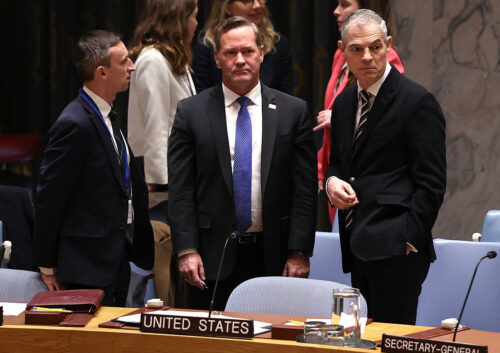
On September 30, the US completed its military withdrawal from Iraq, ending a 12-year-long mission to combat ISIS that began in 2014. The date was also meant to be the deadline for disarming the largely Iranian-backed militias known as the Popular Mobilization Forces (PMF), but Prime Minister Ali al-Zaidi has now pushed that cutoff back to June 30, 2027. MEI Distinguished Diplomatic Fellow Amb. (ret.) Robert S. Ford joins hosts Alistair Taylor and Matthew Czekaj to discuss what the US military withdrawal means for Iraqi security and the nature of the bilateral relationship going forward. They also speak about what it will take for Baghdad to bring the PMF militias to heel, and how Iraq may navigate the post-Iran war era.
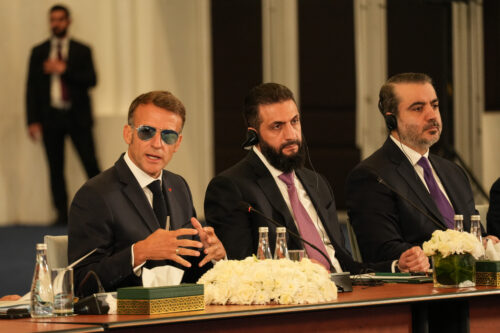
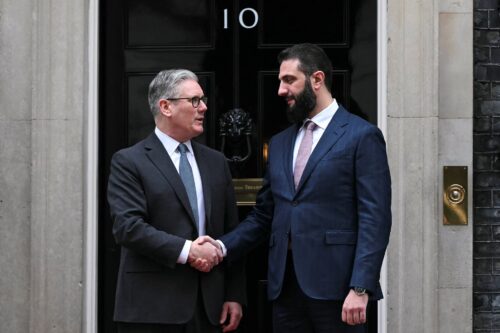
When the US and Israel launched military action against Iran on February 28, 2026, it set in motion a chain of events that saw violence spread across the Middle East. Yet as the region found itself engulfed in conflict, Syria has experienced its most peaceful months in 15 years, and the government in Damascus appears determined to stay its course toward recovery.
The Legacy of Morocco’s Gen Z Protests: Development as the New Political Language
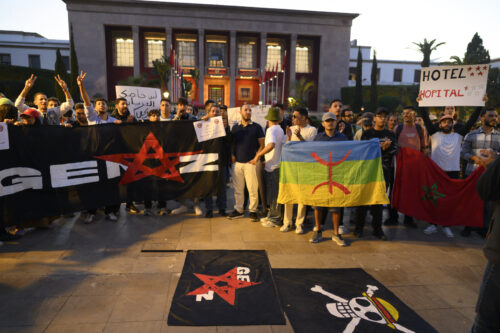
Moroccans head to the polls on September 23 in a parliamentary election that is meant to formally close the chapter opened during last year’s Gen Z 212 protests. The demonstrations, which erupted almost exactly a year ago, drew attention to the mismatch that exists between Morocco’s economic and geopolitical ambitions, and the stark reality of its lagging domestic development.
Nazanin Boniadi: How the World Can Help Iran’s Democratic Struggle
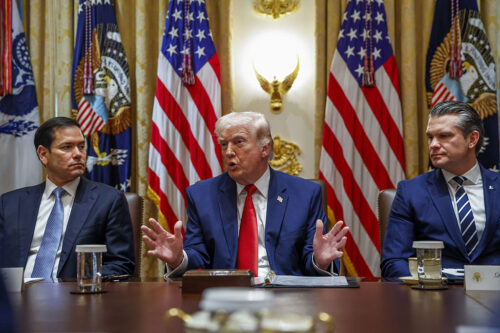
Just weeks before President Trump’s war began, Iran was in the midst of a powerful wave of anti-regime protests spreading across the country. But once the war started, that momentum largely came to a halt. The conflict shifted the focus from dissent to survival and gave the regime an opening to crack down harder. With tighter controls, heightened fear, and everyday life suddenly more precarious, people pulled back from the streets. The protests may have paused, but the resentments that fueled them haven’t gone anywhere.
Currency Boards as Political Commitments: Comparative Experience, Gold Reserves, and the Lebanese Case
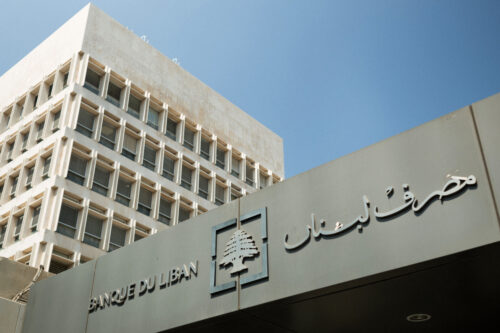
The following study discusses the role of Lebanon’s gold reserves in the establishment of a currency board and evaluates four policy options: a true currency board, constrained central bank reform, full dollarization, and a unified managed float. Gold reserves are relevant under all four. The conclusion is consistent across them: no monetary framework, however carefully designed and however well backed, can substitute for the prior political decision on who bears Lebanon’s losses and how the state will finance itself sustainably.
Diplomacy or Escalation? The Next Phase of the Iran Conflict
The Middle East Institute invites you to a discussion of what negotiations may or should be taking place, Washington’s and Tehran’s calculations, as well as what a US ground invasion of Iran could entail if talks fail to arrest the war.
US-Iran War Gives Syria’s Global Economic Pitch More Urgency
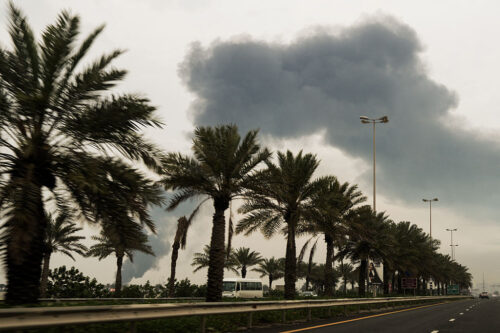
When the United States and Israel launched military operations against Iran a month ago, the Middle East was plunged into debilitating conflict. Nevertheless, Syria has remarkably just completed its most stable month in 15 years. Damascus and its international partners must capitalize on this opportunity.
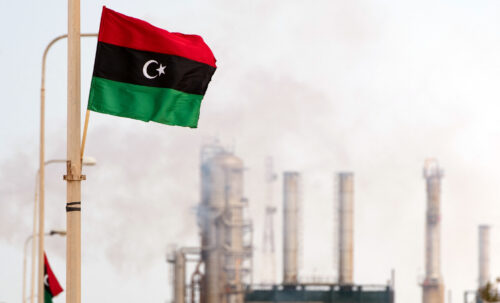
Libya’s Fragile Equilibrium: Succession Risk and Energy Stability
Libya’s stability has taken on renewed strategic importance as the impact of the US and Israeli war with Iran reverberates through global energy markets. Sustaining existing Libyan oil production depends on a governing arrangement capable of keeping ports open, pipelines flowing, and revenues distributed without triggering conflict.
The Kurdish Card: Can Iranian Kurds Shape the War’s Endgame?
The war against Iran has entered its third week with no clear endgame—and no clear strategy from Washington.
At one point President Trump appeared to encourage Iranian Kurdish groups to rise up against the regime, before quickly walking it back. Meanwhile, some exiled Kurdish opposition figures say they already have an invasion plan and only need US air cover.
The Kurdish question is once again at the center of regional politics. In this episode, we examine the role of Iranian Kurds in the opposition—and what this moment could mean for their future.
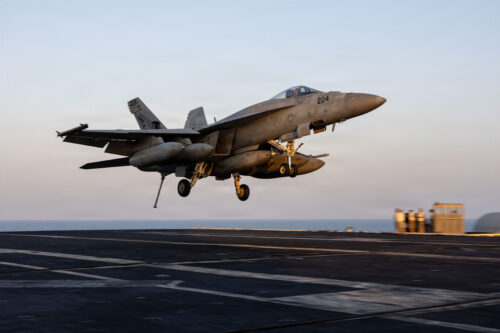
After the Most Intense Day of Strikes on Iran: What Comes Next?
Watch a discussion with MEI Distinguished Military Fellow General Kenneth F. McKenzie (USMC, ret.) and MEI Senior Fellow Alex Vatanka as they seek make sense of the US military strategy and Iran's calculations as the conflict continues to shift and expand.
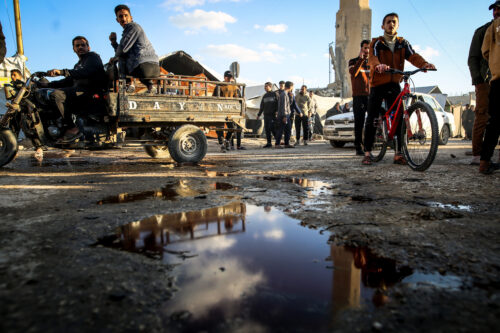
As the war with Iran consumes regional attention, Gaza is again being pushed aside. That is not just a humanitarian failure. It is a strategic mistake that could squander a rare opening for political transition while allowing Hamas to weaponize abandonment once more.
The oldest peer-reviewed publication dedicated to the study of the modern Middle East, MEI’s flagship journal covers politics, society, and culture in the region.