The conventional framing of China’s role in the Middle East in policy discourse centers on a familiar question: what challenge does Beijing pose to US primacy? The answer is often framed as a largely linear story in which expanding economic influence gradually translates into geopolitical leverage.Yet this view captures only part of the reality.
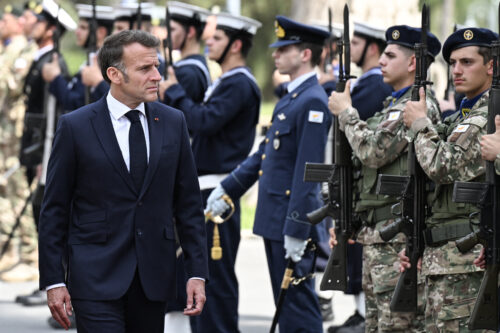
Europe did not choose the war with Iran, and most European governments still resist describing themselves as participants in it. But six months of military basing, missile-defense drawdowns, energy shocks, sanctions pressure and planning for possible migration crisis have made that distance harder to sustain.
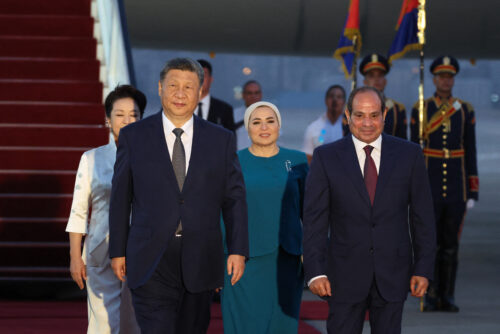
When President Xi Jinping arrived in Cairo this week for his first state visit to Egypt in a decade, trade, investment and geopolitics were inevitably high on the agenda. But Xi also made something else unusually prominent: culture.
Tehran Has Discovered Moscow Is a Fair-Weather Friend
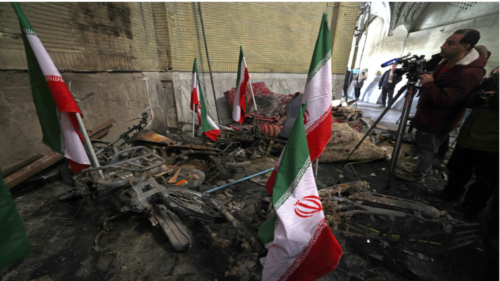
The latest cycle of U.S.-Iran escalation has followed a familiar script: sharpened rhetoric from the United States, calibrated military signaling by Iran in the Persian Gulf, indirect diplomacy through Oman, and Israeli warnings that remain deliberately ambiguous but unmistakably real. Yet beneath this choreography lies a more consequential development inside Tehran. The current crisis is forcing Iran’s political class to reassess its central foreign-policy wager of the past decade: that deepening alignment with Russia and China would provide strategic insulation against Western coercion.
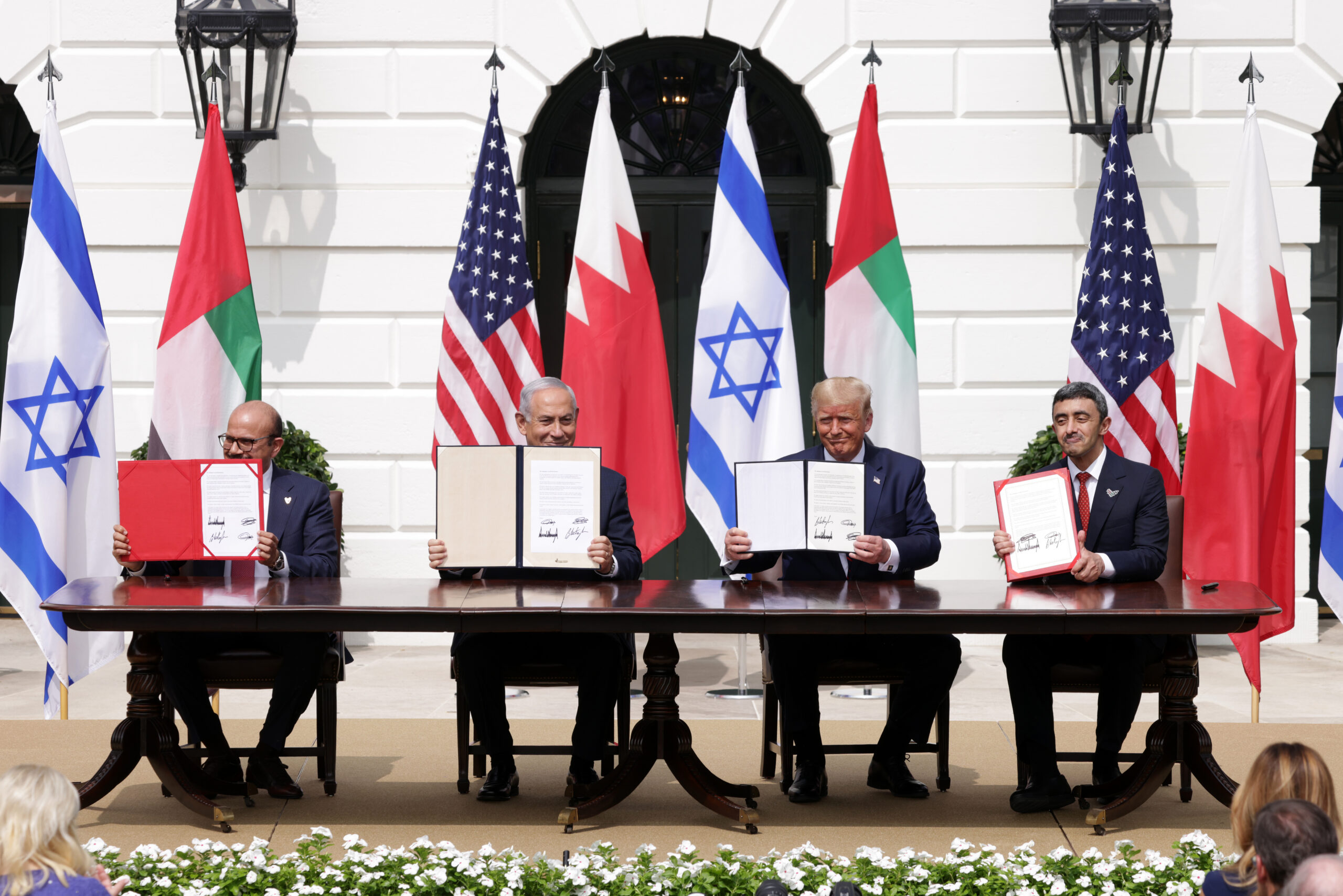
The Abraham Accords have represented a remarkable shift in U.S. Middle East policy. They reframed Arab-Israeli normalization as a result of shared interests – within the Middle East and directly with the US, rather than as a byproduct of Israeli-Palestinian peace. Signed in September 2020, on the last leg of the first Trump administration, the Accords brokered by Washington normalized relations between Israel and the United Arab Emirates (UAE) and Bahrain, followed by framework agreements with Morocco and Sudan. From the American perspective, the Accords were intended to break decades of diplomatic stagnation in the Middle East in order to establish a regional framework aligned with American strategic objectives.
New Questions on the International Stabilization Force for Gaza
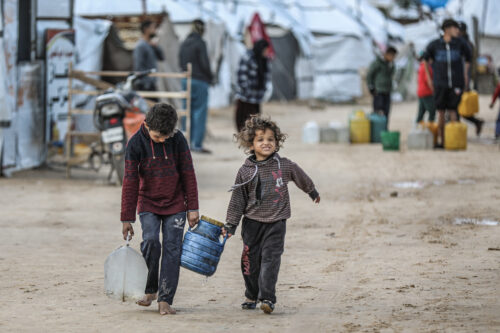
In November 2025, the United States sought and obtained approval for a United Nations Security Council Resolution (UNSCR 2803) endorsing the formation of a Board of Peace (BoP) and International Stabilization Force (ISF) to support the implementation of the 20-point peace plan agreed to by Israel and Hamas the previous month. The ISF’s stated role is to help secure and demilitarize the Gaza Strip, primarily by facilitating the decommissioning of weapons, protecting civilians, and training and advising burgeoning Palestinian police forces. In the intervening months, however, progress on standing up the ISF has stalled, and conflicting messaging from US officials provides more questions than answers.
America’s New Defense Strategy — and What It Means for Iran
Hosts Alistair Taylor and Matthew Czekaj are joined by MEI Distinguished Military Fellow Mick Mulroy to discuss the Trump administration’s new National Defense Strategy (NDS) and its implications for the Middle East. While serving as the Deputy Assistant Secretary of Defense (DASD) for the Middle East from 2017 to 2019, Mulroy helped prepare the 2018 NDS, giving him an insider perspective on US defense planning. Together, Taylor, Czekaj, and Mulroy unpack what the new strategy means for US priorities globally and for the Middle East in particular, including how it could be reflected in a potentially looming military strike on Iran.
The Pakistan-Afghanistan conflict: A strategic concern for the US
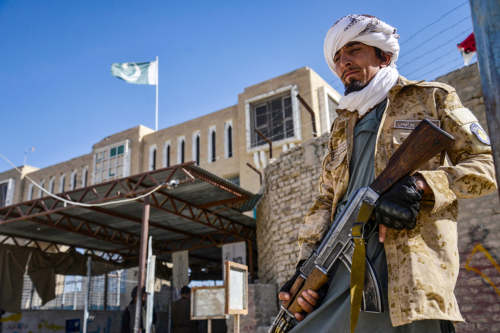
Pakistan’s relationship with the Afghan Taliban has shifted from open sponsorship in the 1990s to a silent partnership following 2001 to alienation and belligerence since 2021. Their current conflict, which comes at great cost to both countries and seems to have no easy military or political resolution, also poses a threat to the stability and prosperity of neighboring states. Although American strategic interests in the region greatly diminished following the United States’ military withdrawal from Afghanistan in August 2021, the region’s altered political dynamics have prompted a growing American engagement with Pakistan and tentatively with Afghanistan. At the same time, the US has become a factor in how both Islamabad and Kabul have come to form their national security strategies.
Venezuela’s Shadow Over MENA: Perceptions and Precedents
MEI Vice President for Policy Ken Pollack joins hosts Alistair Taylor and Matthew Czekaj to explore what the precedent set by the Trump administration’s military capture of Venezuelan President Nicolás Maduro could mean for US policy in the Middle East — particularly in light of ongoing anti-regime protests in Iran. The conversation unpacks the reverberations of Operation Absolute Resolve, Washington’s options for and potential consequences of responding to the Iranian regime’s brutal crackdown, regional perceptions of recent US actions and stated objectives, and broader questions around the direction of the Trump administration’s evolving grand strategy.
Balancing on a Fault Line: Turkey Between Russia, Ukraine, and the US
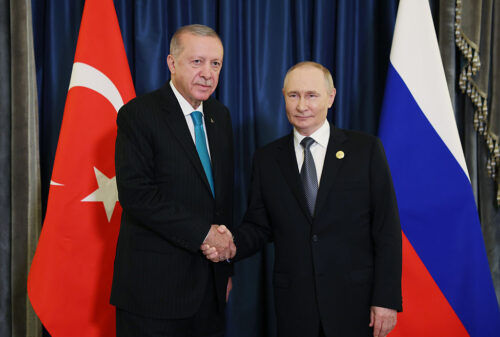
This webinar discussed the following looming questions: Can Turkey sustain a three-way balancing act between Russia, Ukraine, and the US? Where does Ankara stand on Trump’s peace plan, which would require Ukraine to cede territory to Russia? How does Moscow view Turkey’s S-400 dilemma? And what would the continuation of the Russia-Ukraine war mean for Turkey’s security—and for its already strained relations with the West?
This bonus episode of Middle East Focus features a conversation from MEI’s Virtual Briefing Series. Director of Communications Zeina Al-Shaib is joined by Distinguished Diplomatic Fellow Alan Eyre and Senior Fellow Alex Vatanka to discuss the ongoing protests in Iran. The street demonstrations, sparked by the country’s economic nosedive and at times turning violent, are the largest in three years. As regime arrests and killings of protesters have intensified, US President Donald Trump has threatened to intervene, his remarks potentially taking on a more vivid significance in light of the American military extraction over the weekend of Venezuela’s President Nicolás Maduro, an ally of Tehran. Eyre and Vatanka discuss what these latest developments mean for an Iranian regime already under intense internal and international pressure; the political impact of President Trump’s threats; the limits of Iranian President Masoud Pezeshkian’s power to de-escalate the situation at home; and how the instability inside Iran may affect the wider region.
A year after Assad’s fall, Syria faces a pivotal moment. Washington must lead.
One year after the fall of the Assad regime, Syria is still in very fragile phase of its transition to a new political order. The country faces monumental reconstruction challenges, estimated in the hundreds of billions of dollars, well beyond the capabilities of the new Syrian government. Without sustained American leadership and investment, Syria’s transition will be slow, fragile, and dangerously reversible.
The United States plans to submit a resolution on Gaza to the United Nations Security Council (UNSC) by the end of November. Reportedly, thelatest draftendorses President Donald Trump’s 20-point plan, recognizes the Board of Peace (BoP) as a “transitional governance administration,” and authorizes the BoP to establish an International Stabilization Force (ISF). The UN resolution is a first stepto achieving buy-in from potential ISF contributors. In turn, a viable ISF will be one key to moving beyond the cease-fire to securing the 20-point plan’s envisioned Hamas disarmament, further Israeli military withdrawal, and a path to Palestinian governance. The US faces several dilemmas as it seeks to transition from cease-fire to stabilization and beyond.
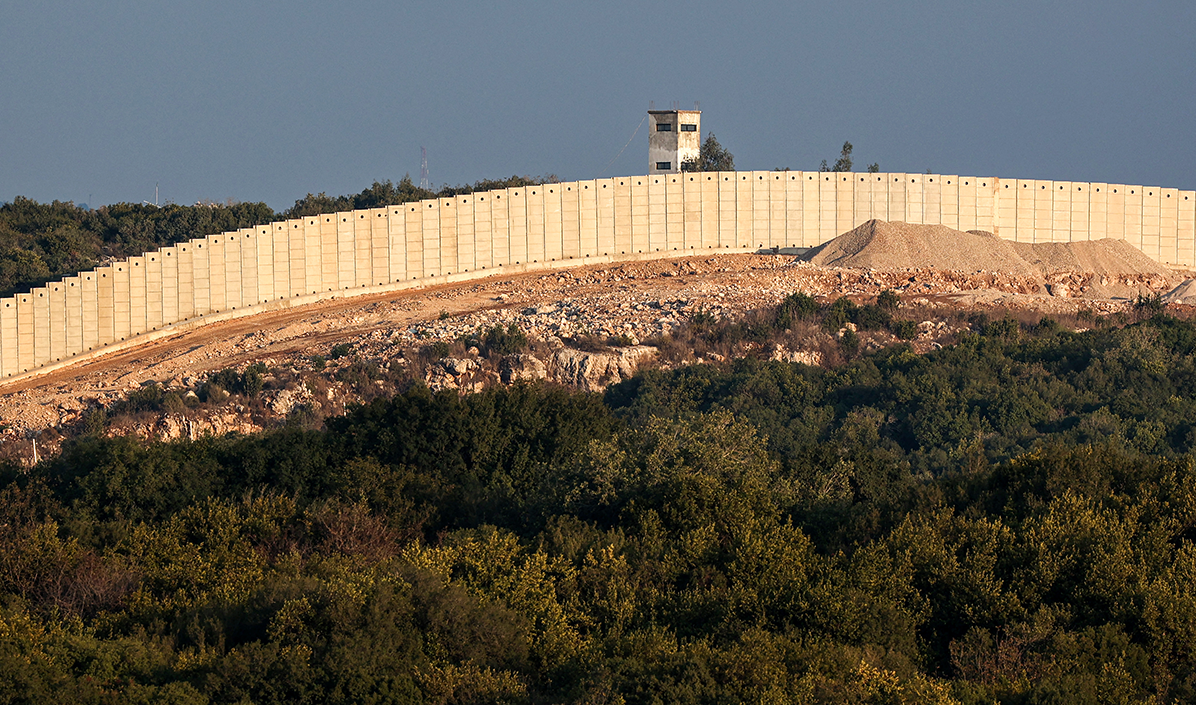
The central challenge facing Lebanon today is whether the country will graduate to functional statehood or continue struggling to survive. Yet with Lebanese officials now insisting that the state “monopolize arms” and become the decisive arbiter on matters of war and peace, a relevant question arises: Where, territorially, does Lebanon begin and end?
Silent leverage, quiet gains? China and the Saudi-Pakistan defense pact
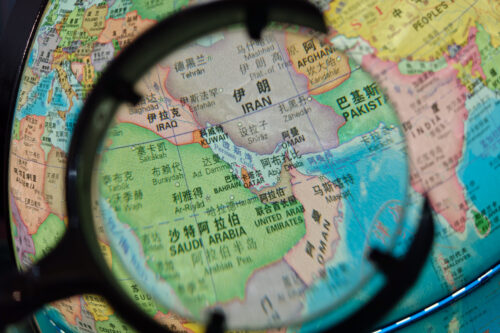
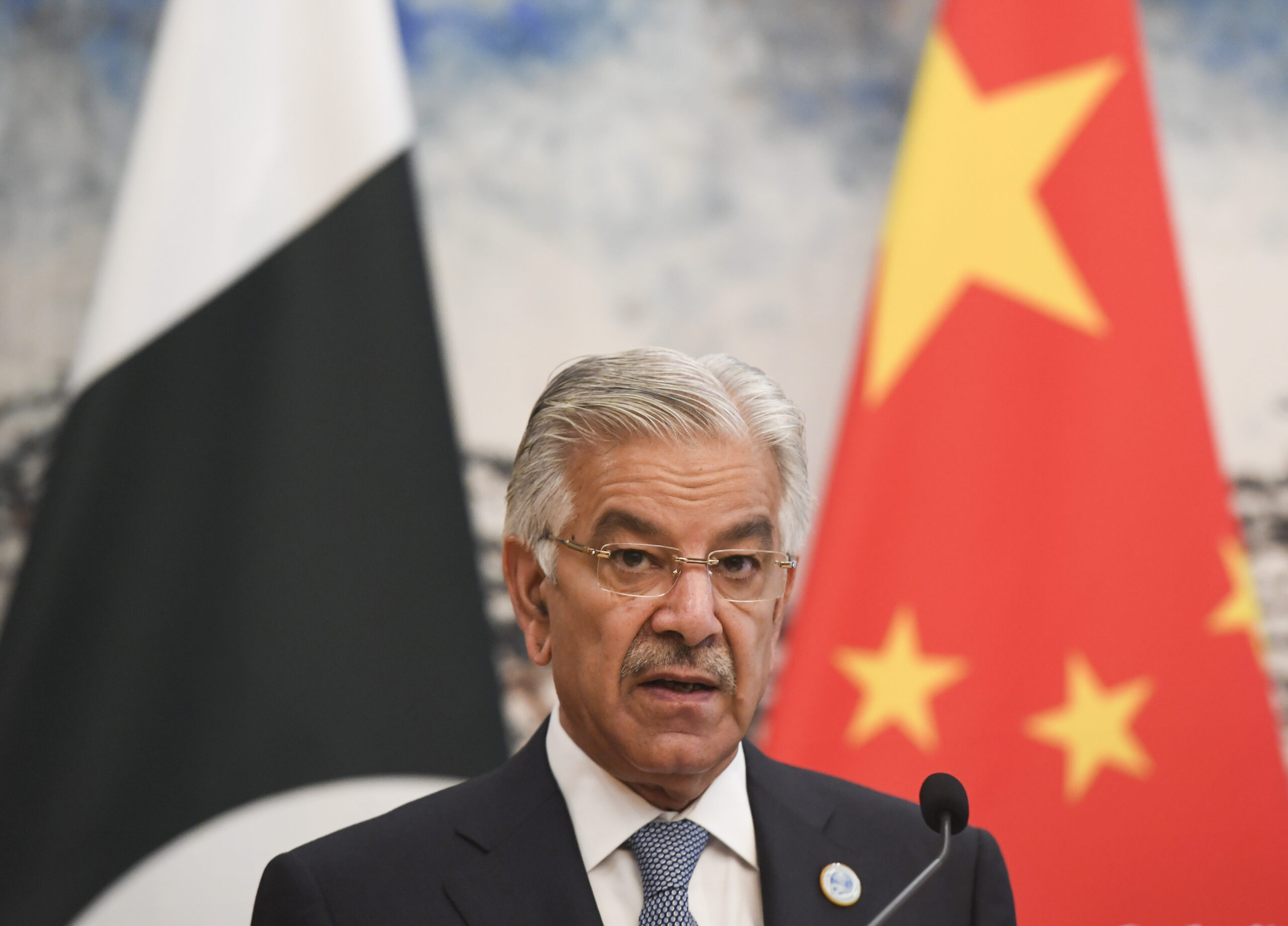
The Strategic Mutual Defense Agreement (SMDA) between Saudi Arabia and Pakistan, signed in Riyadh on September 17, is far more than a bilateral pledge. It represents a profound reordering of alignments in the Gulf and South Asia, reflecting and reinforcing the broader erosion of US preeminence in the Eurasian security architecture. While much of the initial commentary centered on the striking commitment of a wealthy Gulf monarchy to the defense of a nuclear-armed South Asian state, as well as the question of whether Pakistan had in fact extended its nuclear umbrella to Saudi Arabia, the deeper story is arguably China’s potential advance.