It has become a commonplace for Americans to describe our current war with Iran as stuck in a kind of limbo, neither full war nor real peace. We’re not the only ones. Iraq finds itself caught in a limbo of its own, between America and Iran, between the tolerable and the intolerable, between progress and relapse.
US President Donald Trump recently proposed that Syria intervene militarily against Hizballah in Lebanon. Is that a good idea? This episode of Middle East Focus features a recent MEI Virtual Briefing. Director of Communications Zeina Al-Shaib is joined by Ambassador David Hale, MEI Distinguished Diplomatic Fellow and Charles Lister, MEI Senior Fellow. Together they examine the prospects and implications of renewed Syrian involvement in Lebanon, the potential impact on US relations with both countries, and how evolving dynamics in Lebanon and Syria could reshape the regional balance of power and affect countries such as Turkey and Israel.
The 2026 Iran war has made Lebanon a core Gulf security concern, and Saudi Arabia, the UAE, and Qatar now have a narrow opportunity to curb Hizballah’s influence by leading reconstruction, strengthening Lebanese state institutions, and tying economic re-engagement to reform.
How Iraq’s vote will shape the next phase of US-Iran competition
For Iran, Iraq is strategic depth, political sanctuary, and economic lifeline all at once. The results of the November 11 Iraqi elections will decide who in Baghdad controls the budgetary levers, internal security appointments, and committees that could codify, or constrain, Iraq’s Iran-backed militias.
Morocco-Algeria: The case for ambitious reconciliation
On October 31, the United Nations Security Council passed a resolution centering Morocco’s autonomy plan as the basis for resolving the Western Sahara conflict. The UN vote and comments from United States Special Envoy Steve Witkoff suggest President Donald Trump wants another headline foreign policy “peacemaking” win. But the opportunity for the Trump administration is bigger than just resolving the Western Sahara issue. It could unlock an opportunity for Morocco-Algeria reconciliation that could integrate the wider Maghreb economy, reduce migration into Europe, expand energy cooperation, and enable stronger Sahel counter-terrorism coordination.
The legitimacy trap: How international institutions sustain the Houthis’ hold on Yemen
For years, the prevailing assumption was that the Houthis’ survival depended on battlefield victories and Iranian support. Both are essential, but there is a third critical and often overlooked factor: the weaponization of international engagement. In a pattern that continues to repeat itself, engagement without accountability strengthens rather than moderates Houthi behavior.
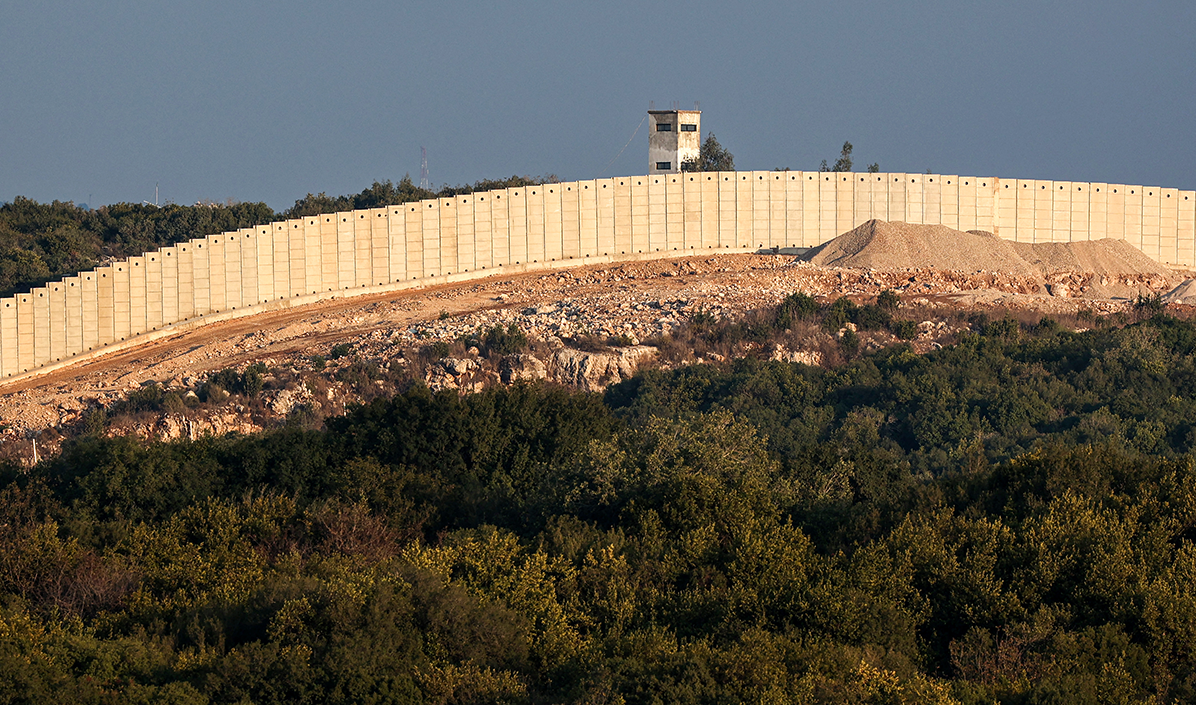
The central challenge facing Lebanon today is whether the country will graduate to functional statehood or continue struggling to survive. Yet with Lebanese officials now insisting that the state “monopolize arms” and become the decisive arbiter on matters of war and peace, a relevant question arises: Where, territorially, does Lebanon begin and end?
Has Pakistan agreed to use nuclear force to defend Saudi Arabia?
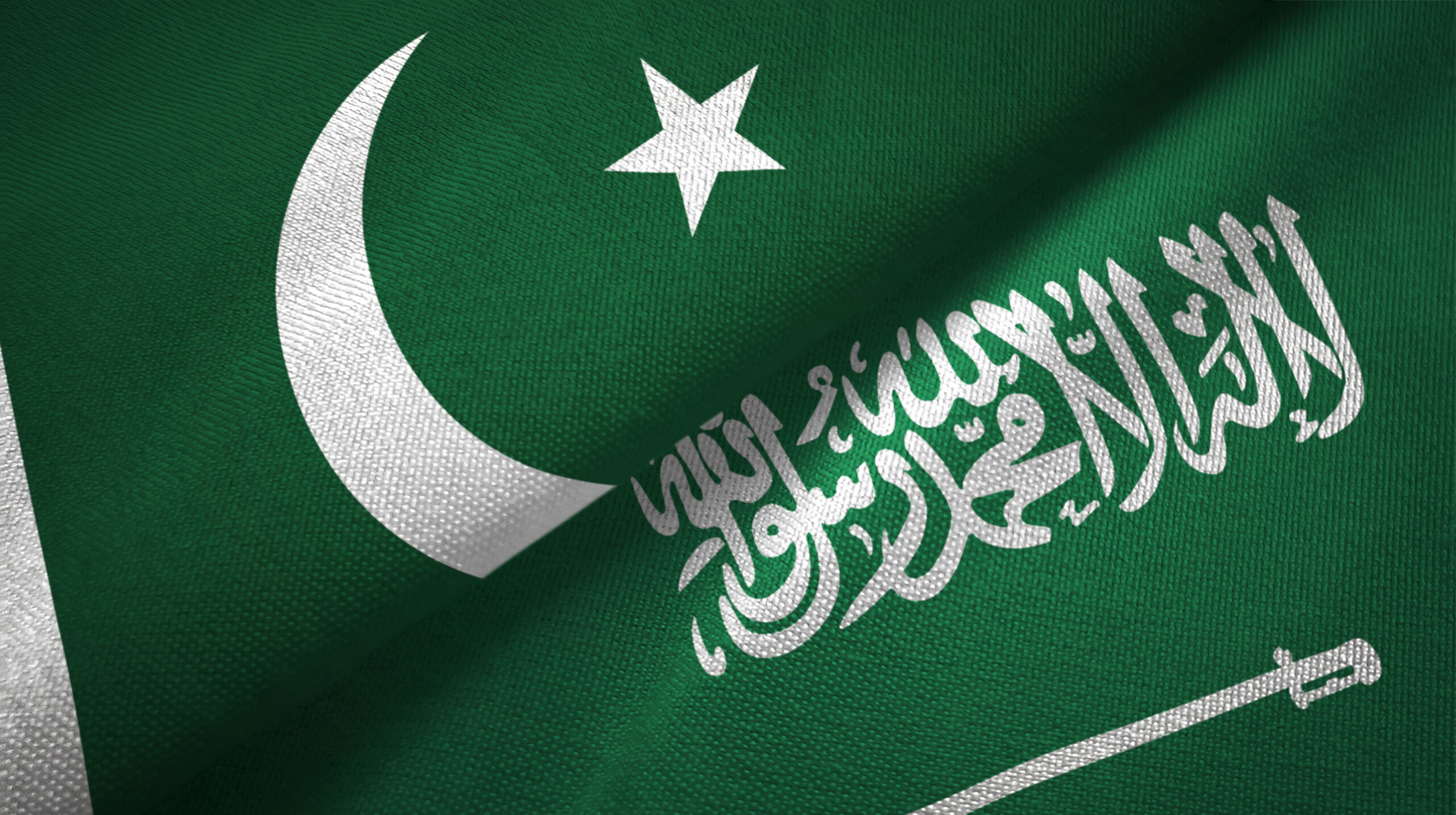
Saudi Arabia and Pakistan signed a mutual defense pact on September 17, 2025, declaring that “any aggression against either country shall be considered an aggression against both.” The wording of the agreement sparked speculation that Pakistan might use its nuclear capabilities to defend Saudi Arabia. MEI’s F. Gregory Gause contends otherwise, offering insight into the history and strategic calculations driving the deal. To learn more about the deal, visit our website.
Pakistan’s strategic defense pact with Saudi Arabia: A new security architecture in the wider Middle East
Following Israel’s September 9 strike on Hamas targets in Qatar, Pakistan has taken swift and significant foreign policy steps in response and adopted an unusually assertive stance. This shift was largely influenced by Pakistan’s military chief, Field Marshal Asim Munir. The latter is determined to enhance his country’s strategic autonomy and diplomatic leverage in an increasingly complex international environment by positioning Pakistan as a key security actor and an emerging middle power on the global stage.
Silent leverage, quiet gains? China and the Saudi-Pakistan defense pact
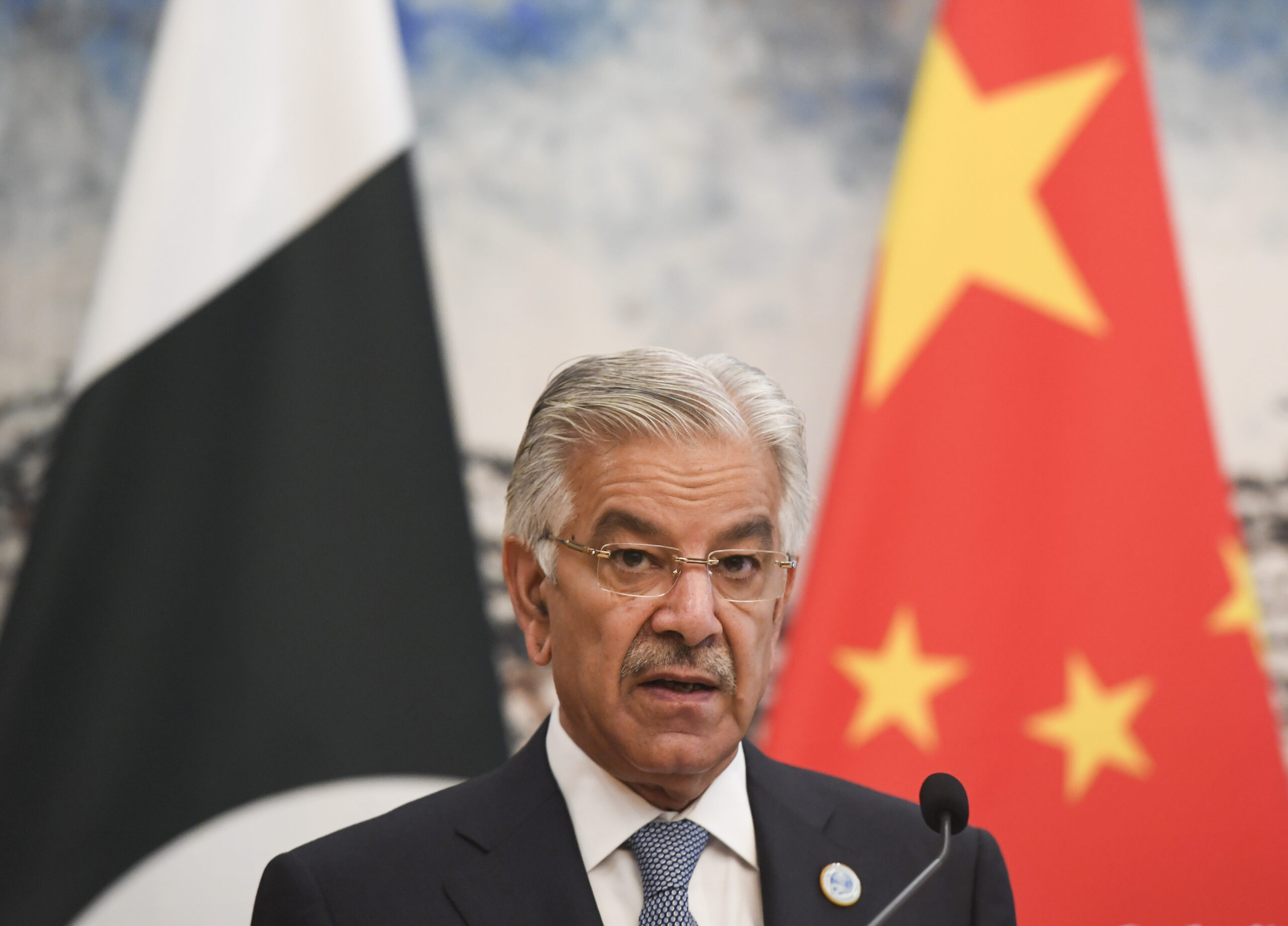
The Strategic Mutual Defense Agreement (SMDA) between Saudi Arabia and Pakistan, signed in Riyadh on September 17, is far more than a bilateral pledge. It represents a profound reordering of alignments in the Gulf and South Asia, reflecting and reinforcing the broader erosion of US preeminence in the Eurasian security architecture. While much of the initial commentary centered on the striking commitment of a wealthy Gulf monarchy to the defense of a nuclear-armed South Asian state, as well as the question of whether Pakistan had in fact extended its nuclear umbrella to Saudi Arabia, the deeper story is arguably China’s potential advance.
Don't believe the hype: The modest reality of the Saudi-Pakistani defense pact
The September 17 Saudi-Pakistani defense agreement generated a wave of overheated commentary about Saudi Arabia now residing under a Pakistani nuclear umbrella and how a new strategic reality was in the offing in the Persian Gulf and South Asian regions. Analysts need to slow their roll. Extended deterrence is an extremely difficult thing to pull off. The devil is in the details, about which we know nothing.
Water and Power: Egypt, Sudan, and Ethiopia at Odds Over Africa’s Largest Dam
In this episode of Middle East Focus, hosts Alistair Taylor and Matthew Czekaj are joined by MEI Senior Fellow Mirette F. Mabrouk to unpack the growing tensions over the recently inaugurated Grand Ethiopian Renaissance Dam (GERD) on the Nile.
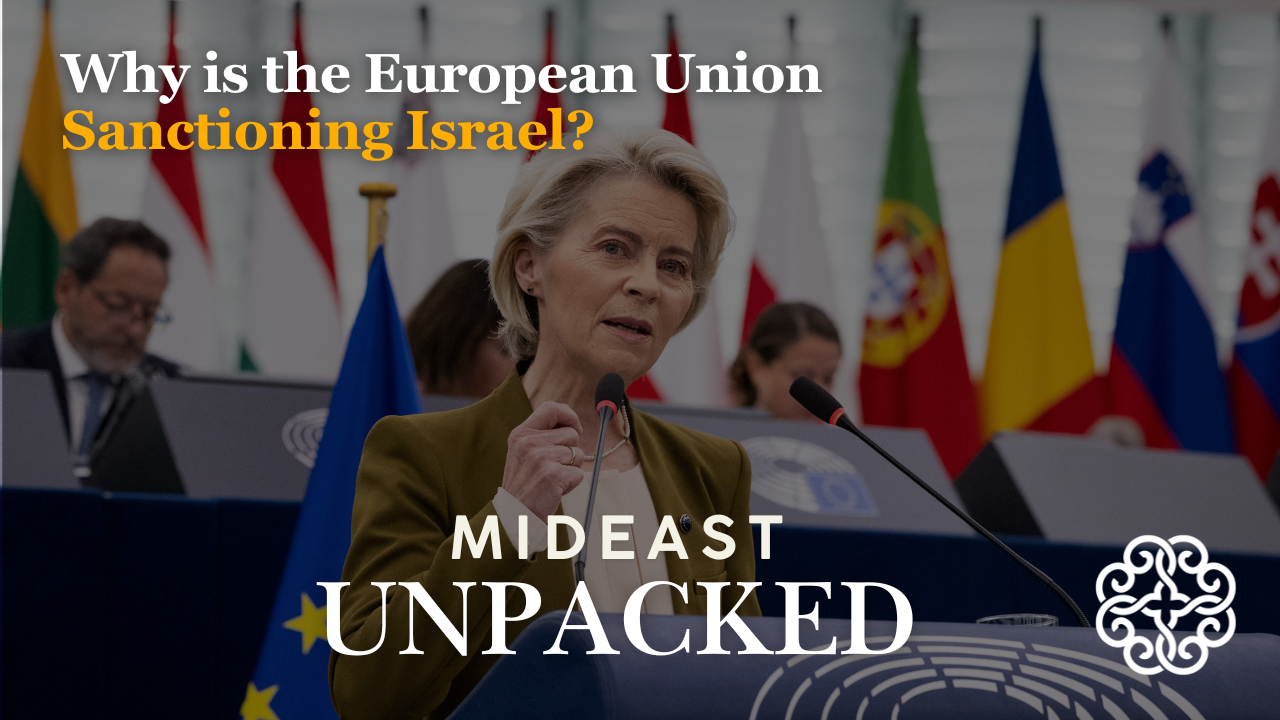
The European Union has announced plans to sanction Israel over the humanitarian crisis in Gaza. If adopted, the move would mark a historic shift in EU-Israel relations. MEI’s Iulia Joja unpacks the proposal’s background, what the sanctions would entail, and their potential impact on the EU’s position in the Middle East.
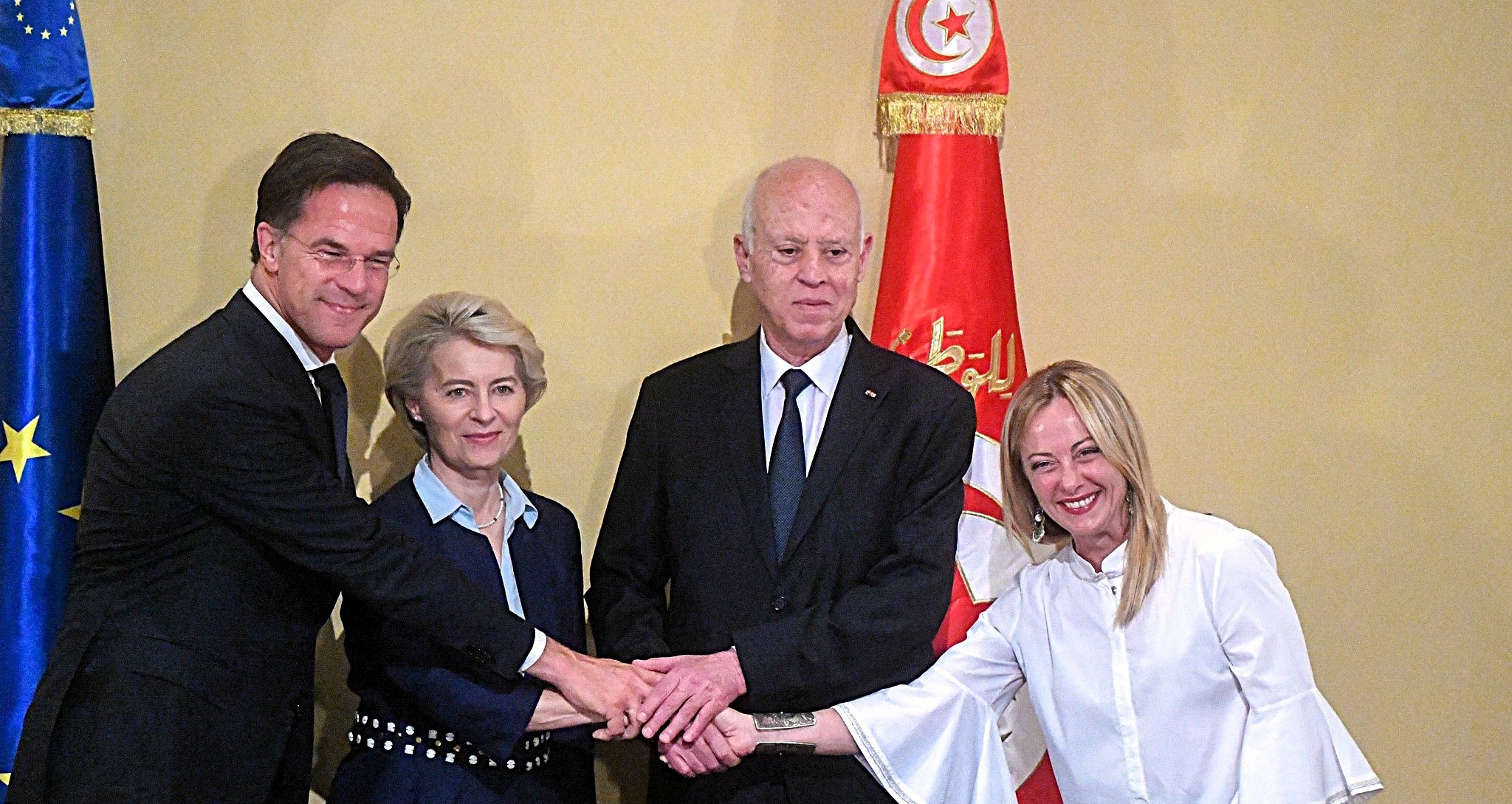
North African states are turning long-standing diplomatic relationships into new opportunities for leverage, using migration flows, energy supplies, and security partnerships as bargaining chips. These new tactics and strategies are reshaping regional diplomacy.
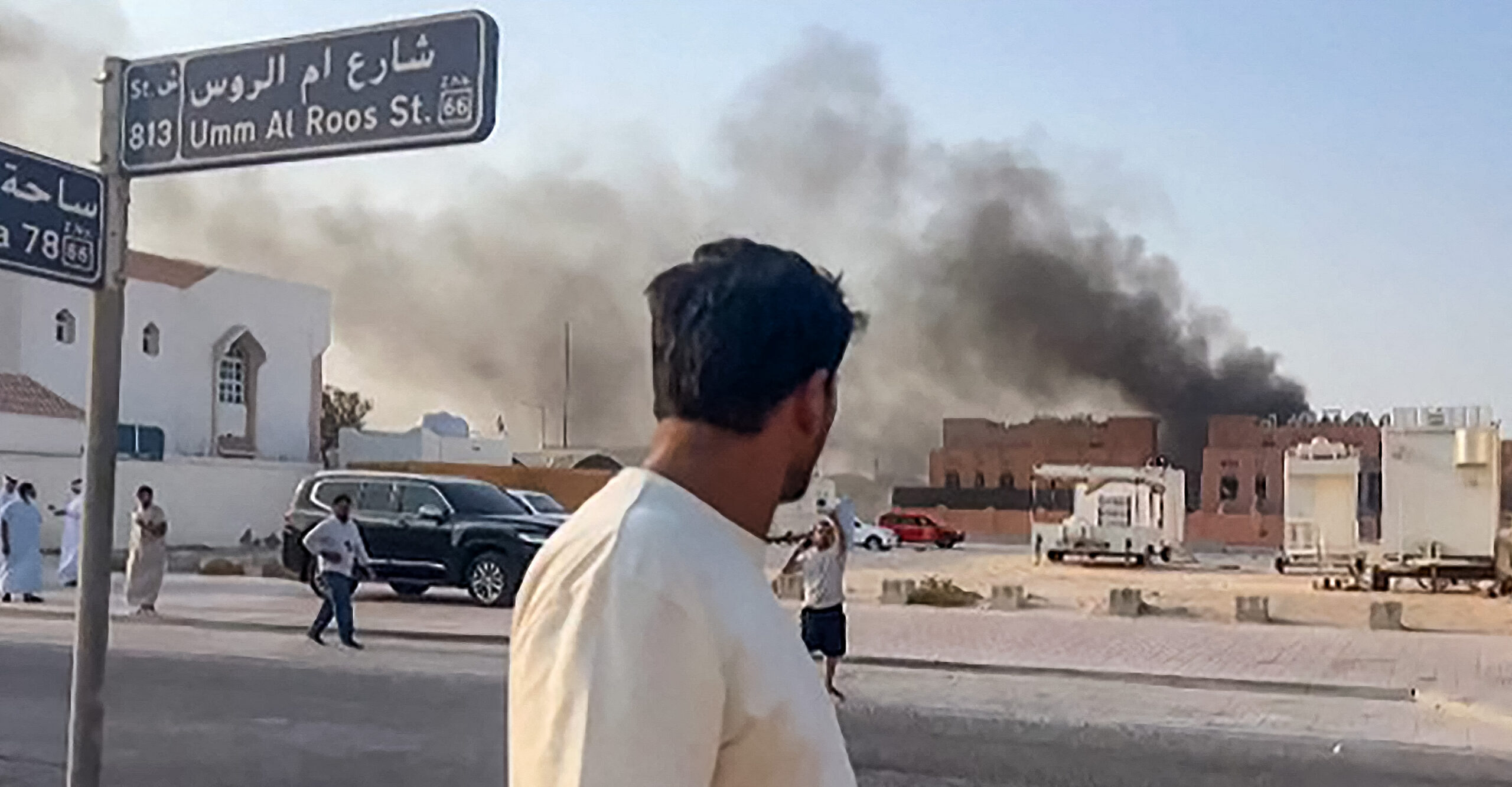
Israel’s Doha strike could further destabilize region, undermine US security partnerships
The reverberations of Israel’s strike on the Hamas negotiating team in Doha yesterday are still rippling across the globe and will continue to for the foreseeable future. Its ramifications are profound and will alter the geopolitical landscape not just in the Middle East but likely on a global scale.
The oldest peer-reviewed publication dedicated to the study of the modern Middle East, MEI’s flagship journal covers politics, society, and culture in the region.