The War That Followed Europe Home
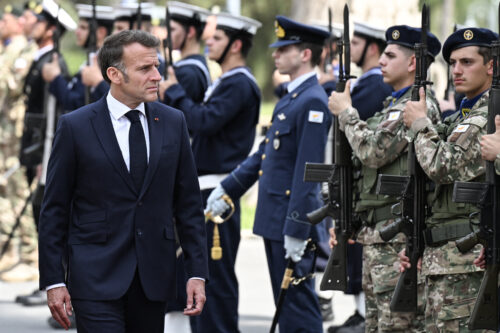
Europe did not choose the war with Iran, and most European governments still resist describing themselves as participants in it. But six months of military basing, missile-defense drawdowns, energy shocks, sanctions pressure and planning for possible migration crisis have made that distance harder to sustain.
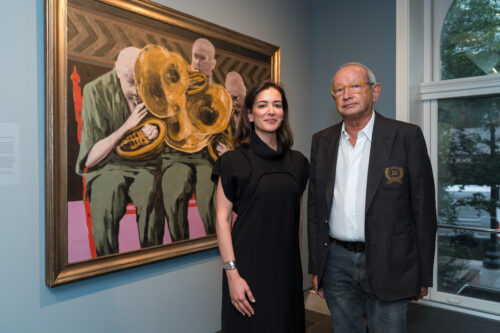

Old Rivals, New Alignments in North Africa
Algeria and Morocco have long been at odds, but recent diplomatic moves may signal a widening geopolitical split in North Africa. Hosts Alistair Taylor and Matthew Czekaj are joined by MEI Senior Fellow Intissar Fakir to unpack Algeria’s decision to sever diplomatic ties with the United Arab Emirates and Morocco’s warming relations with both the UAE and Israel. They also explore linkages between these diplomatic shifts and the Western Sahara conflict, Moroccan domestic concerns, particularly in light of this week’s elections, as well as broader regional stability.
Get updates from the Middle East Institute
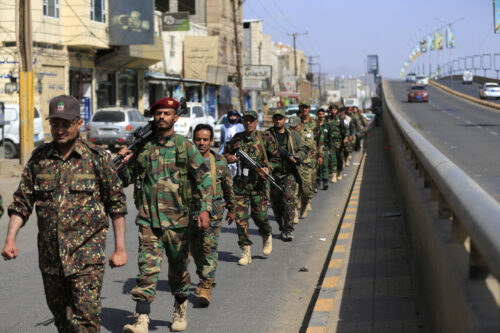
The Houthis: Iran’s Bargaining Chip With Washington
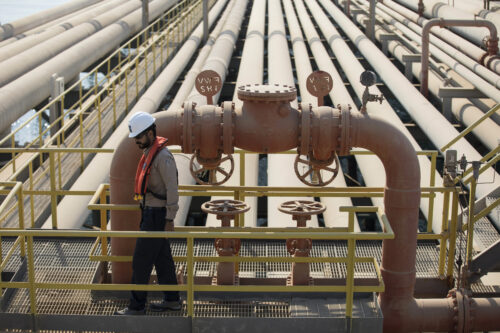
Shifting Vulnerability: Saudi Oil After the East-West Pipeline Attack
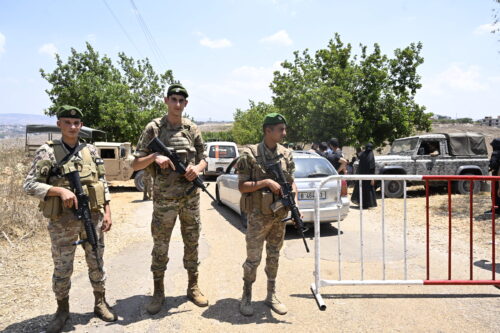
Consolidating Sovereignty, Security and Peace: Time to Step up the Game
Our Mission
The Middle East Institute aims to enhance peace, security, and people-to-people ties between the US and the Middle East by providing actionable foreign policy recommendations, rich cultural and educational programming, and opportunities for dialogue, engagement, and exchange.
Policy Experts
MEI has a deep roster of Fellows and Distinguished Fellows with extensive experience in military, diplomatic, and policy leadership.
Research & Analysis
Read in-depth research, analysis, and commentary from MEI’s fellows and experts on the Middle East.
Arts & Culture
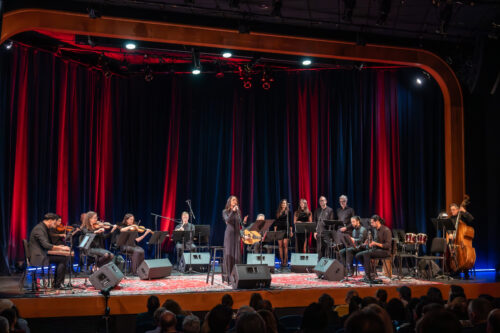
MEI’s Arts & Culture Center sits at the intersection of culture and policy, providing a platform for a deeper understanding of the Middle East.
Read the Middle East Journal
The oldest peer-reviewed publication dedicated to the study of the modern Middle East, MEI’s flagship journal covers politics, society, and culture in the region.