Ragui Assaad is Professor at the Humphrey Institute of Public Affairs at the University of Minnesota. He has written extensively on labor market and youth issues in the Middle East and North Africa. The author acknowledges the able research assistance of Stefan Johansson in the preparation of this essay.
The Latest from Ragui Assaad
A year into his return, Donald Trump has changed the Middle East – but he is only getting started
One of Donald Trump’s achievements was to bring about a ceasefire in Gaza, even if an imperfect one.
Iran’s coming reckoning: Regime collapse is likely — democracy is not
The collapse of the Iranian regime in its present form now seems more plausible than its survival as a functioning state. Yet the emergence of a democratic Iran remains far from certain. Between these two outcomes lies a volatile and dangerous middle ground. But much will depend on four factors.
What Ankara sees in Riyadh — and why it still needs Abu Dhabi
As the rivalry between Riyadh and Abu Dhabi sharpens in Yemen and beyond, Turkey has begun edging closer to Saudi Arabia, sparking claims that a new regional order is taking shape: a Turkey-Saudi axis backed by a NATO-like defense architecture, implicitly aligned against Israel and the United Arab Emirates. This reading overstates the case.
From Peripheries to Tehran: Iran’s New Geography of Protest
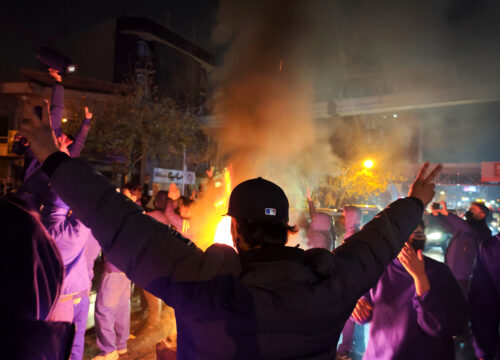
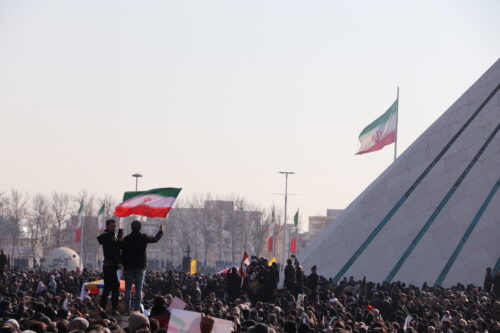
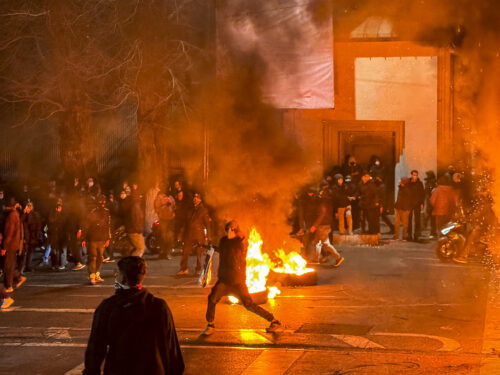
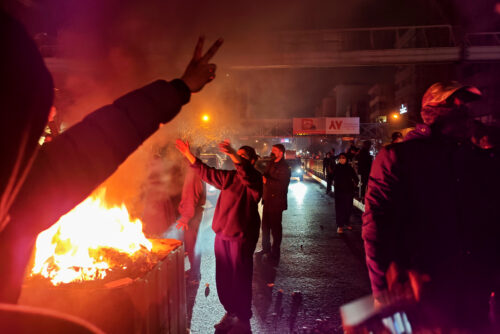
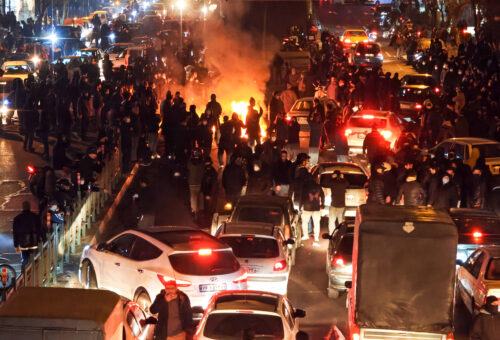
Iran is once again in the midst of nationwide unrest. Protests that erupted in late 2025—initially driven by an acute economic crisis rapidly spreading across the entire country—are ongoing. Whether this latest wave culminates in revolutionary rupture, regime adaptation, or a familiar cycle of repression and exhaustion remains uncertain. What is already clear, however, is that the structural forces animating the unrest extend far beyond the present.
At the heart of Iran’s protests lies a set of sharp and enduring regional disparities that have long shaped patterns of development, political control, and social mobilization. These center–periphery divides have repeatedly rendered Iran’s border provinces more vulnerable to deprivation, marginalization, and protest, while allowing the political and economic core to absorb shocks with greater resilience. Today, those divides are under unprecedented strain, as economic hardship is no longer confined to the margins but increasingly shared across the country.
Potential US military strikes on Iran: This won’t be another 12-Day War
President Donald Trump has sharply warned the Iranian regime to halt its brutal crackdown on protesters. Amid speculation that the US is preparing for military action in Iran, Washington should take the lessons and fundamentally different context of its successful June 2025 operation against the Islamic Republic into account as it plans for how to respond.
Iran protests seem different. They may lead to real change.
People are not protesting because they suddenly discovered activism. They are protesting because the habits of coping and waiting for conditions to improve have finally stopped working.
Assessing the Dangerous Unrest in Iran
Venezuela’s Shadow Over MENA: Perceptions and Precedents
Khamenei did this to himself. The US can help — without another Middle East quagmire
Last week, Iran’s Supreme Leader Ali Khamenei effectively greenlit mass killing to save his regime. His message was blunt: blood would be spilled to preserve the system. His security forces followed through, unleashing a level of violence against protesters that even by the Islamic Republic’s grim standards marks a dangerous escalation.
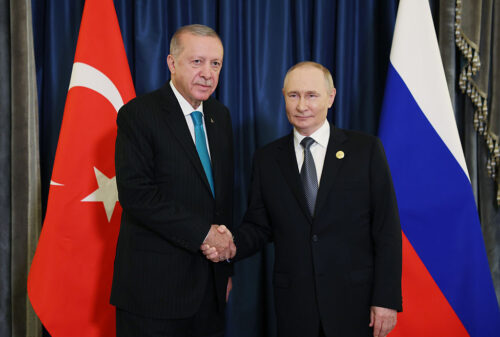
Balancing on a Fault Line: Turkey Between Russia, Ukraine, and the US
Can Iran’s Regime Survive This?
How Damascus and the SDF came to blows in Aleppo — and what might come next
After months of building tensions, full-blown hostilities erupted between Syria’s transitional government and militia fighters linked to the Syrian Democratic Forces (SDF) in Aleppo on January 6. Through four days of fighting, government forces have now assumed full control of Syria’s second city, after expelling SDF-linked forces from its northwestern districts.
A New Phase in Vision 2030: From Strategic Exemptions to Broad Ownership
Saudi Arabia is making a bold push to rewire the rules of the game for foreign investment within the Kingdom. The proposed lifting of the 49 percent foreign‐ownership cap in publicly listed companies is emerging as the next frontier of that effort. This reform, scheduled to take effect on February 1, could change the calculus for active and passive global capital, drive fresh scrutiny of regulatory constraints, and test the Kingdom’s ability to follow through in what may prove to be a tight balance between opening up and preserving sovereign control.
Trump, Maduro, and Iran
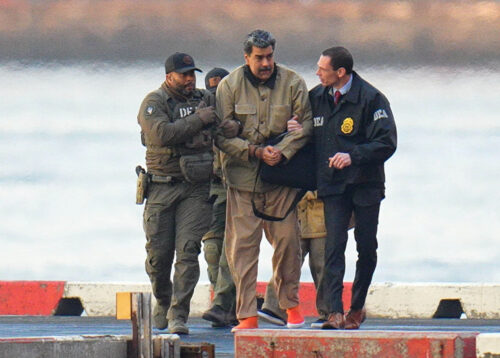
America’s dramatic capture of Venezuelan dictator Nicolas Maduro has set the stage for the conduct of America’s national security strategy in 2026. It has also raised questions.