Rebecca Anne Proctor is an independent journalist, editor, author, and broadcaster based in Dubai and Rome, from where she covers the Middle East and North Africa. She is the former editor-in-chief of Harper’s Bazaar Art and Harper’s Bazaar Interiors.
The Latest from Rebecca Anne Proctor
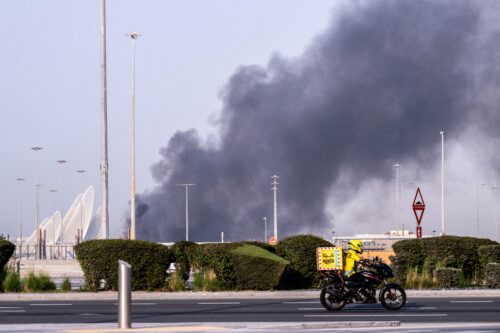
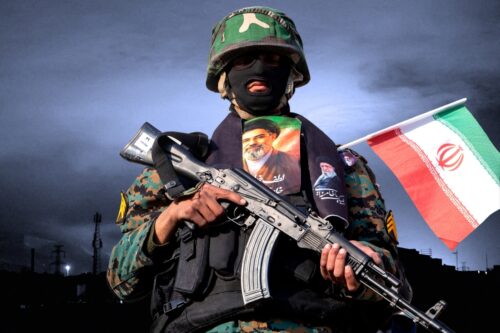
Decapitation strikes unlikely to topple Iran’s regime

The Kurdish Card: Can Iranian Kurds Shape the War’s Endgame?
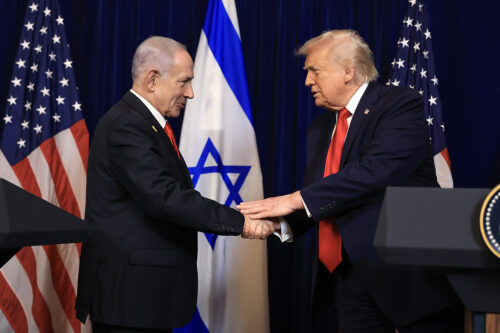
If the Regime Survives: Iran War Raises the Ante for US, Israel
The United States and Israel both hope for the grand prize: the emergence of a new regime in Iran to replace the Islamic Republic. For the US, this would close the chapter on a hostile and at times violent relationship that has endured since 1979. For Israel, this would see the end not only of a regime with a deep ideological commitment against it but also the foe that Israel sees as behind all fronts of the war it has fought since October 7, 2023.
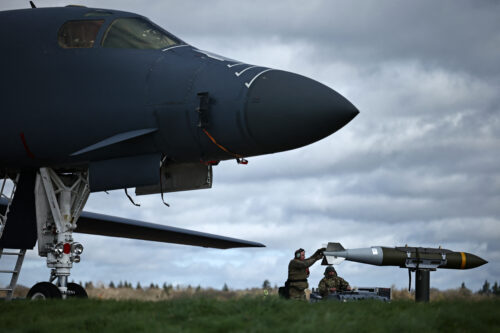
How the US and Israel Can Stave off Strategic Failure in Iran
Despite a dazzling military onslaught, an Iranian regime that faces a threat to its very existence is demonstrating an entirely predictable willingness to stay the course at all costs. As things stand now, the joint US-Israeli war risks ending in military victory but becoming a strategic failure.

Surviving October 7th: Amir Tibon on Trauma, War, and Israel’s Future
Brian is joined by Amir Tibon, a journalist for Haaretz and the author of The Gates of Gaza: A Story of Betrayal, Survival, and Hope in Israel’s Borderlands and The Last Palestinian: The Rise and Reign of Mahmoud Abbas. On October 7, 2023, the Tibon family’s lives were changed forever when Hamas militants invaded Nahal Oz kibbutz, destroying their community, brutally killing their neighbors, and taking others hostage. Together, Brian and Amir examine the fallout from the events of October 7th, how public opinion in Israel and the United States has shifted over the past two and a half years, Israeli Prime Minister Benjamin Netanyahu’s political strategy, and what this all means for the future of Israel and its relationship with Palestinians and the broader region.
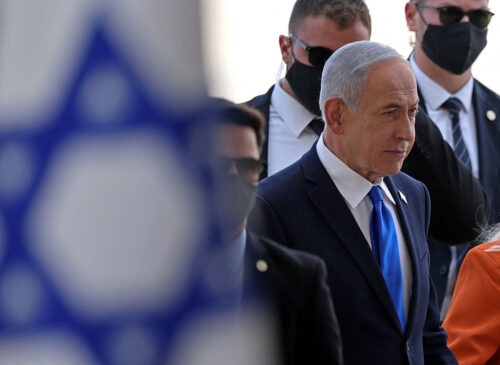
War with Iran: A view from Israel
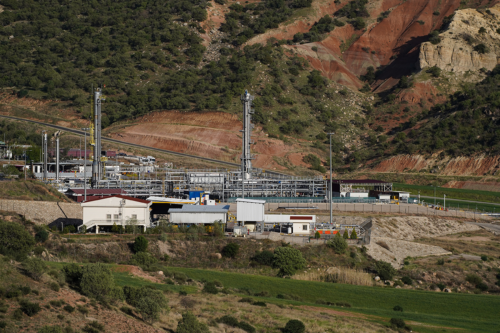
Iraq’s oil paralysis: A self-inflicted wound and a gift to Tehran
With the Strait of Hormuz closed and oil production from Iraq’s south in free fall, Baghdad’s failure to maximize the Iraq-Turkey Pipeline is no longer a policy dispute. It is a national emergency.
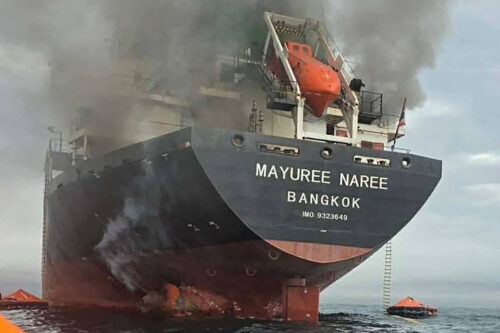
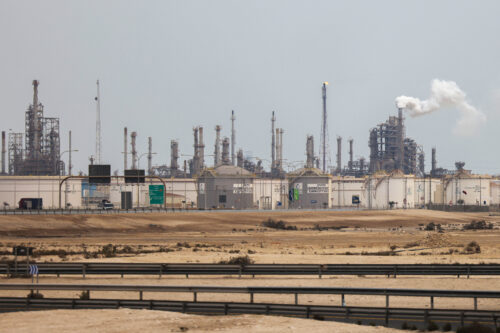
Tripartite Gulf Power: The Diverging Geoeconomics of Saudi Arabia, the UAE, and Qatar, and the Implications for MENA and the Global Order
While acknowledging the centrality of security tensions and potential conflict in the Gulf, this essay intentionally sets aside a detailed treatment of military and hard-power dynamics, concentrating instead on the geoeconomic logics of capital, infrastructure, energy, and connectivity, through which Gulf states now articulate power in a fragmented world order.
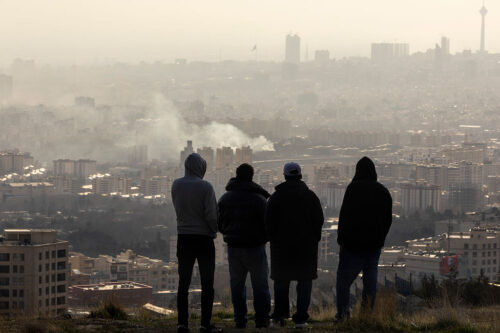
The Broadening Conflict: Security Developments and Regional Escalation
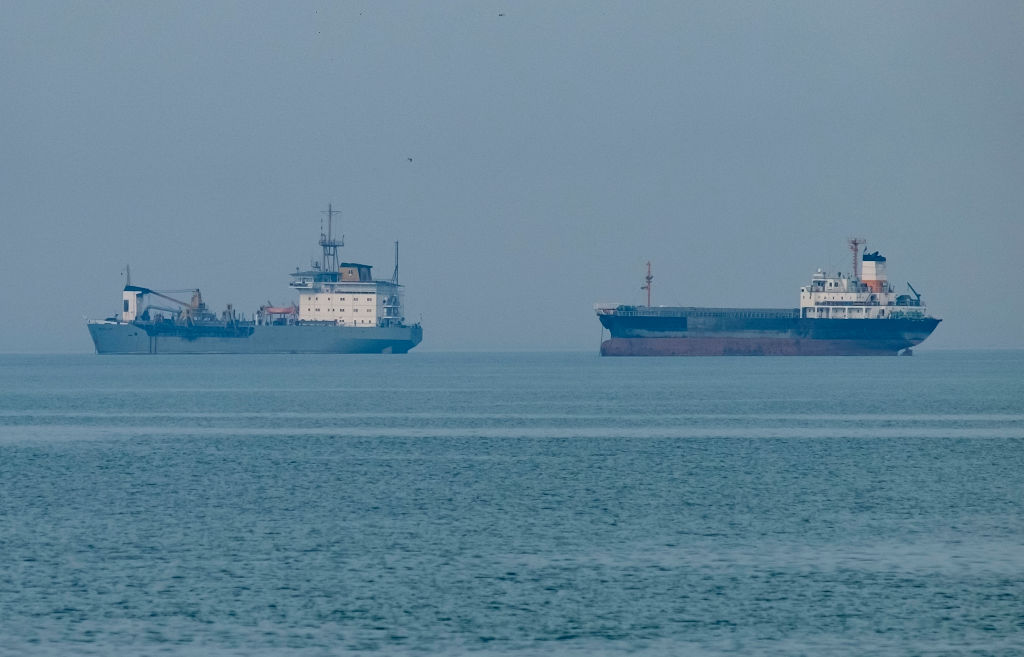
Shockwaves Across Asia: The Iran War’s Strategic Fallout
The Israeli-U.S. military strikes on Iran that began on February 28 have done more than ignite a Middle Eastern war. They have sent shockwaves rolling across Asia, from the Strait of Hormuz to the Sea of Japan, exposing the brittle underpinnings of regional energy systems, straining diplomatic balancing acts, and forcing governments to make hard choices they have long deferred.

Can Turkey Stay Out of the Iran War?
West Asia: A New American Grand Strategy in the Middle East
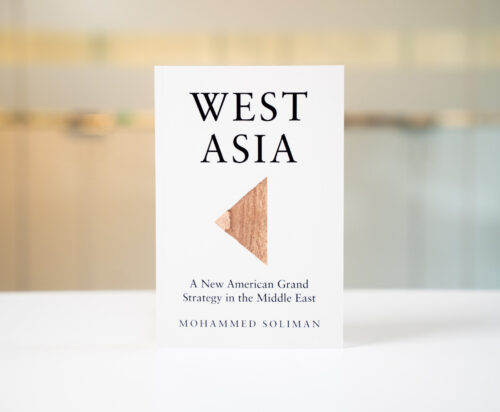
Book Launch Event
West Asia: A New American Grand Strategy in the Middle East
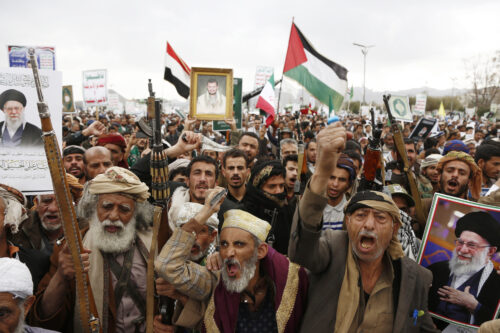
Iran’s Insurance Policy: Why the Houthis Have Stayed out of the Fight
Nearly two weeks into the Iran war, one of Tehran’s most capable and disruptive regional allies, Yemen’s Houthi movement, has not entered the fight. The Houthis’ restraint reflects a strategic calculation by Iran’s Islamic Revolutionary Guard Corps.



