The Coming Debate Over the US Military Presence in the Gulf
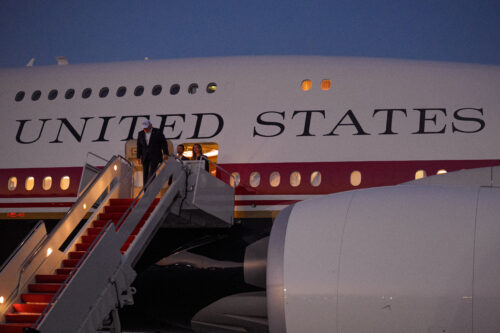
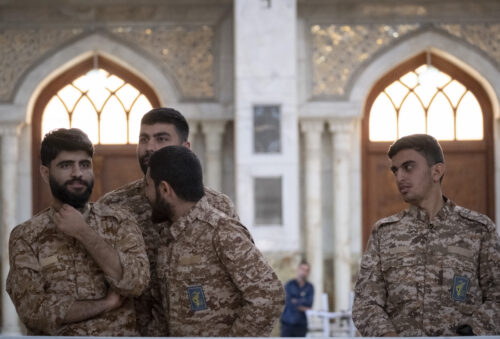
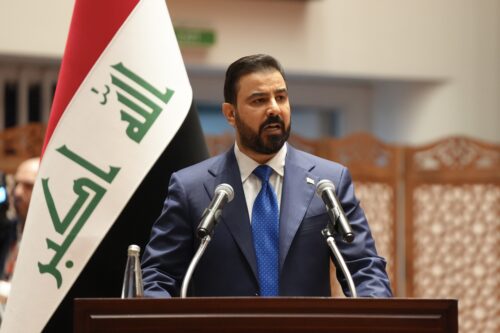
The war with Iran is hardly over, but the debate over the shape and nature of the post-conflict American posture in the Gulf region is just beginning. Undoubtedly, how the war ends will affect how the United States adjusts its role. While this debate is still in its early stages, something of a conventional wisdom is already developing in policy circles that could seriously compromise American influence in the Middle East.
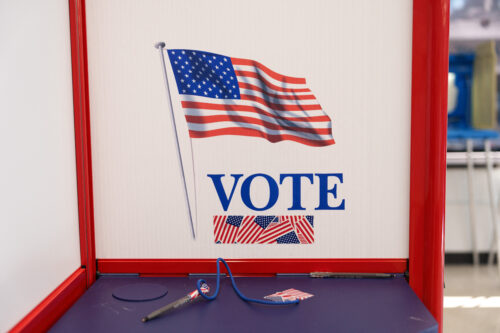
Curb Your Enthusiasm: Why the Midterms Might Not Change Much in US Middle East Policy
With less than a week before the midterm elections in the United States, the spotlight is on the economy and cultural divides. US foreign policy remains mostly on the sidelines, but this year’s inconclusive Iran war and its effect on America’s economy have shaped the broader political environment in this electoral cycle.
The Multiple Costs of the US–Iran War – From Hormuz to Europe and South Asia: The Widening Economic and Political Geography of the Conflict
Wars are decided by those who hold military power, but their costs are increasingly borne by those who have little or no voice in the decisions that start them. The US–Iran war shows this imbalance very clearly. Its economic consequences have gone far beyond the battlefield and have disrupted energy markets, trade routes, food supplies, public finances and investment in the Gulf, Europe, Africa and Asia. The most striking feature of the conflict, however, is not only the size of the damage but its very unequal distribution.
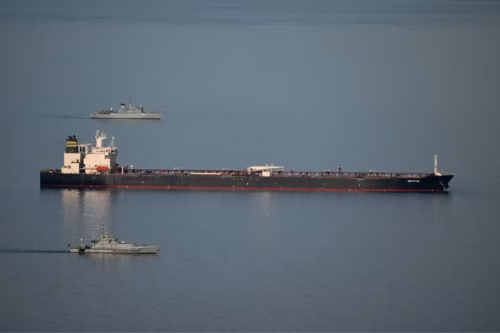
The ‘navalization’ of economic warfare sees trade routes become zones of force rather than rules
With more than 80% of global trade by volume being transported by sea, maritime shipping lanes are indispensable to the world economy. That fact was starkly illustrated by the war in Iran, which saw Tehran effectively close the Strait of Hormuz to commercial traffic and Washington respond with a blockade of Iranian ports.
Trump’s Family Business Deals Risk Further Undermining the Credibility of US Middle East Policy
President Trump’s family businesses are once again in the spotlight as a new financial disclosure showed they earned $2 billion in income in 2025 — a dramatic increase on the year before, with much of it coming from Gulf entities, raising emoluments concerns. Mounting perceptions of corruption, combined with unresolved crises in Iran and Israel-Palestine, are eroding trust among key partners in the Middle East. With the 2026 midterms approaching, these entanglements could represent a major political vulnerability and further undermine America’s already-strained standing in the region.
After the US-Israel-Iran war — and the strikes that followed the cease-fire — the Gulf states find themselves dangerously exposed. Host Alistair Taylor is joined by MEI Associate Fellow Gregory Gause to discuss the war’s impact on the Gulf, their partnership with the United States, and whether the turmoil of recent months will push Gulf leaders to reassess their alliances and international engagement.
The Other MoU: Launching a Europe-Gulf Resilience Initiative After the US-Iran Deal
The Islamabad Memorandum of Understanding (MoU) between the United States and Iran may have ended one of the most consequential Middle Eastern crises in decades, but it has not resolved the strategic problem it exposed. Whether the 60-day talks it set in motion will produce a final agreement remains far from certain.Yet the central lessons are already clear: Iran has preserved significant leverage, Washington has had to scale back its ambitions, and Europe and the Gulf face the prospect of protracted regional tension. Europe and the Gulf should therefore use the aftermath of the US-Iran deal to articulate their own “other MoU”: a Europe-Gulf Resilience initiative.
A Post-War Model for Verifying Iran’s Missile Arsenal
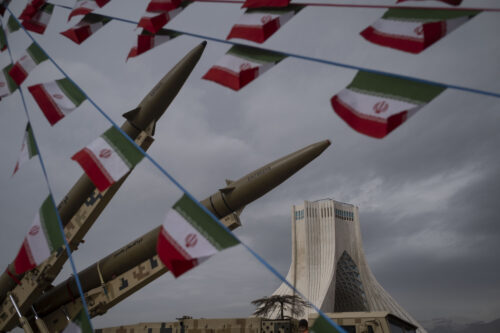
This study proposes a model for constraining and verifying Iran’s ballistic missile arsenal by employing a layered Strategic Verification Model with seven components: comprehensive baseline declarations; missile test and launch monitoring; intrusive inspections; quantitative and qualitative limits on missile capabilities; production controls, especially on solid-fuel manufacturing; a robust enforcement and compliance architecture; and regional confidence building measures.
The 2026 Iran war has made Lebanon a core Gulf security concern, and Saudi Arabia, the UAE, and Qatar now have a narrow opportunity to curb Hizballah’s influence by leading reconstruction, strengthening Lebanese state institutions, and tying economic re-engagement to reform.
After nearly four months of war, the US and Iran have signed a 14-point memorandum of understanding declaring the conflict over, reopening the Strait of Hormuz, and beginning talks toward a final deal. Alan Eyre, MEI Distinguished Diplomatic Fellow and a core member of the 2015 JCPOA negotiating team, joins host Alistair Taylor to unpack the deal’s implications for both countries, its ripple effects across the region, and what a lasting settlement would take.
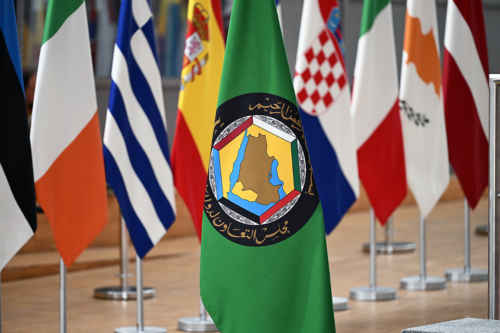
This backgrounder provides an overview of the Gulf Cooperation Council (GCC), a regional political and economic alliance comprising six states in the Arabian Peninsula: Bahrain, Kuwait, Oman, Qatar, Saudi Arabia, and the United Arab Emirates.
The oldest peer-reviewed publication dedicated to the study of the modern Middle East, MEI’s flagship journal covers politics, society, and culture in the region.