The Unavoidable Neighbor: Managing Iran Beyond the War
Gulf states and their partners are increasingly looking beyond their most immediate interests of containing the war with Iran. While recent talks between Saudi Arabia, Turkey, Pakistan, and Iran have kept de-escalation on the agenda, a broader regional security framework and non-aggression pact has also emerged, envisioning a longer-lasting solution to regional conflicts. The talks have yet to produce a settlement, but they reflect a growing recognition that Gulf security cannot depend entirely on Washington. Iran will still be there, and its neighbors will have to find ways of living with it.
Recent Elections and What They May Mean for the Middle East
Recent elections for the Israeli Knesset and American Congress may make less of a difference in the Middle East than some people think. Elections are significant indicators of national political trends, but do not always translate into changes in national security strategies. That is likely the case now in both nations.
The Coming Debate Over the US Military Presence in the Gulf
The war with Iran is hardly over, but the debate over the shape and nature of the post-conflict American posture in the Gulf region is just beginning. Undoubtedly, how the war ends will affect how the United States adjusts its role. While this debate is still in its early stages, something of a conventional wisdom is already developing in policy circles that could seriously compromise American influence in the Middle East.
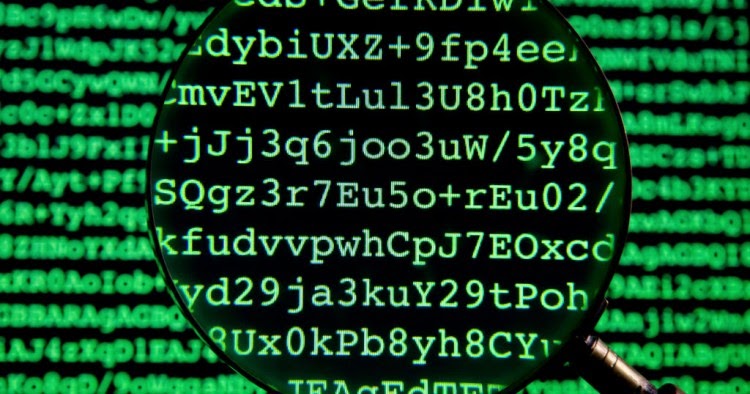
Iran’s internet shutdown last year was an exercise of its digital power that had been years in the making. Since 2013, the Iranian government has invested heavily in developing its domestic internet known as the National Information Network (NIN). With critical internet infrastructure under its control, the Iranian government can isolate its citizens from the global internet by filtering content, restricting communications, and controlling which platforms they can use.
What could environmental cooperation between Iran and the GCC look like?
The Persian Gulf states are among the most vulnerable on earth to the effects of climate change, which makes environmental cooperation necessary for their survival. Located in one of the hottest and driest parts of the planet, the region is vulnerable to extreme heat waves, dust storms, and water scarcity. All of these will increase in frequency and severity with further climate change. Protecting the natural environment of the region is not just an ecological concern, but a security one as well. Unmitagated climate change could spur conflict over limited resources and produce waves of migrants. While the future may seem bleak, environmental cooperation also presents a unique opportunity for improving the relationship between the Gulf Cooperation Council (GCC) states and Iran. Successes from cooperation on essential environmental issues could be the start of a more general rapprochement.
Artists Asim Ahmed, Reem Aljeally, and Jamila Rizgalla join guest host Lyne Sneige to discuss the challenges facing artists across the region during the global pandemic. Their works are featured in MEI’s first ever open call exhibition, titled “Art in Isolation: Creativity in the Time of Covid-19,” which is on display at the MEI Art Gallery until January 29. The pieces can also be viewed and are for sale online.
A recipe for intolerance: Iran’s blueprint for cracking down on Christians
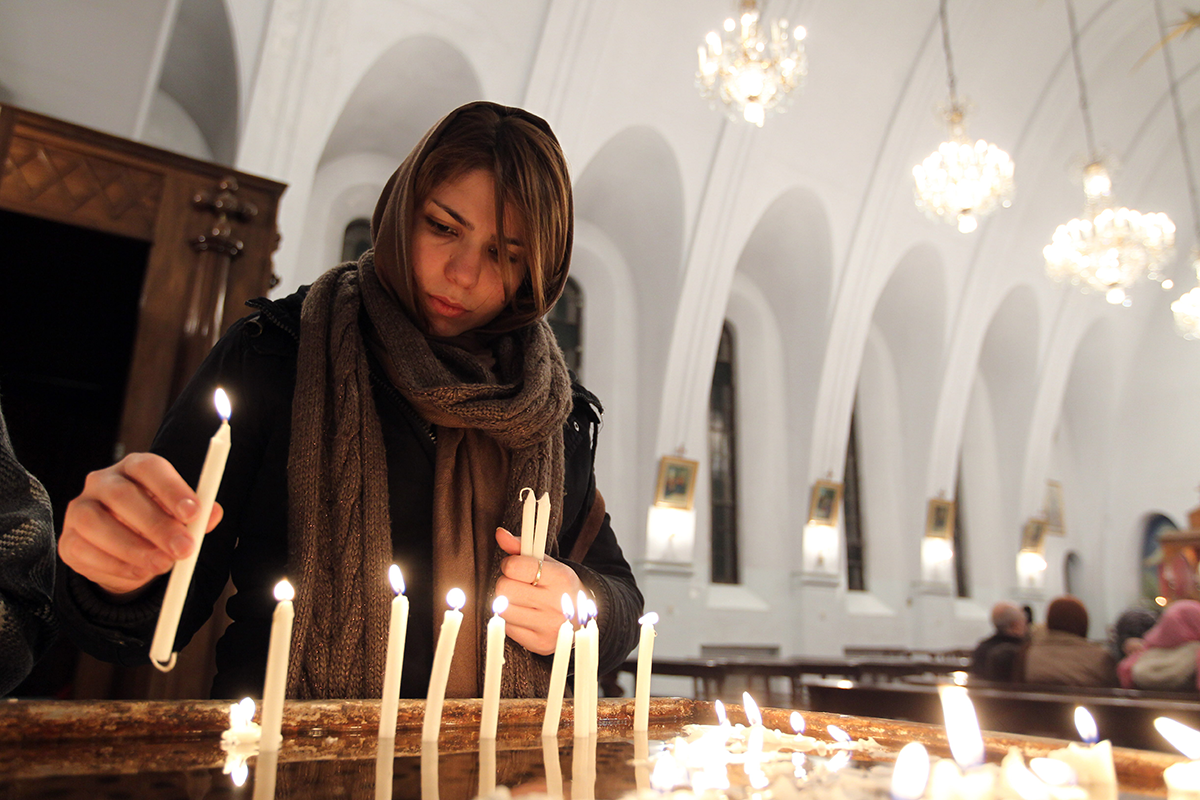
the reality of life for religious minorities in the Islamic Republic of Iran has proven very different, as many Iranians will attest, regardless of their political or religious viewpoints. One recent illustration is the 80 lashes given to two Christian converts in the past two months for drinking wine as part of Holy Communion. One of these converts is currently serving a six-year prison sentence; the other is in internal exile, having already spent two years in prison. The charge against them? “Acting against national security by establishing house-churches and promoting ‘Zionist’ Christianity.” In the regime’s eyes, these converts, and all others like them — a recent survey suggests there may be as many as 1 million — are no Christians. They are erring Muslims. So any punishment is justified.And in spite of what regime figures like to say about the “tolerance” of the Islamic Republic, from the early days of the revolution — as soon as they were firmly in power — the ayatollahs began a crackdown on civil and religious liberties.
The Middle East and American Democracy’s Near-Death Experience
The fascination with the peaceful removal of leaders by a simple vote in the United States has always contrasted painfully with the inability of most Middle Eastern populations to do the same.
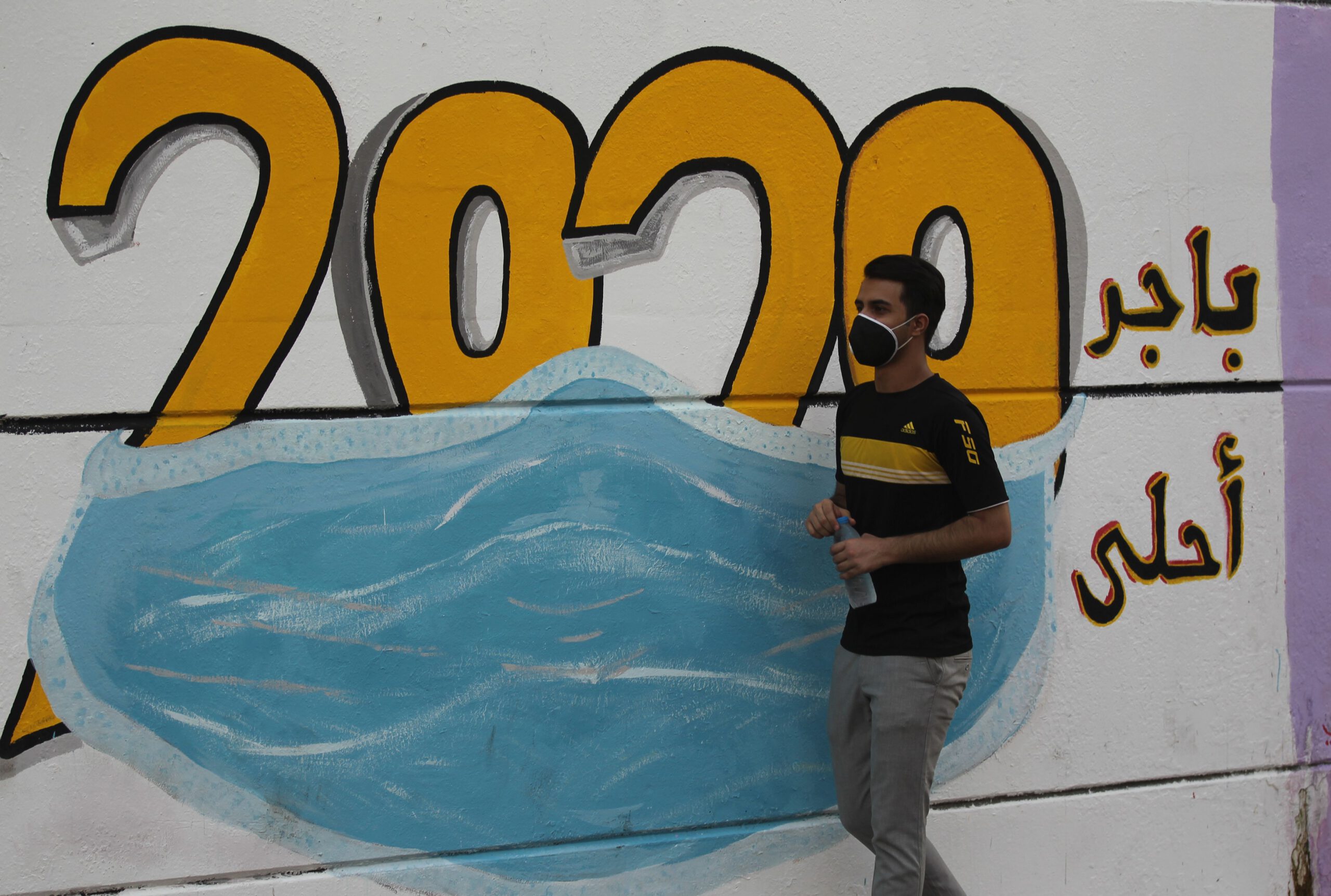
Iraqi authorities have taken a series of preventative and remedial measures to deal with the pandemic and its second order effects. However, since early June, the number of positive COVID cases has soared, while job losses and rising prices have caused the national poverty rate to climb. Three overlapping segments of the Iraqi population — the forcibly displaced, women, and children — have been hit especially hard by the public health and socioeconomic impacts of COVID-19.
Monday Briefing: An end to the intra-GCC dispute: Headline or hype?
This week’s briefing on recent news and upcoming events in the region featuring Gerald Feierstein, W. Robert Pearson, Mirette F. Mabrouk, Paul Scham, and Marvin G. Weinbaum.
Special Briefing: The Trump administration’s potential last-minute Middle East policy moves
From Israel/Palestine and Lebanon to Iran and Afghanistan, there are a number of areas where the Trump administration may make policy moves before leaving office on Jan. 20. Experts from across MEI weigh in with their thoughts on what to watch out for over the next seven weeks.
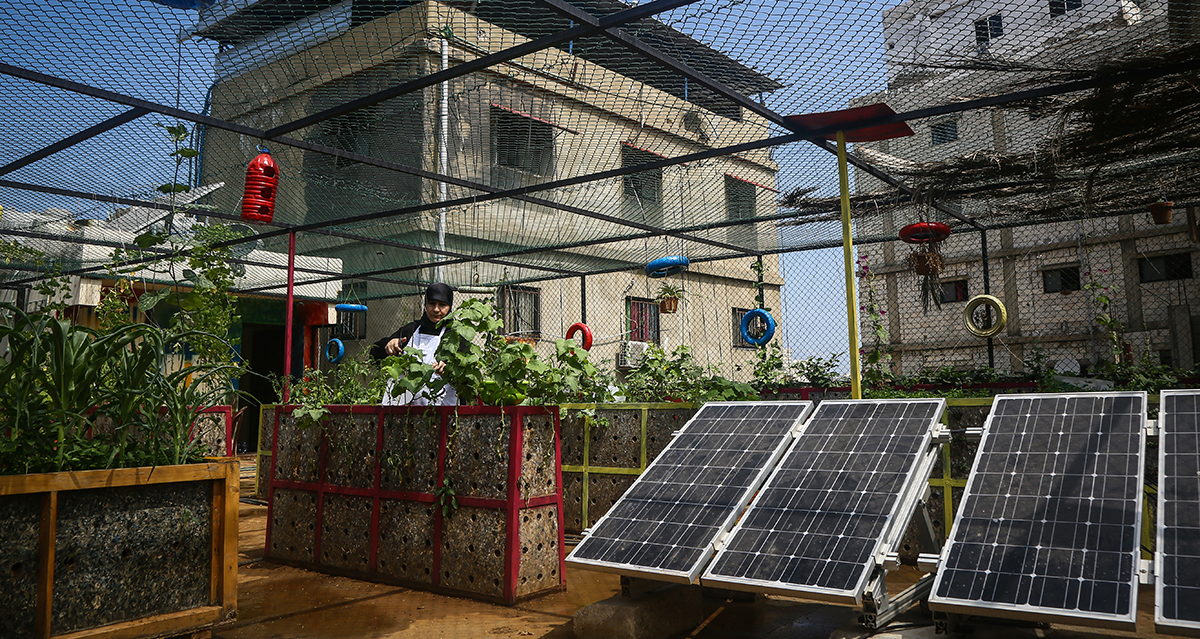
DIY futures in the Middle East: What if small got bigger?
It’s difficult to look at the Middle East and consider its future optimistically. Much of the analysis of the region centers on crisis and collapse. There is plenty of both, fueled by wars and civil conflicts, poverty, extremism, and more. Given the human toll, focusing on all this is natural. It is also necessary if solutions to deeply rooted problems are ever to be developed, leading to a better future.A related risk is becoming blinded to “weak signals” — early indicators of what could become features of potential alternative futures. Weak signals are developments that are emerging outside the dominant norms and trends of today. In the Middle East, probably the most dominant norm is the inability of governments throughout the region to provide security and prosperity for their citizens. The COVID-19 pandemic is making this even more apparent, and markedly worse. It is not just the obvious failed states — as Steven Cook recently observed, “sometimes state failure is a more chronic condition.” But in the midst of this — and fueled by it — there is evidence of activities at the local level to create what is missing. Could these be signals of a future different than the one it is so easy to expect for the region?
“Deeds matter most” was the official diplomatic response to Joe Biden’s election from the Islamic Republic’s foreign minister, Javad Zarif. It came in the form of an early morning Tweet, an appropriate medium given the new political norm established in recent years. The statement read like one from a career diplomat urging “dignity, interest, and responsible diplomacy,” based not on empty rhetoric, but on actions — measurable steps that would demonstrate each side’s commitment to “multilateralism, cooperation, respect for law …” Yet the tweet’s author, Mr. Zarif, has a history of practicing the age-old political principle of “do as I say, not as I do.” Indeed, when it comes to U.S.-Iran relations, the month of November is the perfect time to assess each side’s deeds in this decades-old conflict. Bombastic rhetoric has been a hallmark of this rancorous relationship since Islamic revolutionaries stormed America’s embassy in Tehran in early November 41 years ago. Yet for all the regime’s bluster, including slogans like “Death to America,” its deeds, especially toward Iranians, speak much more loudly.
Elana DeLozier and Jerry Feierstein join host Alistair Taylor to discuss prospects for US-Gulf relations and regional policy under the Biden presidency.
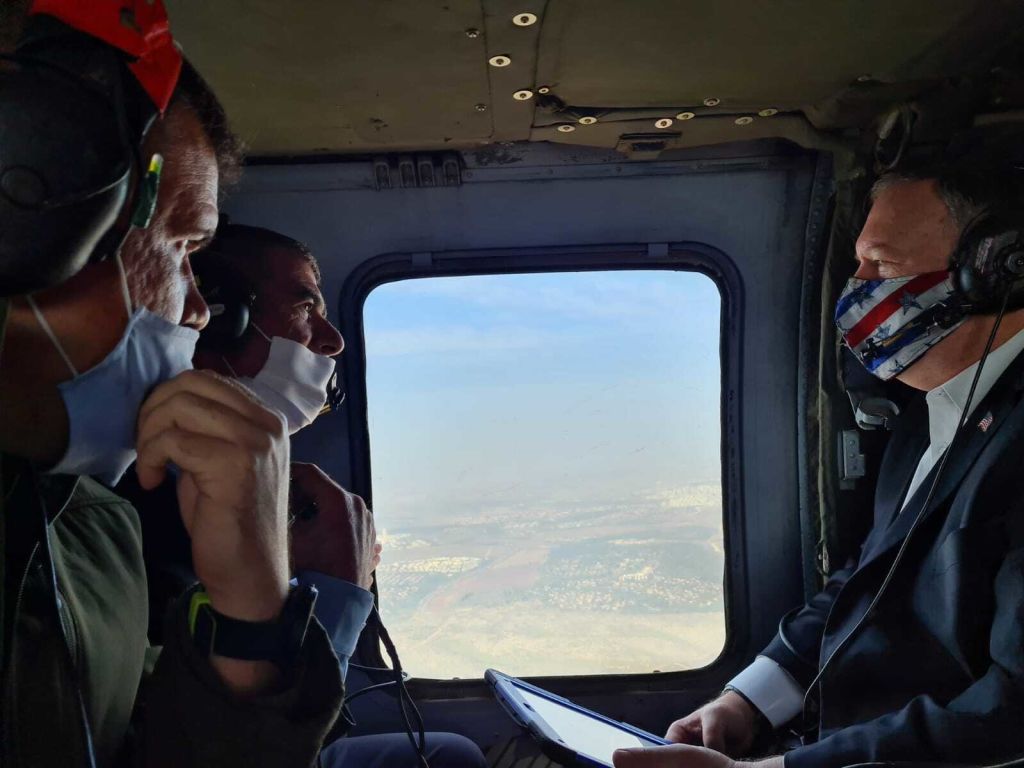
Monday Briefing: Pompeo’s Middle East farewell tour
This week’s briefing on recent news and upcoming events in the region featuring Gerald Feierstein, Mirette F. Mabrouk, Fatima Abo Alasrar, Marvin G. Weinbaum, and Yesar Al-Maleki.
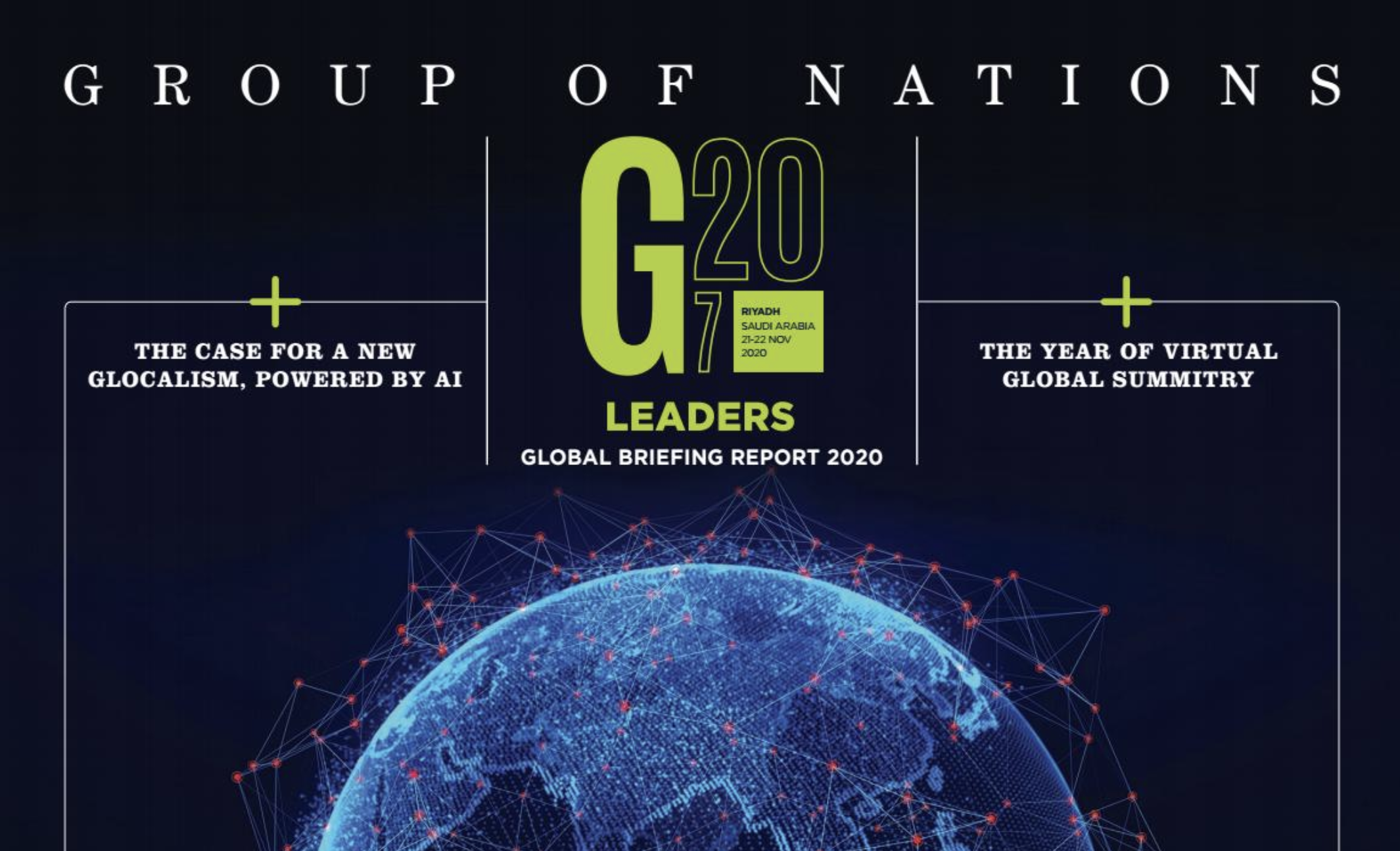
A virtual G20 summit underscores this importance of this year's agenda
This year, the G20 summit will be held virtually. As a result, the world will be deprived of the customary images that surround these events… the group photos, the glittering halls wither flag-festooned conference tables, the luxurious surroundings where the world’s most powerful political leaders gather to bread bread and discuss the critical issues of the day over lavish banquets.
The oldest peer-reviewed publication dedicated to the study of the modern Middle East, MEI’s flagship journal covers politics, society, and culture in the region.