Skip to Content
Special Episode: Saudi Oil After the East-West Pipeline Attack
  • Podcast
  • Special Episode: Saudi Oil After the East-West Pipeline Attack

    Saudi Arabia’s East-West pipeline is back in operation after a drone attack from Iraq, blamed on Iran-backed militias, shut it down for nearly two weeks. The pipeline is the kingdom’s main way to export oil while the Strait of Hormuz is closed, so the shutdown dealt another blow to global energy markets. How vulnerable is this route, and what does that mean for the kingdom and the world economy? This episode of Middle East Focus features a recent MEI Virtual Briefing in which Director of Communications Zeina Al-Shaib is joined by MEI Senior Fellow Colby Connelly and MEI Affiliate Yesar Al-Maleki. They examine the new geopolitical risks facing the oil market, what further losses of global supply could mean for Saudi Arabia and the world economy, and which buffers outside the Persian Gulf could ease the pressure.
    October 1, 2026

    The Middle East Beyond the Iran War
  • Report
  • The Middle East Beyond the Iran War

    This article is part of a collection of short essays written by the Fellows of the Middle East Institute to explore aspects of the ongoing war with Iran. The intent of the collection is to help readers see new and unexpected elements of the dynamics and impact of the ongoing hostilities and to think harder, deeper, and broader about the implications of the conflict.

    September 28, 2026

    Yemen: The Houthis’ Role in the Next Evolution of the Axis of Resistance
  • Analysis
  • Yemen: The Houthis’ Role in the Next Evolution of the Axis of Resistance

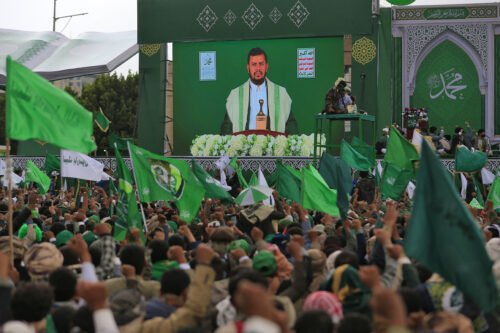
    The outbreak of the war with Iran demonstrated the strategic value of maritime chokepoints in the Islamic Republic’s confrontation with the United States. But as Tehran’s strategy of using the Strait of Hormuz to pressure Washington seems to be backfiring, Iran is working with the Houthis to strengthen its leverage over another strategic chokepoint: the Bab el-Mandeb. The recent escalation in Yemen should be viewed within this context.

    Featured Experts

    Filter by
    4509 Results
    The Ripple Effects of the US-Israel War on Iran for North Africa
    Photo by MUSTAFA SAEED/AFP via Getty Images
  • Analysis
  • The Ripple Effects of the US-Israel War on Iran for North Africa

    North African states feel the consequences of the US-Israel war with Iran less through direct security risks than through economic shocks that affect long-term stability. The region remains highly exposed to disruptions in global food and energy markets, where price spikes can lead to fiscal pressure, inflation, and social unrest.

    What vulnerabilities has the Iran crisis exposed in GCC economies?
  • Brief
  • What vulnerabilities has the Iran crisis exposed in GCC economies?

    The economic stress points vary considerably across the Gulf. Assuming a resumption of exports by May, Kuwait, Iraq, Bahrain, and Qatar still face sharply declining revenues and contracting GDP—as much as 14 percent in Kuwait and Qatar—because of shut ins, time to restart, and lack of alternative delivery routes. After the Iranian attacks on Ras Laffan, Qatar’s economic outlook and time to recovery look much more difficult.

    Five Fundamental Questions for US Foreign Policy as the Iran War Enters Its Fourth Week
  • Analysis
  • Five Fundamental Questions for US Foreign Policy as the Iran War Enters Its Fourth Week

    The US and Israeli conflict with Iran is currently just past the halfway mark, according to US President Donald Trump’s initial estimate that it would take four to six weeks to achieve his objectives, but for now there is no end in sight. Here are five fundamental, strategic questions that require more attention as the media and political debates fixate on the day-to-day breaking news and tactics of this war.

    Why the Houthis are Holding Back — For Now
  • Podcast
  • Why the Houthis are Holding Back — For Now

    Despite claiming they are poised to attack, the Yemeni Houthis have yet to join Iran and its other proxies in their fight against the United States and Israel. Hosts Alistair Taylor and Matthew Czekaj speak to MEI Associate Fellow Nadwa Al-Dawsari to unpack why the Houthis continue to stay on the sidelines of the Iran war and what might prompt them to join the fray. They also discuss the Houthis’ evolving role within the Axis of Resistance, what the Yemeni group has learned from its earlier rounds of direct conflict with Israel and the US, as well as whether its actions could precipitate a renewed flareup in Yemen’s civil war.

    March 19, 2026

    The relative resilience of GCC countries to the Iran crisis
  • Brief
  • The relative resilience of GCC countries to the Iran crisis

    Gulf states — including their national oil companies and sovereign and related entities — are energy giants. They understand the risks of a prolonged threat from Iran and did not choose this war. They also recognize the risks of their geographic location, should the region endure another bout of instability and dislocation from a fragmented and collapsing neighbor.

    How to Raise the Odds of Regime Change in Iran
    Photo by Contributor/Getty Images
  • Commentary
  • How to Raise the Odds of Regime Change in Iran

    The decision U.S. President Donald Trump made to attack Iran was a high-stakes gamble. The gamble is not really in the military campaign itself. It is whether a massive air campaign can trigger a popular rebellion that takes down the regime in Tehran. This could pay off brilliantly, but it could also fail miserably.

    The Kurdish Card: Can Iranian Kurds Shape the War’s Endgame?
  • Podcast
  • The Kurdish Card: Can Iranian Kurds Shape the War’s Endgame?

    The war against Iran has entered its third week with no clear endgame—and no clear strategy from Washington.
    At one point President Trump appeared to encourage Iranian Kurdish groups to rise up against the regime, before quickly walking it back. Meanwhile, some exiled Kurdish opposition figures say they already have an invasion plan and only need US air cover.
    The Kurdish question is once again at the center of regional politics. In this episode, we examine the role of Iranian Kurds in the opposition—and what this moment could mean for their future.
    If the Regime Survives: Iran War Raises the Ante for US, Israel
  • Analysis
  • If the Regime Survives: Iran War Raises the Ante for US, Israel

    The United States and Israel both hope for the grand prize: the emergence of a new regime in Iran to replace the Islamic Republic. For the US, this would close the chapter on a hostile and at times violent relationship that has endured since 1979. For Israel, this would see the end not only of a regime with a deep ideological commitment against it but also the foe that Israel sees as behind all fronts of the war it has fought since October 7, 2023.

    How the US and Israel Can Stave off Strategic Failure in Iran
    Photo by Henry NICHOLLS / AFP via Getty Images
  • Analysis
  • How the US and Israel Can Stave off Strategic Failure in Iran

    Despite a dazzling military onslaught, an Iranian regime that faces a threat to its very existence is demonstrating an entirely predictable willingness to stay the course at all costs. As things stand now, the joint US-Israeli war risks ending in military victory but becoming a strategic failure.

    War with Iran: A view from Israel
  • Event
  • War with Iran: A view from Israel

    Please join the Middle East Institute (MEI) for a webinar exploring Israeli views of the war in the Middle East.

    March 17, 2026, 10:30 AM – 11:30 AM

    Zoom Webinar

    Iraq’s oil paralysis: A self-inflicted wound and a gift to Tehran
    Photo by Ismael Adnan/SOPA Images/LightRocket via Getty Images
  • Commentary
  • Iraq’s oil paralysis: A self-inflicted wound and a gift to Tehran

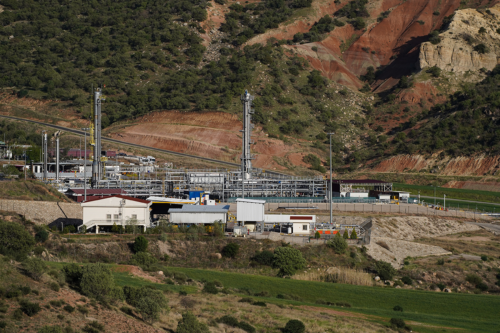
    With the Strait of Hormuz closed and oil production from Iraq’s south in free fall, Baghdad’s failure to maximize the Iraq-Turkey Pipeline is no longer a policy dispute. It is a national emergency.

    March 16, 2026

    Read the Middle East Journal

    The oldest peer-reviewed publication dedicated to the study of the modern Middle East, MEI’s flagship journal covers politics, society, and culture in the region.