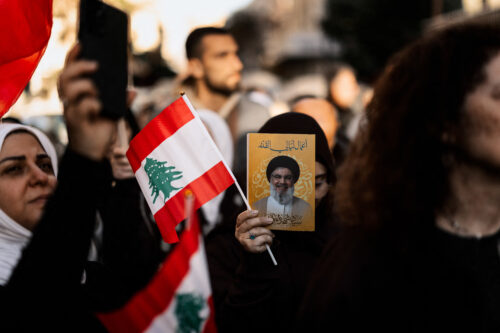
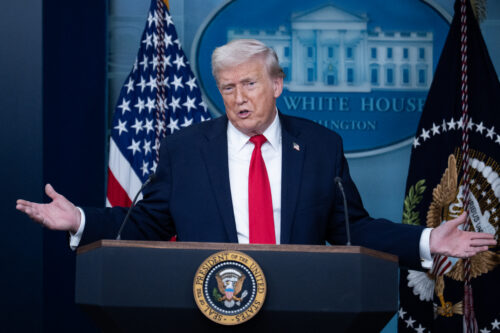
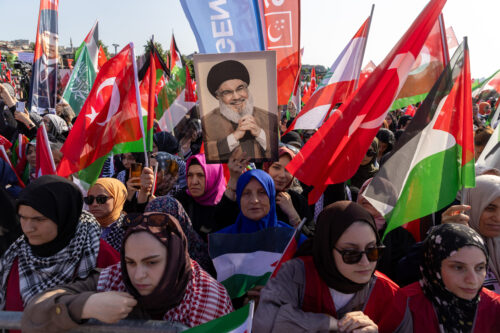
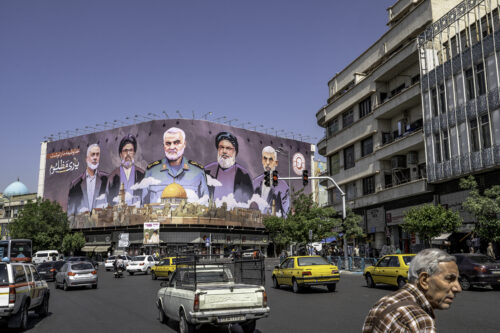
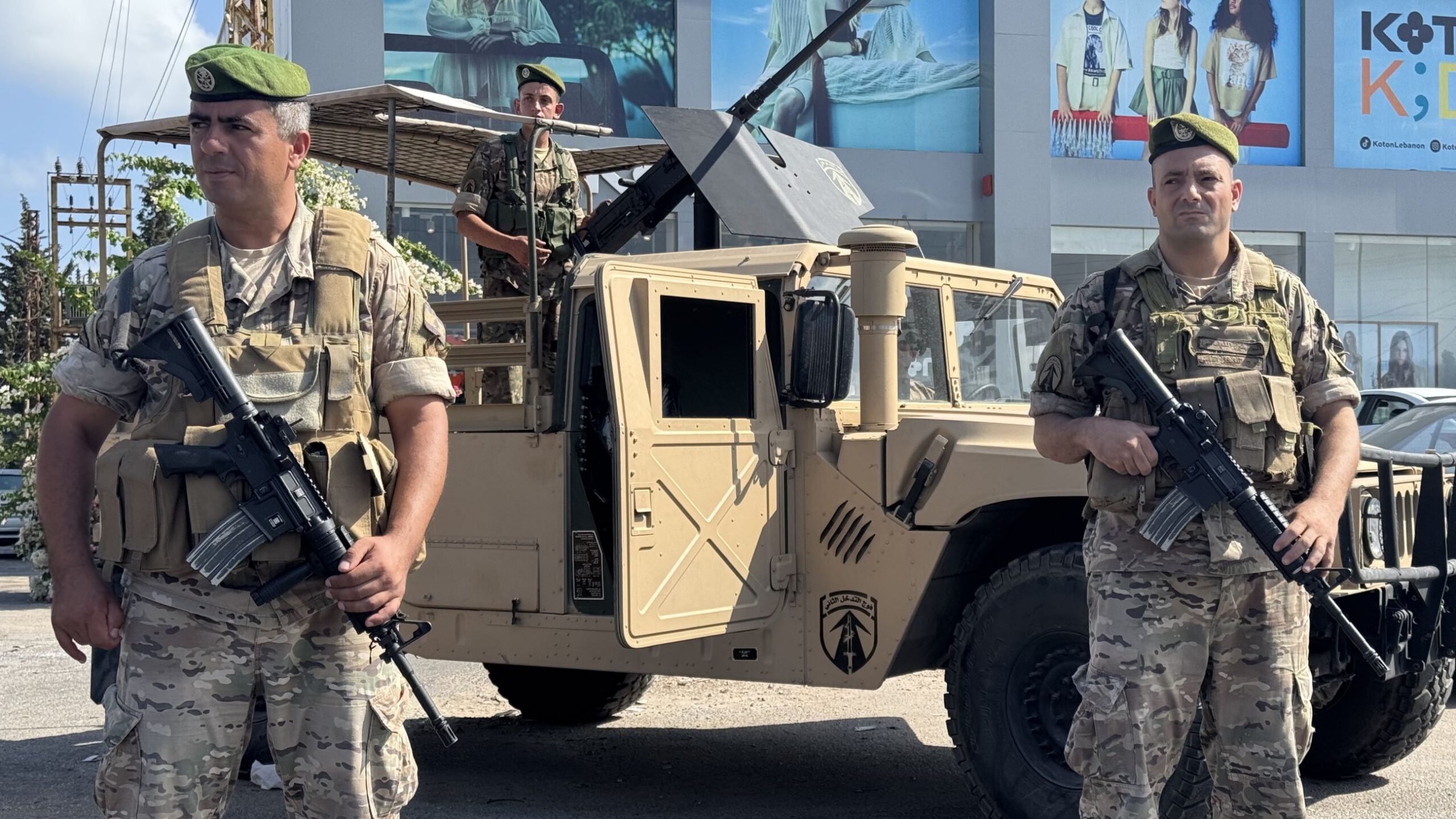
Operation Epic Fury has created a dramatic opportunity in Lebanon that the US cannot afford to miss. Sustained leadership and support for the Lebanese Armed Forces can result in real disarmament, eliminating Hizballah as an Iranian proxy, and dealing Tehran another massive defeat that would further undermine the Iranian regime and help bring about its collapse.
Lebanon on the Brink: Hizballah, Iran, and the War’s Spillover
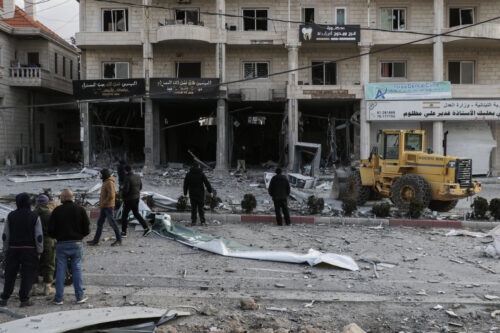
Hosts Alistair Taylor and Matthew Czekaj are joined by MEI Senior Fellow Fadi Nicholas Nassar to discuss Hizballah’s role in the escalating conflict in the Middle East and the implications for Lebanon. A day after the United States and Israel launched a joint military campaign against Iran, Tehran’s Lebanese proxy fired missiles at northern Israeli territory. Israel responded swiftly and forcefully, and Lebanon’s government and population now fear the Iranian-backed militia is dragging the country back into war. The conversation explores the broader repercussions of Hizballah’s actions against the backdrop of a widening war in Iran and Lebanon’s quickly evolving political climate. Nassar also outlines recommendations for how Lebanon can move forward as a sovereign and effective state.
How Lebanon’s authorities can keep the Iran war from engulfing the country
Today’s decision taken by the Lebanese government — to declare all of Hizballah’s security and military activities illegal — is a landmark development. But how the government and the Lebanese Armed Forces implement this directive now that a new round of attacks has actually taken place will be the ultimate test of their credibility.
Media and politicians on both sides of the Atlantic are hyping the idea that President Trump’s attempt to gain sovereign control of Greenland has caused unprecedented and irreparable damage to the over 75 year-old Transatlantic Alliance. This “analysis” stems from multiple sources. On both sides of the ocean, there are those who pounce on any deviation from the norm by Trump as evidence the world as we know it is ending. And in Europe, there is the human but unattractive reaction of weak, dependent states against their one powerful ally when it rejects Europe’s preferred script. Much of the US media criticism is summarized by the concept that our other NATO allies can never again “trust” the US.
Iran’s Axis of Resistance after the 12-day war: Adaptation, restructuring, and reconstitution
Since Israel’s 12-day war against Iran, Tehran and its network of regional proxies and non-state allies, the so-called Axis of Resistance, have entered a phase of strategic dormancy — an outward calm concealing rearmament, financial adaptation, and ideological renewal.
Soft Power in Hard Times: Pope Leo XIV’s Visit to Lebanon
MEI Senior Fellow Fadi Nicholas Nassar joins host Matthew Czekaj to share expert insights and personal reflections on Pope Leo XIV’s trip to Lebanon from November 30 to December 2. Nassar unpacks the significance of the visit, part of the pontiff’s first overseas tour since assuming office, and its potential impact on Lebanon’s untenable status quo. The conversation explores key questions, including the ability of spiritual and moral authority to compensate for the shortcomings of political leadership as well as whether Lebanon’s government will be able to capitalize on the momentum generated by this visit as the possible return of conflict looms on the horizon.
This backgrounder provides an overview of the Axis of Resistance, a loosely aligned network of armed groups and state actors led and supported by Iran to project its influence and military strength across the Middle East.
How Iraq’s vote will shape the next phase of US-Iran competition
For Iran, Iraq is strategic depth, political sanctuary, and economic lifeline all at once. The results of the November 11 Iraqi elections will decide who in Baghdad controls the budgetary levers, internal security appointments, and committees that could codify, or constrain, Iraq’s Iran-backed militias.
From Ballots to Bargains: The Struggle for Iraqi Democracy
Iraqis have just gone to the polls in a pivotal parliamentary election that could redefine the country’s political trajectory. What do the results tell us about the state of Iraqi democracy? What happens next? And is there still space for meaningful democratic reform?
Ambassador Ryan Crocker reports on his visit to Lebanon and Syria on October 12-17 as part of a small delegation organized by the Washington office of the United Nations High Commissioner for Refugees (UNHCR).
A realistic, step-by-step approach to restoring Lebanese sovereignty
Seizing Lebanon’s once-in-a-generation opportunity hinges on its ability to resolve its core dysfunction: reclaiming the state’s monopoly on force and its exclusive authority to determine matters of war and peace. Beirut, backed by deepening US support, must focus on achieving tangible milestones and strategic victories that momentum, making Hizballah’s disarmament unstoppable and the state’s reassertion of authority irreversible.
Lebanon’s judicial independence and the end of impunity
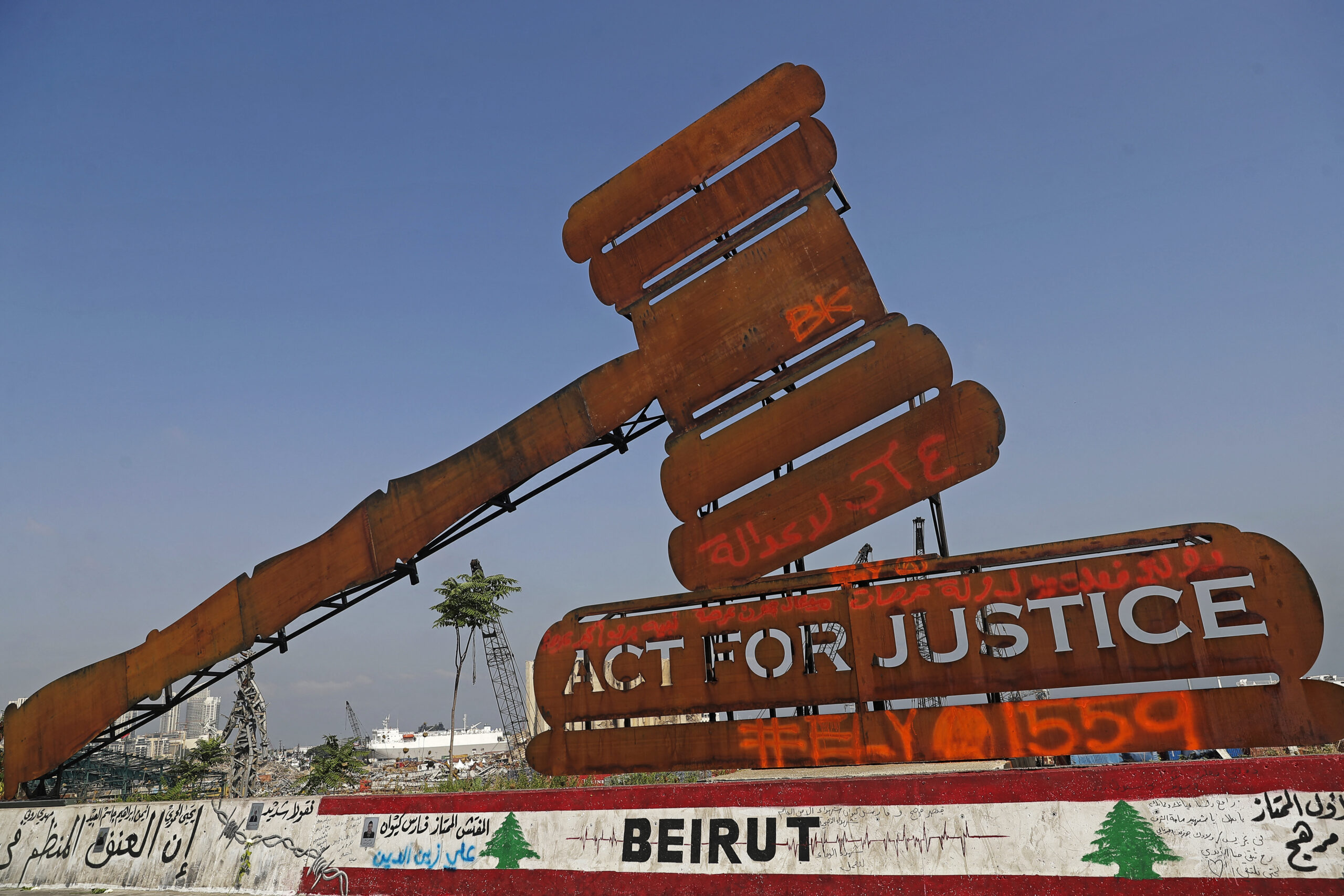
Judicial independence is at the core of any successful democracy, and for decades, this issue has been a matter of public concern in Lebanon. At a time when a credible window of opportunity for change has opened in Lebanon, restoring judicial independence is both a necessity and a prerequisite to enable the judiciary to carry out its duties and end the impunity under which it has historically operated.
Priority policies for an economic recovery in Lebanon
The current government in Lebanon is keen to encourage financial recovery and find a new path to economic growth. A thorough understanding of the causes behind the country’s recession and the factors constraining a recovery are necessary to shape policy priorities. These are also important as an input into the discussions of the 2026 budget and to the ongoing negotiations with the International Monetary Fund (IMF). Using the wrong framework for these decisions could yield low economic growth, which would be harmful for a quick and decisive economic recovery. Conversely, improved economic outcomes and broad buy-in, following public consultations, will ease the implementation of politically difficult reforms. Thus, policymakers must take great care to develop a narrative about how to achieve progress in the short and medium terms that is adjusted to local circumstances.