How the War Is Redefining Gulf Economic Power and Energy Strategy
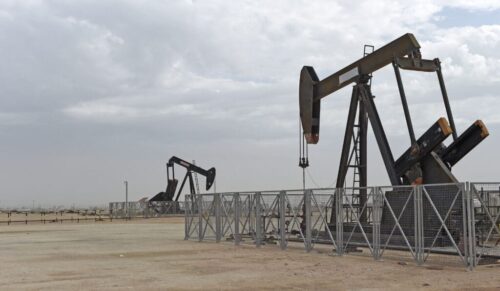
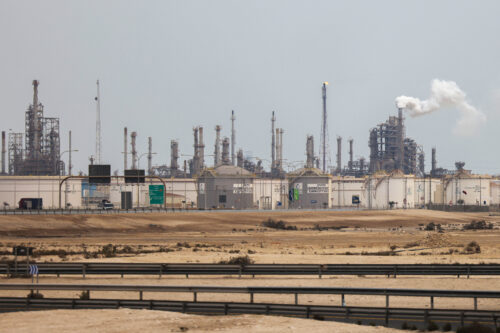
The Gulf Cooperation Council (GCC) states are confronting the greatest threat to their economic security and energy strategy since their formation. The economic fallout of the US-Israeli war with Iran is severe, but uneven across the Gulf. So too is each state’s ability to sustain energy exports and protect critical infrastructure—both of which have been targeted unequally by Iran.
The US-Israeli war against Iran has created the largest disruption to global oil and liquefied natural gas supplies in modern history. There is a tremendous amount of economic uncertainty for Gulf states to navigate, and it will reshape the way they engage with one another and with Iran, Israel, and the United States for years to come. But this war has also laid bare how urgently the United States needs to update its own approach toward the Gulf states when it comes to energy.
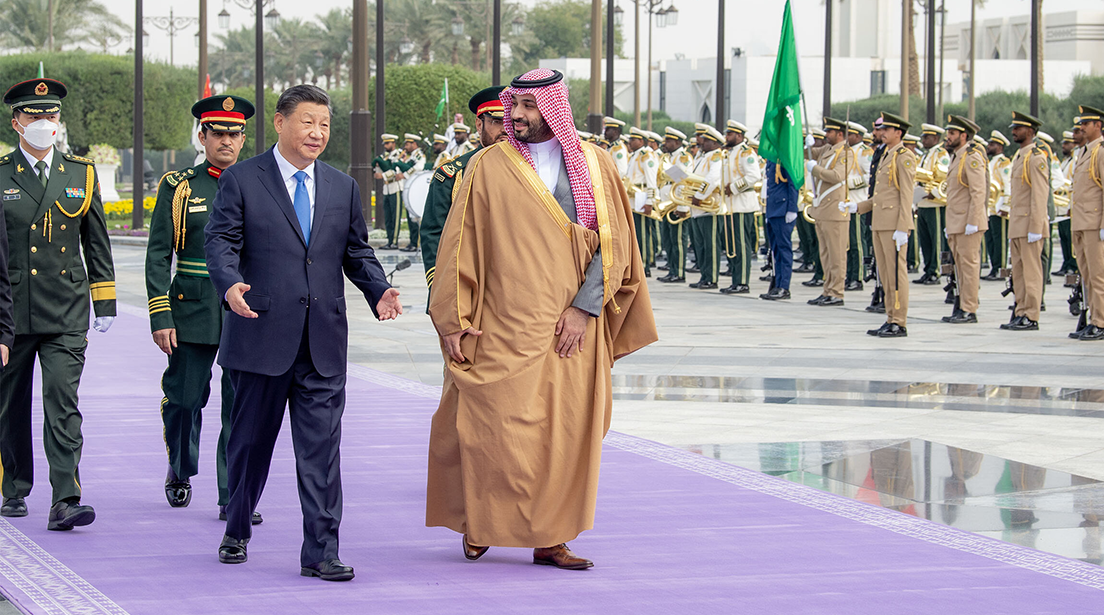
China’s Model of Power Projection in the Middle East
China’s expanding role in the Middle East is often framed as geopolitical rivalry with other global powers, including the United States, Russia, India, and others; but this lens obscures the strategic subtlety of Beijing’s approach.
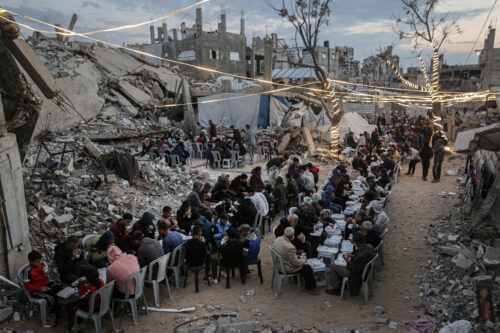
MEI Senior Fellow Jaser AbuMousa joins hosts Alistair Taylor and Matthew Czekaj to unpack how Hamas is navigating the US-Israel conflict with Iran and its impact on Gaza. Nearly two and a half years after the start of the Gaza war, international attention has shifted away from the humanitarian crisis in the devastated coastal strip. Meanwhile, Hamas’ primary state sponsor, Iran, has been severely weakened by US-Israeli military strikes and the death of former Supreme Leader Ayatollah Ali Khamenei. AbuMousa examines how this could affect Hamas’ trajectory moving forward and its place within the Axis of Resistance, as well as what it all means for the Palestinian people.
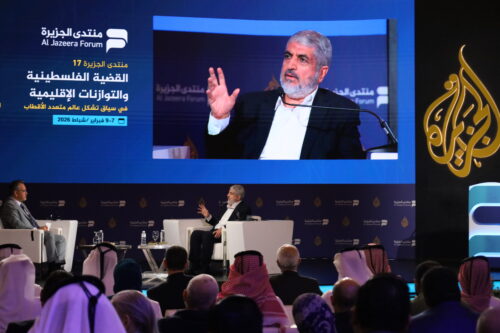
Hamas at a Crossroads in the Post-Ali Khamenei Era
The results of last month’s elections seemed to crystallize a fundamental divide between two competing visions for Hamas’ future. But the US-Israeli war against Iran has cast a heavy shadow over the group’s leadership selection process, shifting it from a contest between personalities to a wider struggle over Hamas’ strategic identity, ideological orientation, and relationship with the broader Middle Eastern order.
The Ripple Effects of the US-Israel War on Iran for North Africa
North African states feel the consequences of the US-Israel war with Iran less through direct security risks than through economic shocks that affect long-term stability. The region remains highly exposed to disruptions in global food and energy markets, where price spikes can lead to fiscal pressure, inflation, and social unrest.
What vulnerabilities has the Iran crisis exposed in GCC economies?
The economic stress points vary considerably across the Gulf. Assuming a resumption of exports by May, Kuwait, Iraq, Bahrain, and Qatar still face sharply declining revenues and contracting GDP—as much as 14 percent in Kuwait and Qatar—because of shut ins, time to restart, and lack of alternative delivery routes. After the Iranian attacks on Ras Laffan, Qatar’s economic outlook and time to recovery look much more difficult.
The relative resilience of GCC countries to the Iran crisis
Gulf states — including their national oil companies and sovereign and related entities — are energy giants. They understand the risks of a prolonged threat from Iran and did not choose this war. They also recognize the risks of their geographic location, should the region endure another bout of instability and dislocation from a fragmented and collapsing neighbor.
Surviving October 7th: Amir Tibon on Trauma, War, and Israel’s Future
Brian is joined by Amir Tibon, a journalist for Haaretz and the author of The Gates of Gaza: A Story of Betrayal, Survival, and Hope in Israel’s Borderlands and The Last Palestinian: The Rise and Reign of Mahmoud Abbas. On October 7, 2023, the Tibon family’s lives were changed forever when Hamas militants invaded Nahal Oz kibbutz, destroying their community, brutally killing their neighbors, and taking others hostage. Together, Brian and Amir examine the fallout from the events of October 7th, how public opinion in Israel and the United States has shifted over the past two and a half years, Israeli Prime Minister Benjamin Netanyahu’s political strategy, and what this all means for the future of Israel and its relationship with Palestinians and the broader region.
Tripartite Gulf Power: The Diverging Geoeconomics of Saudi Arabia, the UAE, and Qatar, and the Implications for MENA and the Global Order
While acknowledging the centrality of security tensions and potential conflict in the Gulf, this essay intentionally sets aside a detailed treatment of military and hard-power dynamics, concentrating instead on the geoeconomic logics of capital, infrastructure, energy, and connectivity, through which Gulf states now articulate power in a fragmented world order.
As the war with Iran consumes regional attention, Gaza is again being pushed aside. That is not just a humanitarian failure. It is a strategic mistake that could squander a rare opening for political transition while allowing Hamas to weaponize abandonment once more.
Disarmament as a Means, Not an End: A Practical Strategy for Gaza’s Governing Transition
Disarmament is necessary in Gaza. It is the only way to realize the goals articulated in the internationally endorsed 20-point plan laid out by the Trump administration. But a policy approach that makes disarmament a prerequisite for action on governance, recovery, freedom of movement for Gazans, and any credible political horizon is structurally and strategically counterproductive.
As the third and seemingly decisive round of talks in Geneva concluded, the Trump administration had avoided diplomatic deadlock — but only by narrowing negotiations to the nuclear file.
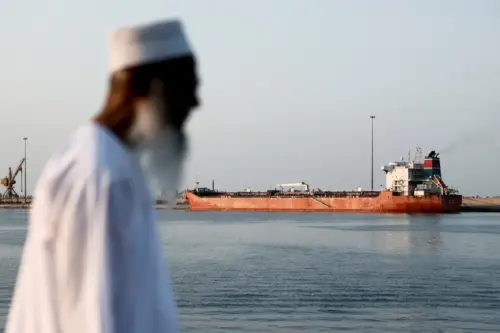
How Iran, China, and Russia Use the Shadow Fleet to Evade US Sanctions
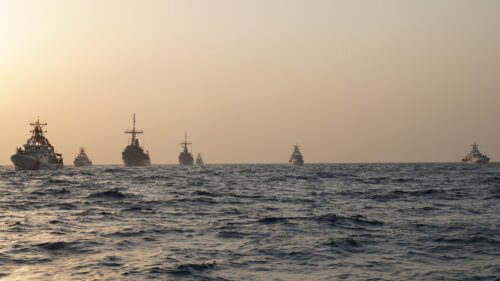
Crude oil legally sanctioned by the United States and its allies today makes up an estimated 18% of global tanker capacity, or 6-7% of total unrefined petroleum flows — shares that have been growing. Increased pressure on Russian exports and US intervention in Venezuela have further constrained Russian flows and temporarily removed Venezuela, the smallest sanctioned producer, from the market. Iranian exports, however, remain largely untouched.