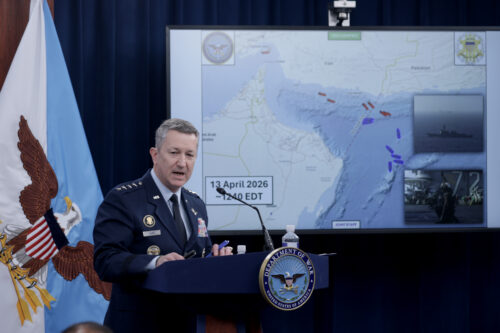
The Houthis are a political-military faction and Zaydi religious movement founded in northwestern Yemen in the 1980s. A key member of Iran’s Axis of Resistance with links to other militant organizations in the Arabian Peninsula and the Horn of Africa, the group has continued to pose a threat to Western interests on a global scale.
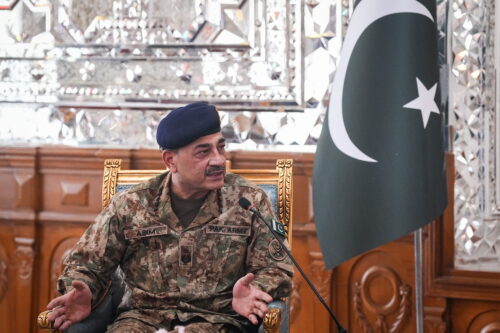
The Pakistani General Running Washington’s Backchannel to Tehran
As Washington and Tehran edge closer to escalation, the most critical line of communication keeping the crisis from spiraling is being run not by polished diplomats, but by an unlikely figure: a Pakistani general. Field Marshal Asim Munir, Pakistan’s powerful army chief, has quietly become the key intermediary in the U.S.-Iran standoff, managing what may be the most important backchannel between the two sides. The mediation has thrust Pakistan to the center of the crisis while exposing it to enormous risk.
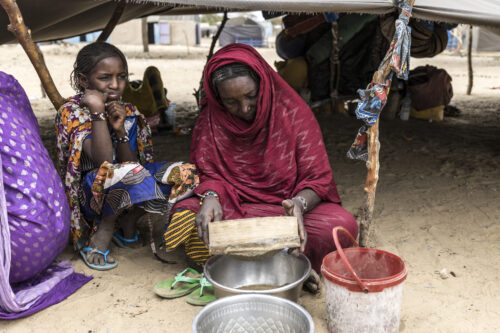
The Far Reach of the Iran War: Food Insecurity from North Africa to the Sahel
Within weeks of the Strait of Hormuz closure, fertilizer prices began to rise sharply. Tanker traffic through the strait, which handles one-third of the global fertilizer trade, fell by 90%. Across North Africa the impacts are multiplying, and this is having ripple effects for the Sahel in the south, adding to food price inflation, migration pressures, and the erosion of state legitimacy. The situation underscores how food security is a governance issue compounded by geopolitical crisis.
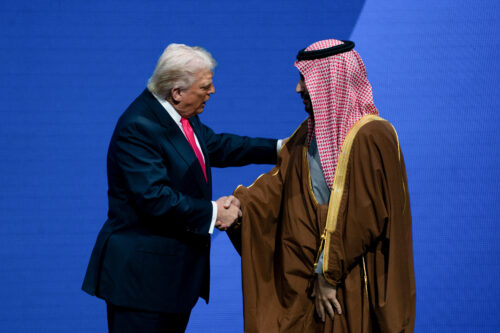
Last May, U.S. President Donald Trump paid a triumphant visit to Saudi Arabia, Qatar, and the United Arab Emirates. Over the course of a four-day tour, he admired the Gulf capitals’ “gleaming marvels,” cheered on their ambitious modernization plans, and showcased over $3 trillion in pledged Gulf investment and “mega-deals” between U.S. and Gulf businesses.
Trump Planned for Pressure on Iran, but Not the Global and Domestic Blowback
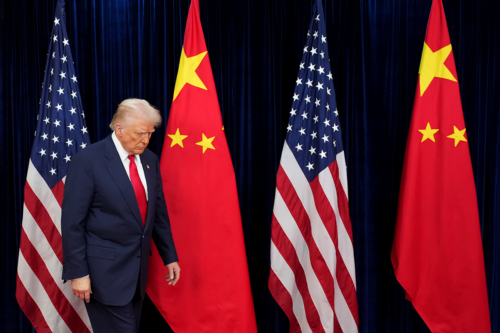
The limelight for American foreign policy shifts to Beijing this month, where US President Donald Trump and Chinese President Xi Jinping will meet on May 14-15 to address a long list of unresolved issues. But the Iran war and still unfolding geo-economic calamity resulting from it cast a long shadow. One thing to watch for is whether China or the US feels like it has a stronger hand in light of recent events in the Middle East.
Fixing America’s Failed Strategies in the Middle East
The Middle East is both central to key United States interests and prone to instability. Yet US national security and defense strategic guidance has struggled to account for the unique demands of the region. Calls for strategic divestiture from the region have grown in prominence among analysts and policymakers alike in recent years.
Despite efforts to extend the cease-fire in Lebanon and disarm Iranian proxy Hizballah, fighting continues between the militant group and Israeli forces. Hosts Alistair Taylor and Matthew Czekaj are joined by MEI Senior Fellow Fadi Nicholas Nassar to examine what the renewed fighting means for attempts to counter Iranian influence in Lebanon and what could lie ahead. They discuss the prospects for a lasting agreement, Iran’s broader proxy strategy, and how Washington can help strengthen the sovereignty of the Lebanese state.
Why Iran’s Oil Pain Does Not Guarantee Capitulation
President Donald Trump now appears to share a view gaining traction in some policy circles: that sustained pressure on Iran’s oil sector could inflict lasting damage on its production and eventually force Tehran to compromise. The thesis is appealingly simple, yet dangerously incomplete.
America Cannot Afford to Miss This Opening in Lebanon
President Donald Trump has an opportunity to do something no American president has managed in nearly half a century: end the war between Israel and Lebanon for good.
In the Trump administration’s diplomatic track with Tehran, one crucial variable is missing: steady US engagement with its Arab partners, particularly in the Gulf, on what the strategic endgame with Iran looks like.
Nearly two months into the Iran war, US President Donald Trump has announced an indefinite extension of the cease-fire between Washington and Tehran, even as control of the Strait of Hormuz remains contested. Hosts Alistair Taylor and Matthew Czekaj are joined by MEI Senior Fellow Alex Vatanka to explore where the conflict may be headed and unpack the factors at play. They discuss how Iran’s internal power structures have shifted since February 28, the prospects for a deal between Washington and Tehran, and what form a resumption of hostilities could take.
After a decade of post-Arab Spring isolation, Turkey’s leaders have recognized that their ambition to position the country as an agenda-setter on the world stage requires active engagement in all directions. President Recep Tayyip Erdoğan’s consolidation of executive authority has centralized foreign policy decision-making and tied it to his domestic political priorities, transforming the country’s revisionist approach to one shaped primarily by personal and pragmatic interests.
The opposition in Congress is attempting to force a war powers vote on the Trump administration’s Iran operation, with an eye toward the 60-day deadline on military action legally imposed on the executive branch; and key defense-spending measures are also on the immediate horizon. These actions on Capitol Hill could shape the trajectory of how the US moves forward in Iran and the region — and influence Americans’ overall appetite for long-term engagement in the Middle East.
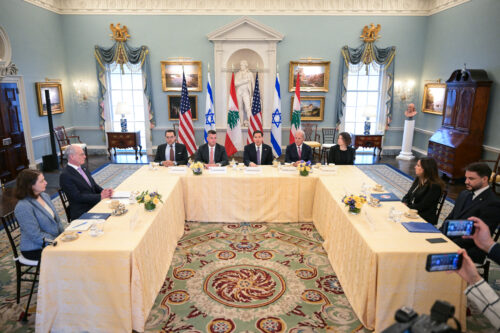
As Lebanese, Israeli, and American teams prepare for their first-ever trilateral leaders summit, it is time to reflect on this opportunity and lessons from the past.
The war with the US and Israel has intensified pressure on the Iranian economy, but it has not represented a fundamentally new shock. The key question is not whether pressure exists, but whether it can be made decisive.