Bonus Episode: Stalled Talks and Next Steps for the US and Iran
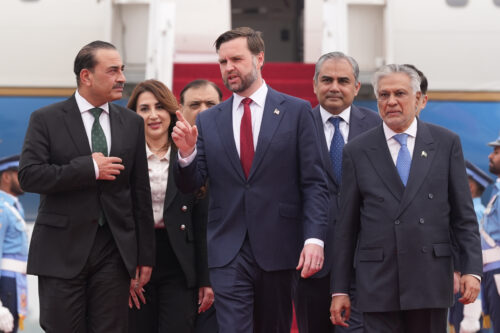
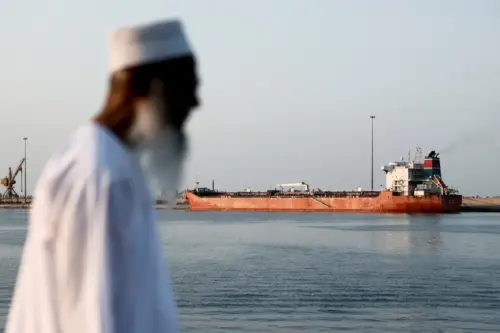
This bonus episode of Middle East Focus features a recent MEI Virtual Briefing. Director of Communications Zeina Al-Shaib is joined by MEI Distinguished Diplomatic Fellows Alan Eyre and Daniel Benaim to discuss the historic talks held in Pakistan last weekend between the United States and Iran. Tehran insists the US failed to gain its trust, while the US made its red lines clear and declared it would blockade Iranian ports in the Persian Gulf. What happens next? Eyre and Benaim offer insights into what goes on behind the scenes at such negotiations; identify the core issues at play; explore potential incentives to end the war; analyze the weaponization of energy; as well as assess the role of other regional players in this conflict.
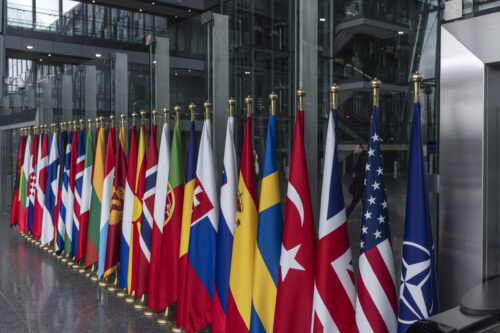
In the midst of a fragile cease-fire to the US-Israeli war on Iran, European leaders remain reluctant to get involved in another Middle Eastern war and are bristling under threats and insults from the US. As the NATO alliance frays and Russian attacks on Ukraine continue, the moment for Europe to take action has arrived, and is fleeting.
Turkey Sees Short-Term Pain, Long-Term Gain in the Iran War
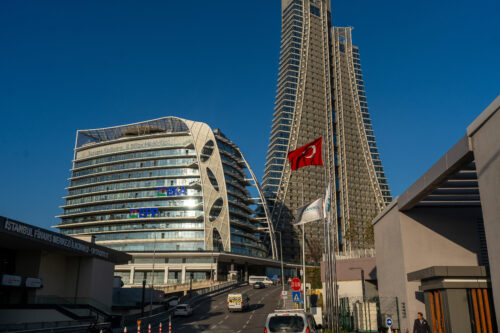
The Iran war has posed significant immediate challenges for Turkey, including rising energy prices. But Turkish officials think that Ankara could reap benefits from the war in the long term.
American Bases in the Gulf: Targets or Deterrents?
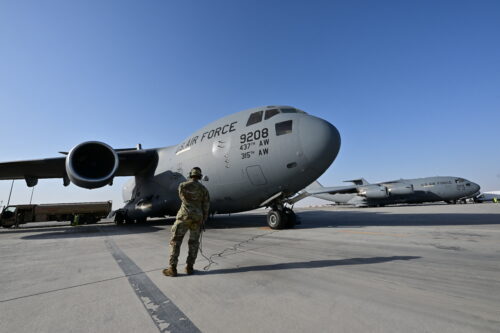
Did the presence of American military bases in the Gulf monarchies draw those states into the American-Israeli war against Iran, a war they had no say in initiating and no voice in prosecuting? That is certainly the feeling among some citizens of those states.
Now Would Be a Great Time to Send US Ambassadors to the Middle East
As a fragile cease-fire takes hold in the Middle East, countries are jockeying to shape the peace. But one group remains largely absent: US ambassadors.
Hosts Alistair Taylor and Matthew Czekaj are joined by MEI Distinguished Diplomatic Fellow Amb. (ret.) Robert S. Ford to examine what is at stake for Iraq in the Iran war. The only country to have been hit by both sides, Iraq is caught in the middle of a regional conflict, with the local Iranian-backed Popular Mobilization Forces (PMF) carrying out attacks on American interests and personnel — and the US responding. This escalation comes at a period of internal political transition in Iraq, which has been locked in negotiations to form a new government since the November 2025 elections. Ford, who served as Deputy and later Acting Ambassador in Baghdad from 2008 until 2010, unpacks how Iraq is navigating the current moment, how the Kurdistan region fits into this equation, and what this all means for the future of US-Iraqi relations.
US foreign policy in the Middle East: Short-termism and the erosion of influence
Trump’s active Middle East policy reflects a striking paradox. The United States is more visibly engaged in the region than the “America first” rhetoric suggests, yet its influence over regional outcomes continues to erode.
The US-Iran War Is Tanking Trump’s Popularity at Home
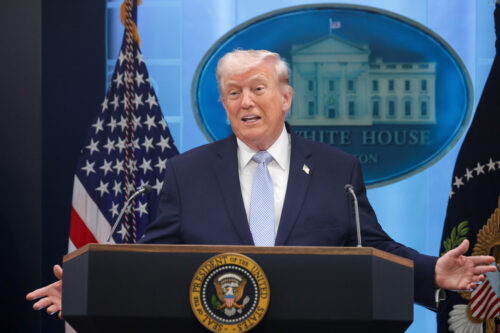
An operation that Donald Trump said could take Iran out “in one night” has now turned into a regional war that has just entered its sixth week, with the US president appearing increasingly frustrated over the situation.
Former CIA operative: regime change in Iran is much harder than the US thinks
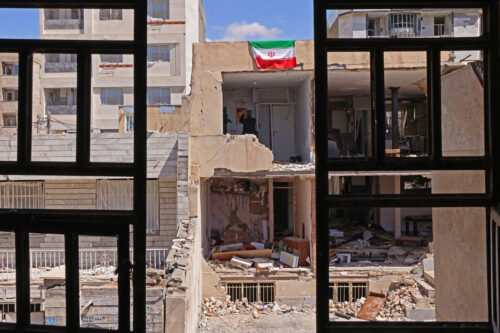
The United States and Israel have done significant damage to Iran’s military and security apparatus. Senior commanders have been killed at a pace rarely seen in modern warfare.
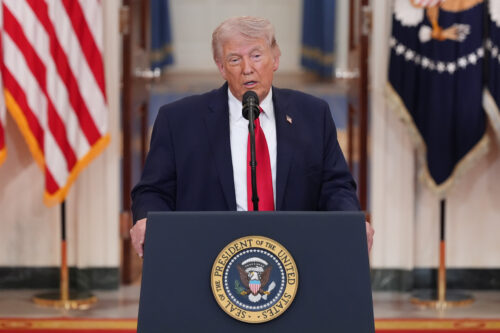
Iran’s leadership did not take long to respond to President Donald Trump’s latest address on the war. Regime-linked media dismissed the April 1 White House speech as a repetition of earlier claims, while officials and commentators close to the Iranian government framed it as further evidence that Washington remains uncertain about its own course. In the battle over messaging, Trump’s ambiguity is giving Iran’s narrative the edge.
Libya’s Fragile Equilibrium: Succession Risk and Energy Stability
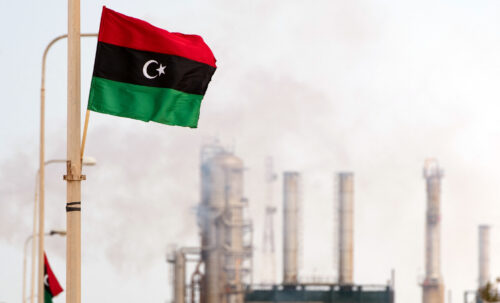
Libya’s stability has taken on renewed strategic importance as the impact of the US and Israeli war with Iran reverberates through global energy markets. Sustaining existing Libyan oil production depends on a governing arrangement capable of keeping ports open, pipelines flowing, and revenues distributed without triggering conflict.
The US-Israeli war against Iran has created the largest disruption to global oil and liquefied natural gas supplies in modern history. There is a tremendous amount of economic uncertainty for Gulf states to navigate, and it will reshape the way they engage with one another and with Iran, Israel, and the United States for years to come. But this war has also laid bare how urgently the United States needs to update its own approach toward the Gulf states when it comes to energy.