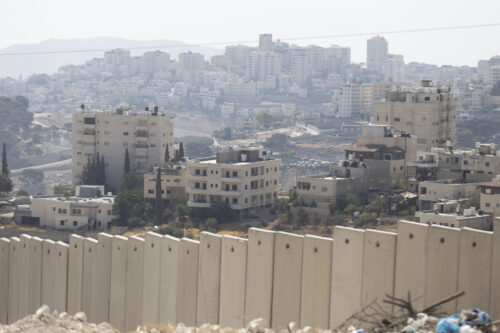
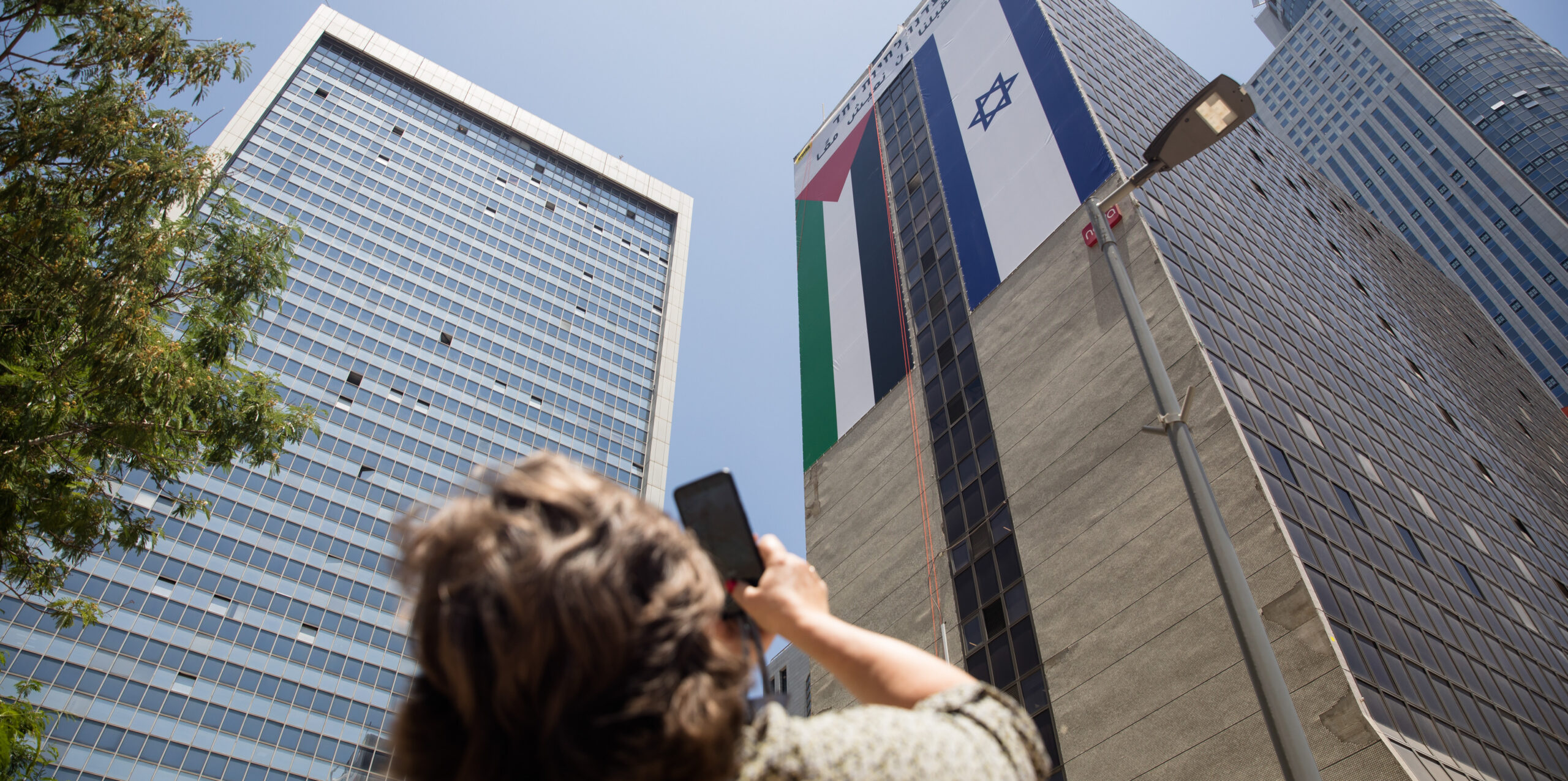
The Israeli government’s plan to build 3,401 housing units in the 12-square-kilometer E-1 corridor, between Jerusalem’s municipal boundary and the Israeli settlement of Ma’ale Adumim, would cut the West Bank in two. Israeli officials are under no illusion about the implications. Announcing the plan’s approval in August 2025, Finance Minister Bezalel Smotrich called it a “significant step that practically erases the two-state delusion.”
The Americans Are Gone. Will Iraq’s Militias Disarm?
On September 30, the US completed its military withdrawal from Iraq, ending a 12-year-long mission to combat ISIS that began in 2014. The date was also meant to be the deadline for disarming the largely Iranian-backed militias known as the Popular Mobilization Forces (PMF), but Prime Minister Ali al-Zaidi has now pushed that cutoff back to June 30, 2027. MEI Distinguished Diplomatic Fellow Amb. (ret.) Robert S. Ford joins hosts Alistair Taylor and Matthew Czekaj to discuss what the US military withdrawal means for Iraqi security and the nature of the bilateral relationship going forward. They also speak about what it will take for Baghdad to bring the PMF militias to heel, and how Iraq may navigate the post-Iran war era.
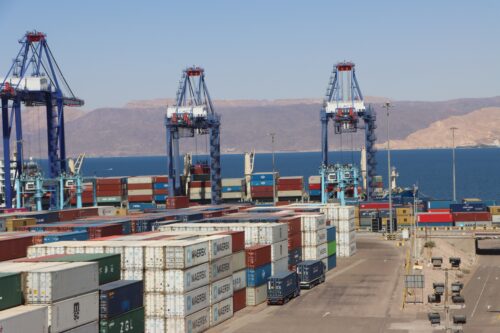
Jordan’s Economy Weathers Iran War’s Shocks and Finds New Opportunities
In the summer of 2003, King Abdullah II told Bloomberg Jordan sits “between Iraq and a hard place,” a play on words designed to describe the kingdom’s challenging environment to an American audience amid the US-led Iraq war to the east and the lingering Palestinian-Israeli conflict to the west. Jordan is grappling with a much “harder place” today.
Since 1967, Israeli settlements in the West Bank have been a contested feature of the Israeli-Palestinian conflict. The ultimate disposition of the settlements and ongoing activity related to their growth have repeatedly defied agreement in negotiations over a resolution to the conflict.
The Houthis are a political-military faction and Zaydi religious movement founded in northwestern Yemen in the 1980s. A key member of Iran’s Axis of Resistance with links to other militant organizations in the Arabian Peninsula and the Horn of Africa, the group has continued to pose a threat to Western interests on a global scale.
The India-Middle East-Europe Economic Corridor (IMEC) is a proposed multinational infrastructure initiative aimed at upgrading connectivity between the three regions through integrated trade, energy, and digital networks. Announced at the G20 summit in New Delhi in September 2023, IMEC is envisioned partially as a counterweight to China’s international infrastructure project, the Belt and Road Initiative.
After a decade of post-Arab Spring isolation, Turkey’s leaders have recognized that their ambition to position the country as an agenda-setter on the world stage requires active engagement in all directions. President Recep Tayyip Erdoğan’s consolidation of executive authority has centralized foreign policy decision-making and tied it to his domestic political priorities, transforming the country’s revisionist approach to one shaped primarily by personal and pragmatic interests.
MEI Senior Fellow Brian Katulis engages friends, colleagues, and policy experts in casual conversations on the most important happenings in the Middle East.
A realistic, step-by-step approach to restoring Lebanese sovereignty
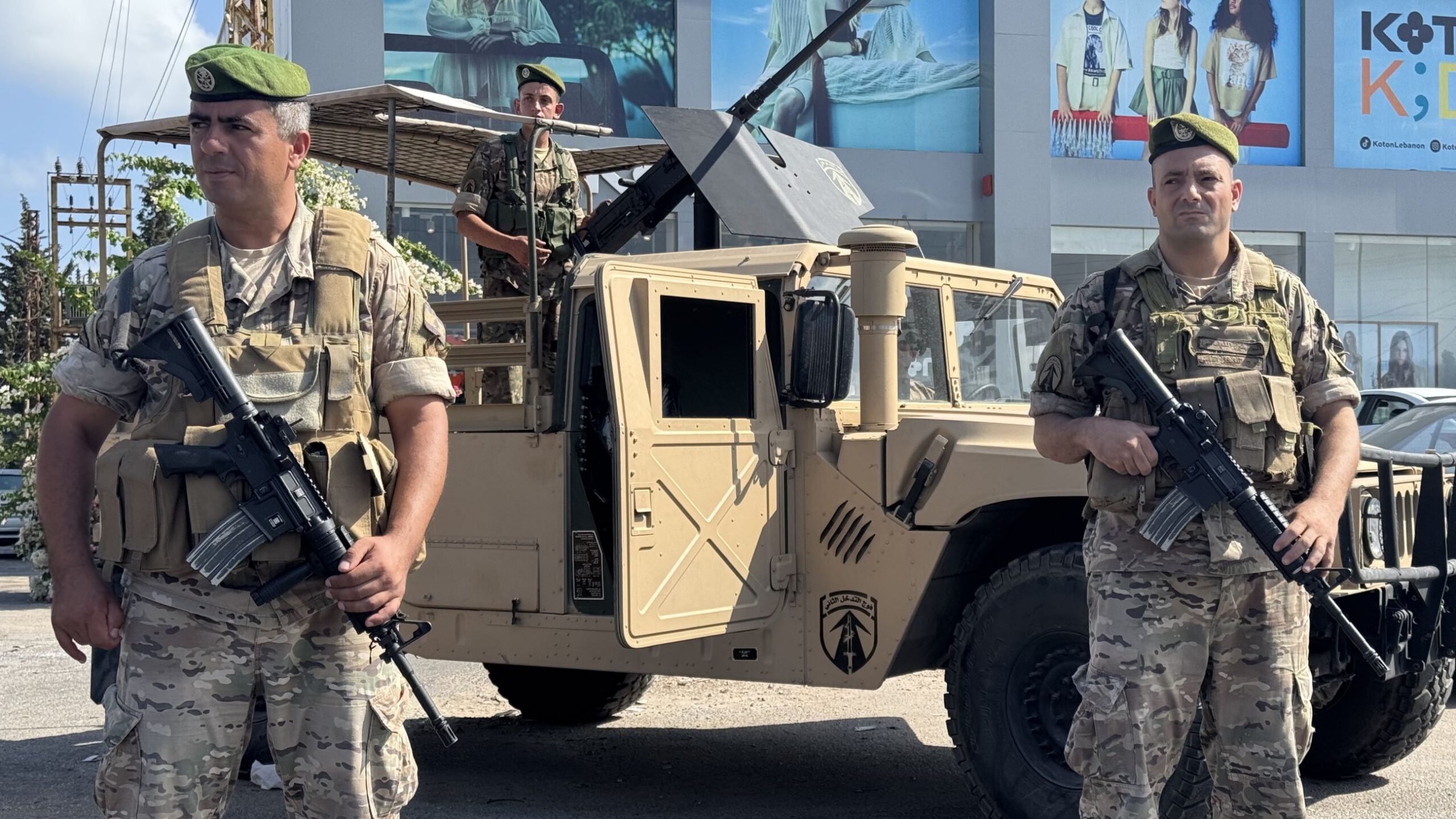
Seizing Lebanon’s once-in-a-generation opportunity hinges on its ability to resolve its core dysfunction: reclaiming the state’s monopoly on force and its exclusive authority to determine matters of war and peace. Beirut, backed by deepening US support, must focus on achieving tangible milestones and strategic victories that momentum, making Hizballah’s disarmament unstoppable and the state’s reassertion of authority irreversible.
Lebanon’s judicial independence and the end of impunity
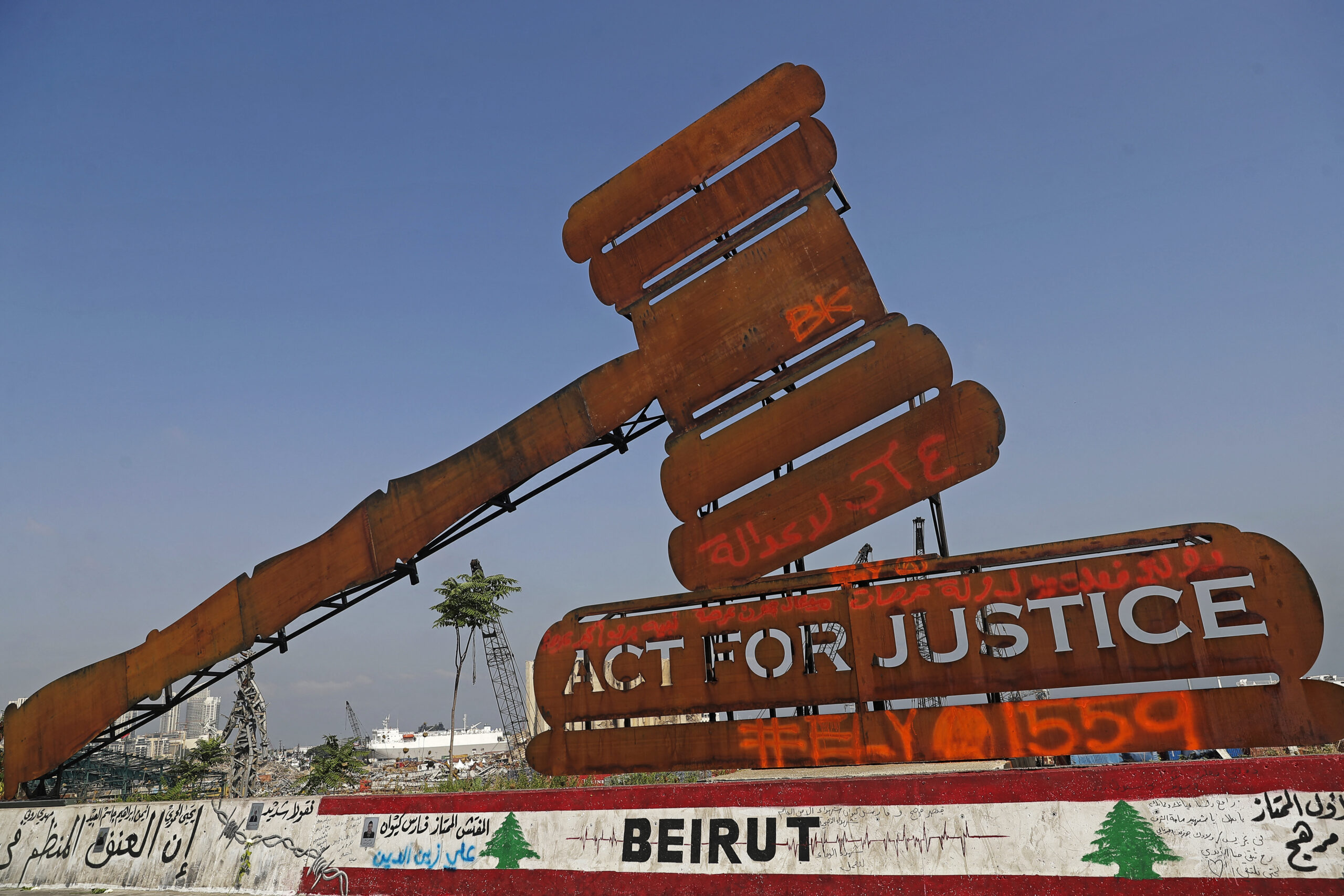
Judicial independence is at the core of any successful democracy, and for decades, this issue has been a matter of public concern in Lebanon. At a time when a credible window of opportunity for change has opened in Lebanon, restoring judicial independence is both a necessity and a prerequisite to enable the judiciary to carry out its duties and end the impunity under which it has historically operated.
Priority policies for an economic recovery in Lebanon
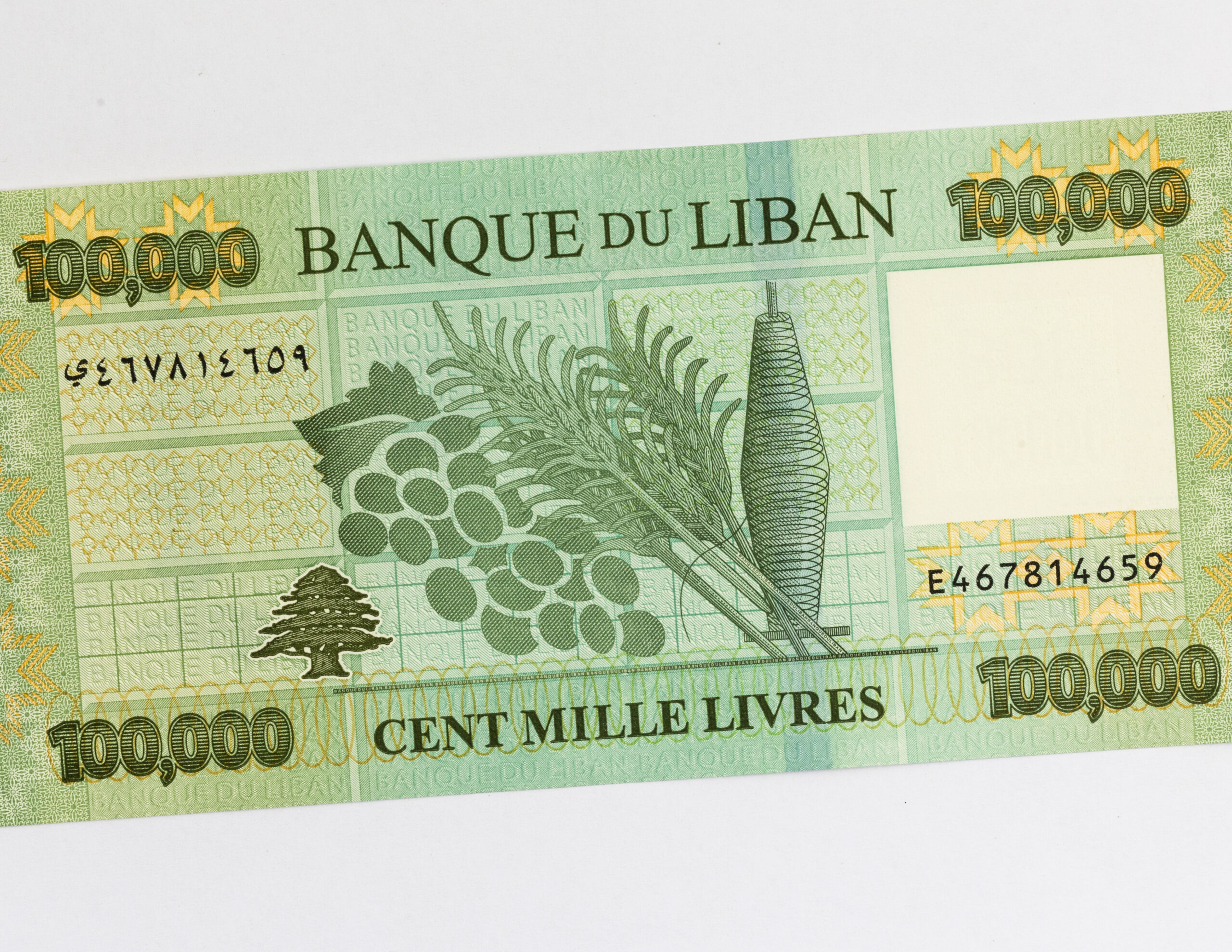
The current government in Lebanon is keen to encourage financial recovery and find a new path to economic growth. A thorough understanding of the causes behind the country’s recession and the factors constraining a recovery are necessary to shape policy priorities. These are also important as an input into the discussions of the 2026 budget and to the ongoing negotiations with the International Monetary Fund (IMF). Using the wrong framework for these decisions could yield low economic growth, which would be harmful for a quick and decisive economic recovery. Conversely, improved economic outcomes and broad buy-in, following public consultations, will ease the implementation of politically difficult reforms. Thus, policymakers must take great care to develop a narrative about how to achieve progress in the short and medium terms that is adjusted to local circumstances.
Restoring both domestic and international confidence in the Lebanese government will ultimately depend on taking tangible steps towards economic revival. This article presents key policy options to achieve this result, including rebuilding trust through improved governance and judicial reforms, investing in digital infrastructure, driving sustainable growth via regional integration and innovation, and balancing economic revival with sovereign debt restructuring.
Lebanon’s monetary crisis and the future of the Central Bank
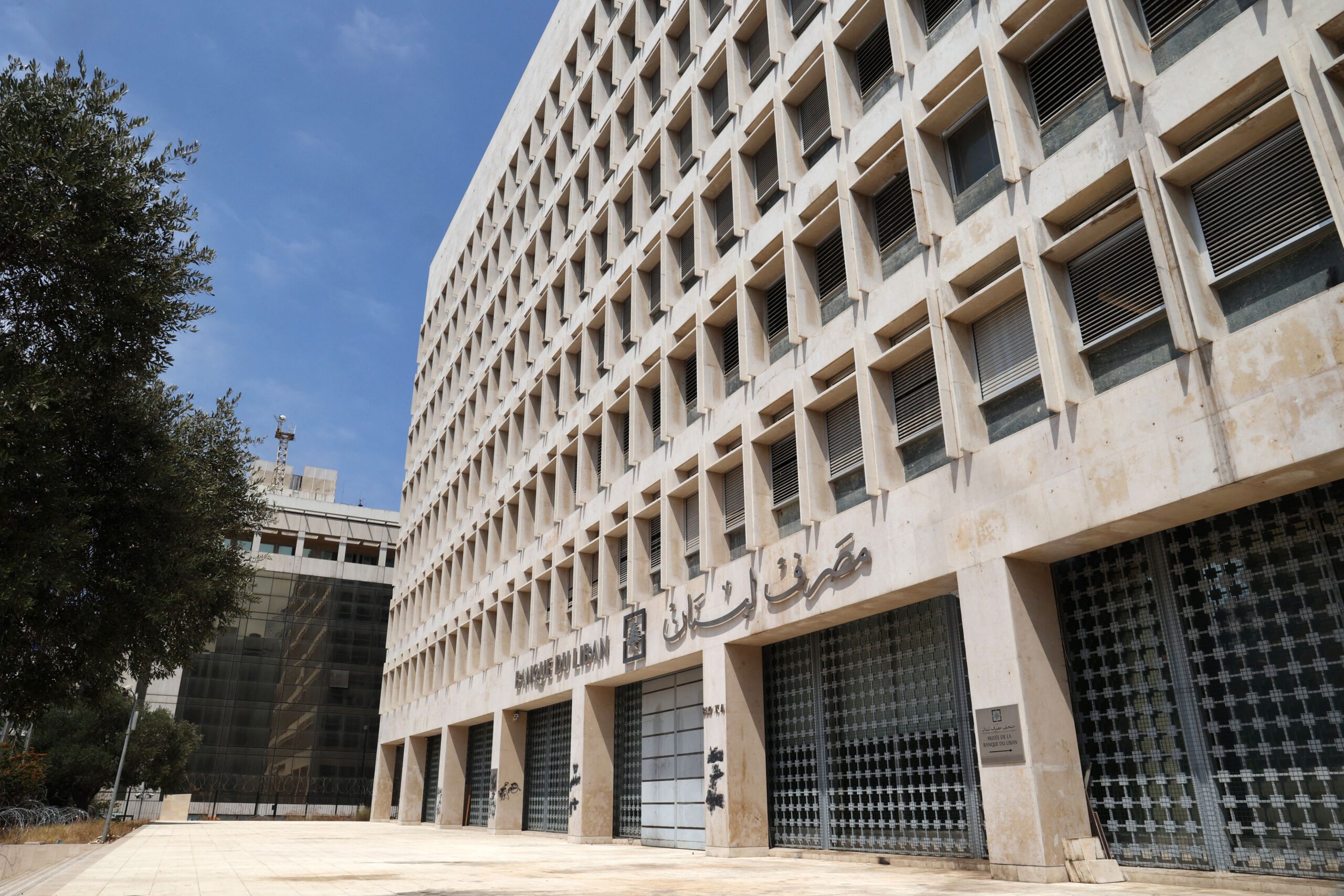
While the banking crisis remains unresolved, there is still ample scope for Lebanon’s central bank to advance reforms and set the stage for a sustainable economic recovery even without a comprehensive reform program supported by the IMF.
A realistic, step-by-step approach to restoring Lebanese sovereignty
Seizing Lebanon’s once-in-a-generation opportunity hinges on its ability to resolve its core dysfunction: reclaiming the state’s monopoly on force and its exclusive authority to determine matters of war and peace. Beirut, backed by deepening US support, must focus on achieving tangible milestones and strategic victories that momentum, making Hizballah’s disarmament unstoppable and the state’s reassertion of authority irreversible.
The central challenge facing Lebanon today is whether the country will graduate to functional statehood or continue struggling to survive. Yet with Lebanese officials now insisting that the state “monopolize arms” and become the decisive arbiter on matters of war and peace, a relevant question arises: Where, territorially, does Lebanon begin and end?
To encourage and incentivize long-overdue structural reforms, the European Union and the broader international community should adopt a more proactive, hands-on approach to Lebanon. The current context calls for an approach that balances assistance delivery with active support to the Lebanese government in its quest to reform and rebuild the state.
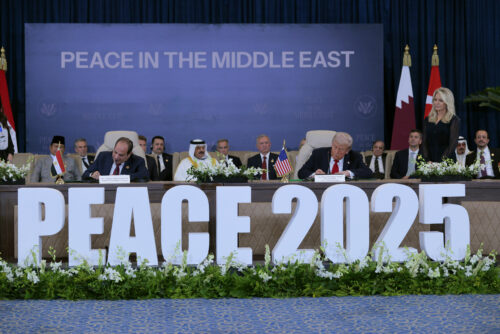
Two years after Hamas’ October 7, 2023, attacks and Israel’s devastating war in Gaza, the two sides have agreed to a new cease-fire. But can it last, and what kind of Middle East has emerged from the turmoil in the interim?
Trump’s big week in the Middle East weighed down by troubles on other fronts
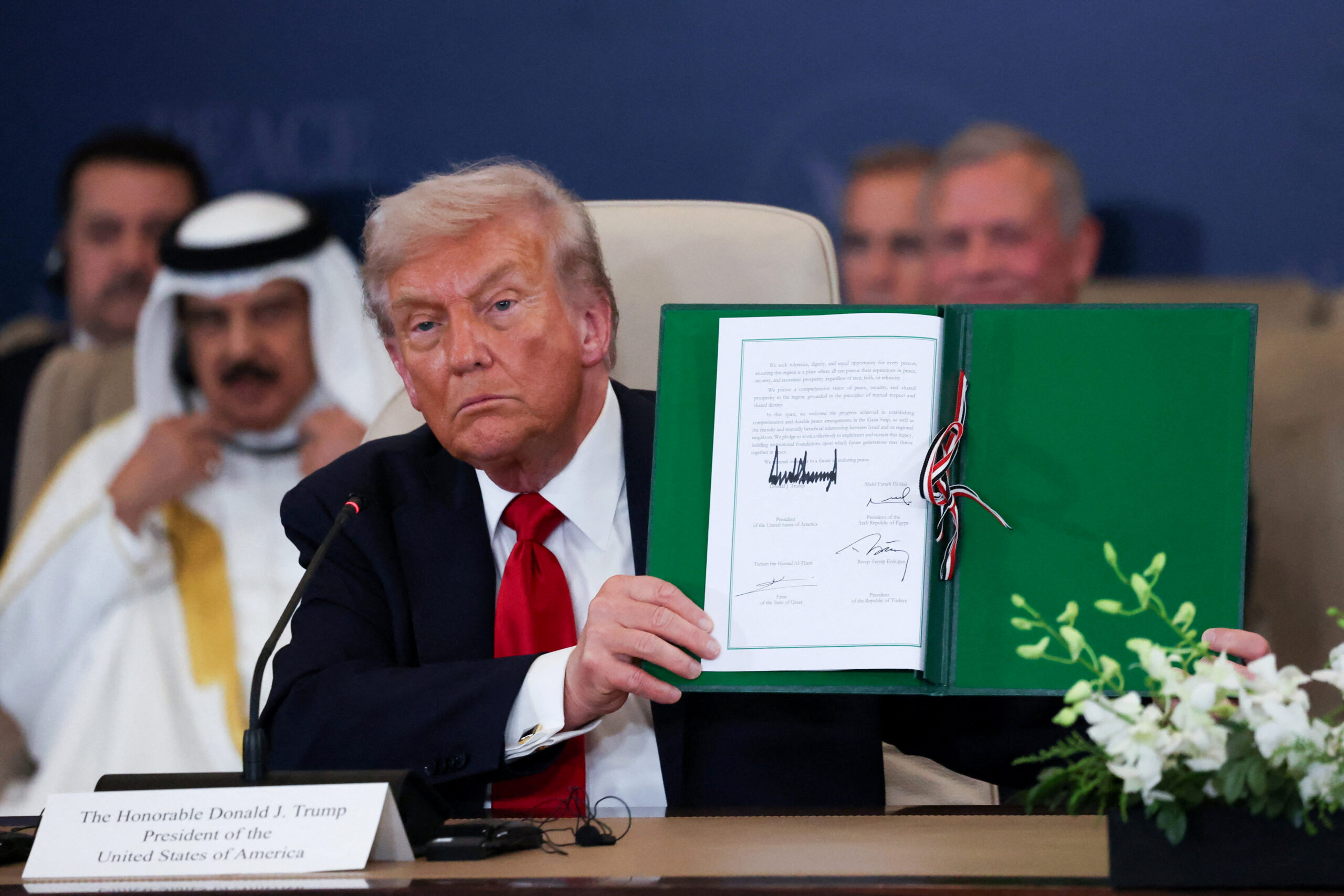
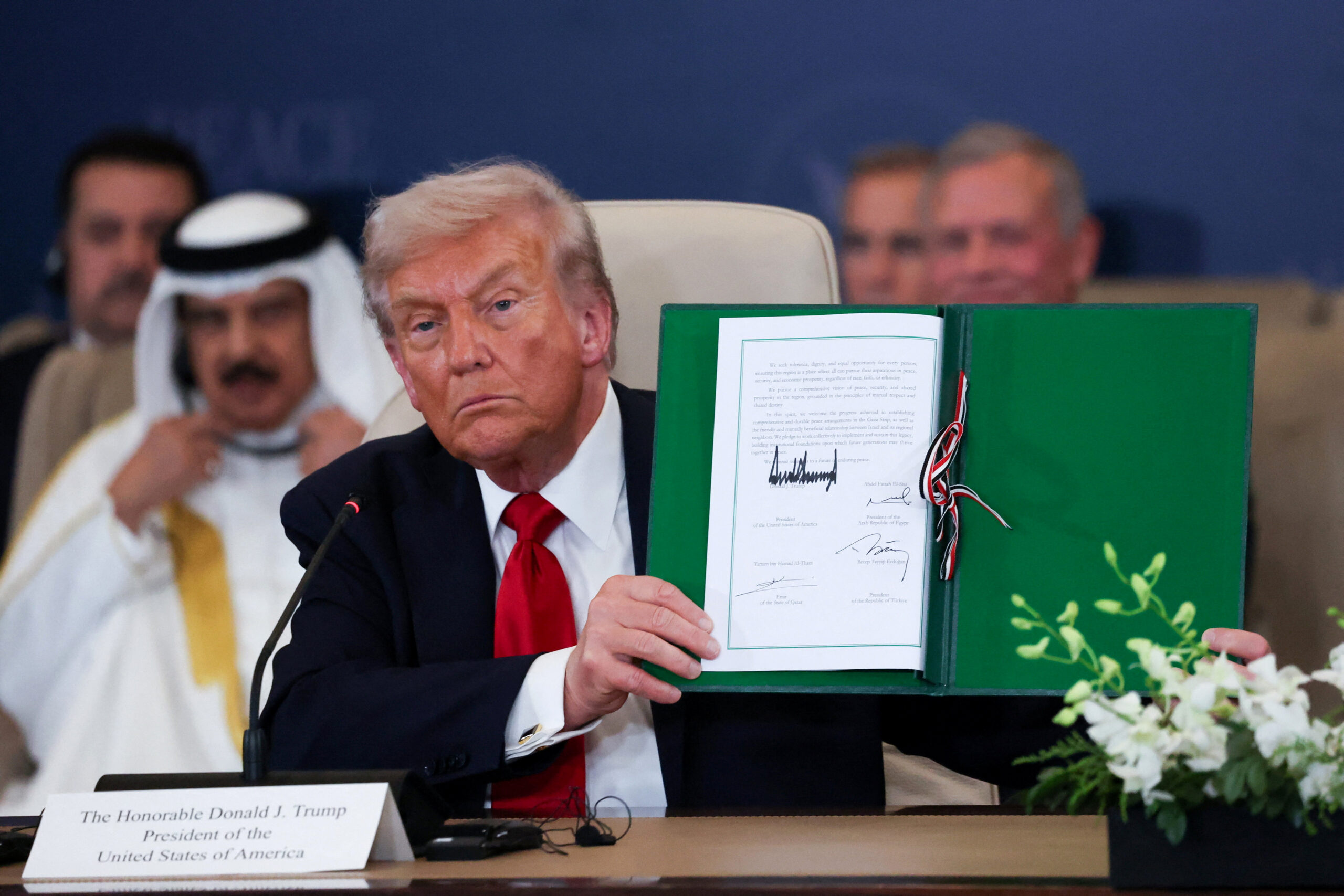
US President Donald Trump started off his week by flying to Israel and Egypt to mark the Gaza cease-fire and release of the last remaining Israeli hostages. But as these positive developments unfolded in the Middle East, the Trump administration’s overall agenda remained weighed down on other fronts.
Iran’s nuclear calculus in an unsettled Middle East
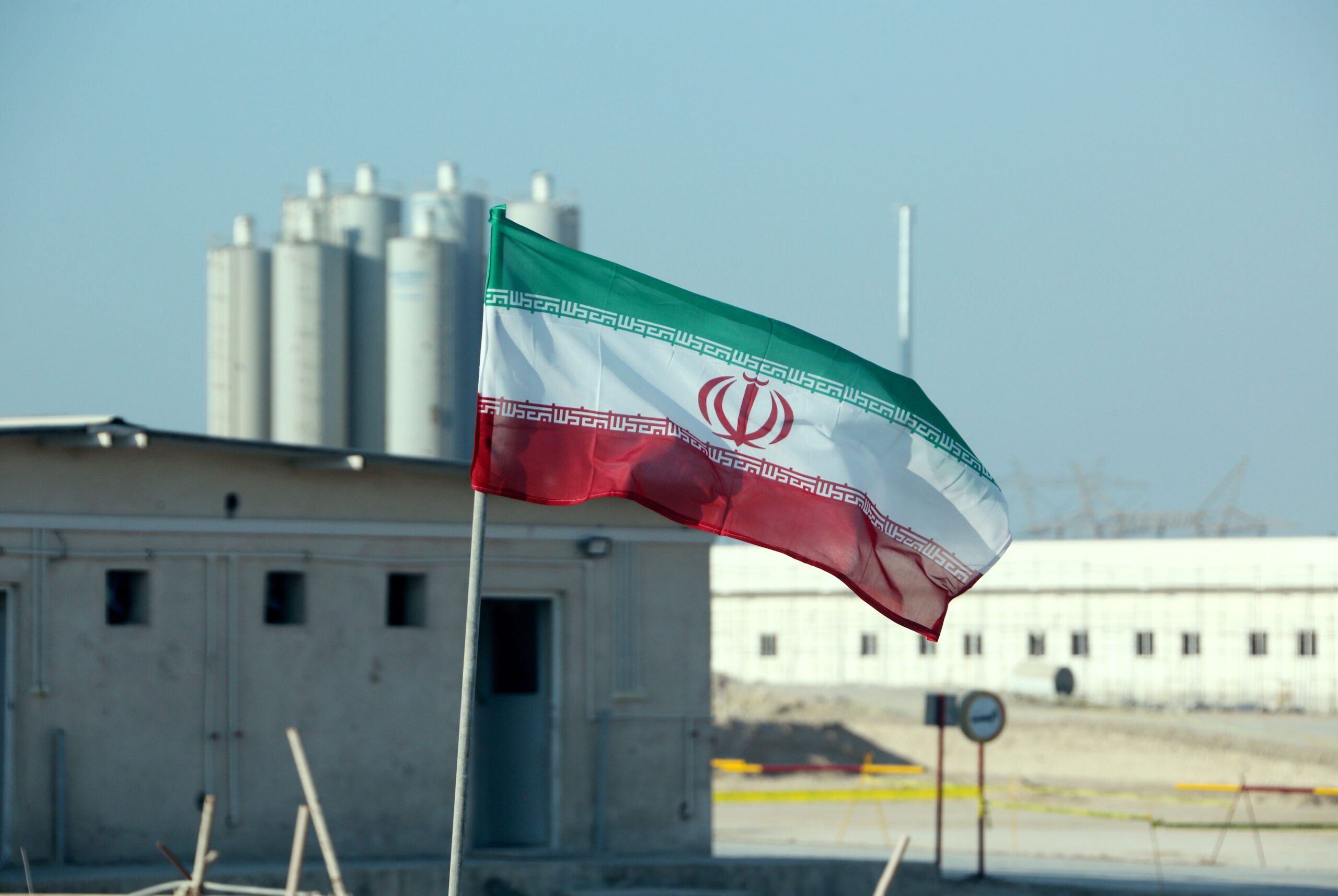
Iran’s nuclear trajectory is more like a cautious glide along a familiar route than a leap into the unknown, made up of tactical, reversible steps aimed at buying time rather than fundamentally changing the project.
In New York, Iranian officials quietly explored whether a brief delay to the re-imposition of UN sanctions (‘snapback’) could be negotiated on the sidelines of the General Assembly if negotiations addressed their stockpile enriched to 60 percent.
A year after Israel defanged Hezbollah, and in the wake of the annual opening of the UN General Assembly and several developments related to the Middle East, it may be a good time to take stock. In my 38-year career of diplomacy in the Middle East, anytime someone expressed optimism, I would suggest a head examination might be in order. However, today there are a few glimmerings of things that might help the region stabilize.
The October 2025 cease-fire and hostage-release deal that ended the Israel-Hamas conflict marks the beginning of a complicated post-war phase. In a new MEI Policy Memo, Brian Katulis breaks down why it matters for the US and the relevant policy considerations.
The October 2025 cease-fire and hostage-release deal that ended the Israel-Hamas conflict marks the beginning of a complicated post-war phase. The agreement has created important opportunities to advance stability in the Middle East and build a lasting and sustainable peace marked by enhanced regional security and integration, but there are considerable risks to manage. Achieving these goals will require coordinated international action along multiple lines of effort: security, rule of law, recovery and reconstruction, responsive governance, and steady and focused diplomacy to build confidence among key parties.
The oldest peer-reviewed publication dedicated to the study of the modern Middle East, MEI’s flagship journal covers politics, society, and culture in the region.