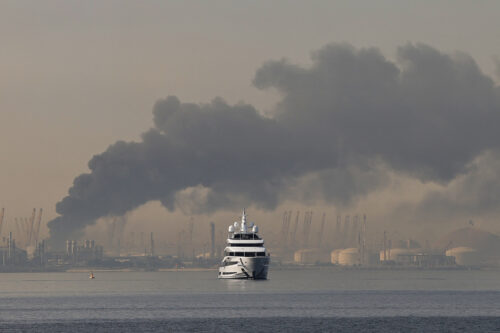
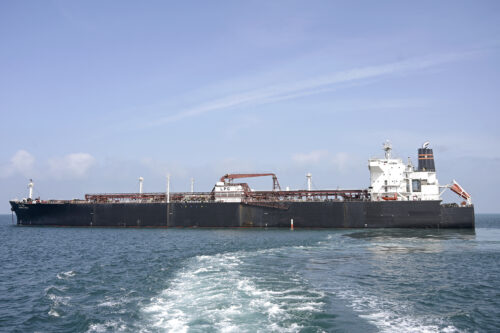
Geopolitical influence over trade increasingly rests on controlling the systems that make them work. The Middle East illustrates the stakes. US ports, cable corridors, cloud facilities, artificial intelligence (AI) investments, and maritime routes connect regional economies to global commerce while exposing them to external decisions and disruptions. For the United States, the challenge is to translate technological advantage into resilient networks rather than rely on centrality that can itself become a source of vulnerability and coercion.
Bonus Episode: Previewing Israel’s First Post-October 7 Election
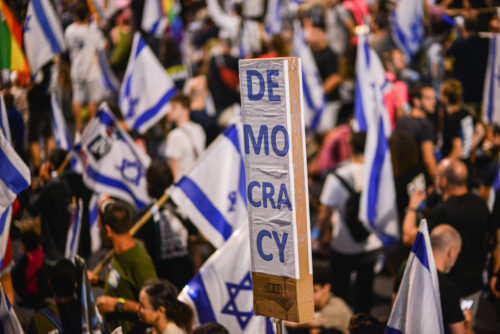
Israel is preparing to hold what may be its most consequential election in decades. On October 27, Prime Minister Benjamin Netanyahu will face his first electoral test since October 7, 2023. In this bonus episode of Middle East Focus, we present the audio from a recent MEI webinar, hosted in Israel on the eve of the vote. Senior Fellow Natan Sachs is joined by Dr. Shira Efron, Distinguished Chair for Israel Policy and senior fellow at the RAND Corporation, and Neri Zilber, veteran journalist and Financial Times correspondent. They explore what’s at stake in this historic election and how different outcomes could reshape Israel’s domestic politics and the wider region.
Israel Was Built on Hope. This Election May Be Our Last Chance to Save It
Israel’s national anthem, Hatikva, means “the hope.” Israel is not just another country, but the culmination of a 2,000-year-old dream of national redemption. The rebirth of the Jewish people’s ancestral homeland, just three years after the Holocaust, was a miraculous triumph of hope over all odds.
Today, that hope has been shattered and the elections on October 27 have become the most consequential in Israel’s history.
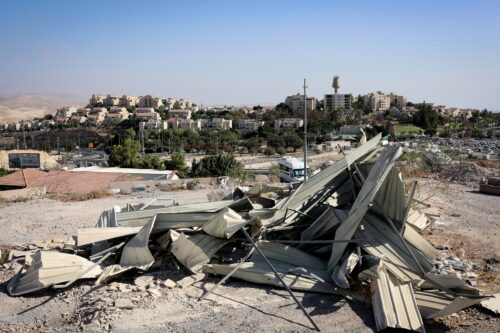
Since 1967, Israeli settlements in the West Bank have been a contested feature of the Israeli-Palestinian conflict. The ultimate disposition of the settlements and ongoing activity related to their growth have repeatedly defied agreement in negotiations over a resolution to the conflict.
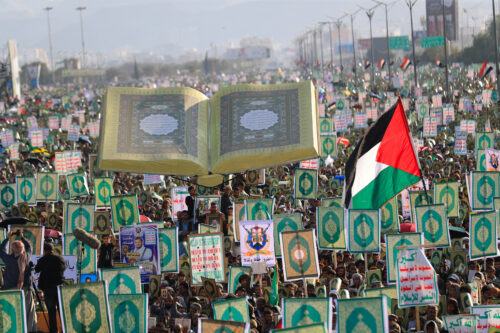
The Houthis are a political-military faction and Zaydi religious movement founded in northwestern Yemen in the 1980s. A key member of Iran’s Axis of Resistance with links to other militant organizations in the Arabian Peninsula and the Horn of Africa, the group has continued to pose a threat to Western interests on a global scale.
The India-Middle East-Europe Economic Corridor (IMEC) is a proposed multinational infrastructure initiative aimed at upgrading connectivity between the three regions through integrated trade, energy, and digital networks. Announced at the G20 summit in New Delhi in September 2023, IMEC is envisioned partially as a counterweight to China’s international infrastructure project, the Belt and Road Initiative.
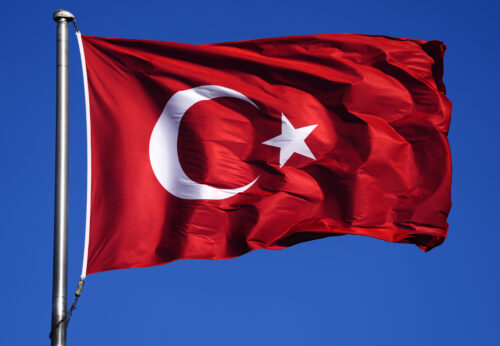
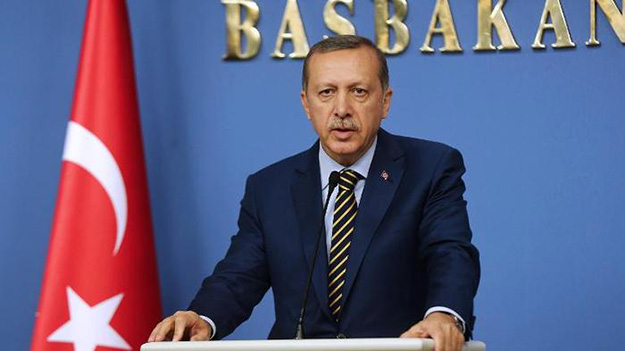
After a decade of post-Arab Spring isolation, Turkey’s leaders have recognized that their ambition to position the country as an agenda-setter on the world stage requires active engagement in all directions. President Recep Tayyip Erdoğan’s consolidation of executive authority has centralized foreign policy decision-making and tied it to his domestic political priorities, transforming the country’s revisionist approach to one shaped primarily by personal and pragmatic interests.
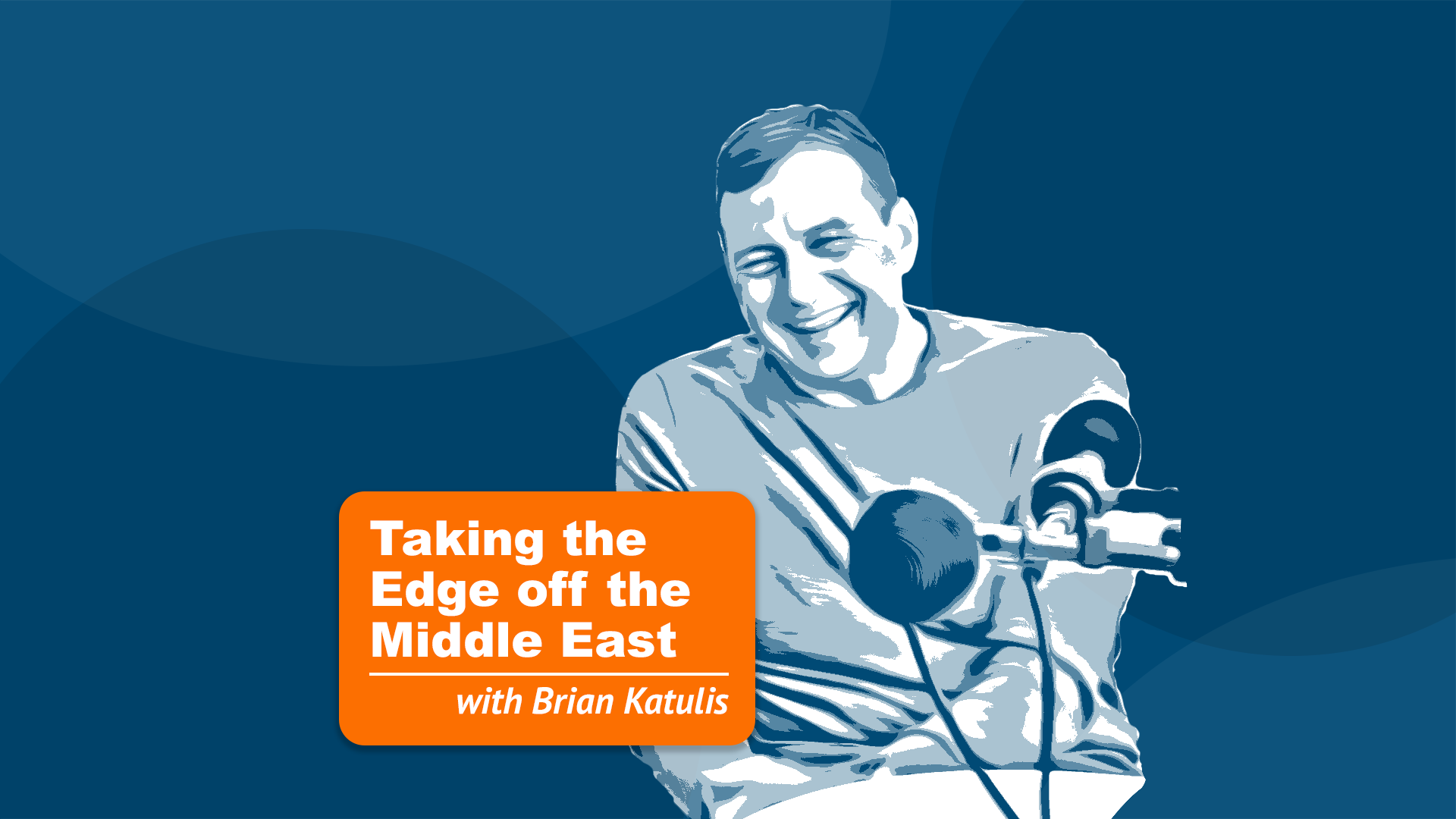
MEI Senior Fellow Brian Katulis engages friends, colleagues, and policy experts in casual conversations on the most important happenings in the Middle East.
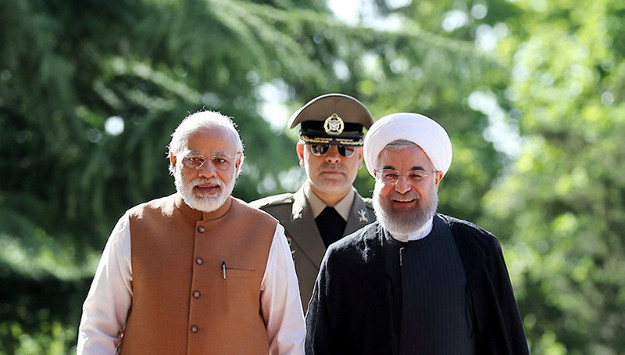
The last few weeks has seen a flurry of important announcements in Iranian-Indian relations. It is usually the commercial transactions that capture most of the headlines, but the potential for closer ties between these two states runs much deeper.
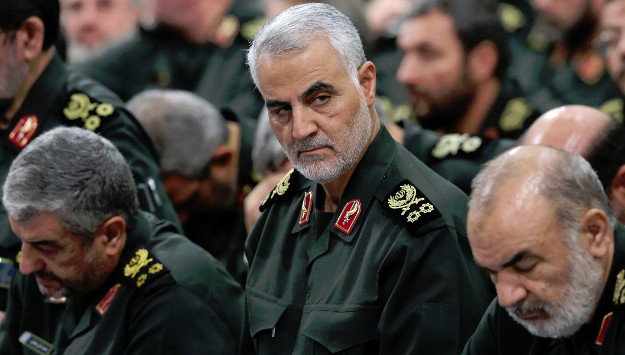
Suleimani's Role in Iraq Raises Fear of Sectarianism after Islamic State's Ouster from Mosul
As the Iraqi security forces are fighting the Islamic State to retake Mosul, a top Iranian general and his aides are reportedly playing a key role on the battlefield.
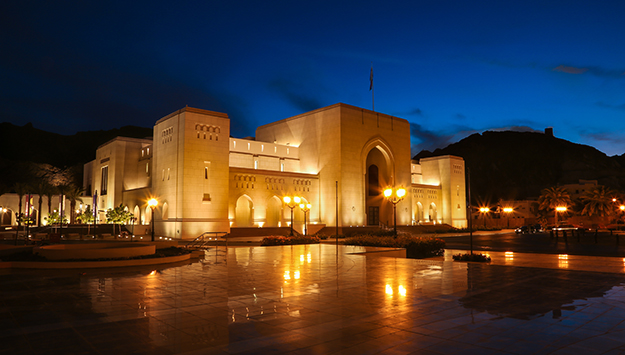
Director Jamal al-Moosawai wanted the new National Museum of Oman to be a space that grows and expands with its knowledge base, and is in tune with ongoing archaeological discoveries in the Arab country.
The result of a ten year collaboration between the Ministry of Heritage and Culture, the Royal Estate Affairs of Oman, Jasper Jacob Associates (J.J.A.), and Arts Architecture International Ltd (A.A.I.), the museum’s blend of the traditional and the contemporary, as well as its high-tech research facilities, make it unique in the region.
Iran-Backed Iraqi Militias Mulling Post-Mosul Role in Syria
As the Iraqi security forces are moving deeper into eastern districts of Mosul, the Iranian media reports that militia groups from the Popular Mobilization Forces (PMF) are making territorial gains against the Islamic State in Mosul’s western region.
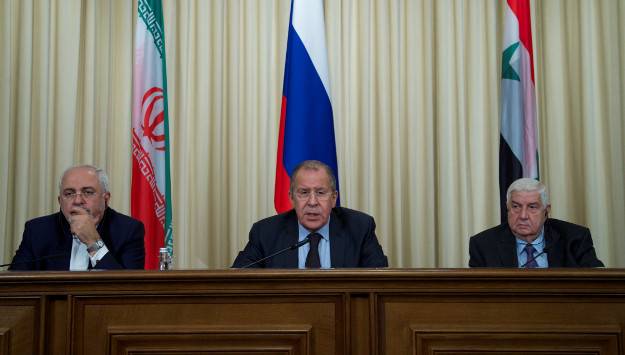
Tehran-Moscow Ties Growing but Alliance Remains Shaky
At the invitation of Iran’s Parliament Speaker Ali Larijani, the chairwoman of the Federation Council of Russia, the country’s upper house of parliament, is
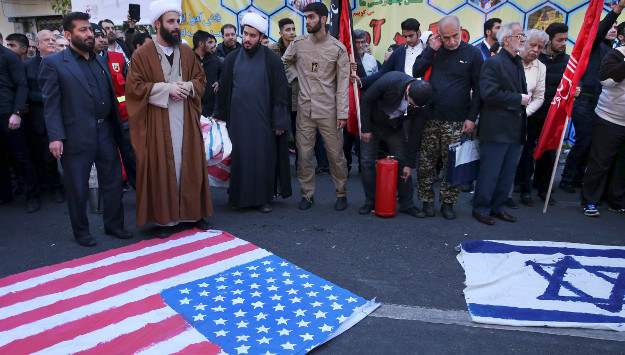
Iran Marks Embassy Seizure Anniversary with "Death to America" Slogan
Tens of thousands of Iranians marched across Iran to mark the anniversary of the seizure of the US Embassy in Tehran following the Islamic Revolution in the country in 1979.
To be a cinephile in Tunis is a patriotic act. Tunisians came out in droves to last year’s Carthage Film Festival, which occurred a day after a terror attack targeting security forces.
“Everyone came out in defiance of the situation, to show their solidarity and love of cinema,” Tunisian journalist and festival staffer Yosr Hazgui said.
Iran Hails Aoun’s Election as Victory for Resistance
On Monday, Lebanon’s lawmakers ended more than two years of political gridlock and elected Michel Aoun as the country’s president. The news was greeted with elation in Tehran as Aoun, a former general from Lebanon’s Christian community, is a close ally of Iran-backed militia and political party Hezbollah.
When Osama bin Laden carefully recruited a number of Saudis to carry out the 9/11 attacks, his intention was to drive a wedge between his two enemies, the United States and the Saudi government. Fifteen years after the attacks, the JASTA legislation appears to be doing just that.
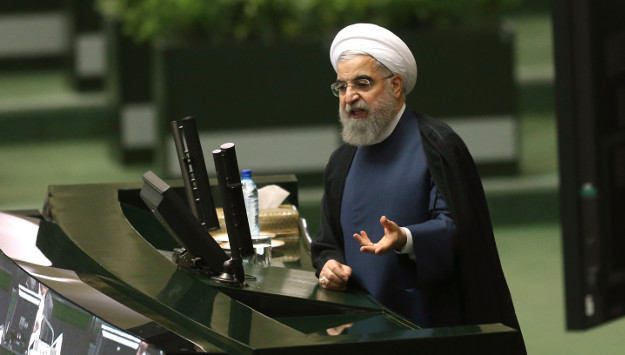
On November 2, Iran’s Supreme Leader Ali Khamenei warned that compromise with the United States would only aggravate the country’s problems. He accused Washington of continuing hostile policies against Tehran and not abiding by the terms of the 2015 nuclear agreement.
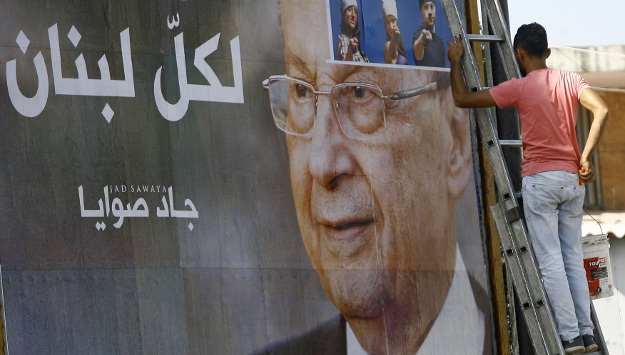
“Kullun haramiyyeh” — “they’re all thieves” — is the most common sentiment about Lebanon’s politics on the streets of Beirut. You’ll hear it from street vendors, waiters, students, teachers, architects, taxi drivers, doctors, Muslims, and Christians. It’s a view, in short, that unites this perpetually fragmented country.
The oldest peer-reviewed publication dedicated to the study of the modern Middle East, MEI’s flagship journal covers politics, society, and culture in the region.