Over the past several weeks, the Houthis have seized the port city of Mokha, Yemen’s western coastline, and several islands in the Bab el-Mandeb Strait, and they are now massing around Marib and Taiz in the first major frontline shift since 2022. MEI Associate Fellow Nadwa Al-Dawsari joins host Matthew Czekaj to unpack the latest developments. Together, they discuss what has allowed the Houthis to advance against Yemeni government forces, the role the militant group plays in Iran’s regional strategy, and what it will take to contain the threat.
I was a teenage Afghan refugee in Pakistan’s tribal areas when the Twin Towers fell. Almost nobody around us understood the politics of what had happened, but we knew that something had changed for good. Afghanistan, which until then had been our private tragedy and our first exile from Taliban rule, had suddenly become the world’s concern, with the United States leading the response.
Though it has fallen out of the headlines because of the Iran war, Syria has had a dramatically consequential summer. Hosts Alistair Taylor and Matthew Czekaj are joined by MEI Senior Fellow Charles Lister to take stock of recent developments: the dissolution of the Kurdish-led Syrian Democratic Forces, Israeli strikes and the friction with Turkey they have exposed, the standoff in Sweida, as well as Damascus’s bid to turn Syria into a trade corridor between the Mediterranean and the Gulf. Is the transition consolidating or fragmenting nearly two years after the fall of the Assad regime?
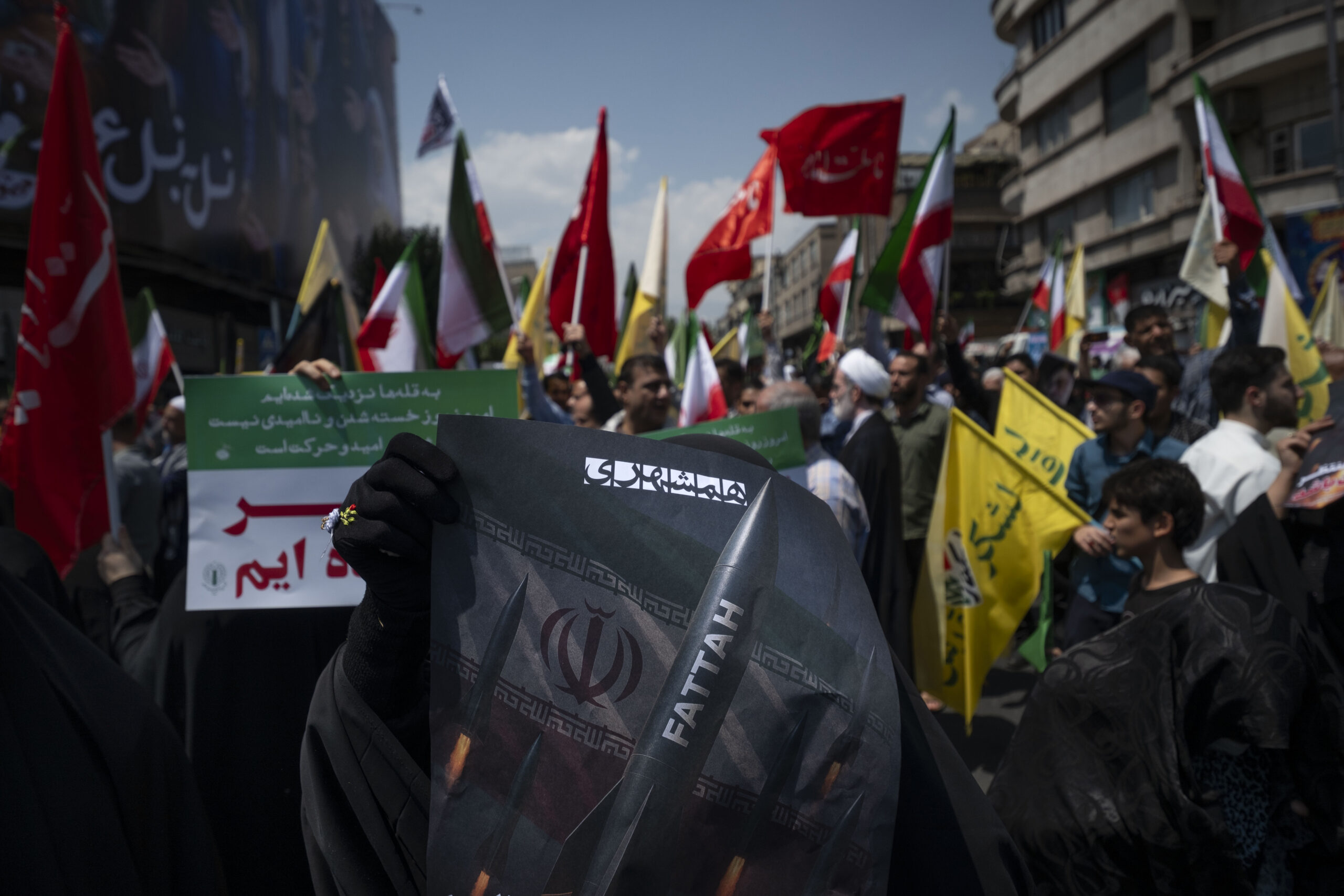
President Donald Trump threatens Iranian Supreme Leader Ali Khamenei. But measured language and disciplined policy can help prevent escalation and protect American interests.
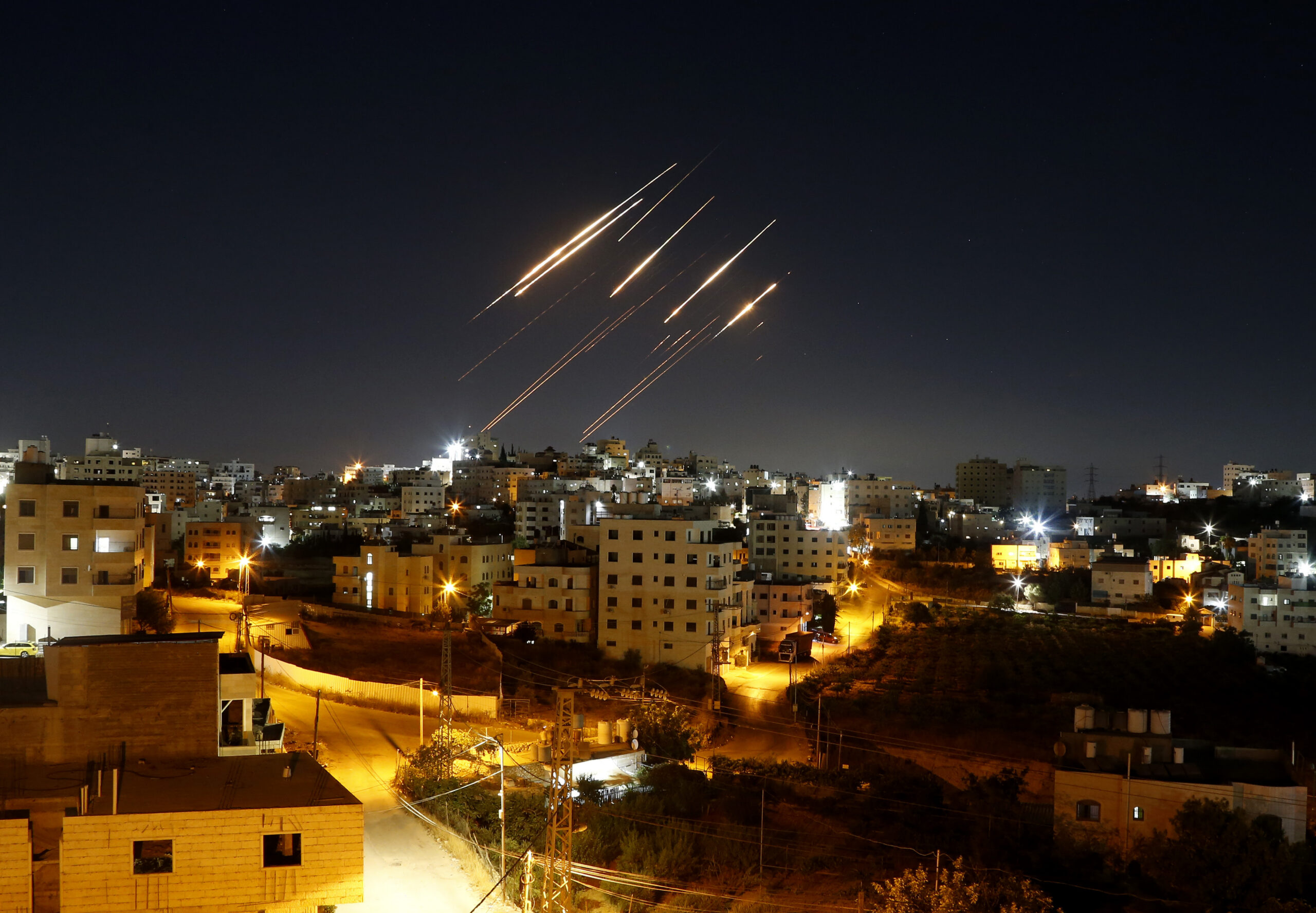
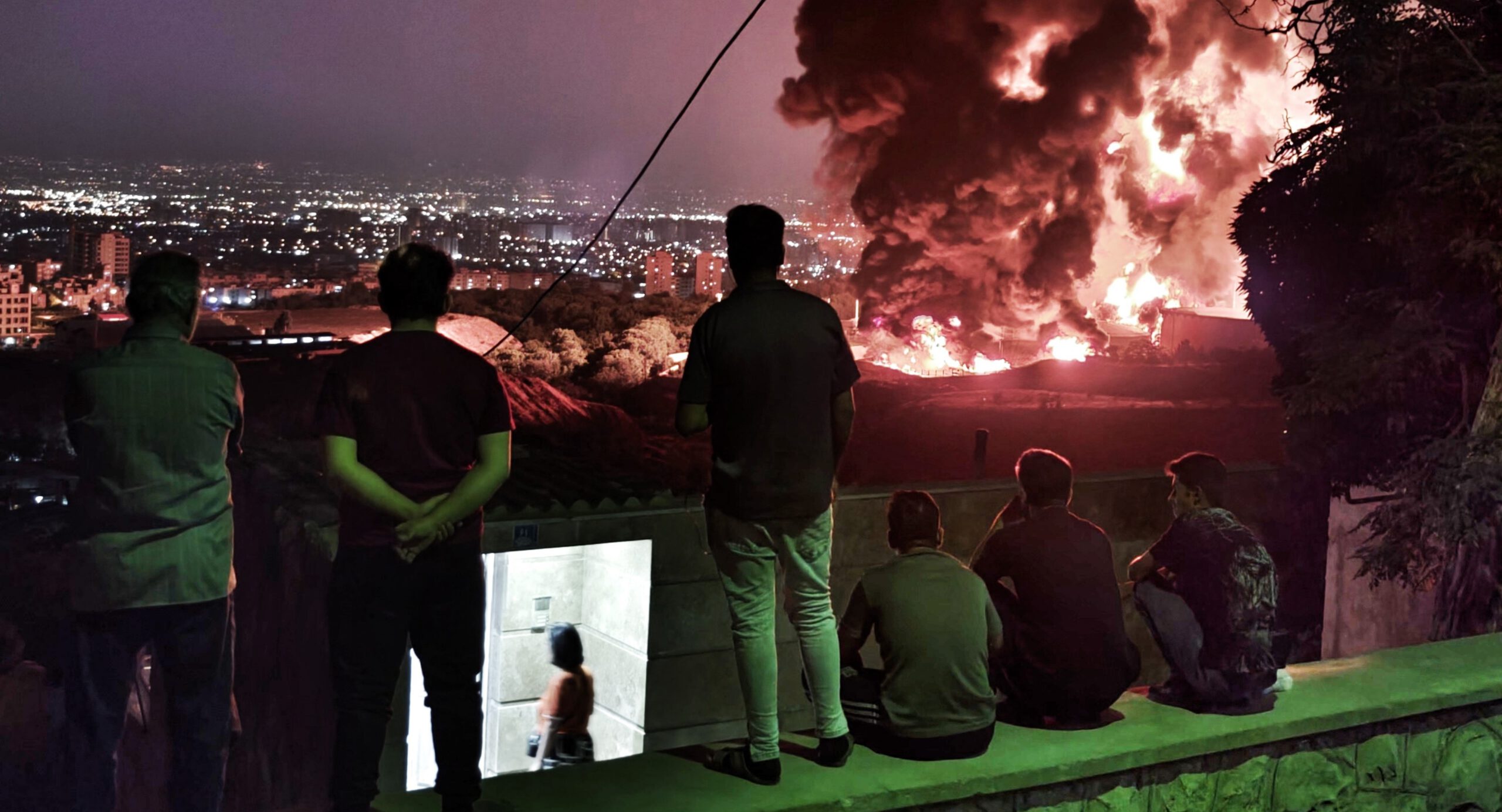
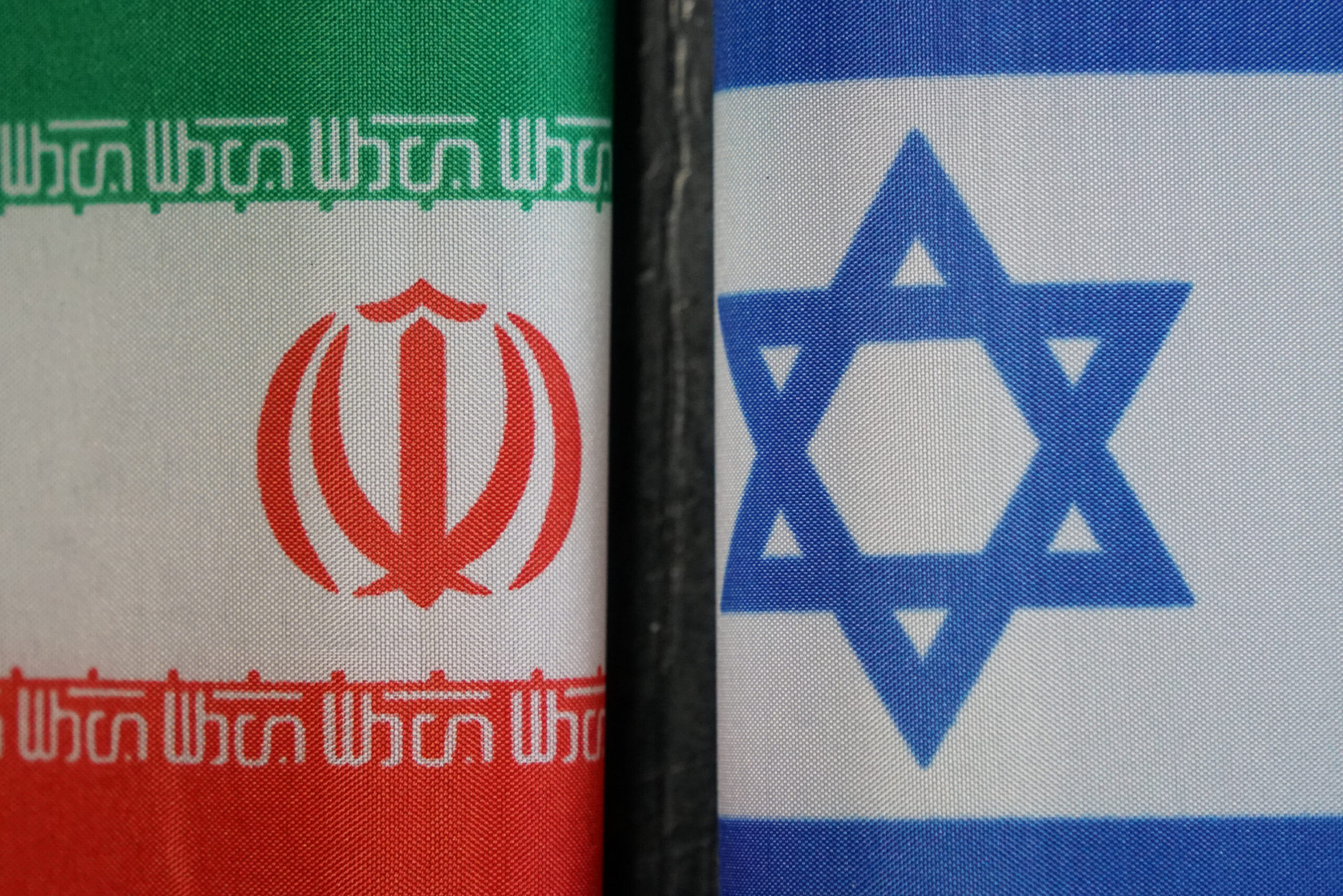
Where do we go from here? Day 5 of the Israel-Iran war
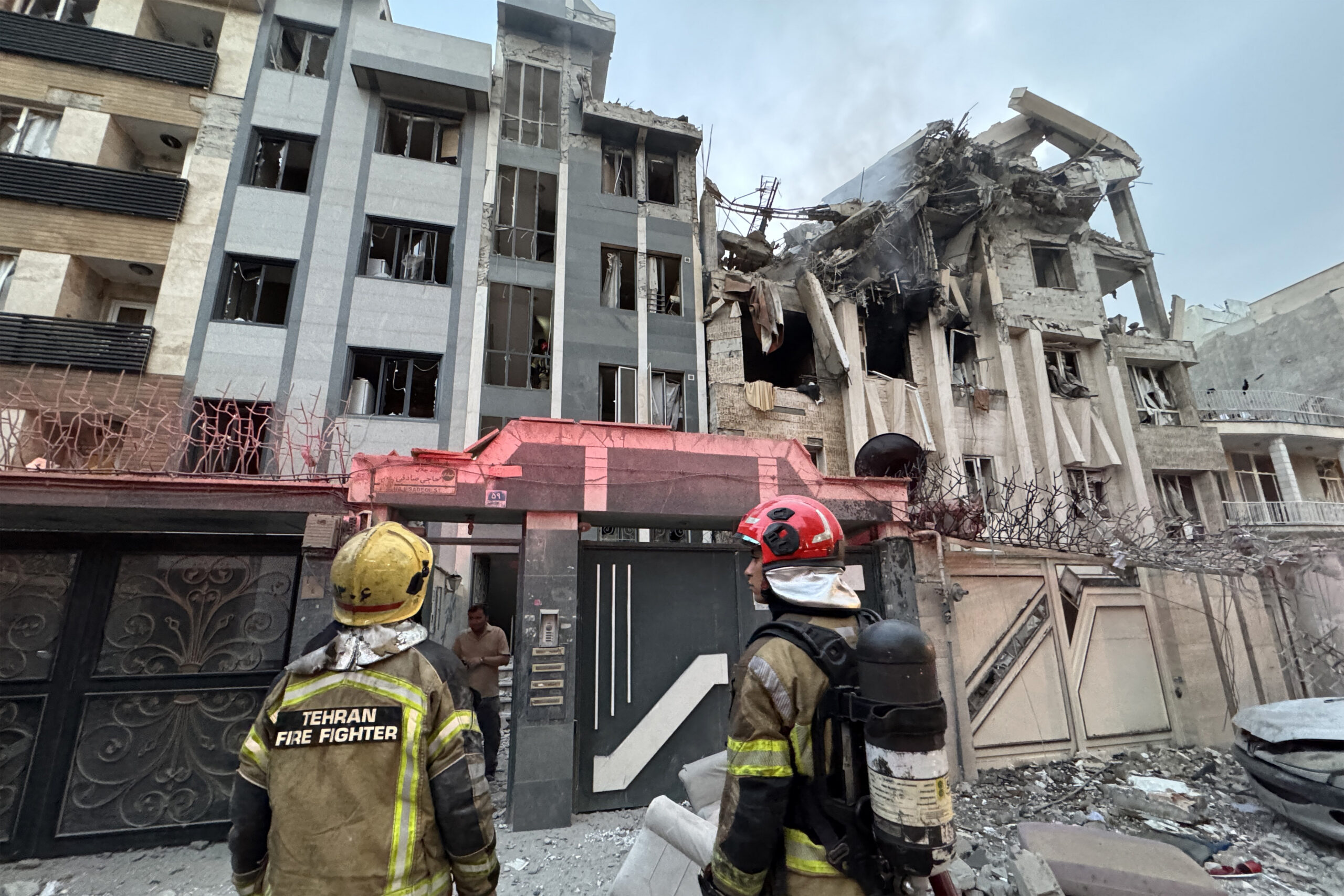
The past four days have clarified much about what Israel wants from this conflict, what Iran can and cannot do to fight back, and what decisions confront the American president over the next few days.
Building Syria’s new army: Future plans and the challenges ahead
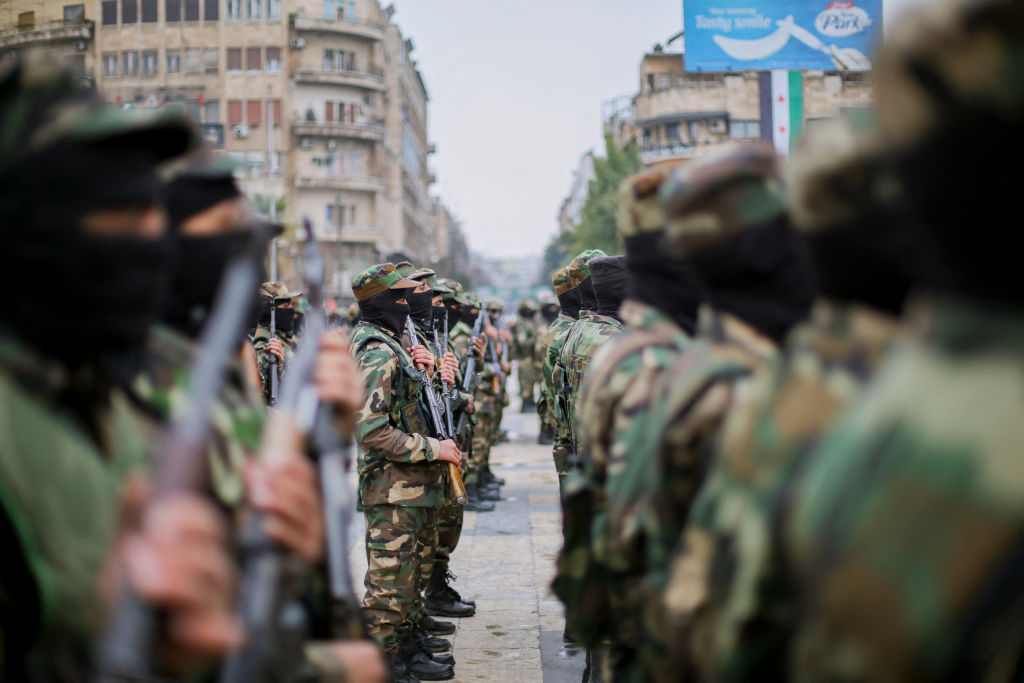
Following the fall of Bashar al-Assad’s regime on Dec. 8, 2024, after the rebel military operation “Deterrence of Aggression” and the establishment of a transitional government, Ahmed al-Sharaa, Syria’s interim president, quickly began working to form a unified national army, dismantle the existing factions, and centralize all weapons under the authority of the state in an effort to address one of the most pressing challenges facing his administration. While several initial moves have been completed, important steps in this complicated process are still pending. This article highlights the current developments surrounding the formation of the new army, including progress achieved to date and key challenges going forward.
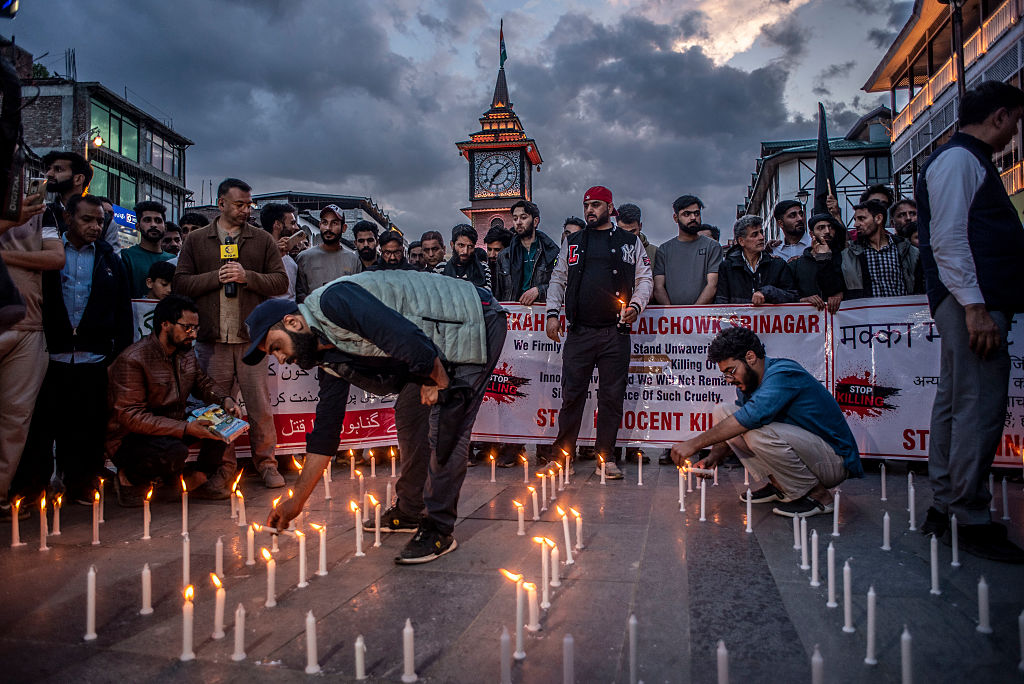
The recent brief yet intense escalation of hostilities between India and Pakistan has further exposed the fragile nature of South Asia’s security landscape. The four-day tit-for-tat cross-border military confrontation between the two nuclear-armed rivals has significantly undermined prospects for normalization, redefining the rules of engagement and signaling a shift in how both countries may manage their relationship moving forward.
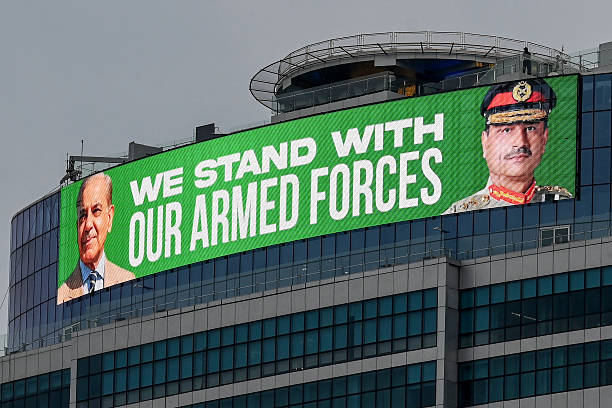
The recent elevation of Gen. Asim Munir to the rank of field marshal is a thunderous declaration of the Pakistani military’s unassailable supremacy, a gesture that reverberates far beyond the barbed-wire perimeters of the Army’s General Headquarters in Rawalpindi.
US-Houthi Ceasefire Deal & the Future of Red Sea Security
The sudden announcement of a US-Houthi ceasefire, brokered by Oman, has halted Washington’s air campaign in Yemen and raised urgent questions about the future of Red Sea security. What prompted the deal, and what are its implications for maritime shipping, regional alliances, and the trajectory of Yemen’s civil war? This episode explores the strategic motivations behind the ceasefire, the role of Iran and Saudi Arabia, and how the Houthis could leverage the pause to regroup and expand their influence across the Horn of Africa.
The Damascus-SDF agreement two months on: Fragile progress or delayed collapse?
On March 10, 2025, Ahmed al-Sharaa, the president of Syria, and Mazloum Abdi, the commander-in-chief of the Syrian Democratic Forces, signed a historic agreement, ending a long-running divide between Damascus and the Democratic Autonomous Administration of North and East Syria. Now, two months after the deal was signed, how far has it progressed, and what are the main obstacles and disputes between the parties during this transitional phase?
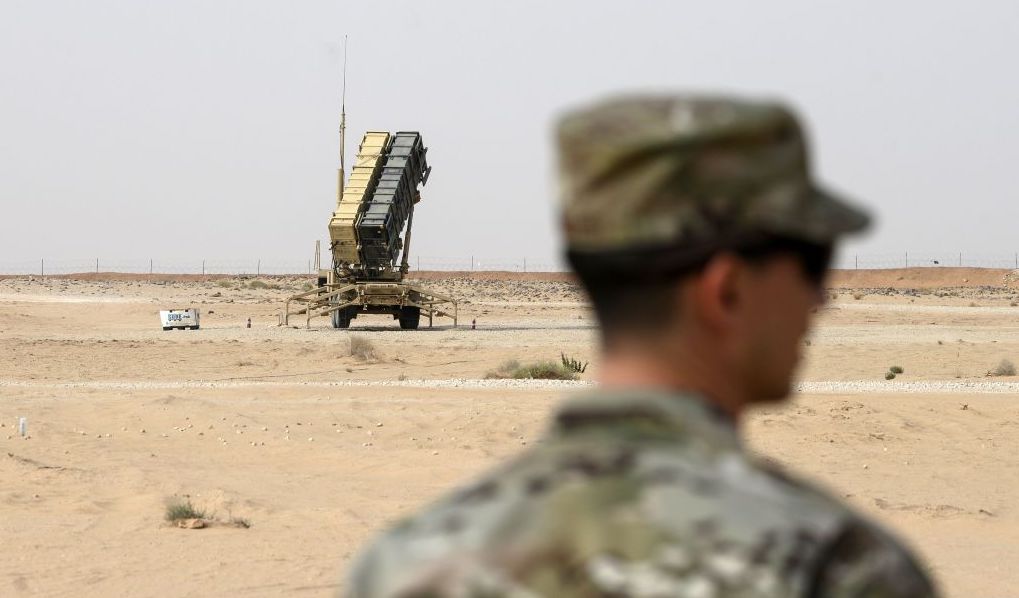
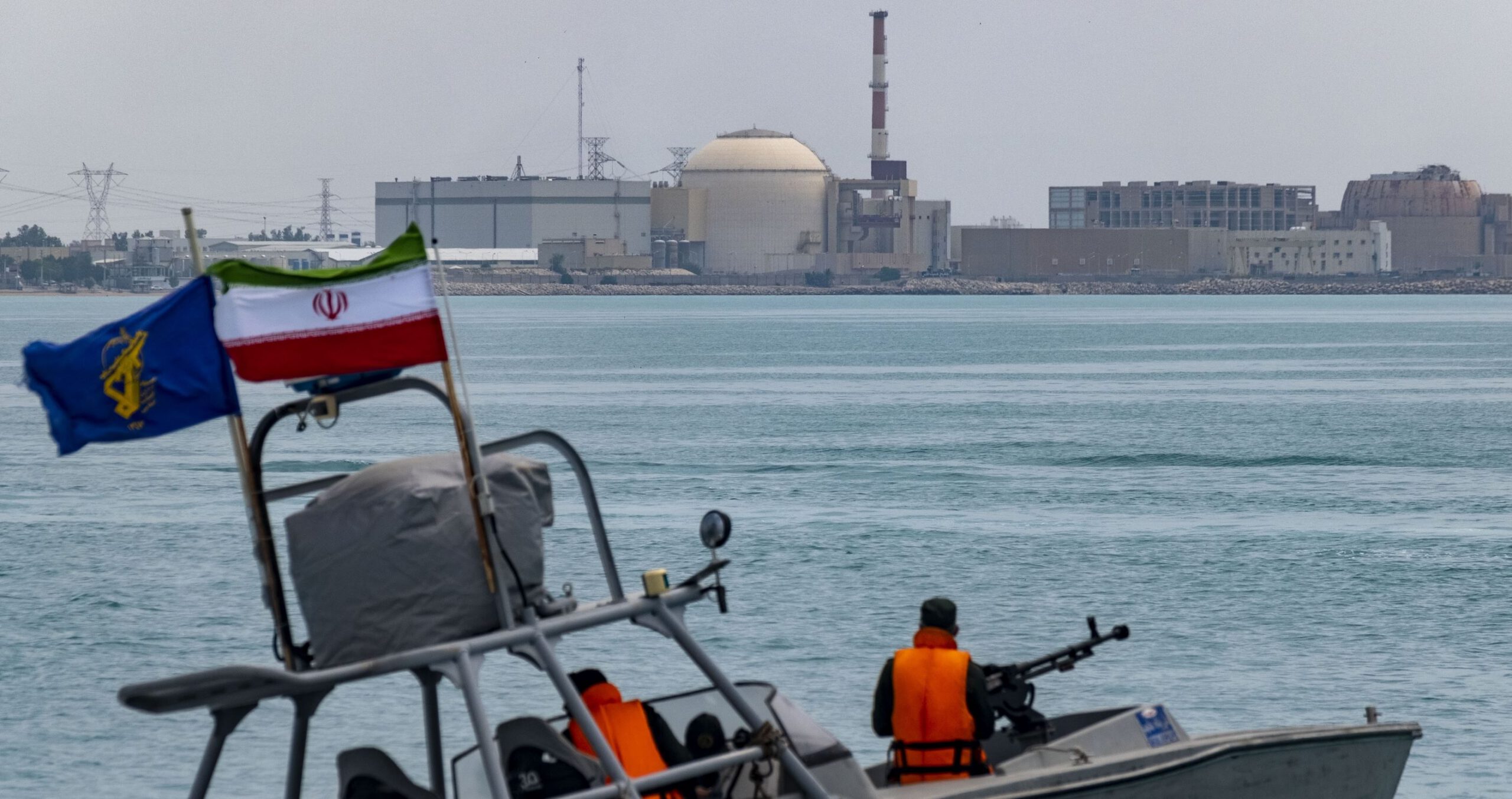
Iran is accumulating enough near-weapons-grade enriched uranium to build a nuclear weapon within weeks or months, not years. President Donald Trump, having withdrawn the United States in 2018 from the nuclear deal that would have postponed that possibility, is now appealing for negotiations with Tehran. But in the Middle East, the nuclear question does not concern only Iran.
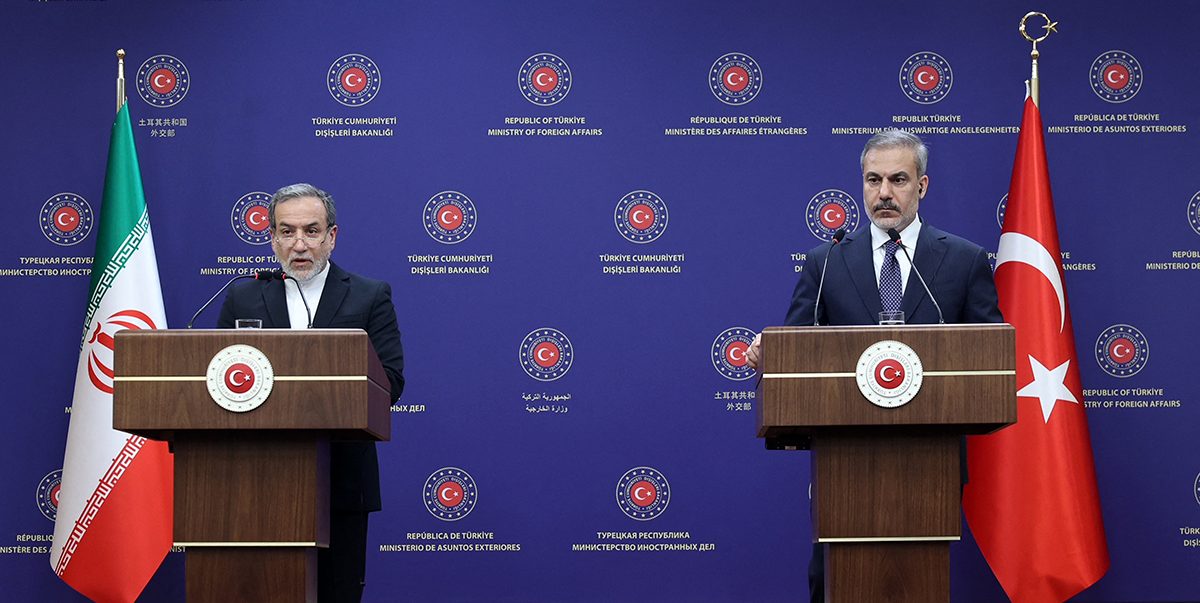
War of words as Turkey-Iran tensions escalate over Syria, Iraq
After decades of managing tensions through careful balancing, Turkey and Iran now find themselves increasingly at odds following recent shifts in the regional balance of power. With Ankara emboldened and Tehran on its back foot after the fall of the regime of Bashar al-Assad, the struggle for influence between the two neighbors and long-time rivals is escalating in both Syria and Iraq and could spread well beyond their borders.
The oldest peer-reviewed publication dedicated to the study of the modern Middle East, MEI’s flagship journal covers politics, society, and culture in the region.