MENA Energy Recap, Q2-2026: Mideast Energy Confronts its Hormuz Era
The MENA Energy Recap is a quarterly review of key energy developments that took place in the region from April through June of 2026 and what they signal in the months ahead. The Recap views these developments through the lens of policy and strategy, energy security, and markets.
The Other MoU: Launching a Europe-Gulf Resilience Initiative After the US-Iran Deal
The Islamabad Memorandum of Understanding (MoU) between the United States and Iran may have ended one of the most consequential Middle Eastern crises in decades, but it has not resolved the strategic problem it exposed. Whether the 60-day talks it set in motion will produce a final agreement remains far from certain.Yet the central lessons are already clear: Iran has preserved significant leverage, Washington has had to scale back its ambitions, and Europe and the Gulf face the prospect of protracted regional tension. Europe and the Gulf should therefore use the aftermath of the US-Iran deal to articulate their own “other MoU”: a Europe-Gulf Resilience initiative.
When Will Energy Markets Recover From the Iran War?
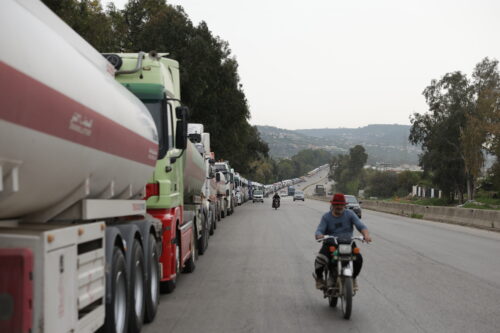
Two and a half months into the blockade of the Strait of Hormuz, what lessons can markets draw from the resulting global energy shock? Colby Connelly, MEI Senior Fellow, joins hosts Alistair Taylor and Matthew Czekaj to assess the crisis’s impact on the energy industry. Together, they examine how producers are responding to the conflict in both the short and long term, how this moment differs from past energy disruptions, and how regional reverberations may shape international energy policies going forward.
Iran-Venezuela relations: Presidents, postures, and pressures
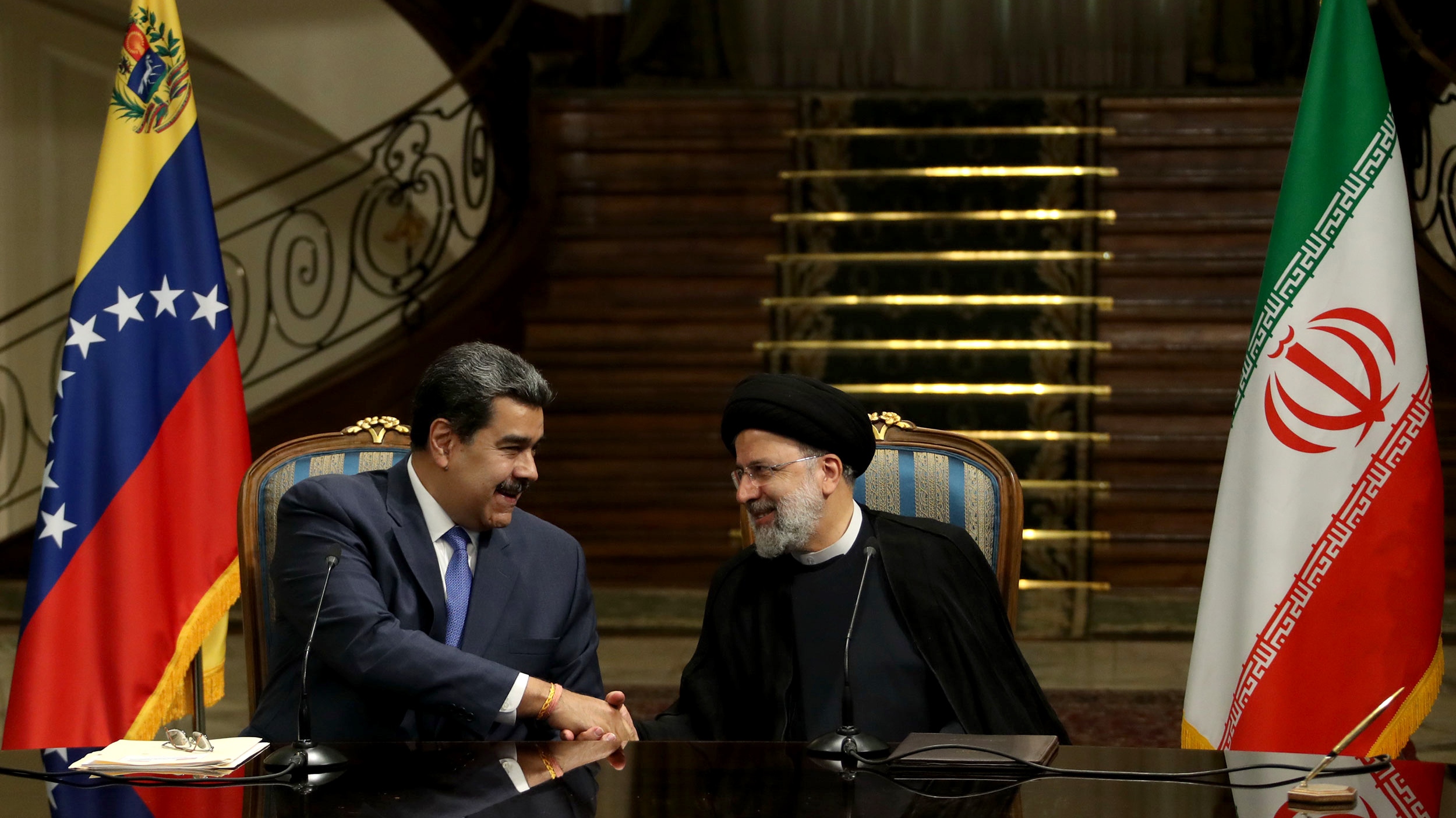
In June, Iran and Venezuela signed a 20-year road map on cooperation. As much as Iranian President Ebrahim Raisi has wanted to differentiate himself from his predecessor, his Venezuela policy has so far closely resembled that of Hassan Rouhani during the latter’s second term.
Gulf economies should use the available fiscal space to ensure a soft landing
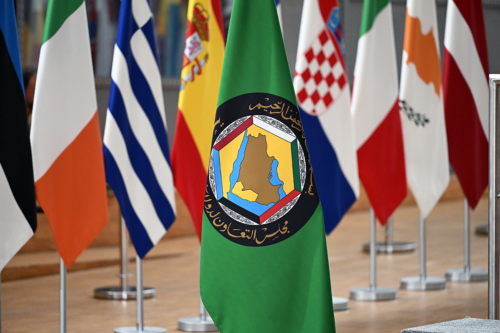
After achieving respectable growth in 2021, the GCC member states now face the risk of monetary (over) tightening due to the need to follow the U.S Federal Reserve’s interest rate adjustments. These increases are not warranted, however, as the GCC economies currently face relatively moderate inflation. Instead, they should use the available fiscal space to mitigate the negative fallout of monetary tightening and make greater use of PPPs for future infrastructure development.
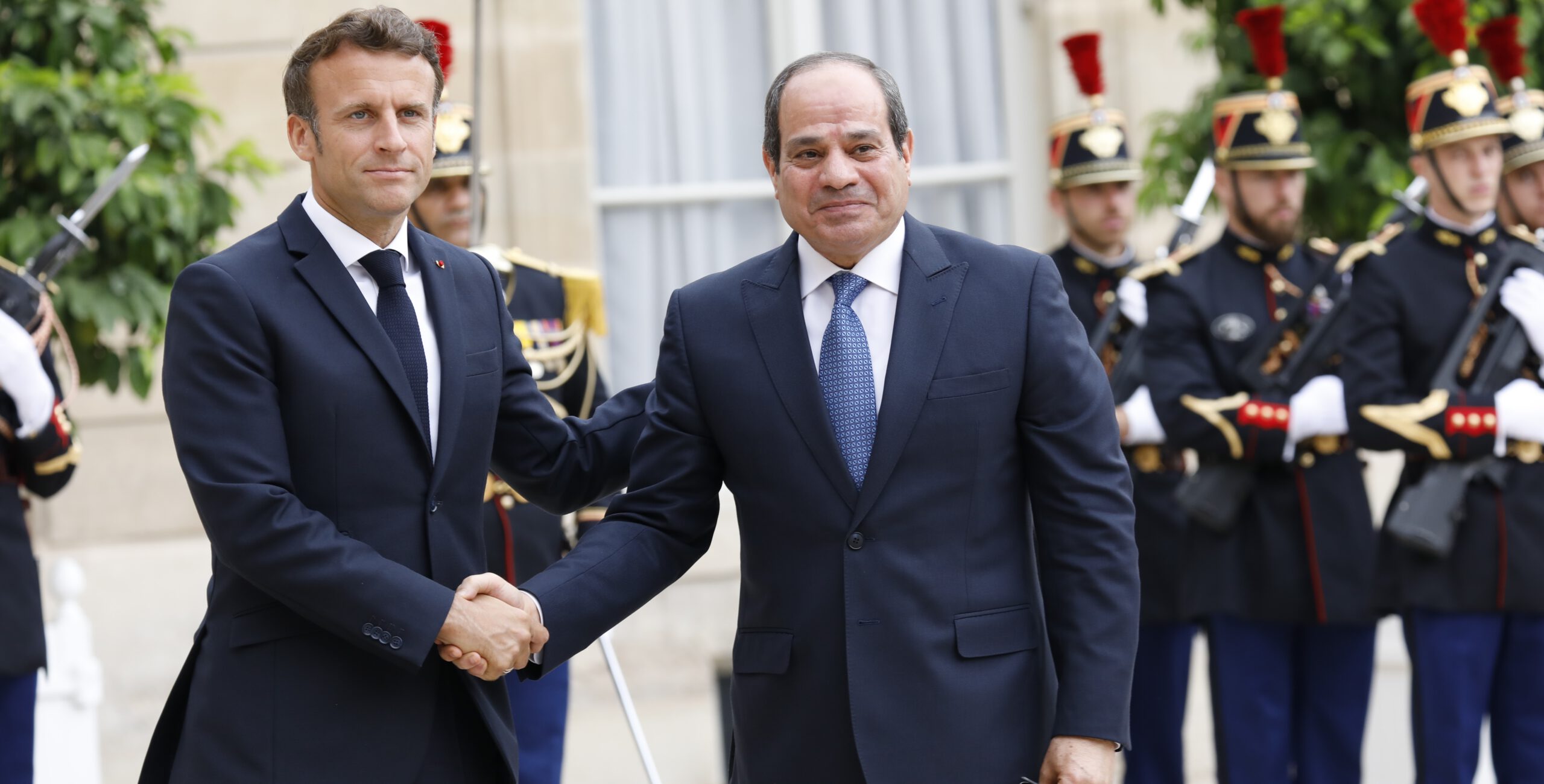
Egypt’s President Sisi makes a comeback on the world stage with a three-stop European tour
Egyptian President Abdel-Fattah el-Sisi’s recent, six-day European tour, which took him to Germany, Serbia, and France, aimed to boost his image and status as a central player on the world stage despite widespread criticism of his regime’s human rights record.
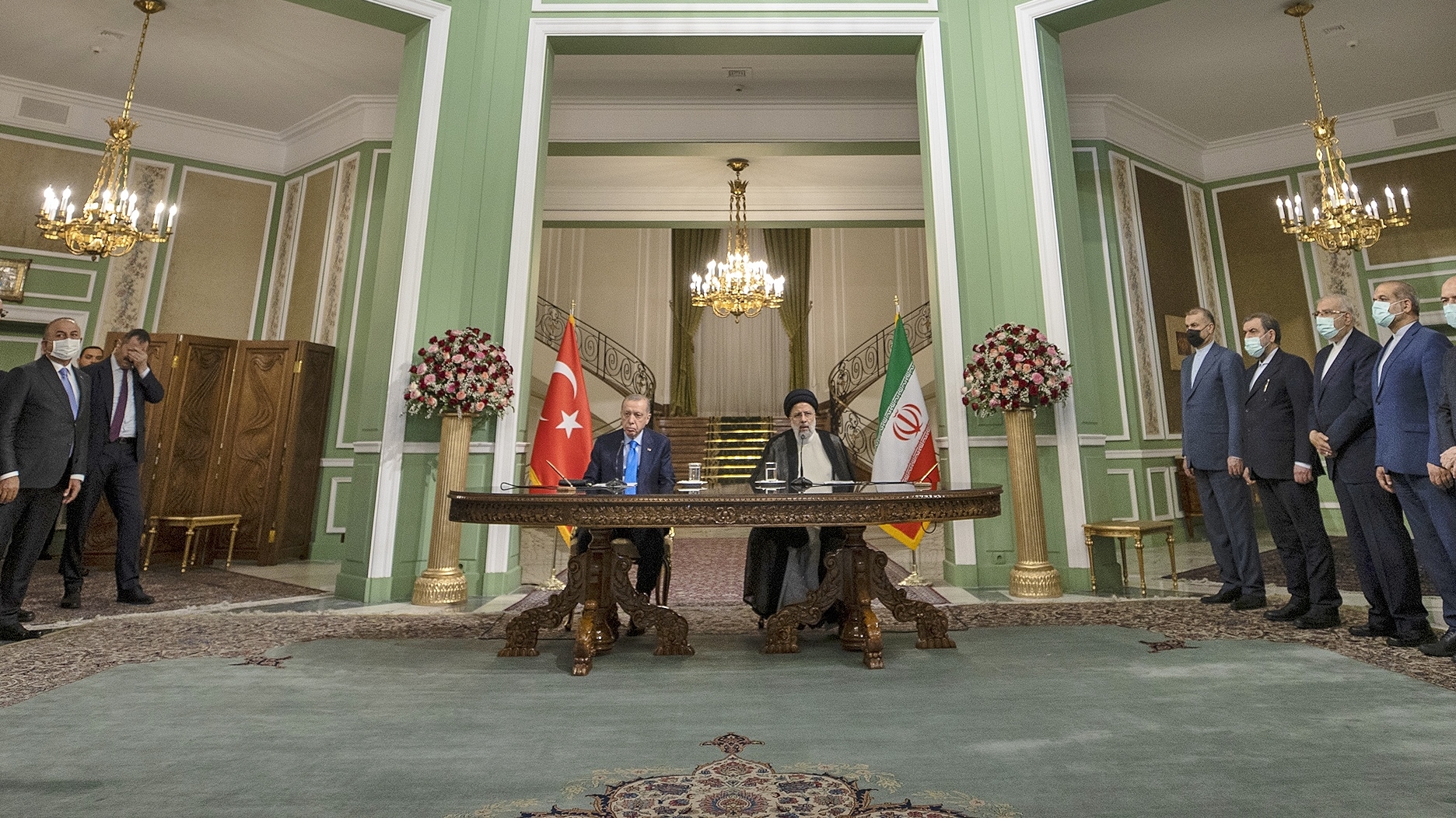
Erdoğan in Tehran, but Turkey and Iran have plenty of mistrust to overcome
Iranian-Turkish trade and economic cooperation has been the all-important platform on which otherwise often tense bilateral relations could survive. With trade and economic ties now weakening, their geopolitical rivalry could sharply re-intensify.
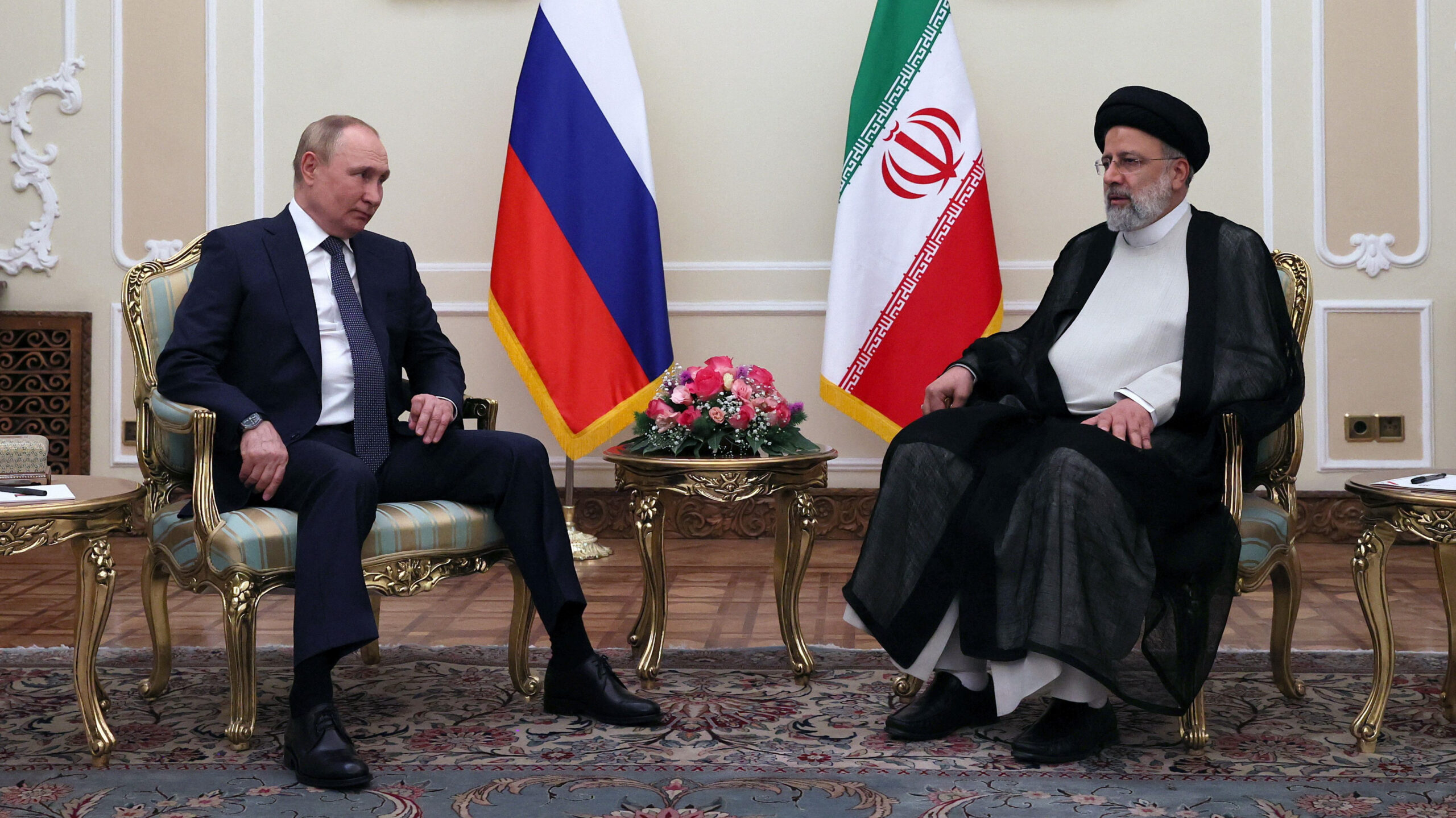
Putin’s visit to the Islamic Republic: Bringing Iran closer to Russia while building long-term leverage over Tehran
Russian President Vladimir Putin’s July 19 visit to Tehran will have important repercussions for the region’s evolving security environment as well as the trajectory of Iranian-Russian relations more specifically. Although officially billed as seeking to revive the “Astana peace process” on Syria, the significance of the trip has less to do with the trilateral meeting between Iran, Russia, and Turkey and more with the deepening of ties between Moscow and Tehran.
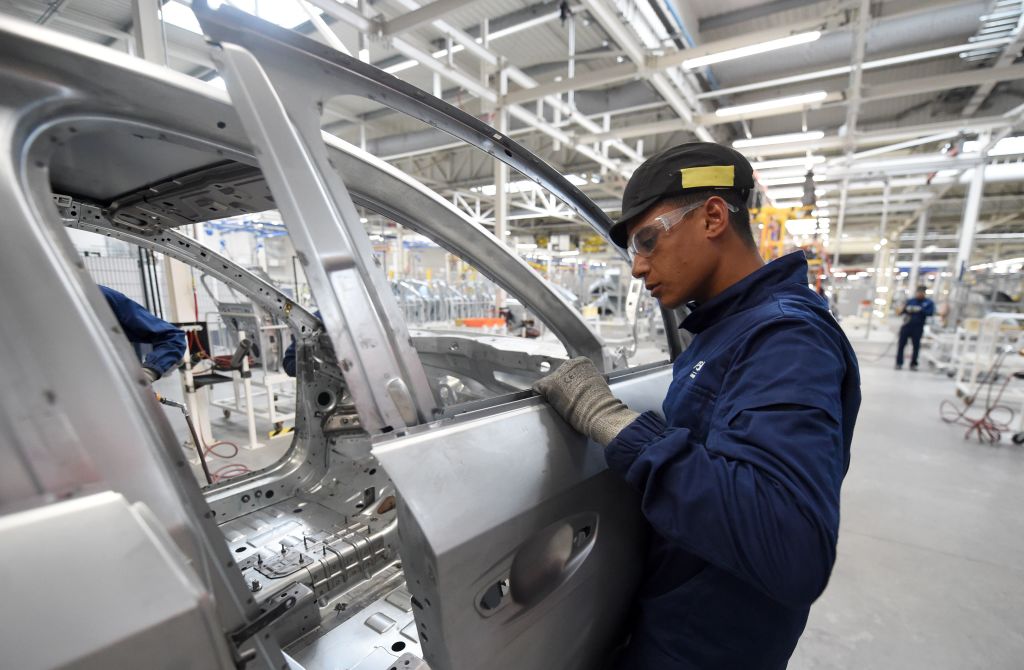
Germany’s Expanding Partnership with Morocco: Strengthening Supply Chain Resilience is the Driving Factor
The deepening partnership between Germany and Morocco has been driven by the private sector, providing an enduring foundation for cooperation. During the 2021 diplomatic crisis over Berlin’s position toward Rabat’s autonomy plan for the Sahara region, German-Moroccan business-to-business relationships remained largely unaffected. The fraying of global supply chains is bringing now Germany and Morocco into a closer economic partnership. The sudden supply shocks caused by Russia’s war against Ukraine have accelerated that process. In the years just prior to the COVID-19 pandemic, global supply chains were already shortening as companies and countries in Europe placed greater emphasis on resilience rather than on just-in-time inventories serviced by distant Asian suppliers. This structural transformation meant bringing sourcing and manufacturing closer to European end-markets. The drive to “nearshore” while maintaining a competitive advantage has provided an impetus to German and other international firms to locate manufacturing facilities in Morocco, which has focused on cultivating an appropriate business ecosystem.
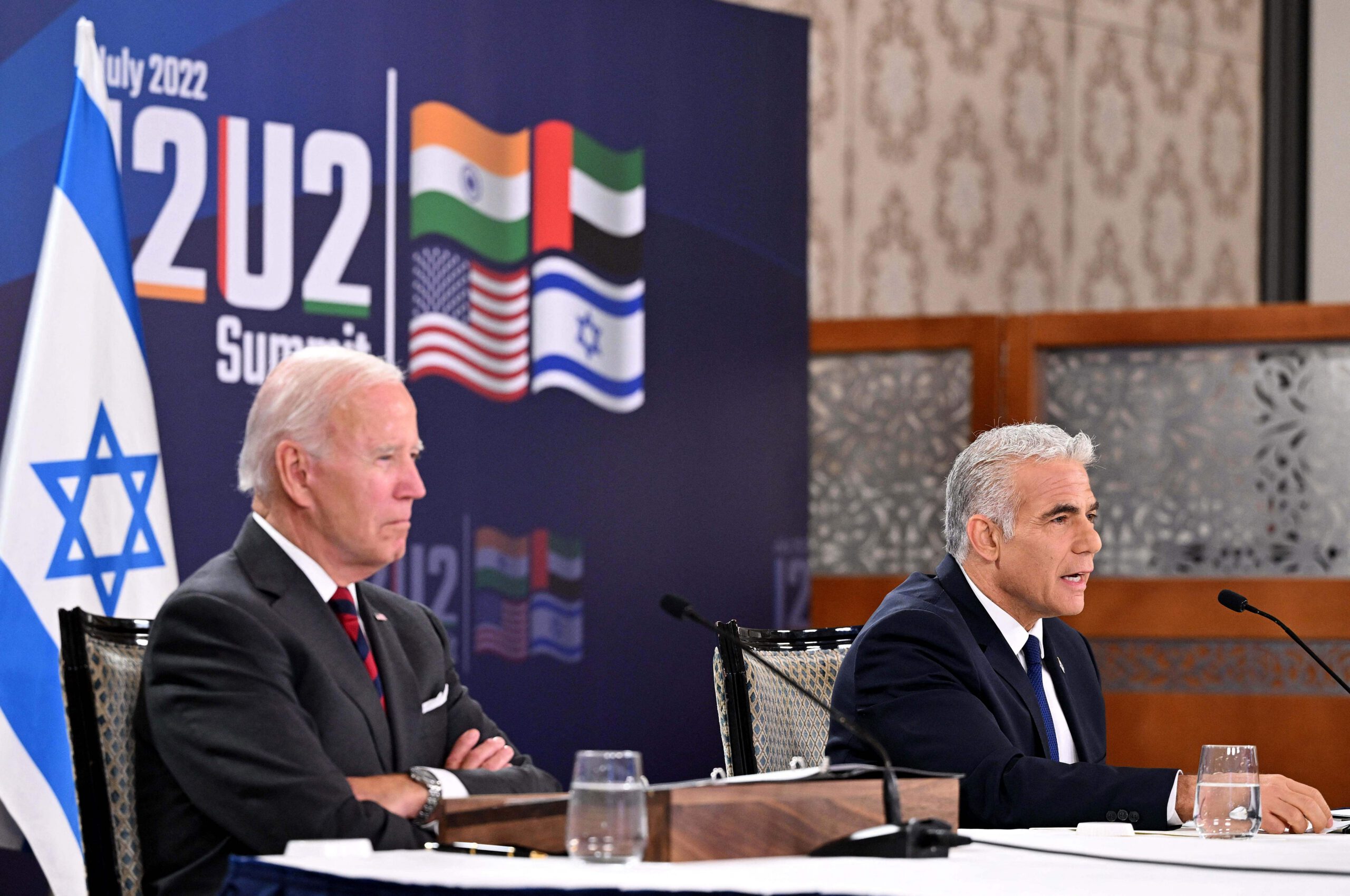
The India-Middle East Food Corridor: How the UAE, Israel, and India are forging a new inter-regional supply chain
The India-Middle East Food Corridor developed organically among the three Asian countries themselves, through private sector, joint venture investments carefully cultivated via bilateral public-private partnerships. The United States’ participation in the corridor could prove beneficial as the U.S. seeks to bolster its presence in the strategic architecture of the Indo-Pacific.
How the Ukraine war exposed Europe’s derailed energy transition and its hypocrisy toward the Middle East
With energy security becoming a top priority, the sudden need to find new sources of hydrocarbons dampened Europe’s and the United States’ previously pledged resolve to address climate change and greenhouse gas emissions.
Ukraine’s critical minerals and Europe’s energy transition: A motivation for Russian aggression?
Russia’s war launched on February 24, 2022, may have partly been motivated by Ukraine’s large reserves of critical metals and their global strategic importance in the production of advanced “green” energy technologies. The cutoff of access to Ukrainian sources, combined with the nature of the partnership between Moscow and Beijing — with China being the largest supplier of the necessary critical minerals — could endanger the very notion of the West’s energy transition.
Pensions, sovereign wealth funds, and industrial policy in the Gulf: A look at fund consolidation
The last few years have seen a lot of consolidation in Gulf financial sectors. Not only do these mergers create economic benefits, the merged entities also become potent tools for economic development. The mega-funds and other major financial institutions are part of a trend where Gulf political elites sidestep ossified bureaucracies and instead centralize power in private entities over which they have even more control.
Egypt as an Eastern Mediterranean power in the age of energy transition
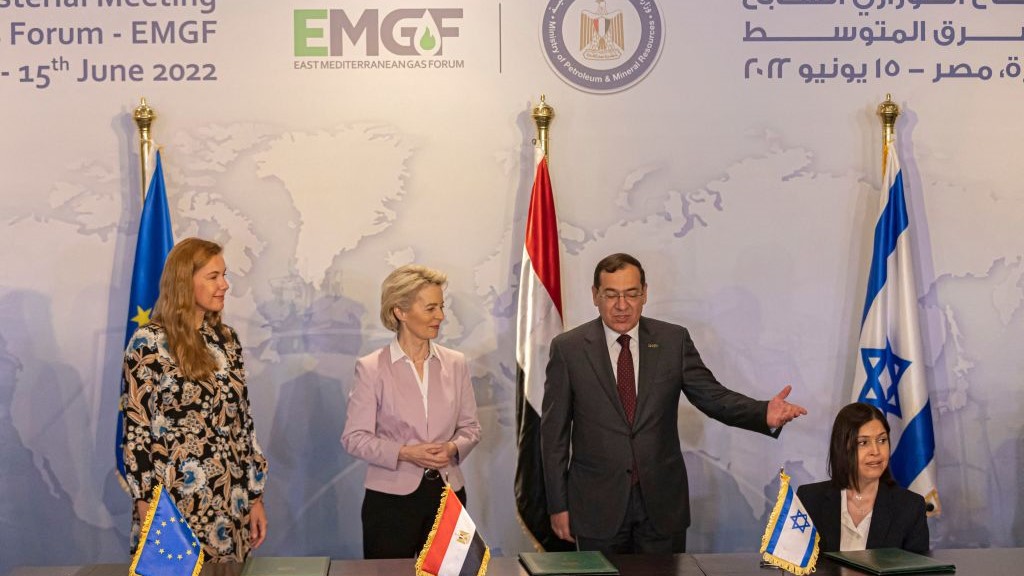
The emergence of Egypt as an Eastern Mediterranean energy hub resulted from a culmination of years of deliberate efforts. Increasingly, Egypt will be able to re-export Israeli natural gas or convert it into blue hydrogen, generate green electricity for export, or utilize its growing wind and solar power capacity to produce green hydrogen.
Urban pollution across the Middle East and Black Sea regions: Causes and mitigation measures
The latest IPCC reports clearly indicate that cities — responsible for up to 72% of global emissions — need to be redesigned to stand a chance against the climate crisis. The urban communities of the Middle East and Black Sea regions face some of the most difficult climate change effects. To properly address their challenges, a comprehensive analysis of drivers and strategies to follow is needed.
Industry analysts widely agree that OPEC+ production levels are currently well below the members’ authorized quotas and that any production increases will mainly be met by Saudi Arabia and the UAE. The challenges facing the group are daunting, but if met, seven major OPEC countries could feasibly raise crude oil production while utilizing existing infrastructure, significantly narrowing the global demand-supply gap.
The oldest peer-reviewed publication dedicated to the study of the modern Middle East, MEI’s flagship journal covers politics, society, and culture in the region.