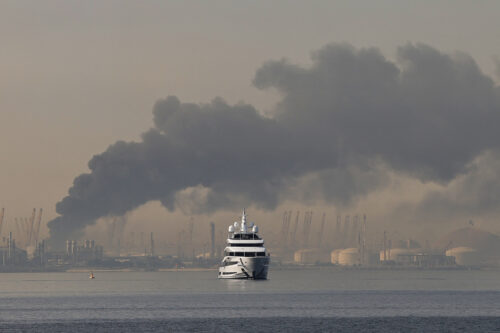
Geopolitical influence over trade increasingly rests on controlling the systems that make them work. The Middle East illustrates the stakes. US ports, cable corridors, cloud facilities, artificial intelligence (AI) investments, and maritime routes connect regional economies to global commerce while exposing them to external decisions and disruptions. For the United States, the challenge is to translate technological advantage into resilient networks rather than rely on centrality that can itself become a source of vulnerability and coercion.
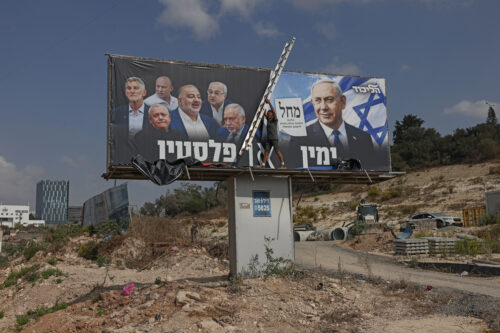
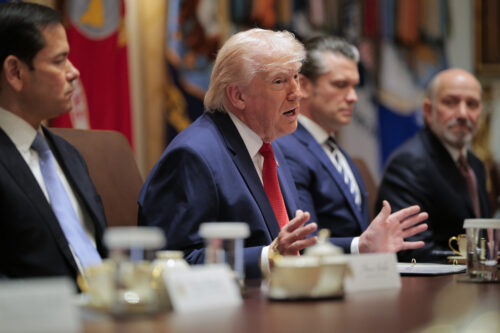
One striking thing about US President Donald Trump’s endorsement of Israeli Prime Minister Benjamin Netanyahu this past week is how isolated he was in making this call. The Israeli Prime Minister has become a widely detested figure worldwide following Israel’s war in Gaza—where Israel committed war crimes. This disdain was clearly on display in New York in September when dozens of diplomats streamed out of the hall during Netanyahu’s speech.
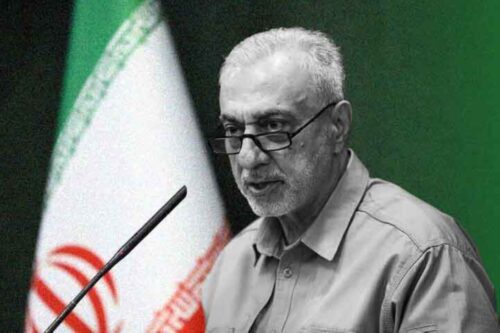
Iran’s New Defense Minister Is a Missile Man, Not a Military Man
Mehrdad Akhlaghi was appointed defense minister in October 2026 by Iranian President Masoud Pezeshkian. He is an unusual choice, as, unlike most of his predecessors, he does not come from a uniformed military background. And his appointment comes arguably at the most sensitive time in the history of the Islamic Republic.
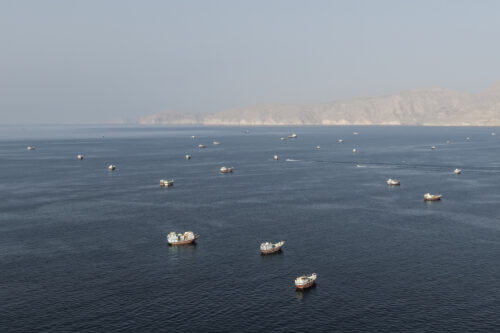
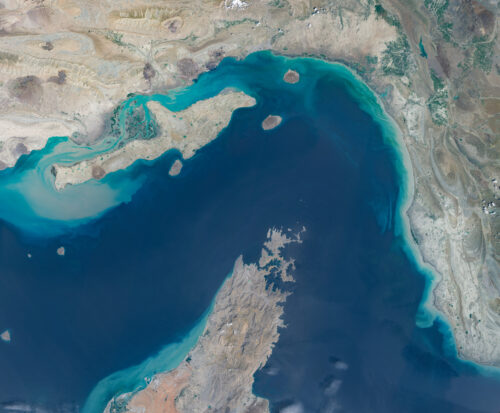
Crude oil is flowing out of the Gulf again, but the market is no better prepared for another disruption in the Strait of Hormuz. It has assembled a temporary system for managing one. Crude exports from the Gulf, excluding Iran, returned to pre-war levels in September, while total Gulf shipments reached 15.5 million barrels a day, more than 80% of the pre-conflict volume.
Many of the immediate consequences of the Israeli-American war with Iran are already clear. The further emergence of drones and missiles as dominant weapons of war; the danger to the global economy from the threats to vital chokepoints such as the Strait of Hormuz and the Bab el-Mandeb; and the inadequacy of US weapons procurement, among other issues, have garnered widespread and entirely merited attention.
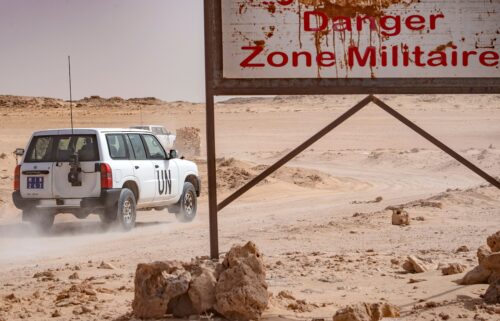
MINURSO’s Future: What the Security Council’s Choice May Reveal
As the United Nations Security Council (UNSC) approaches the October 31 renewal deadline of the UN Monitoring Mission in Western Sahara (MINURSO), the mission’s longer-term future remains uncertain. Another largely unchanged renewal remains a likely immediate outcome. But beyond that holding pattern, three possible scenarios are also on the table.
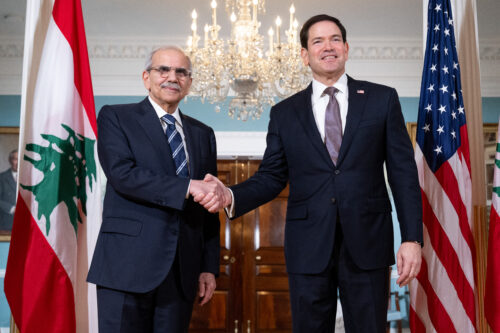
How Lebanon can be Trump’s first success in a troubled region
The Trump administration has done more than any of its predecessors to restore sovereignty for a much traumatized nation, Lebanon. The Israel Defense Forces’ operations in 2024 against Hezbollah decimated that organization, long the “A Team” in global terror.
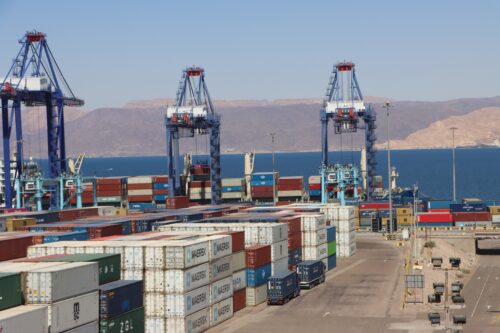
Jordan’s Economy Weathers Iran War’s Shocks and Finds New Opportunities
In the summer of 2003, King Abdullah II told Bloomberg Jordan sits “between Iraq and a hard place,” a play on words designed to describe the kingdom’s challenging environment to an American audience amid the US-led Iraq war to the east and the lingering Palestinian-Israeli conflict to the west. Jordan is grappling with a much “harder place” today.
Proponents of the war with Iran have taken recent increases in crude-oil flows through the Strait of Hormuz as proof that the US strategy is finally working. President Trump is so confident in this that he recently rejected a seven-day plan, set forward by Iran’s foreign ministry, to end the war and open the strait. The United States is “winning tremendously,” Trump boasted.
The Mecca Joint Défense Agreement: A New Geometry of Middle Eastern Power?
On August 7, 2026, Saudi Arabia, Turkey, and Pakistan signed the Mecca Joint Défense Agreement, a collective-defense pact widely compared to NATO’s Article 5. This essay argues that the comparison is misleading. Mecca borrows NATO’s language of solidarity without yet possessing NATO’s institutional machinery, and the Houthi offensive against Saudi Arabia in September 2026 provided an early and revealing test of what the agreement actually means in practice. Neither Pakistan nor Turkey automatically entered the fight on Saudi Arabia’s behalf, and Washington, despite an initial reluctance to strike directly, remained indispensable through intelligence support and a major proposed F-35 sale. Drawing on realist alliance theory — Hans Morgenthau, Kenneth Waltz, Stephen Walt, Glenn Snyder, and Steven David — and on the precedent of the Central Treaty Organization (CENTO), the essay contends that the Middle East is not dividing into rival blocs but moving from hierarchy toward a looser, overlapping geometry of hedged partnerships, in which American exclusivity is eroding considerably faster than American primacy.
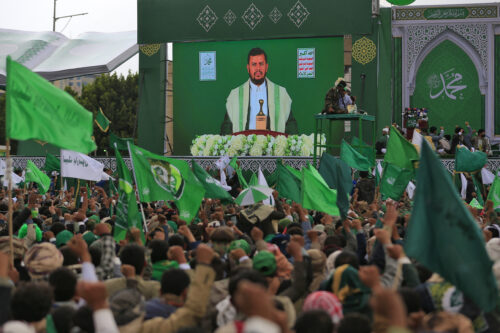
Yemen: The Houthis’ Role in the Next Evolution of the Axis of Resistance
The outbreak of the war with Iran demonstrated the strategic value of maritime chokepoints in the Islamic Republic’s confrontation with the United States. But as Tehran’s strategy of using the Strait of Hormuz to pressure Washington seems to be backfiring, Iran is working with the Houthis to strengthen its leverage over another strategic chokepoint: the Bab el-Mandeb. The recent escalation in Yemen should be viewed within this context.
US Regional Foreign Policy: Unforced Diplomatic Errors Risk Accelerating American Retrenchment
As the summer draws to a close, the storyline for the 2026 Iran war remains incomplete and the United States’ broader Middle East policy direction highly uncertain. None of the major issues that have long headlined Washington’s Iran portfolio appear any closer to resolution, and new problems have emerged that did not exist before.
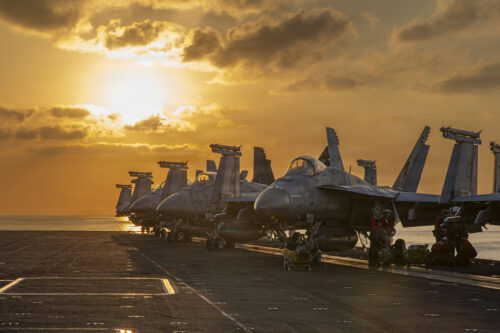
US Regional Defense Policy: Strategic Prioritization and the Promotion of Collective Defense
A war that the White House initially hoped would be brief has now dragged on for more than six months, with prospects for a resolution frustratingly remote, and the Trump administration’s credibility among friend and foe alike is nearly exhausted. Focusing on defense and security, there are multiple lessons from the Iran war that should shape US strategic thinking.
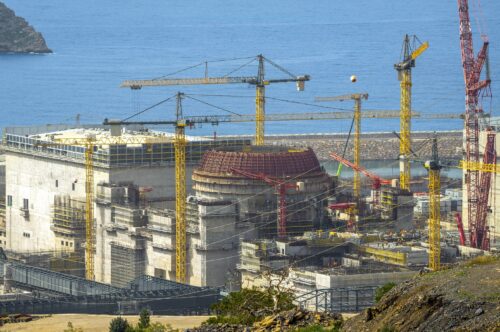
Turkey: Ankara’s Nuclear Ambitions in the Post-Iran War Environment
In February 2026, Turkish Foreign Minister Hakan Fidan suggested that shifting international dynamics could push Turkey to acquire nuclear weapons. That rhetoric, combined with Turkey’s civilian nuclear energy and research programs and its indigenous surface-to-surface missile development projects, has fueled concerns that these capabilities could eventually form the backbone of a Turkish nuclear weapons program.
When the US and Israel launched military action against Iran on February 28, 2026, it set in motion a chain of events that saw violence spread across the Middle East. Yet as the region found itself engulfed in conflict, Syria has experienced its most peaceful months in 15 years, and the government in Damascus appears determined to stay its course toward recovery.