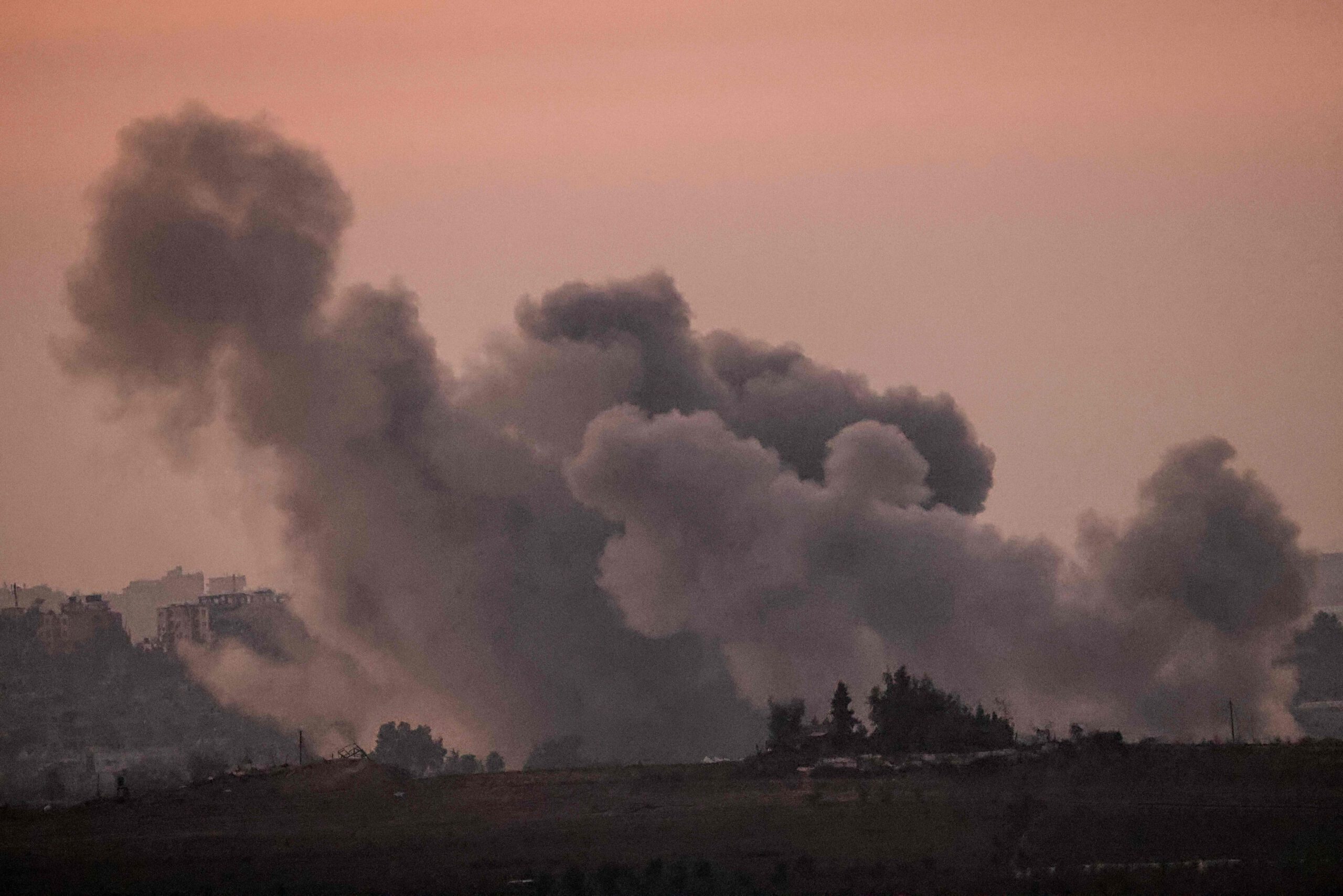
More than a month since the deadly Hamas terror attack on Israel on 7 October, Israelis are processing the horrors, working to bring home more than 200 hostages, mobilising in mass numbers to support those in need, wishing for the safe return of soldiers and reservists, and yearning for a leader who can take responsibility, show compassion, and reassure them about the future.
With all these unprecedented challenges mounting, Israelis generally stick to a positive mindset. The Israeli resilience and deep-down belief that ‘it will be OK’ are evidently at play. An Israel Democracy Institute poll conducted in early November showed that 64 per cent of Israelis are optimistic regarding the future of their country (compared to 27 per cent who are not). But this optimism is not yet apparent when it comes to Israeli-Palestinian peace-making, even though the Israel-Hamas war may dismantle some major obstacles that have prevented progress towards the two-state solution in recent years. Additional polls conducted by the Mitvim Institute and Tel Aviv University show that Israelis currently tend to define themselves as right-wing, are sceptical towards the Palestinian Authority and to negotiations with it, do not believe that Israeli-Palestinian peace can be achieved and are less supportive than before of the two-state solution.
Continue reading in The Progressive Post
Photo by JACK GUEZ/AFP via Getty Images
The Middle East Institute (MEI) is an independent, non-partisan, not-for-profit, educational organization. It does not engage in advocacy and its scholars’ opinions are their own. MEI welcomes financial donations, but retains sole editorial control over its work and its publications reflect only the authors’ views. For a listing of MEI donors, please click here.

The Americans Are Gone. Will Iraq’s Militias Disarm?