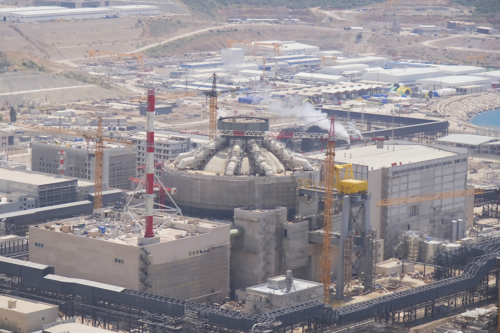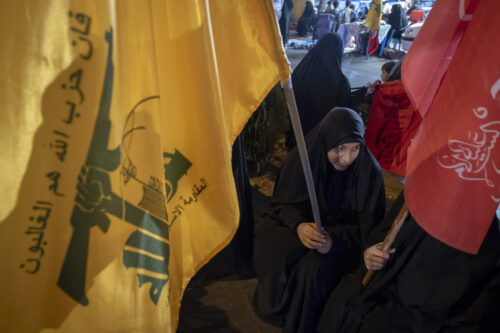
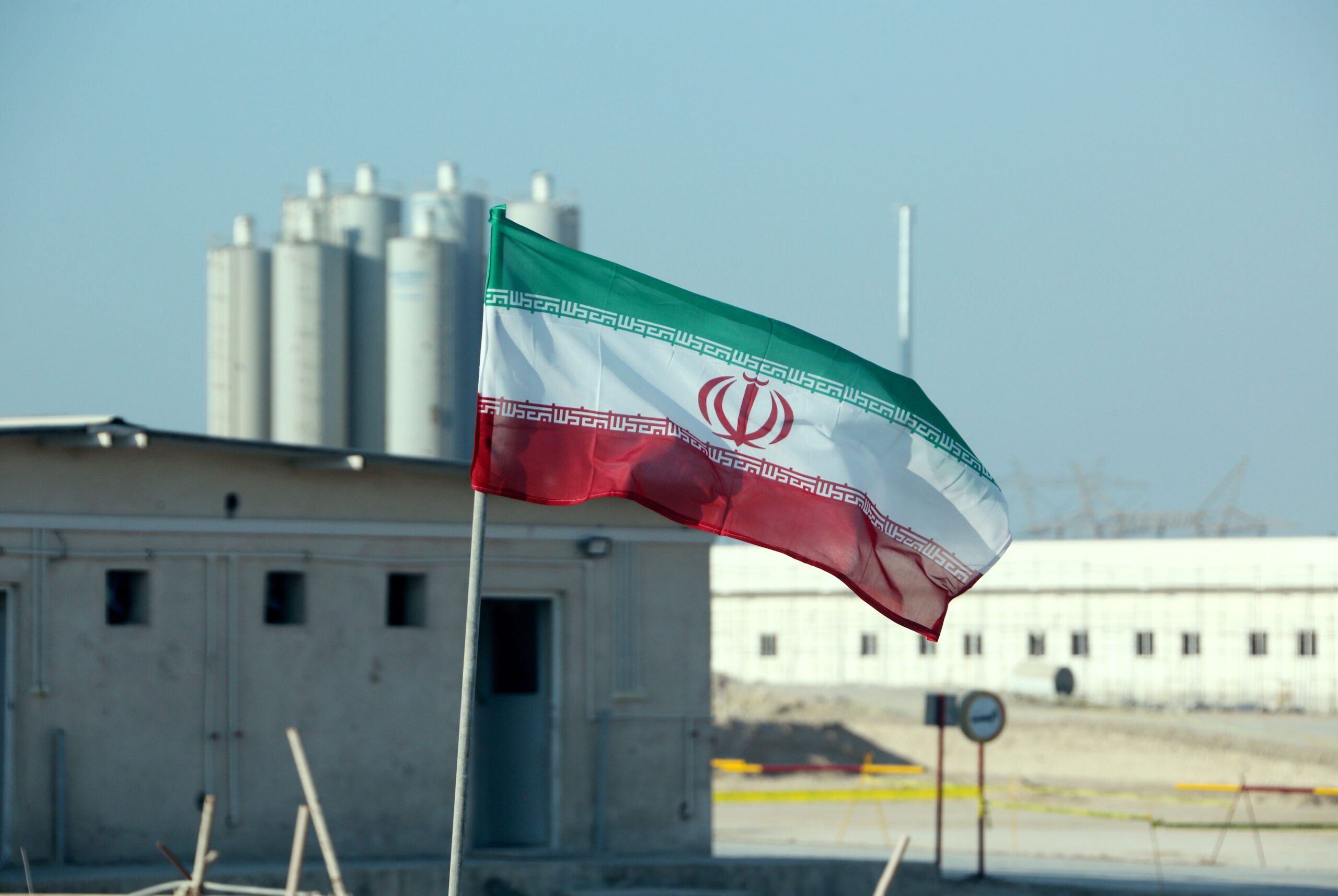
Iran’s nuclear trajectory is more like a cautious glide along a familiar route than a leap into the unknown, made up of tactical, reversible steps aimed at buying time rather than fundamentally changing the project.
In New York, Iranian officials quietly explored whether a brief delay to the re-imposition of UN sanctions (‘snapback’) could be negotiated on the sidelines of the General Assembly if negotiations addressed their stockpile enriched to 60 percent.
The proposal, described by Iranian and Chinese state outlets as including a forty-five-day cushion and even direct contact with US counterparts, did not come to fruition; the deadline passed, the meeting never materialised, and UN sanctions were duly reinstated, with Washington and allied capitals imposing additional designations.
In American and European views, the old guardrails are still seen as essential — zero enrichment, credible missile limits, and restrictions on funding regional allies — while in Tehran, the same demands are regarded as externally dictated and, for this reason, illegitimate.
The legal mechanics of snapback are severe enough, with renewed restrictions on arms, missiles, travel, and assets, but their sharpest edge is political.
Every time the sanctions framework is put in place, the argument for compromise diminishes on both sides of this dispute, and the factions that mistrust diplomacy see their case validated.
The Middle East Institute (MEI) is an independent, non-partisan, not-for-profit, educational organization. It does not engage in advocacy and its scholars’ opinions are their own. MEI welcomes financial donations, but retains sole editorial control over its work and its publications reflect only the authors’ views. For a listing of MEI donors, please click here.