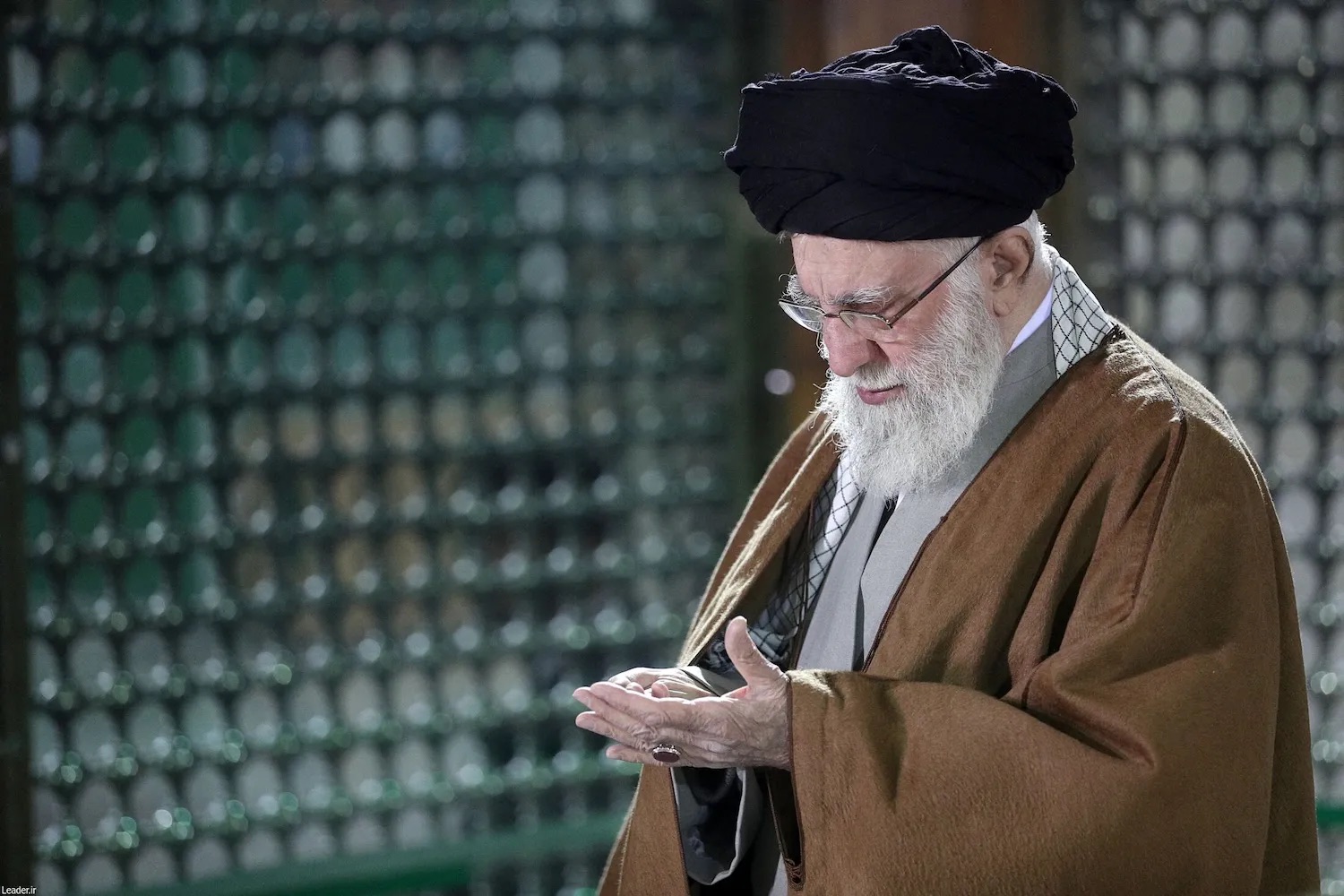
Photo: Khamenei/AFP/XGTY via Getty Images
Since mid-April, diplomacy between Tehran and Washington has shifted into overdrive. After a seven-year freeze, Iran’s supreme leader, Ayatollah Ali Khamenei, has made a stunning, if not entirely surprising, reversal: He has greenlit a new nuclear deal if U.S. President Donald Trump accepts Tehran’s basic red lines. While the fourth round of talks between the two countries last weekend in Oman contained no apparent breakthrough, both sides seem determined to continue negotiating.
In 2019, when Trump sent Japanese Prime Minister Shinzo Abe to Tehran to open up talks with the Iranian leader, Khamenei vowed never to negotiate with the U.S. president, whom he called “that man.” Sheer defiance is no longer an option. Pressured by sanctions, economic turmoil, and the threat of war, Khamenei has opted for diplomacy.
The Middle East Institute (MEI) is an independent, non-partisan, not-for-profit, educational organization. It does not engage in advocacy and its scholars’ opinions are their own. MEI welcomes financial donations, but retains sole editorial control over its work and its publications reflect only the authors’ views. For a listing of MEI donors, please click here.