This individual is a guest contributor. MEI is not able to assist with contact requests.
Jean-Pierre Cassarino holds a professorship at the Robert Schuman Center for Advanced Studies (RSCAS/European University Institute, Florence) where he directs the Return migration and Development Platform (http://rsc.eui.eu/RDP/). He is also research associate at the Tunis-based Institut de Recherche sur le Maghreb Contemporain (IRMC). Since the mid-1990s, he has published extensively on international migration, particularly on return migration and has carried out numerous field surveys investigating returnees’ manifold patterns of reintegration. Selected publications include: (ed.) Unbalanced Reciprocities: Cooperation on Readmission in the Euro-Mediterranean Area, The Middle East Institute Press, Washington, 2010; (ed.) “Conditions of Modern Return Migrants”, International Journal on Multicultural Societies, Vol. 10, Issue 2, UNESCO, Paris, 2008; (ed.) Return Migrants to the Maghreb Countries: Reintegration and development challenges, RSCAS, European University Institute, Florence, 2008; Tunisian New Entrepreneurs and their Past Experiences of Migration in Europe: Networks, Resource Mobilisation, and Hidden Disaffection. Ashgate Publishers, Aldershot, 2000. Email: [email protected]
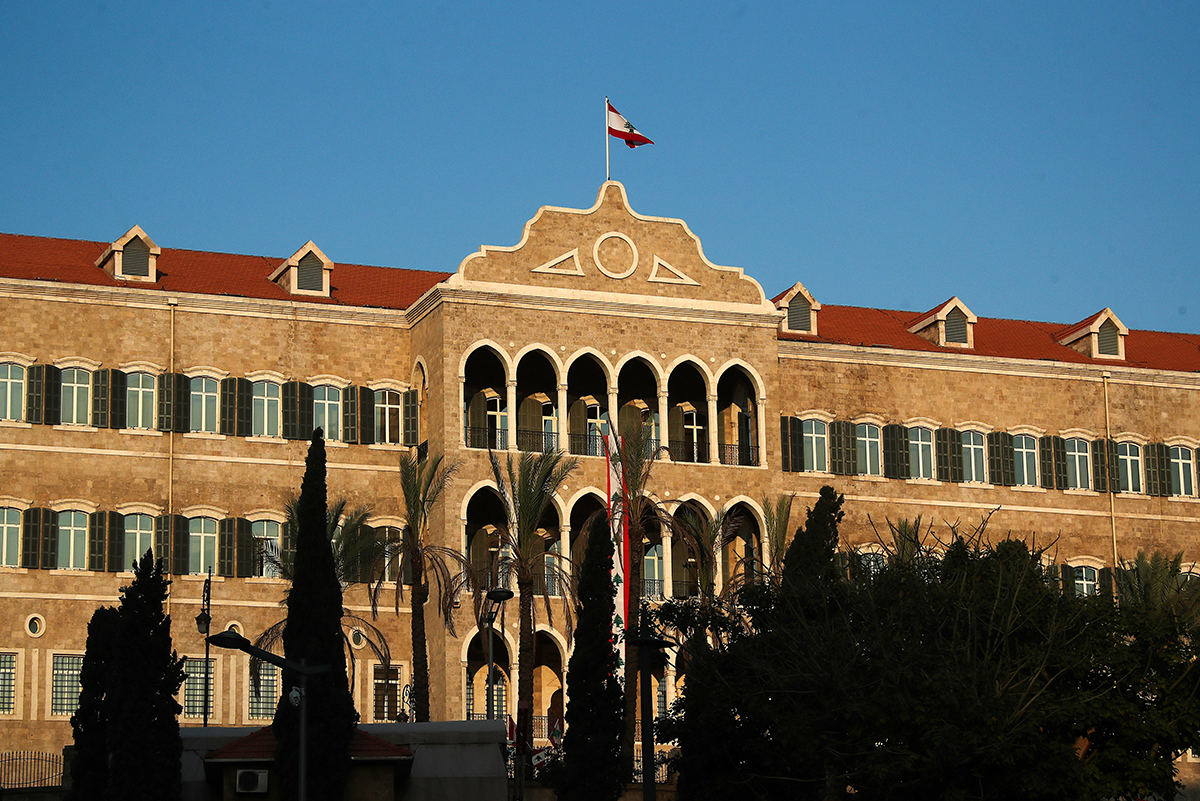
For decades now, decentralization has been a recurring theme in Lebanese politics. That it is “administrative” does not make it any less “political” in a country where even minor technicalities can easily turn into major controversies. Yet decentralization is still perceived as one of the key reforms that has yet to come about.
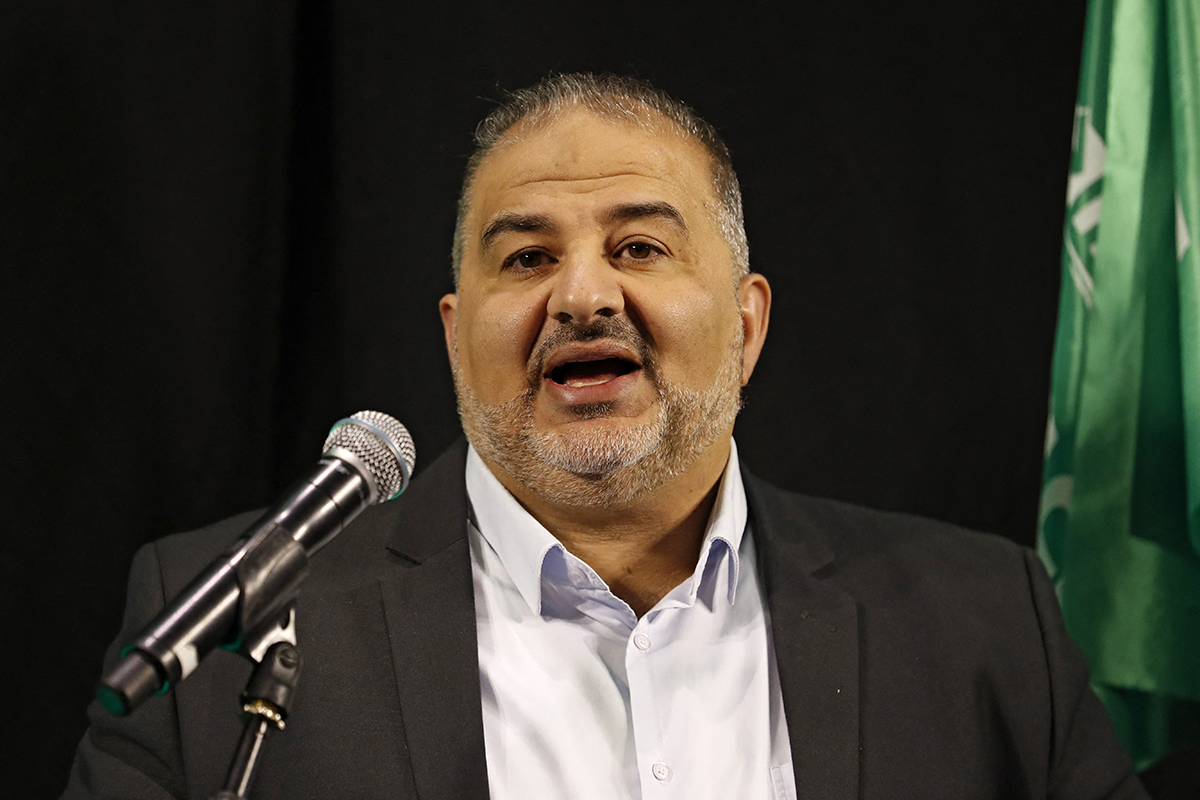
Mansour Abbas: Islamist kingmaker or the “good Arab”?
At a press conference on Thursday, MK Mansour Abbas, head of the newly elected Islamist party in Israel, the United Arab List (Ra’am), made what many in the Israeli media dubbed a historic speech. In an effort to reach out to the Jewish Israeli public, he spoke in Hebrew and during the prime time on television often given to Israeli politicians. Speaking surrounded by the party’s green flags, the conservative Islamist quotedverses from the Quran calling for the creation of “an opportunity for a shared life, in the holy and blessed land for the followers of the three religions and both peoples” and told his Hebrew-speaking audience that “Now is the time for change.”
في ‘آراء من واشنطن’ هذا الأسبوع، يستعرض إبراهيم الأصيل رأي لميريت مبروك (مديرة برنامج مصر) حول إمكانية التقارب بين مصر وتركيا والمسائل الأساسية بينهما. — Ibrahim Al-Assil Mirette Mabrouk
حلقة 30: آراء (10) تغيرات في العلاقات الأمريكية-الفلسطينية
في ‘آراء من واشنطن’ هذا الأسبوع، يستعرض إبراهيم الأصيل رأي لنيثين ستوك حول التغييرات المحتملة في السياسة الأمريكية تجاه الفلسطينيين. — Ibrahim Al-Assil Nathan Stock
Myanmar: The February Coup and the Rohingya Genocide
Since the NLD emerged as the most potent challenger to the military’s monopoly grip on state power three decades ago, the generals have tried different methods of exclusion, disenfranchisement and purposive prosecution against Aung San Suu Kyi and all dissidents. Today, they are discovering that Suu Kyi and the NLD are a mere expression or embodiment of the democratic will of Burmese society. The military leadership is unlikely to be able to defeat 50 million people who have decided that a half-century of life under the boot is more than enough.
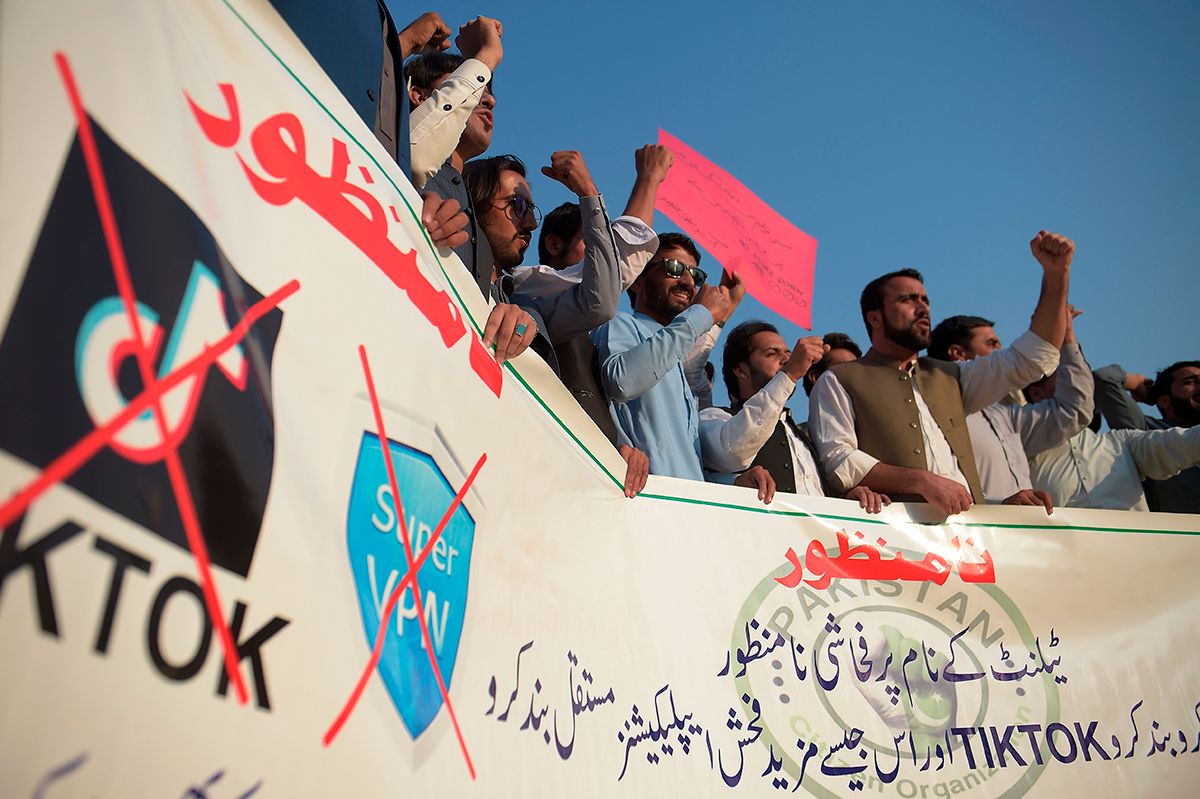
The cyclical futility of governance by TikTok in the Middle East
When headlines flashed this month about the Peshawar High Court’s decision in Pakistan to yet again ban the controversial video-sharing app TikTok, you might have been tempted to scroll away in boredom. After all, who hasn’t banned TikTok these days?
The data centers industry: The GCC’s new oil fields
Close observers of policy trends in the GCC will notice that digital transformation and data governance are becoming vital issues in the region. Over the last decade, Gulf countries have introduced ambitious plans to digitally transform their public and private sectors, with the goal of providing reliable, rapid, and efficient public and private services.
Egypt: The Pandemic Experience in a Time of Reform
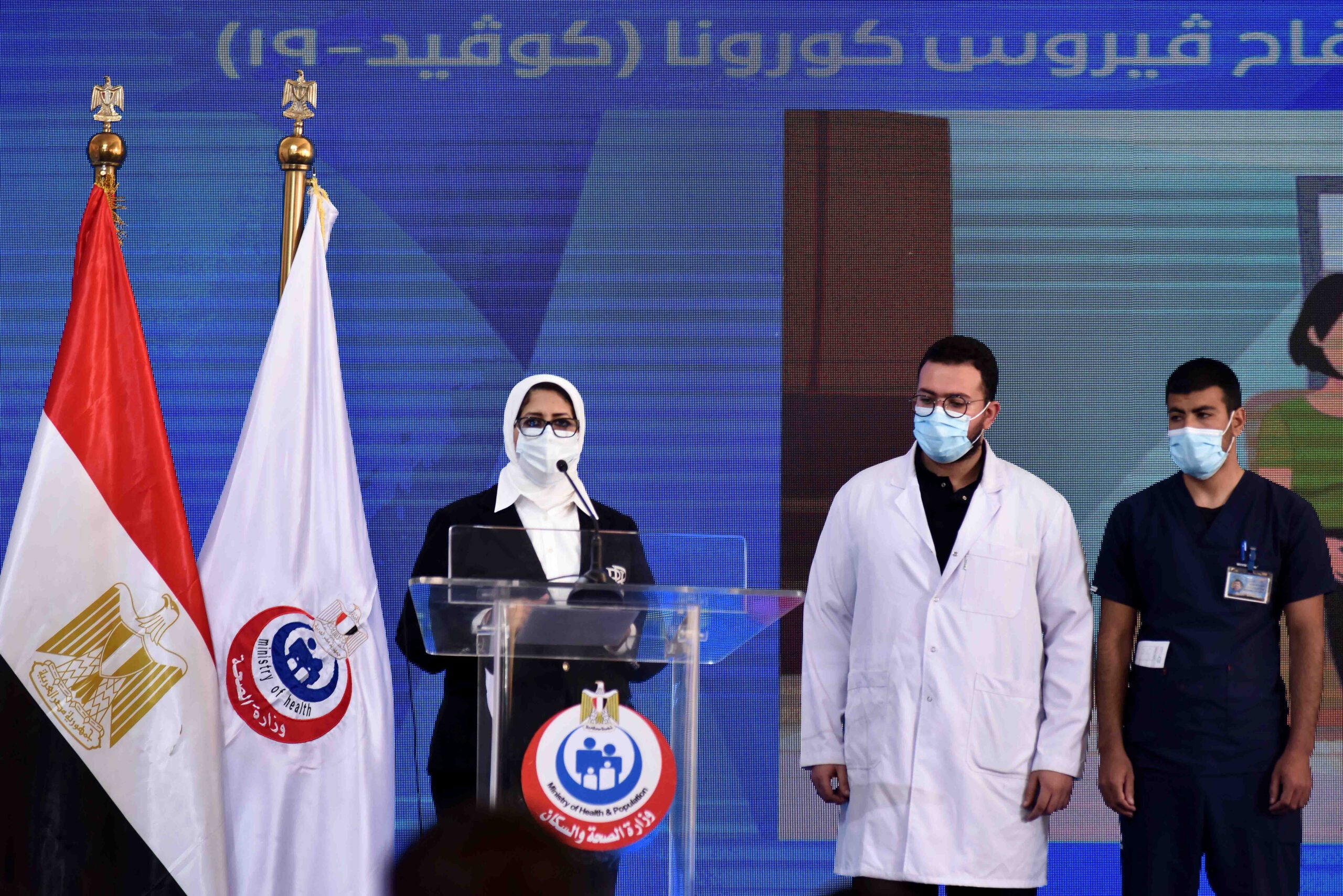
Egypt announced its first COVID-19 fatality on March 8, 2020, a few months after concluding a “reform” program supported by the International Monetary Fund (IMF) loan it had obtained in 2016. The pandemic thus posed the first test for the IMF-prescribed economic and social policies adopted by the Government of Egypt. As this article will show, whereas the reforms helped propel economic growth in a time of global recession, they did not provide a strong social safety net for vulnerable families during the crisis.
Egypt should go green by putting a price on carbon
It is time for Egypt to put a price on carbon. While Cairo has taken small steps toward developing a sustainability plan, it needs a bold idea to stop rising carbon emissions. Establishing a carbon exchange — or putting a price on carbon — would be good for the country and help make Egypt an environmental leader in the region.