This individual is a guest contributor. MEI is not able to assist with contact requests.
Jean-Pierre Cassarino holds a professorship at the Robert Schuman Center for Advanced Studies (RSCAS/European University Institute, Florence) where he directs the Return migration and Development Platform (http://rsc.eui.eu/RDP/). He is also research associate at the Tunis-based Institut de Recherche sur le Maghreb Contemporain (IRMC). Since the mid-1990s, he has published extensively on international migration, particularly on return migration and has carried out numerous field surveys investigating returnees’ manifold patterns of reintegration. Selected publications include: (ed.) Unbalanced Reciprocities: Cooperation on Readmission in the Euro-Mediterranean Area, The Middle East Institute Press, Washington, 2010; (ed.) “Conditions of Modern Return Migrants”, International Journal on Multicultural Societies, Vol. 10, Issue 2, UNESCO, Paris, 2008; (ed.) Return Migrants to the Maghreb Countries: Reintegration and development challenges, RSCAS, European University Institute, Florence, 2008; Tunisian New Entrepreneurs and their Past Experiences of Migration in Europe: Networks, Resource Mobilisation, and Hidden Disaffection. Ashgate Publishers, Aldershot, 2000. Email: [email protected]
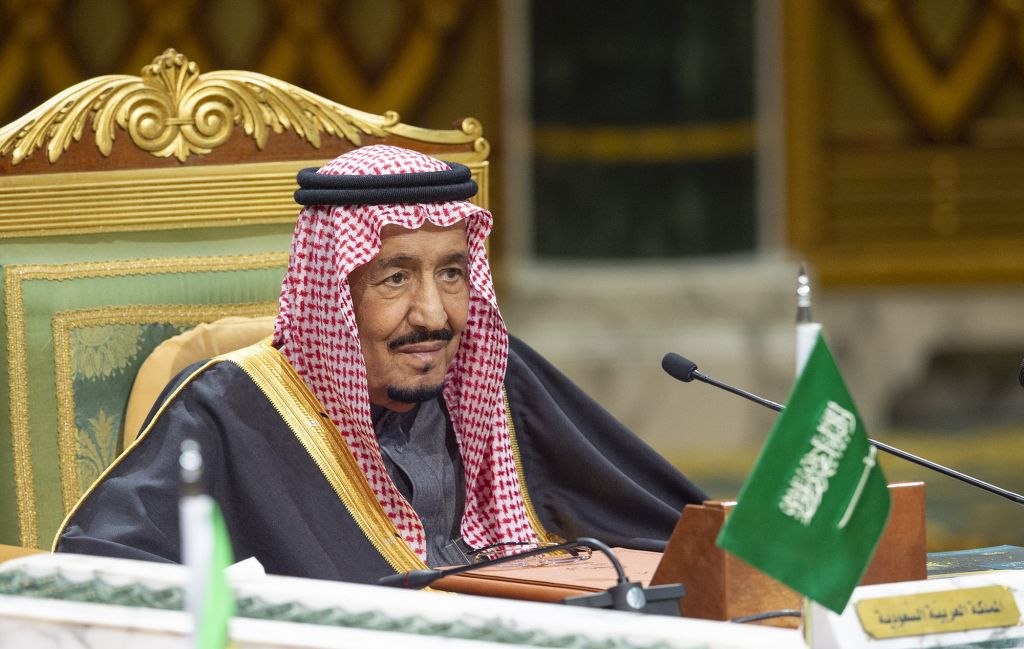
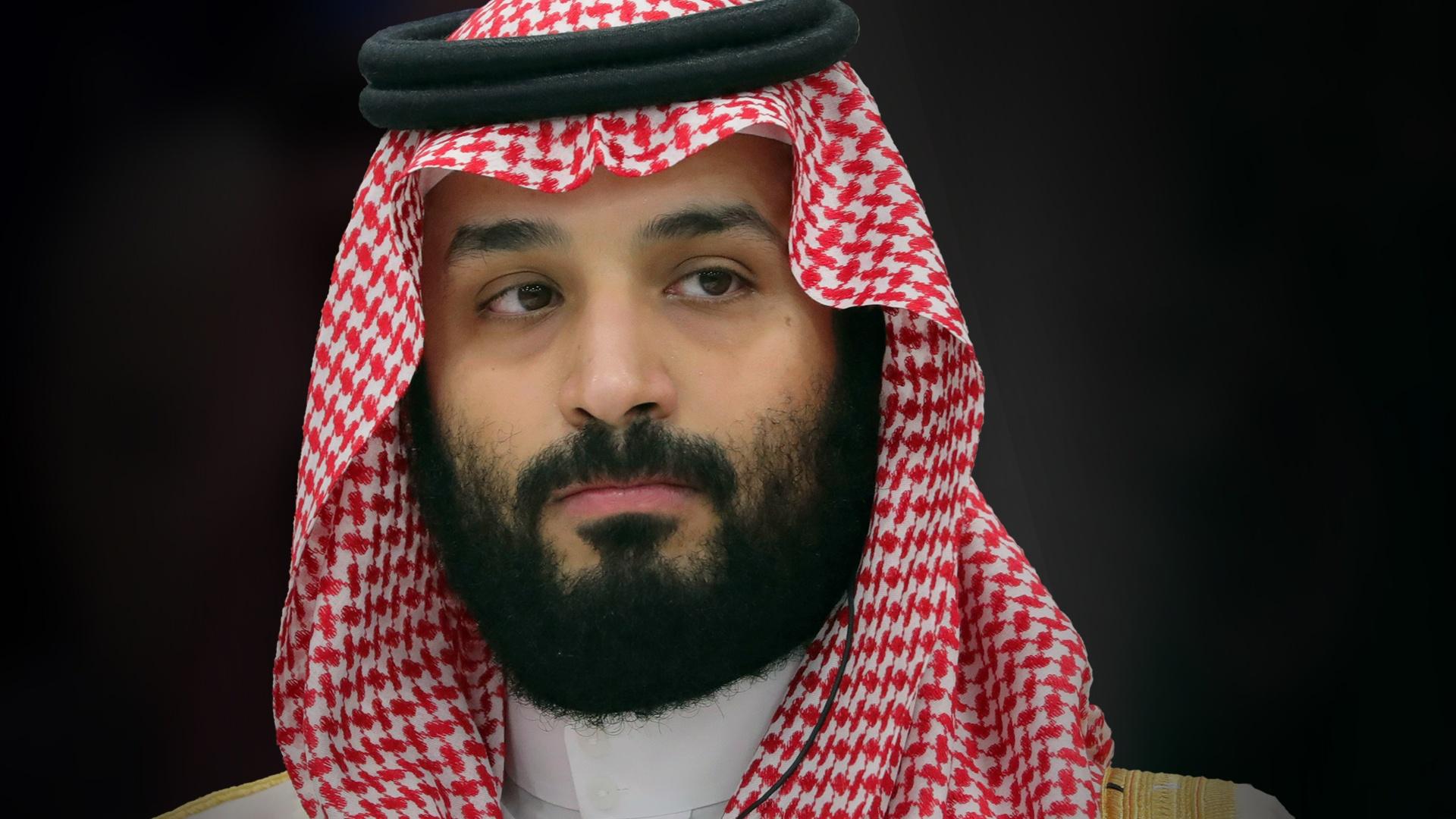
The steps the Saudis have taken in 2019 may help to ease international pressure on the kingdom’s leadership and restore its image as a constructive player in the world.
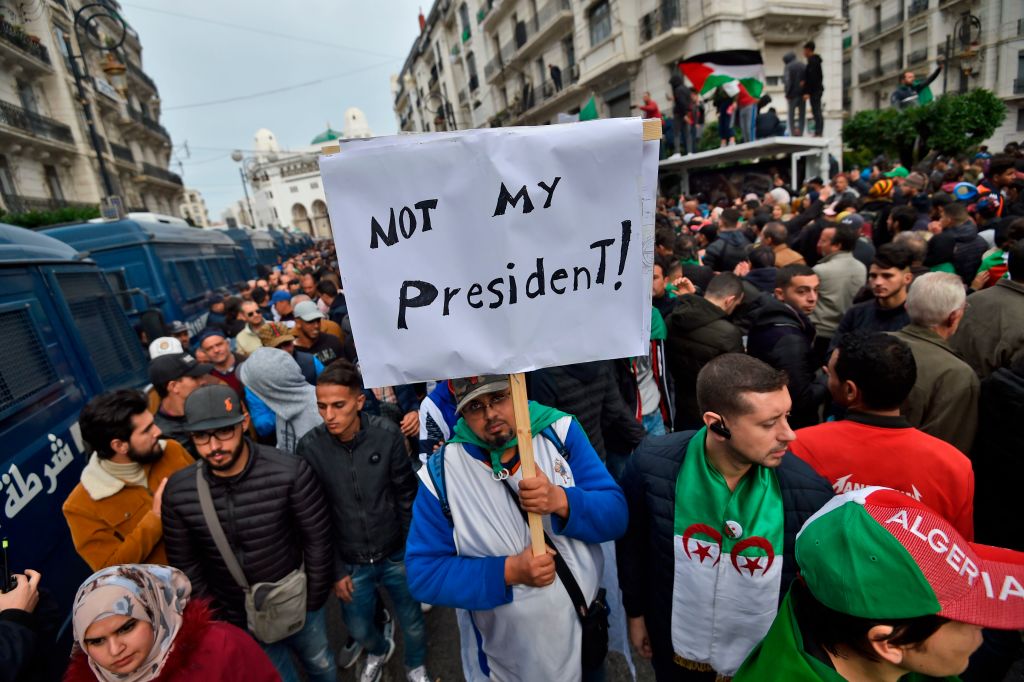
Newly elected President Abdelmadjid Tebboune and the Army leadership finish the year with doubtful legitimacy and remain at an impasse with a protest movement that has not yet developed visible, coherent leadership.
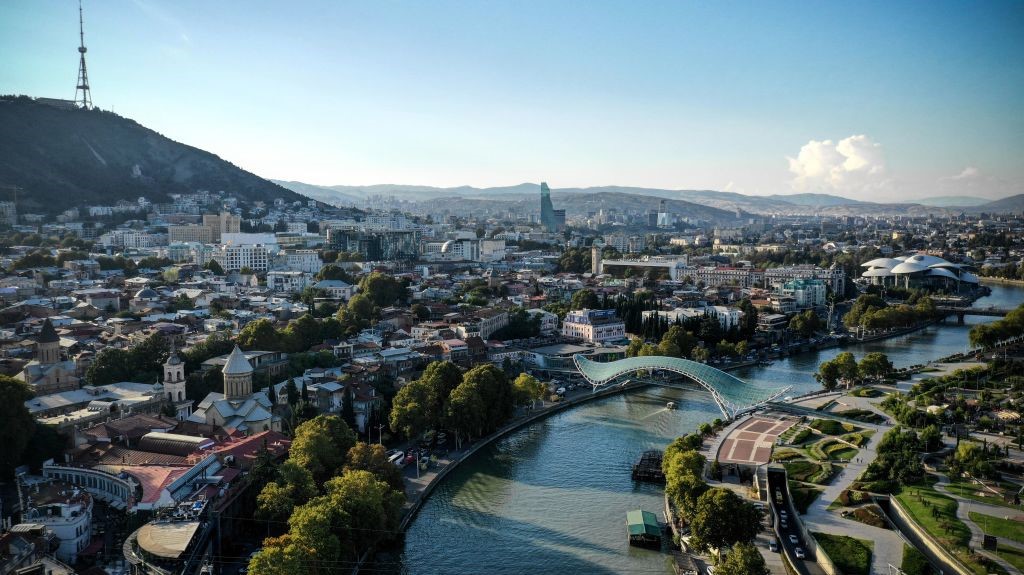
Given their territorial proximity, the regional actors of the Middle East have always had an interest in Georgia and the South Caucasus as a window to Europe. The collapse of the Soviet Union brought an end to Georgia’s isolation, and in the years since the country has gradually started reclaiming its historical role as a cultural and economic crossroads between Asia, the Middle East, and Europe.
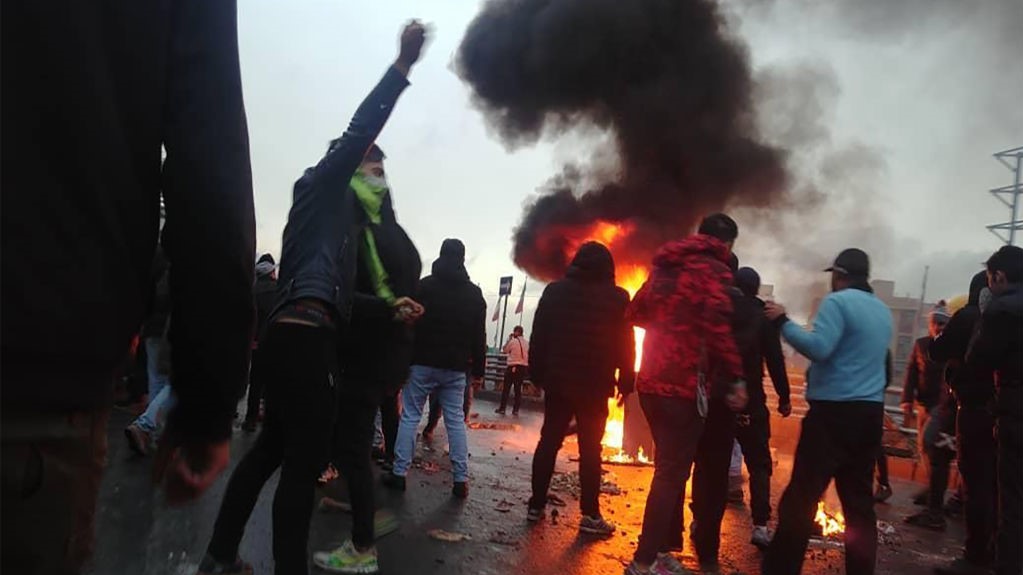
Researcher Mahsa Alimardani and MEI Cyber program director Mike Sexton join host Alistair Taylor to discuss the recent Iranian internet shutdown, its impact on protests and the nation’s economy, and what it means for the future of civil liberties in Iran and the wider region.
Azerbaijani gas is now ready to flow all the way to Europe
Turkey has completed the next-to-last piece of the 2,000-mile Southern Gas Corridor, a three-pipeline network that will send gas from Azerbaijan’s huge Shah Deniz field via Georgia and Turkey to Western Europe.
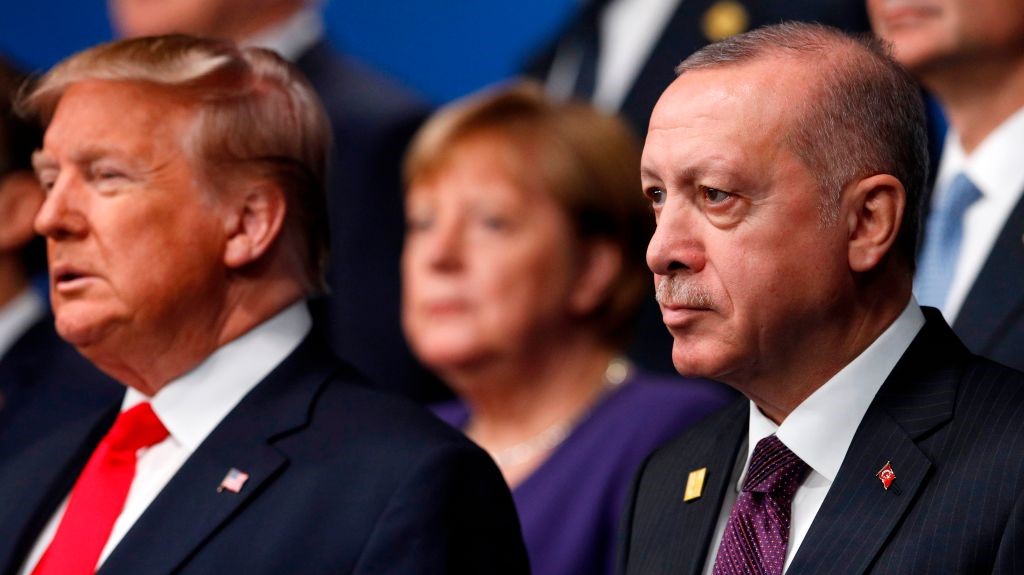
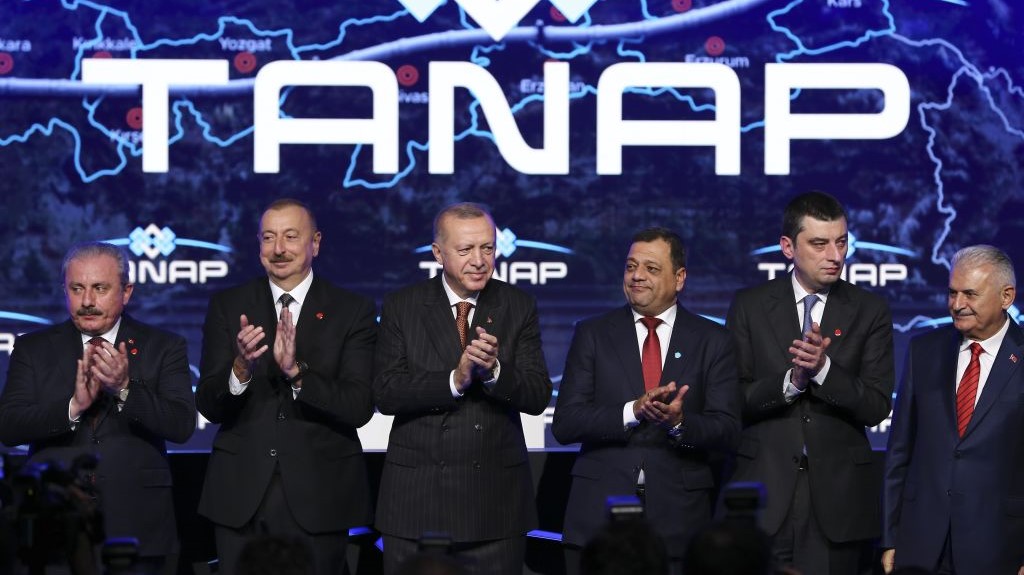
It was such a big deal that Turkish President Recep Tayyip Erdogan, Azerbaijani President Ilham Aliyev, and Georgian Prime Minister Giorgi Gakharia presided at the ribbon-cutting on Nov. 30. They were celebrating the completion of the pipeline that is the middle link in the Southern Gas Corridor: the Trans-Anatolian Natural Gas Pipeline (TANAP), which traverses Turkey.
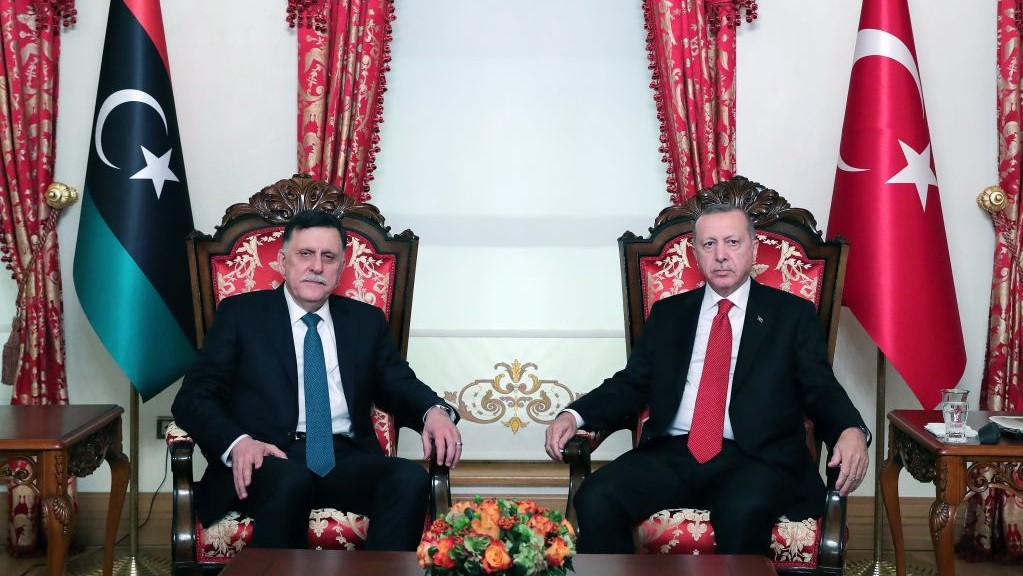
On Nov. 27 the GNA signed an MoU with Turkey seeking to create a shared maritime boundary in the Mediterranean Sea between southwestern Turkey and northeastern Libya. In an overt quid pro quo, this maritime agreement was signed along with a separate MoU to expand security and military cooperation. Thus, it seems clear that Turkey was only able to persuade the GNA to agree to the maritime deal in exchange for increased security support for the GNA-aligned forces fighting the self-styled LNA in Tripoli.
Upgrading Iran’s Military Doctrine: An Offensive “Forward Defense”
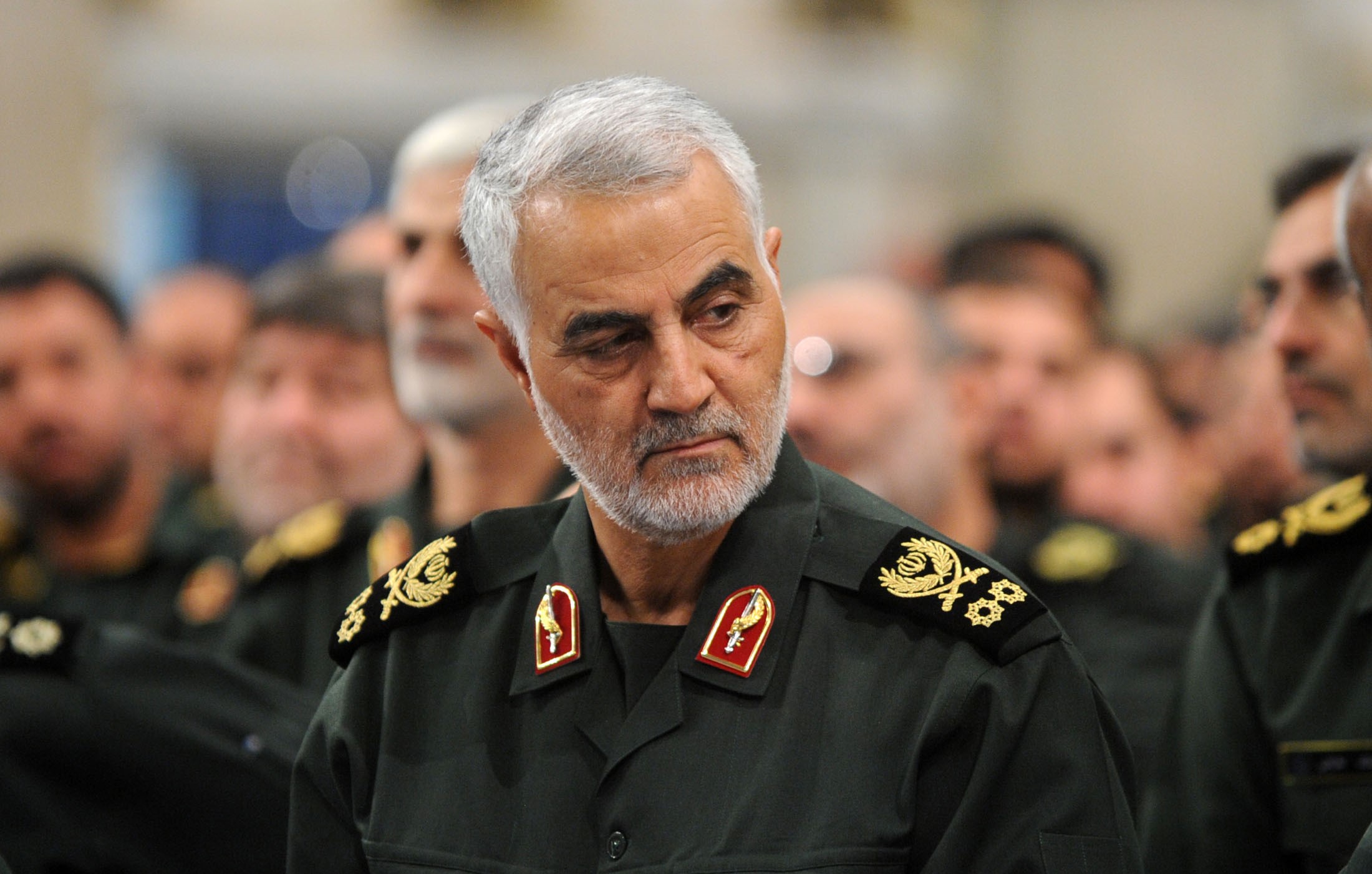
Since the 2011 “Arab Spring” uprisings, there have been several indications that Iran is shifting to an offensive military doctrine through the adoption of hybrid warfare. This essay will demonstrate that Iran’s “forward defense” doctrine emphasis on the offensive is influenced not simply by the “window of opportunity” created by regional upheaval but by a dispute about the domestic politics of the Islamic Republic between the radical Islamic Revolution Guards Corps (IRGC) and the reform camp within the regime currently represented by President Hassan Rouhani. This development represents a marked setback for the “civilianization” of the Iranian state.
The subject of extensive international interest and attention over the past few years, blockchain technology is regarded as a key component of the fourth industrial revolution. This article seeks to shed light on the use of blockchain technology in the Gulf states by analyzing current trends of blockchain adoption in the region compared to those internationally. In so doing, it will determine Gulf institutions’ capacity for keeping pace with the changes and developments blockchain adoption has introduced.