This individual is a guest contributor. MEI is not able to assist with contact requests.
Jean-Pierre Cassarino holds a professorship at the Robert Schuman Center for Advanced Studies (RSCAS/European University Institute, Florence) where he directs the Return migration and Development Platform (http://rsc.eui.eu/RDP/). He is also research associate at the Tunis-based Institut de Recherche sur le Maghreb Contemporain (IRMC). Since the mid-1990s, he has published extensively on international migration, particularly on return migration and has carried out numerous field surveys investigating returnees’ manifold patterns of reintegration. Selected publications include: (ed.) Unbalanced Reciprocities: Cooperation on Readmission in the Euro-Mediterranean Area, The Middle East Institute Press, Washington, 2010; (ed.) “Conditions of Modern Return Migrants”, International Journal on Multicultural Societies, Vol. 10, Issue 2, UNESCO, Paris, 2008; (ed.) Return Migrants to the Maghreb Countries: Reintegration and development challenges, RSCAS, European University Institute, Florence, 2008; Tunisian New Entrepreneurs and their Past Experiences of Migration in Europe: Networks, Resource Mobilisation, and Hidden Disaffection. Ashgate Publishers, Aldershot, 2000. Email: [email protected]
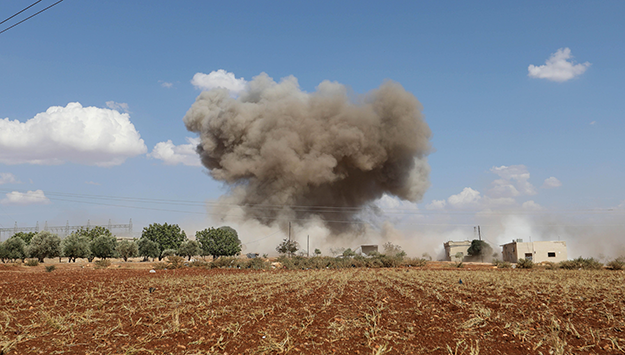
In this week’s Monday Briefing, MEI experts Jonathan M. Winer, Robert S. Ford, and Alex Vatanka provide analysis on recent and upcoming events including political turmoil in Libya, the meeting between Turkey and Russia to discuss the fate of Idlib province, and Iran’s attempts to forge new relationships to offset U.S. sanctions.
Tunisian jihadism five years after Ansar al-Sharia
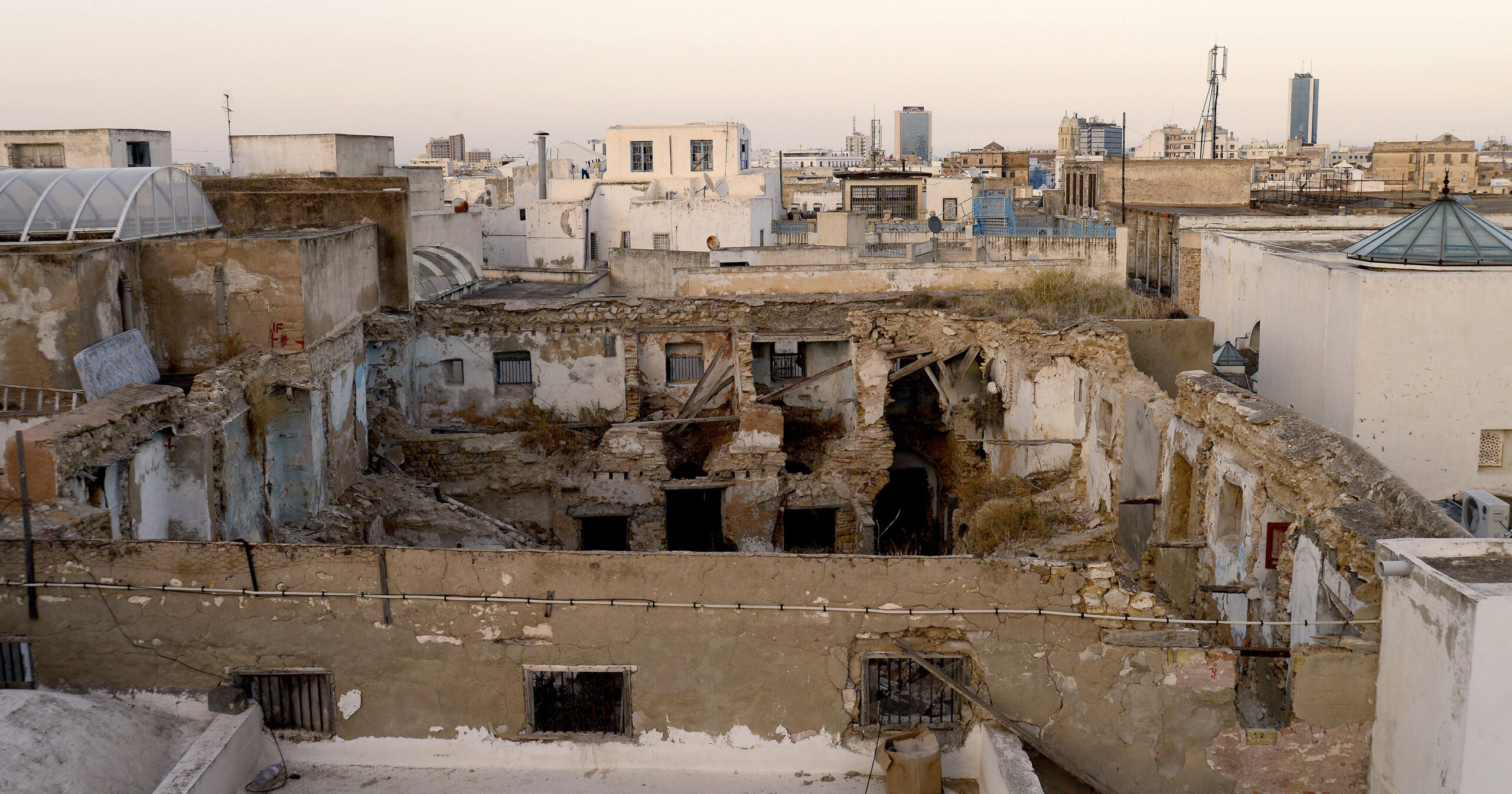
Jihadism in Tunisia is currently at its greatest nadir since the 2011 revolution, which overthrew former President Zine al-Abidine Ben ‘Ali and subsequently provided a space for Tunisian jihadism to grow. Ansar al-Sharia in Tunisia (AST) and later ISIS and Katibat ‘Uqbah Bin Nafi (KUBN) emerged as the most prominent such groups in Tunisia.
The jihadist threat is not new to the Maghreb. However, the fallout of the 2011 Arab uprisings has fundamentally altered the political and security environment of North African countries. While states such as Egypt, Libya, and Tunisia witnessed an increase in deaths from jihadist attacks, others like Algeria and Morocco experienced a reduced impact.
Tunisia, where the Arab uprisings began seven years ago, continues to face many difficulties in its transition on the economic, political and security fronts. Emir Sfaxi, a Tunisian public policy consultant and Fulbright scholar, and Bill Lawrence, professor of political science and international affairs at the George Washington University’s Elliott School of International Affairs, join host Paul Salem to discuss the country’s trajectory.
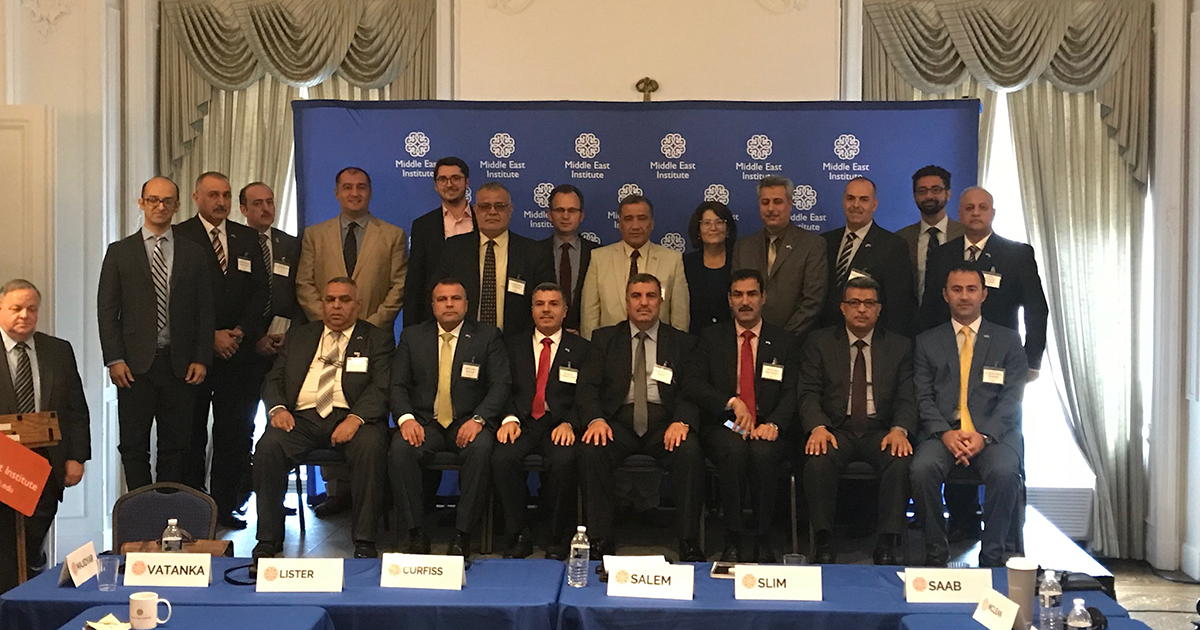
In this week’s Monday Briefing, MEI experts Charles Lister, Randa Slim, Jean-François Seznec, and Mirette F. Mabrouk provide analysis on recent and upcoming events including escalating tensions in Idlib, protests in Basra and their implications for Iraqi politics, a Saudi sovereign wealth fund’s loan to help make up for Aramco IPO revenue, and Egypt’s diplomatic outreach to China.
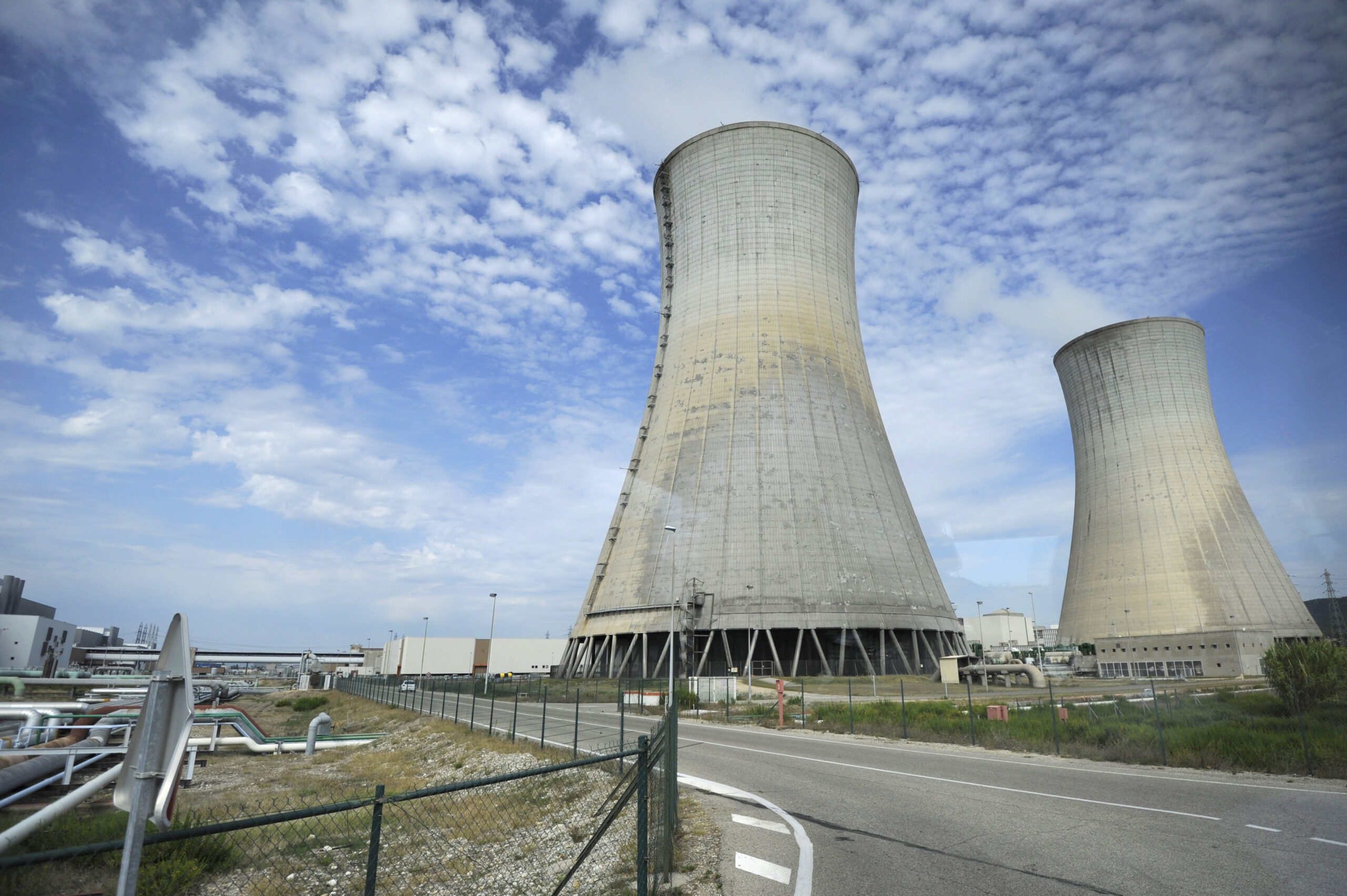
Saudi Arabia’s nuclear energy program is barely in its infancy but has already spurred much controversy. Amid a regional standoff between Saudi Arabia and Iran and provocative comments from Saudi leaders, some observers worry that the program is little more than a pretext for developing nuclear weapons. Others, however, point to what they see as legitimate peaceful motivations for the program. They note that as a member in good standing of the U.N.
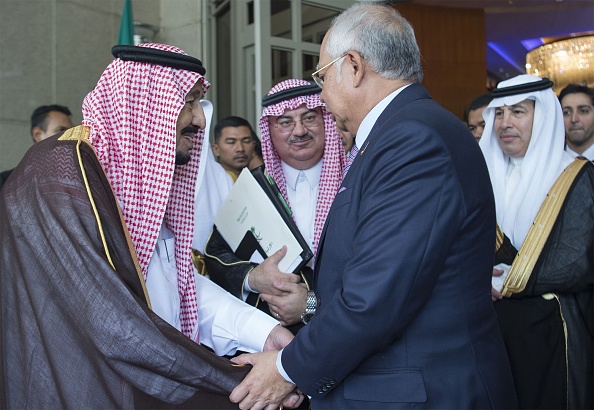
For decades Malaysia’s Islamic identity has strongly factored into the latter’s ties with GCC members. Kuala Lumpur has long engaged the Arab Persian Gulf monarchies closely on issues of major ideological and geopolitical importance to the wider Arab/Islamic world from the Soviet Union’s invasion of Afghanistan to the unresolved question of Palestine. This article discusses the challenges Malaysia faces in preserving and further nurturing its long-standing relations with the GCC countries.
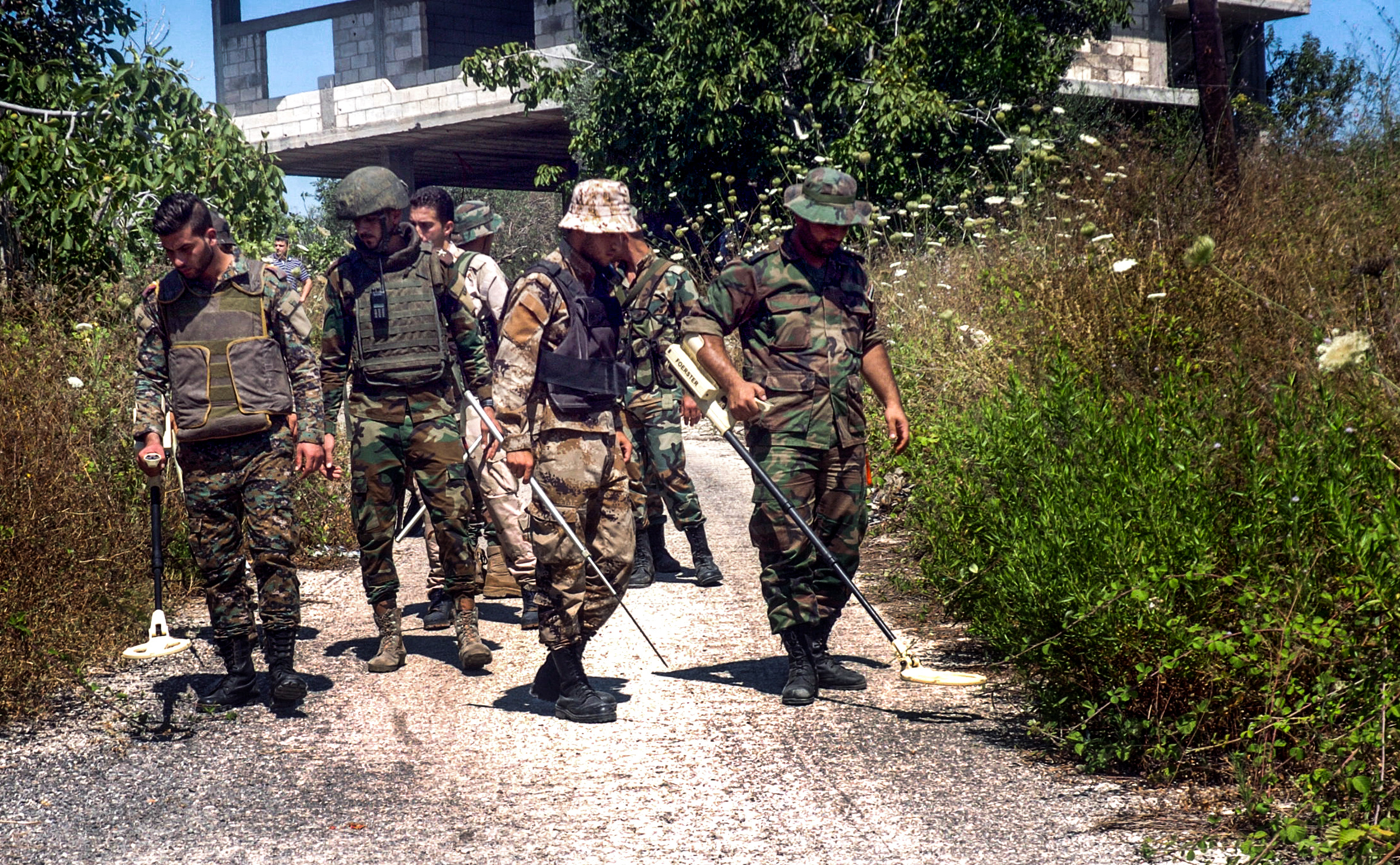
Millions of landmines scattered across the Middle East have remained a persistent threat to civilians long after the wars in which they were deployed came to a close. However the recent conflicts in Iraq, Syria, Libya and Yemen have made the problem much worse. Steve Priestley, global director of operations for mine action at Janus Global Operations, joins Paul Salem to discuss the challenges facing demining operations, and some of the technological innovations that could help.
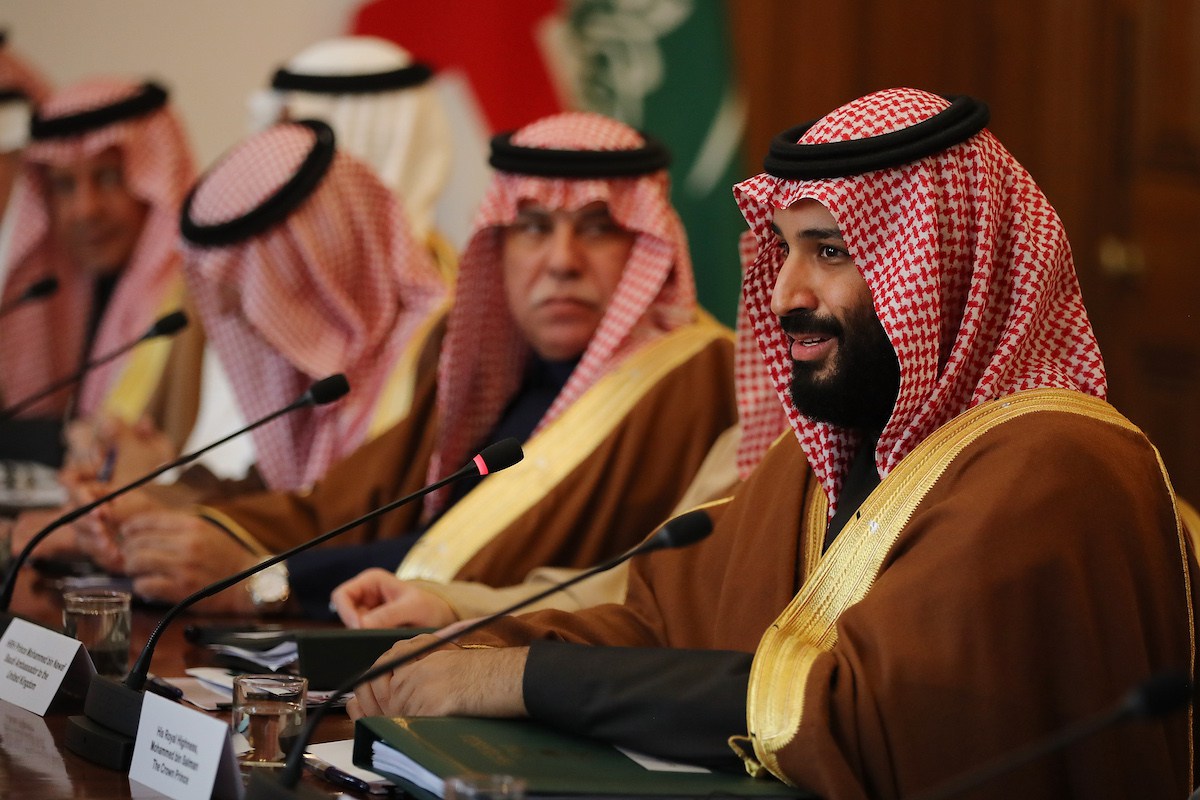
No Saudi official has been more applauded and vilified at the same time than Mohamed bin Salman, the Crown Prince and de facto ruler of Saudi Arabia. That is not surprising, given the transformational nature of the project he’s leading at home, which is bound to create both winners—those who wish to open up the kingdom—and losers—those who wish more or less to preserve the status quo.
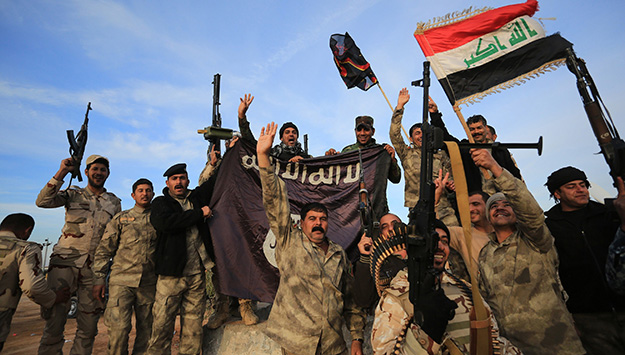
This paper examines ISIS’s actions, publications, and communications to determine its insurgency strategies and long-term organizational outlook, emphasizing sources that have been largely overlooked by forces fighting the group.
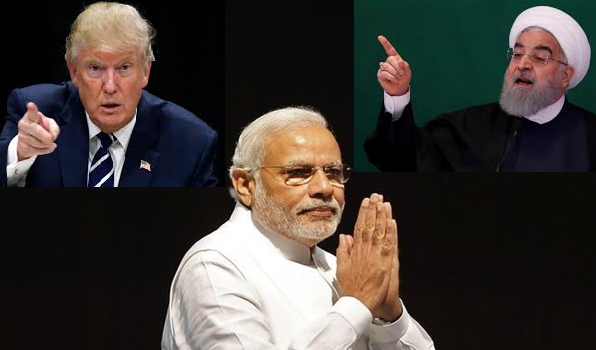
India finds itself in a precarious situation. On one hand, Delhi does not want to antagonize the United States, with which it has developed a strong relationship over the past two decades. On the other hand, India has had a long-standing generally positive relationship with Iran that it is keen to maintain and in fact build upon. This essay examines the economic, domestic political, and international challenges that the Trump administration’s “maximum pressure” approach poses for India.