Jean-Pierre Cassarino holds a professorship at the Robert Schuman Center for Advanced Studies (RSCAS/European University Institute, Florence) where he directs the Return migration and Development Platform (http://rsc.eui.eu/RDP/). He is also research associate at the Tunis-based Institut de Recherche sur le Maghreb Contemporain (IRMC). Since the mid-1990s, he has published extensively on international migration, particularly on return migration and has carried out numerous field surveys investigating returnees’ manifold patterns of reintegration. Selected publications include: (ed.) Unbalanced Reciprocities: Cooperation on Readmission in the Euro-Mediterranean Area, The Middle East Institute Press, Washington, 2010; (ed.) “Conditions of Modern Return Migrants”, International Journal on Multicultural Societies, Vol. 10, Issue 2, UNESCO, Paris, 2008; (ed.) Return Migrants to the Maghreb Countries: Reintegration and development challenges, RSCAS, European University Institute, Florence, 2008; Tunisian New Entrepreneurs and their Past Experiences of Migration in Europe: Networks, Resource Mobilisation, and Hidden Disaffection. Ashgate Publishers, Aldershot, 2000. Email: [email protected]
The Latest from Jean-Pierre Cassarino

Have we reached the end of the Syrian conflict?
Last week, rebel forces in southwestern Syria agreed to a Russia-brokered deal to surrender Deraa province and lay down their arms, possibly securing strategic victory for the Assad regime in the long-running Syrian conflict. MEI’s Robert Ford and Charles Lister join guest host Gerald Feierstein to discuss the significance of these developments and whether the United States is preparing to withdraw from Syria in a broader agreement with Russia.
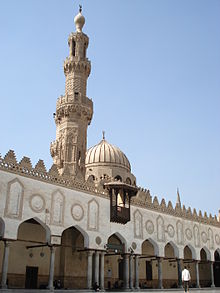
Embracing Moderation: Egypt’s al-Azhar and Indonesia’s Pesantren
Over the past 20 years, Indonesia — the world’s fourth most-populous country and the largest Muslim-majority nation — has evolved into a democracy based on tolerance and a moderate interpretation of Islam, and has emerged as one of Asia’s fastest-growing economies. This essay is part of a series on “Indonesia and the Middle East: Exploring Connections,” which examines the nature, scope, and implications of Indonesia’s ties with the MENA region.
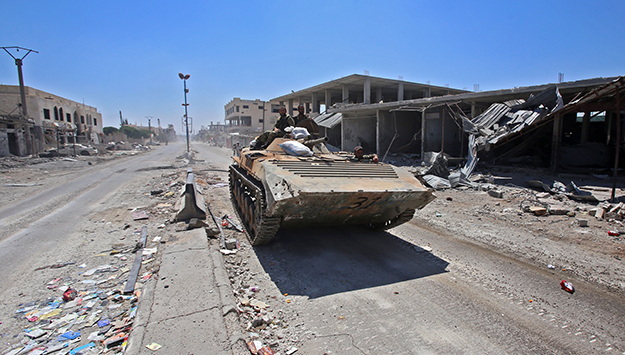
Will Iran leave Syria?
In this week’s Monday Briefing, MEI experts Robert S. Ford, Gerald Feierstein, Marvin G. Weinbaum, and Bilal Y. Saab provide analysis on Iran’s efforts to stay in Syria, Pompeo’s upcoming trip to Abu Dhabi, the Pakistan Muslim League’s struggle in the upcoming National Assembly elections, and Qatar’s decision to renege on its Russian S-400 purchase.
Will Iran leave Syria?
Robert S. Ford, Senior Fellow
Economic unease and renewed protests in Iran
Protests have broken out in Iran’s capital several times in recent weeks, leading to clashes with police and the temporary closure of Tehran’s Grand Bazaar. As with the demonstrations that swept the country earlier this year, these protests focused mainly on Iranians’ economic grievances. MEI’s Alex Vatanka and Ahmad Majidyar join guest host Greg Myre, national security correspondent for NPR, to discuss the factors driving Iran’s economic struggles, and the potential political impact.
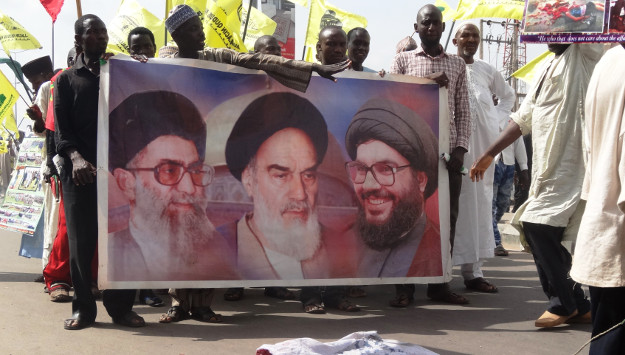
Hezbollah allegedly training Nigerian Shiites to expand influence in West Africa
While Hezbollah’s military expansion across the Middle East, particularly since the start of the Syrian conflict in 2011, has drawn a great deal of attention, the Lebanese organization’s efforts to increase its presence and influence in Africa has largely been overlooked. Nigeria is a case in point. Sources close to Hezbollah say the organization provides ideological and military training to Nigerian Shiites inside Lebanon.
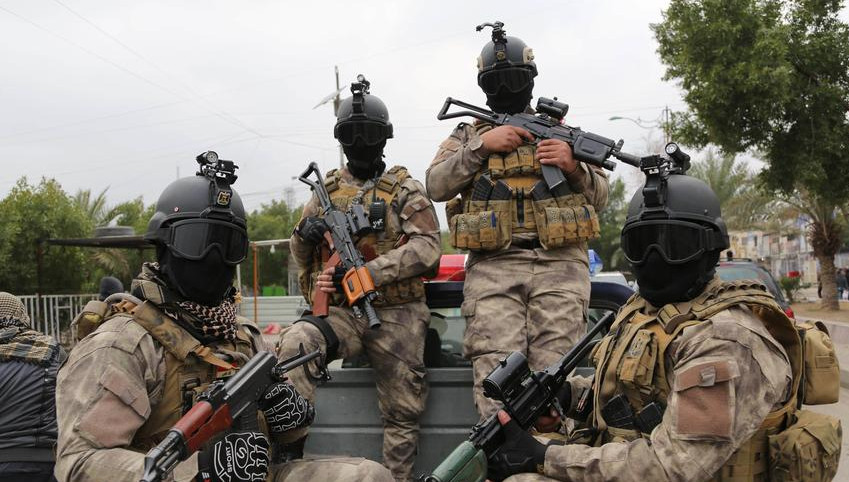
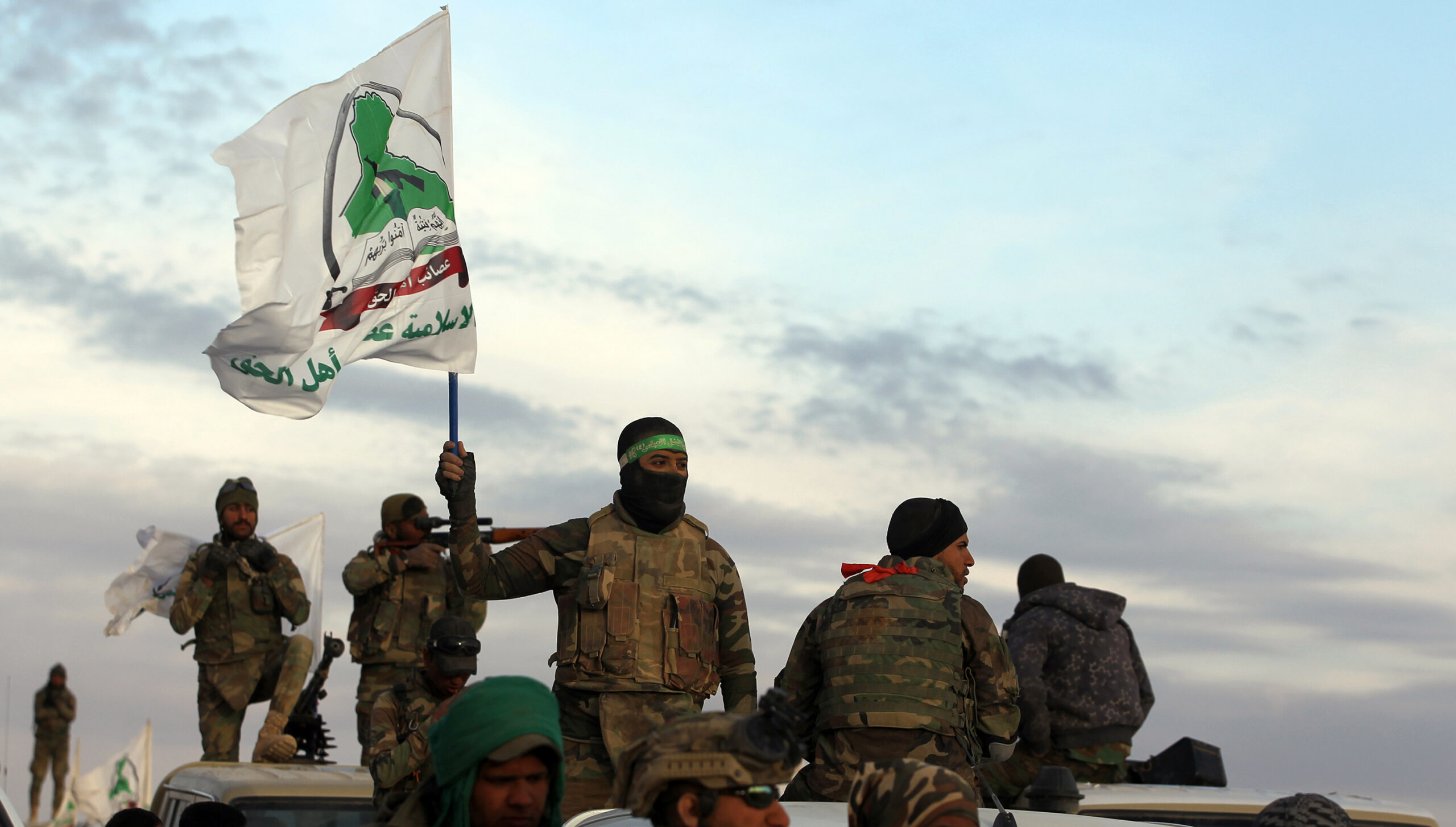
Iran-backed Iraqi armed groups dial up anti-U.S. propaganda
Iranian-supported Iraqi armed factions have dialed up anti-American propaganda and hostile rhetoric against the U.S.
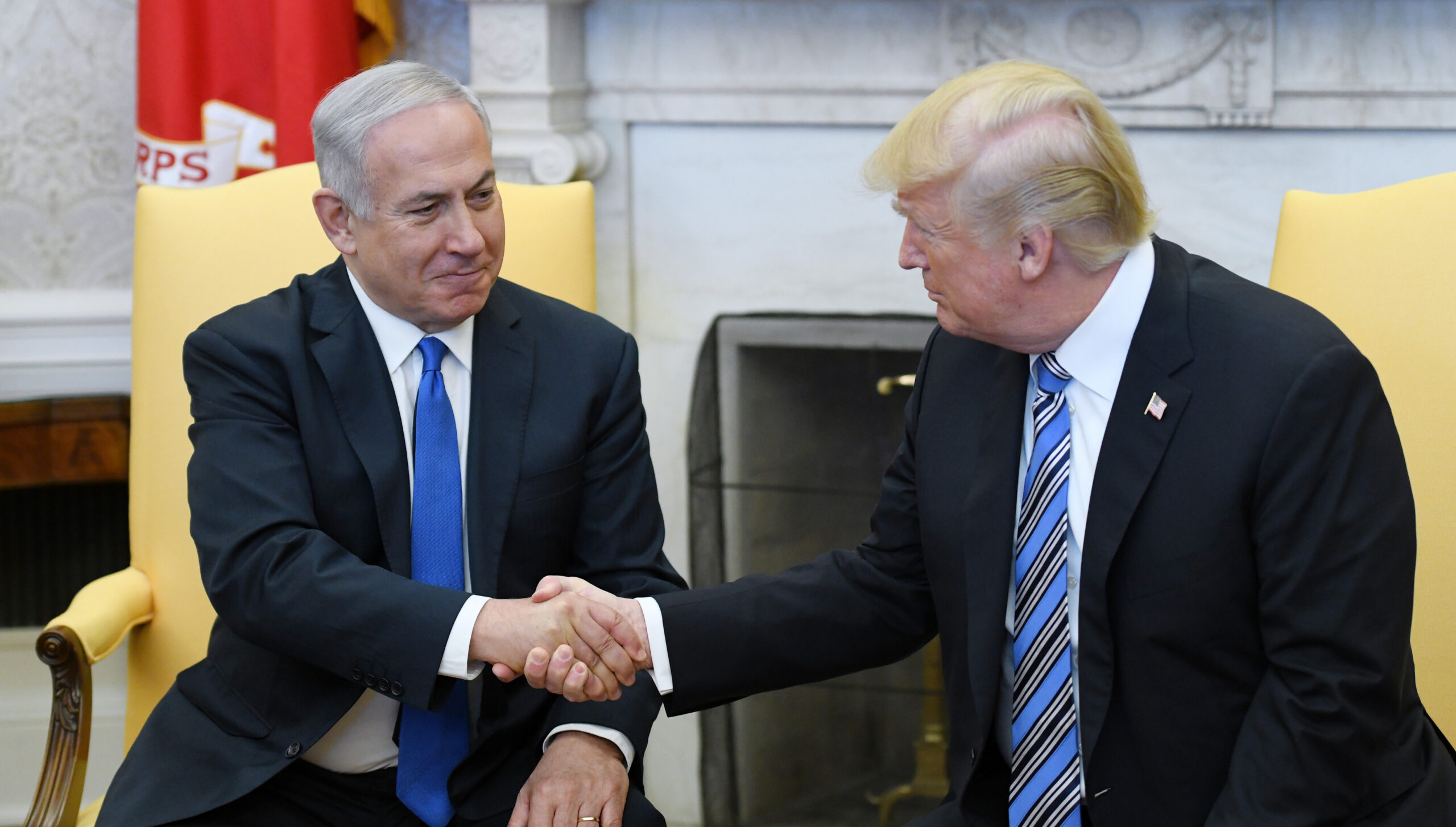
Netanyahu's ambition a test for US-Israel relations
After U.S. Vice President Mike Pence laid out the Trump administration’s agenda in a speech earlier this year before Israel’s parliament, the Knesset, one attendee asked, “was that the messiah or the vice president of the United States?”
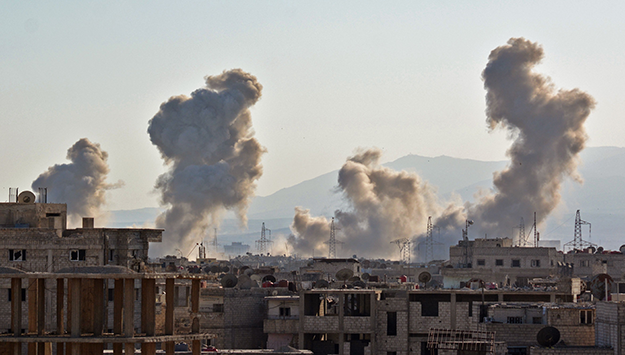
The decline of the US’s role in Syria
In this week’s Monday Briefing, MEI experts Charles Lister, Alex Vatanka, Randa Slim, and Marvin G. Weinbaum provide analysis on the US’s silence amid the Assad regime’s expansion, the Iranian president’s trip to Europe, the uptick in violence after Iraq’s elections, and the upcoming Pakistani parliamentary elections.
The decline of the US’s role in Syria
Charles Lister, Senior Fellow
China’s Ambivalent Attitude Towards Judaism
This article aims to put a spotlight on the status of Judaism in China and the actors who promote its agendas. It discusses Chinese and Israeli attempts to promote Judaism within China. And it shows that Chinese authorities, owing to domestic and foreign policy considerations, appear committed to leaving the status of the Jewish religion within the country unchanged.
The importance of understanding Middle Eastern arts and culture
Middle East policy is most commonly viewed through a security or geopolitical lens, but arts and culture is the human lens into the region. MEI Vice President Kate Seelye and Lyne Sneige, director of MEI’s Arts & Culture program, join Paul Salem to discuss the importance of culture as a tool for enriching policy discourse.


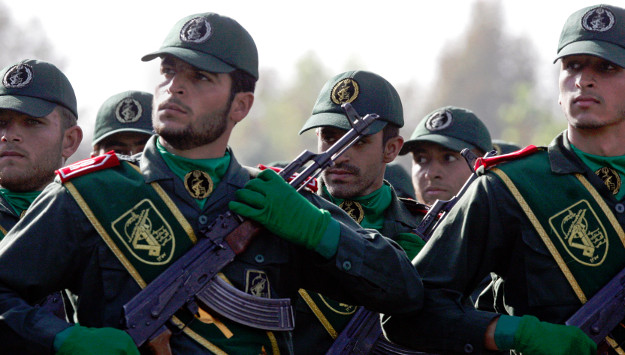
The emergence of Iran's "proxy model"
Summary
Since its 1979 revolution, the Islamic Republic of Iran has incited violent, radical, and often sectarian nonstate groups across the Middle East to serve as proxies in its military campaigns to influence regional and international politics. This “proxy model” has become increasingly salient since the U.S. invasion of Iraq in 2003 and more recently in Iraq and Syria, and is now Iran’s primary tool for advancing its regional intersts.



