Jean-Pierre Cassarino holds a professorship at the Robert Schuman Center for Advanced Studies (RSCAS/European University Institute, Florence) where he directs the Return migration and Development Platform (http://rsc.eui.eu/RDP/). He is also research associate at the Tunis-based Institut de Recherche sur le Maghreb Contemporain (IRMC). Since the mid-1990s, he has published extensively on international migration, particularly on return migration and has carried out numerous field surveys investigating returnees’ manifold patterns of reintegration. Selected publications include: (ed.) Unbalanced Reciprocities: Cooperation on Readmission in the Euro-Mediterranean Area, The Middle East Institute Press, Washington, 2010; (ed.) “Conditions of Modern Return Migrants”, International Journal on Multicultural Societies, Vol. 10, Issue 2, UNESCO, Paris, 2008; (ed.) Return Migrants to the Maghreb Countries: Reintegration and development challenges, RSCAS, European University Institute, Florence, 2008; Tunisian New Entrepreneurs and their Past Experiences of Migration in Europe: Networks, Resource Mobilisation, and Hidden Disaffection. Ashgate Publishers, Aldershot, 2000. Email: [email protected]
The Latest from Jean-Pierre Cassarino
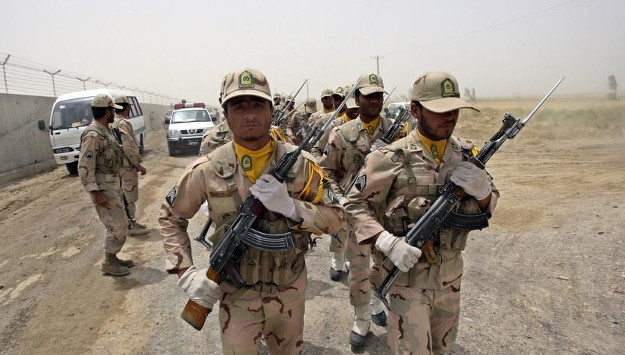
Militants step up antigovernment activities in Iran’s border regions
The Islamic Revolution Guards Corps (IRGC) said today that its forces have seized a shipment of explosives and suicide vests in the restive southeastern province of Sistan and Baluchestan. According to a statement released by the public relations department of the IRGC Ground Force’s Quds Base (not to be confused with IRGC’s elite Quds Force responsible for external operations), the explosives and communications and other assets were captured in the Saravan county of Sistan and Baluchestan.

The Year Ahead: The Middle East in 2018
In this extended episode to kick off 2018, Paul Salem interviews several MEI scholars on the key trends and events to watch for across the region in the year ahead. Guests include Alex Vatanka, Randa Slim, Gerald Feierstein, Marvin Weinbaum, Bilal Saab, and Gonul Tol.
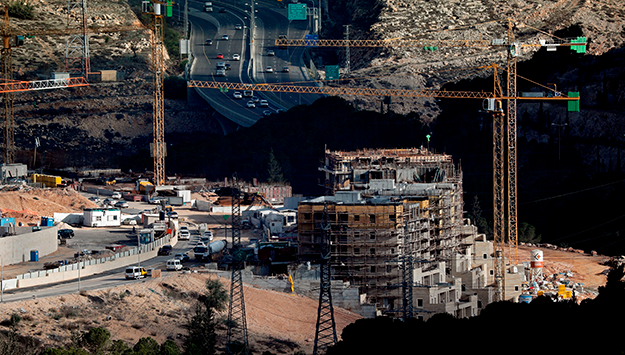
How Trump gave a green light to Israel’s ‘One State Solution’
Read the full article on The American Conservative.
Annexationists of all stripes are crowing about Donald Trump’s blockbuster decision to move the U.S. embassy to Jerusalem.
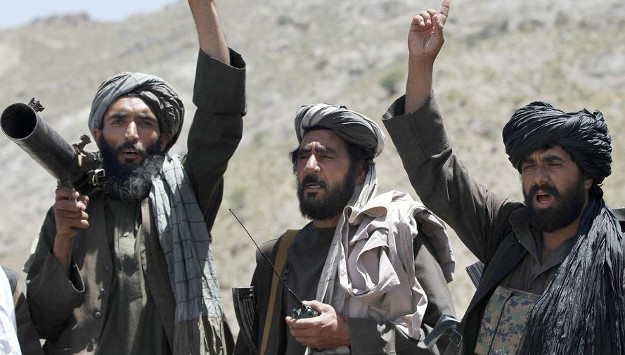
Afghan politician cautions Tehran against aiding Taliban
A prominent Afghan politician has cautioned that it is not in the interest of Iran to have close relations with the Taliban, Afghan media reported. “As an Afghan, I explicitly state that cultivating close relations – I hope it is a mistake – with an enemy, which has no difference with ISIS in its essence and substance, is harmful not only to the Iranian people but also to the people Afghanistan,” Amrullah Saleh, the head of the Afghan Green Trend and former intelligence chief, said at the Tehran Security Conference.
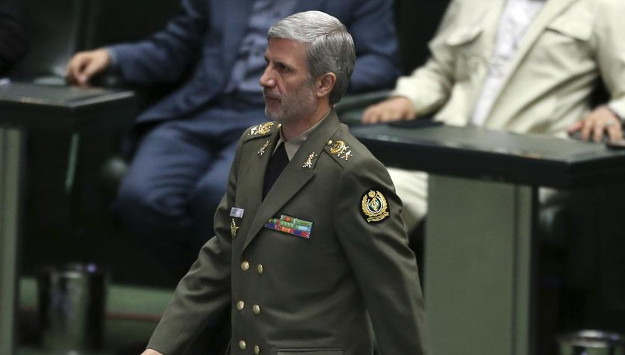
Iran’s defense minister threatens "retaliation" against US
Iran’s Defense Minister accused the United States of playing a role in the latest anti-regime protests in the country and threatened that Tehran will take retaliatory measures against US interests.
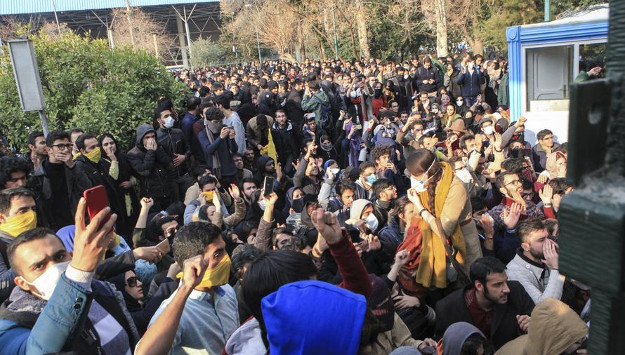
Will latest anti-regime protests change Iran’s costly regional policies?
The latest antigovernment protests in Iran indicate that the regime’s costly and destabilizing role in regional conflicts is taking a political toll at home. While economic grievances are the key driver of the current protests, ordinary Iranians are questioning the wisdom of their government’s military adventurism abroad and support for foreign state and non-state actors at the expense of domestic priorities.
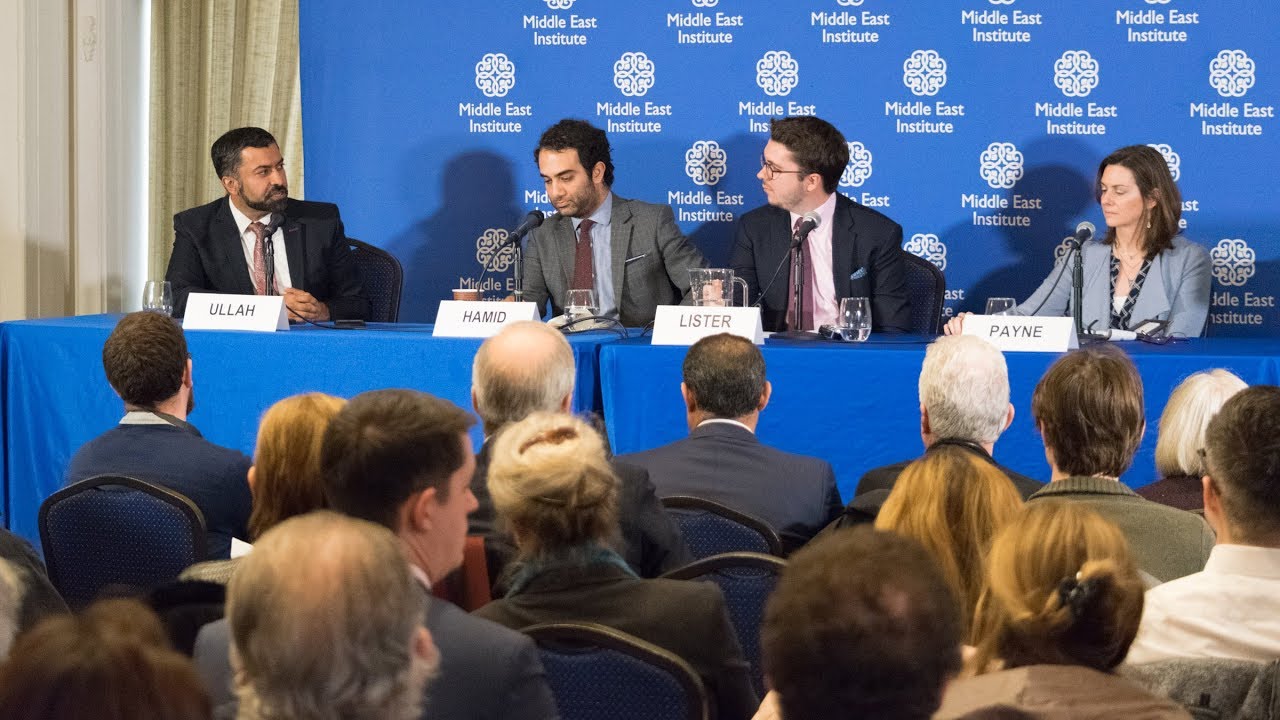
Countering the Weaponization of Information
January 10, 2018 – Mobile technologies for consuming and spreading information are empowering individuals and nonstate actors in politics and in conflicts. Social media activists scrutinize authoritarian and democratic powers alike. Violent extremists such as ISIS have used the web to advance their ideologies, project invincibility, undermine governments, and sow fear and hatred. The information battlefield surrounds all internet users.
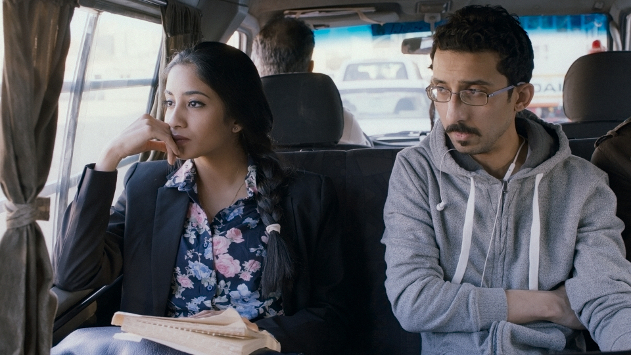
Iraqi filmmaker seeks to bridge sectarian divides
Fittingly for someone who divides her time between two river cities, DC-born, Baghdad-bred, and now London-based filmmaker Maysoon Pachachi says she is a woman who “lives on a bridge.”
“I’ve been a stranger everywhere I’ve lived,” says Pachachi, now 70, whose documentaries have captured life in Gazan refugee camps, downtown Beirut and medieval Cairo. “I’ve moved around my whole life, but I can adapt and fit in wherever I am.”
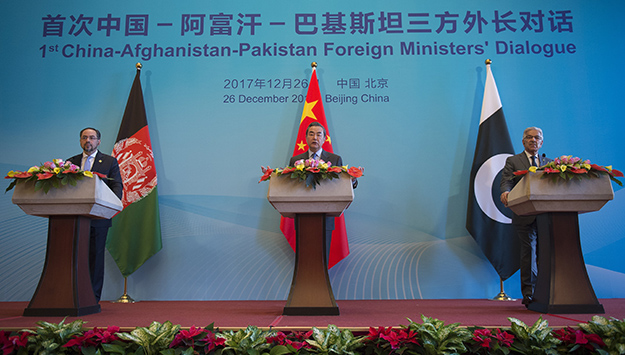
China, US differ on road to peace in Afghanistan
Afghanistan remains a key military and diplomatic challenge for the United States, with far-reaching strategic and economic implications. While achieving stability in war-torn Afghanistan is a prerequisite for regional peace, fixing matters there has become hostage to innumerable domestic contradictions as well as deep-rooted strategic mistrust among key regional stakeholders.
Democracy, Inclusion and Political Moderation: Lessons from Religious Movements in the Middle East and Indonesia
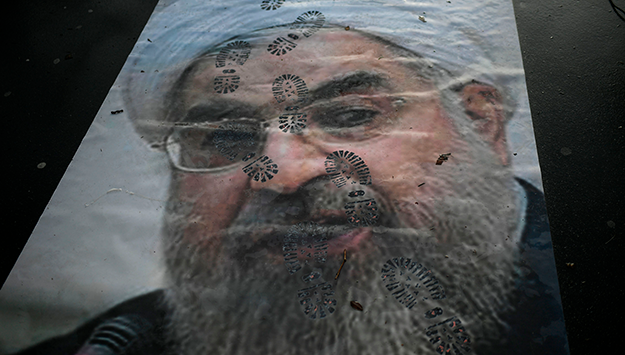
There is a longstanding argument that inclusion in the political process can moderate Islamist groups. Looking at the evolution of Islamic movements in Egypt and in Indonesia, this essay suggests that patterns of informal inclusion, the nature of regime repression and the role of state ideology can all have significant impacts on the diversity of religious life and mass appeal of reformist voices.
Turkey summons Iranian, Russian envoys over ceasefire “violations” in Syria
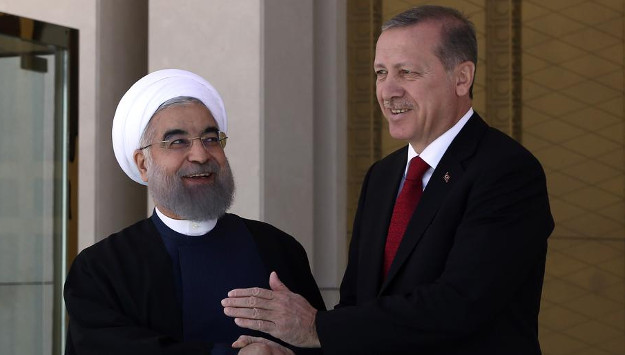
The Turkish government today summoned the Iranian and Russian ambassadors to protest “recurrent attacks” by the Syrian Army in Idlib Province against Syrian opposition forces backed by Ankara, the