This individual is a guest contributor. MEI is not able to assist with contact requests.
Jean-Pierre Cassarino holds a professorship at the Robert Schuman Center for Advanced Studies (RSCAS/European University Institute, Florence) where he directs the Return migration and Development Platform (http://rsc.eui.eu/RDP/). He is also research associate at the Tunis-based Institut de Recherche sur le Maghreb Contemporain (IRMC). Since the mid-1990s, he has published extensively on international migration, particularly on return migration and has carried out numerous field surveys investigating returnees’ manifold patterns of reintegration. Selected publications include: (ed.) Unbalanced Reciprocities: Cooperation on Readmission in the Euro-Mediterranean Area, The Middle East Institute Press, Washington, 2010; (ed.) “Conditions of Modern Return Migrants”, International Journal on Multicultural Societies, Vol. 10, Issue 2, UNESCO, Paris, 2008; (ed.) Return Migrants to the Maghreb Countries: Reintegration and development challenges, RSCAS, European University Institute, Florence, 2008; Tunisian New Entrepreneurs and their Past Experiences of Migration in Europe: Networks, Resource Mobilisation, and Hidden Disaffection. Ashgate Publishers, Aldershot, 2000. Email: [email protected]
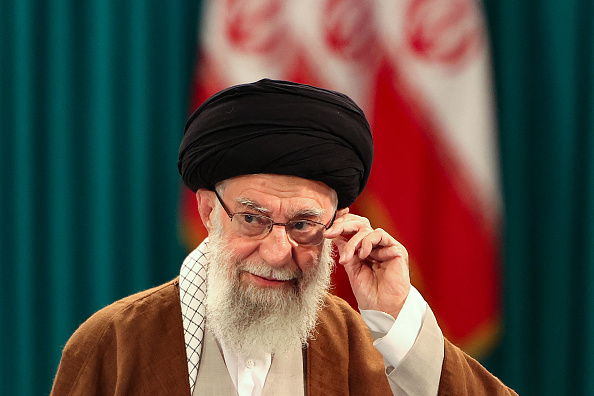
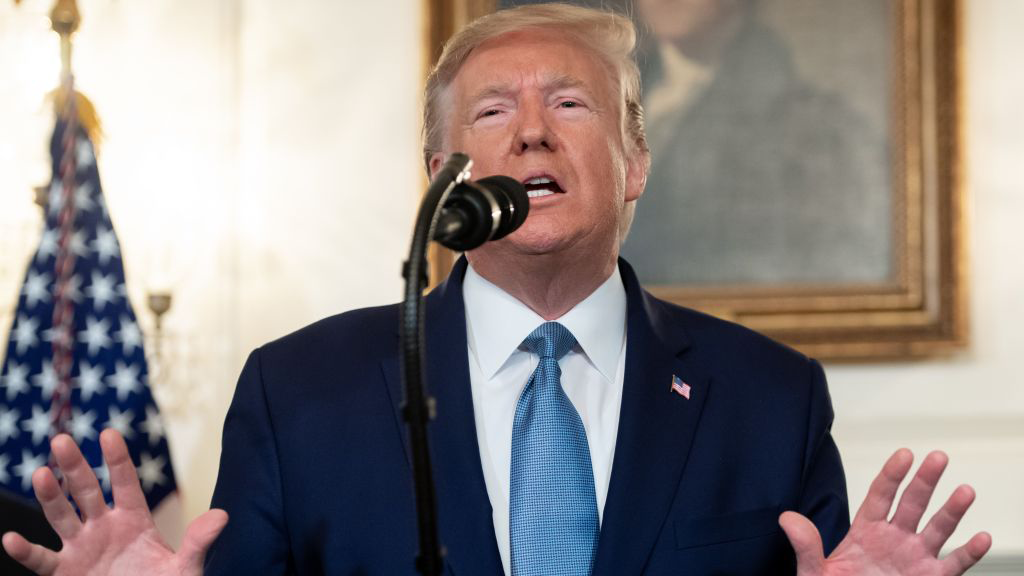
As Donald Trump prepares to return to the White House, the main question in Tehran is not so much what the incoming American president will do about Iran. Rather, it is about whether Tehran should negotiate with him.
How might US-Israeli relations evolve under the Trump administration?
MEI Senior Fellow for Israeli Affairs Nimrod Goren and Associate Research Professor Ilai Saltzman discuss potential shifts in US policy, the outlook for Israeli politics in 2025, and the challenges to advancing peace on the Israeli-Palestinian front. Tune in for expert insights on what lies ahead.
دور الشرق الأوسط في السباق بين الولايات المتحدة والصين للسيطرة على مجال الذكاء الاصطناعي
تعد الذكاء الاصطناعي محفزًا محوريًا للابتكار العالمي، حيث تتصدر الولايات المتحدة تطوير هذه التكنولوجيا التحويلية في خضم تنافسها المستمر مع الصين على القوة العظمى. يهدف هذا التقرير إلى تعريف مفهوم التفوق في مجال الذكاء الاصطناعي ومراجعة استراتيجية الولايات المتحدة في هذا المجال وفقًا لفهم أكثر شمولية له. كما يبحث التقرير في كيفية تأثير المنافسة على الأطراف الفاعلة في الشرق الأوسط، ولا سيما الإمارات العربية المتحدة والمملكة العربية السعودية، في محاولة لتوجيه الحوار حول السباق العالمي في مجال الذكاء الاصطناعي نحو مفهوم شامل لسيادة الذكاء الاصطناعي يرتكز على واقع الشؤون الدولية والتنافس بين القوى العظمى الأمريكية والصينية.
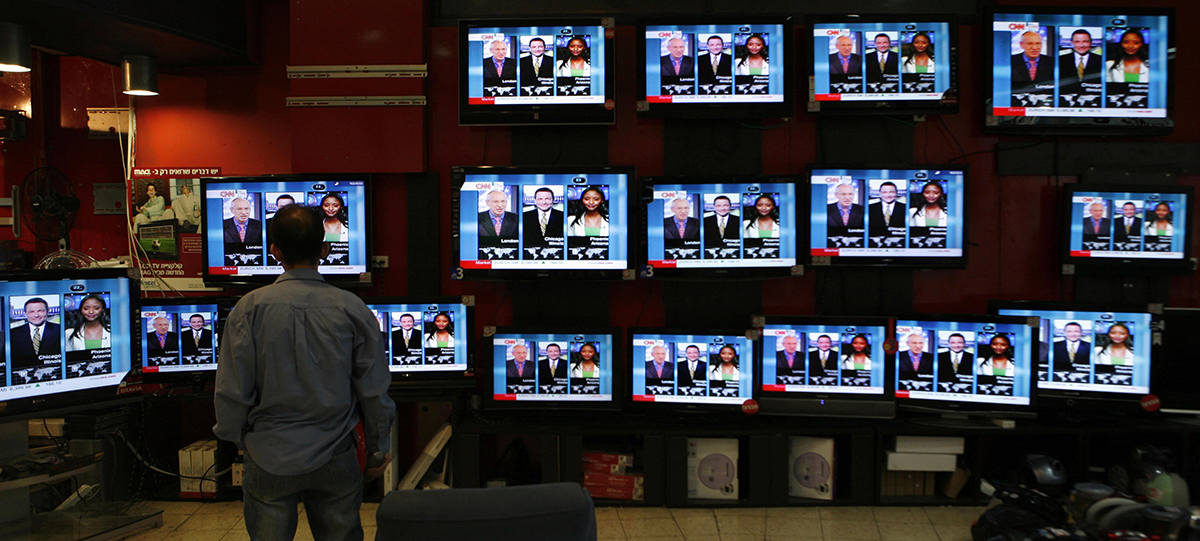
Reshaping the public discourse is key to restoring support for Israeli-Palestinian peace
Supporters of peace, both local civil society actors and international partners, need to make a sustained effort to promote conflict resolution by shifting the public discourse of traditional and new media outlets, especially in Israel.
The Middle East has experienced an extraordinarily tumultuous year, as the ripples from Hamas’ assault on Israel on Oct. 7, 2023, continue to fuel hostilities in Palestine, Lebanon, Syria, Iraq, Yemen, and the waters of the Gulf. Amid all of this, Syria has received very little attention, despite its central role in Iran’s regional agenda. Now the Biden administration is reportedly “hopeful” that Bashar al-Assad will soon permanently block Iran’s ability to support Hezbollah in Lebanon and is postured to reward Damascus for doing so. At best, such calculations should be described as optimistic; at worst, fanciful.
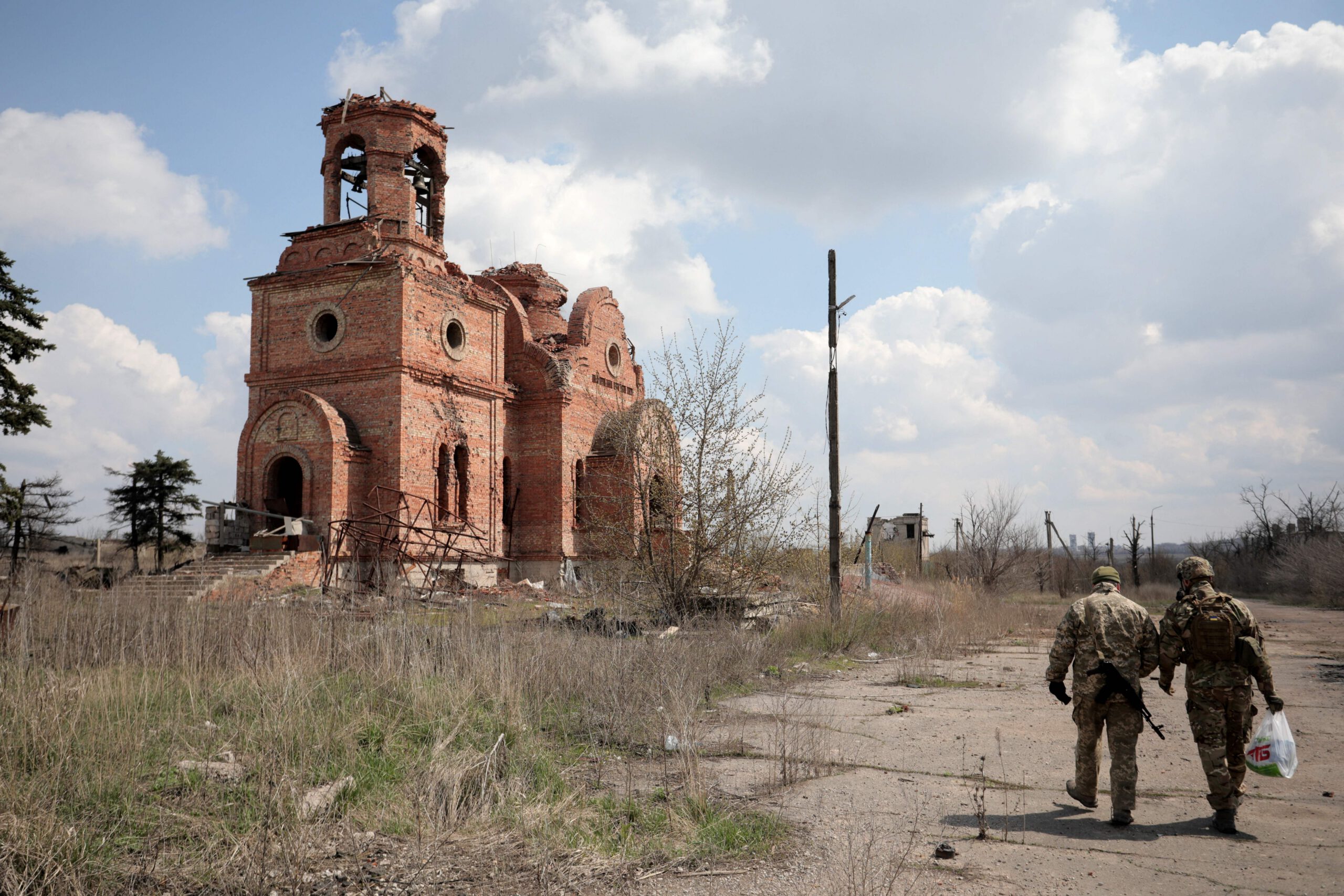
1,000 Days of Russia's Full-Scale War Against Ukraine
Wednesday, November 20, marks a somber anniversary for Ukraine: 1,000 days since Russia’s full-scale invasion of the country. Though the Ukrainians continue to hold out with Western assistance against Russian attacks, the past two-and-a-half years have been devastating for the country and its people. Ukraine now faces another winter at war as momentum appears to be shifting in Russia’s favor. What can the US and its allies do to ensure hostilities end as favorably as possible to Ukraine and in line with American strategic national interests?
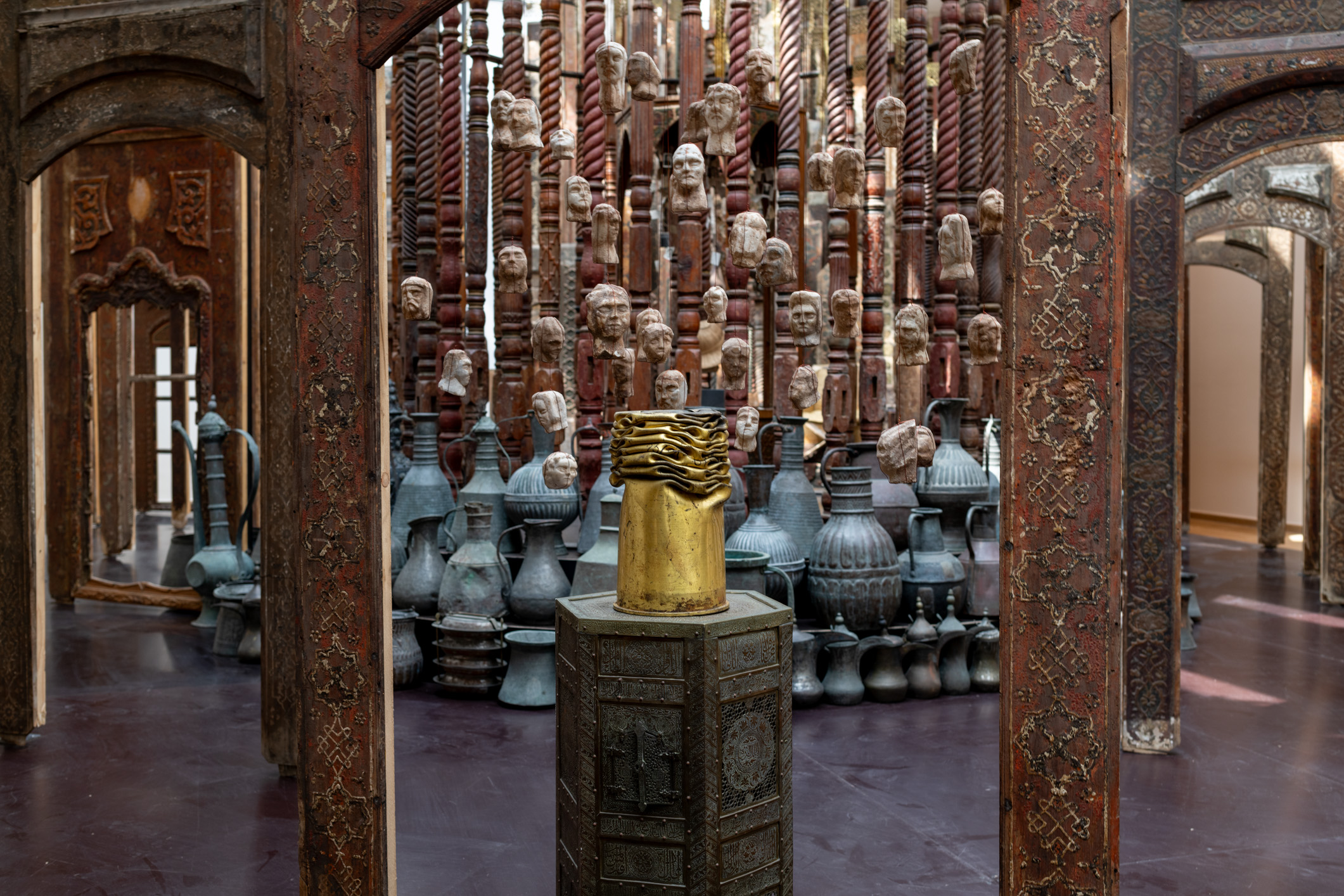
A Glimmer of Hope in a Time of War: The Beirut Museum of Art’s Mission to Heal and Regenerate Lebanon Through Art
وسط كارثة الحرب المستمرة في لبنان، يصر المشهد الثقافي في البلاد على العمل رغم الصعوبات للحفاظ على تراثه وفنه. ومن بين العديد من المشاريع التي تصر على المضي قدماً متحف بيروت للفنون (BeMA)، وهو متحف طال انتظاره وتتمثل مهمته في الحفاظ على تراث البلاد وثقافتها من خلال الفن الحديث والمعاصر.
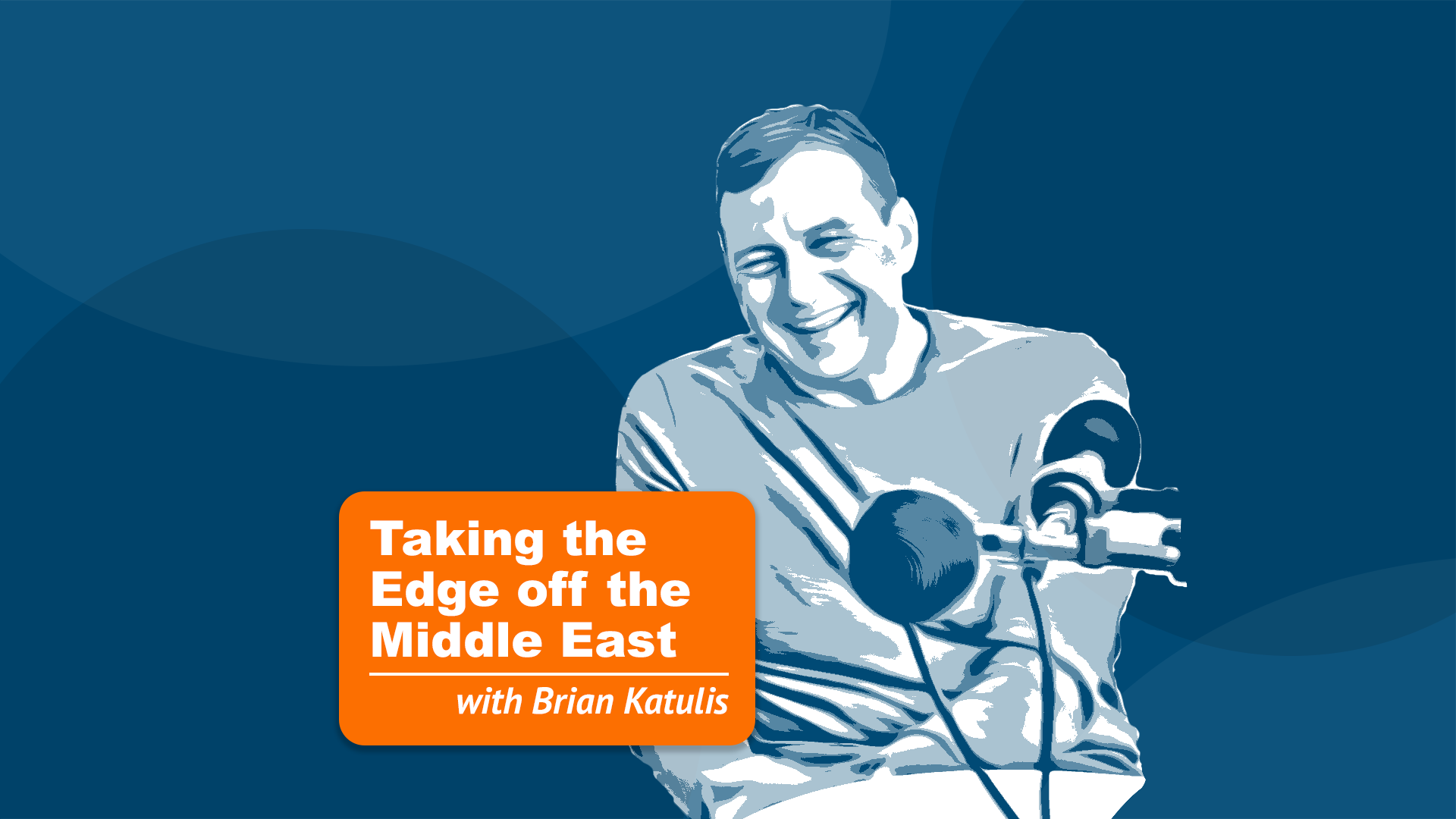
Steven A. Cook | 'Taking the Edge Off the Middle East' Ep. 5
Middle East Focus Presents: ’Taking the Edge Off the Middle East’ with Brian Katulis.
A series of casual conversations with leading policy professionals on the most important happenings in the Middle East today – hosted by MEI’s Senior Fellow for US Foreign Policy Brian Katulis.
Steven A. Cook, Senior Fellow for Middle East and Africa Studies at the Council on Foreign Relations, sits down with Brian to discuss his latest book “The End of Ambition,” their policy outlook with the incoming Trump Administration, and deteriorating discourse in Washington policy circles.
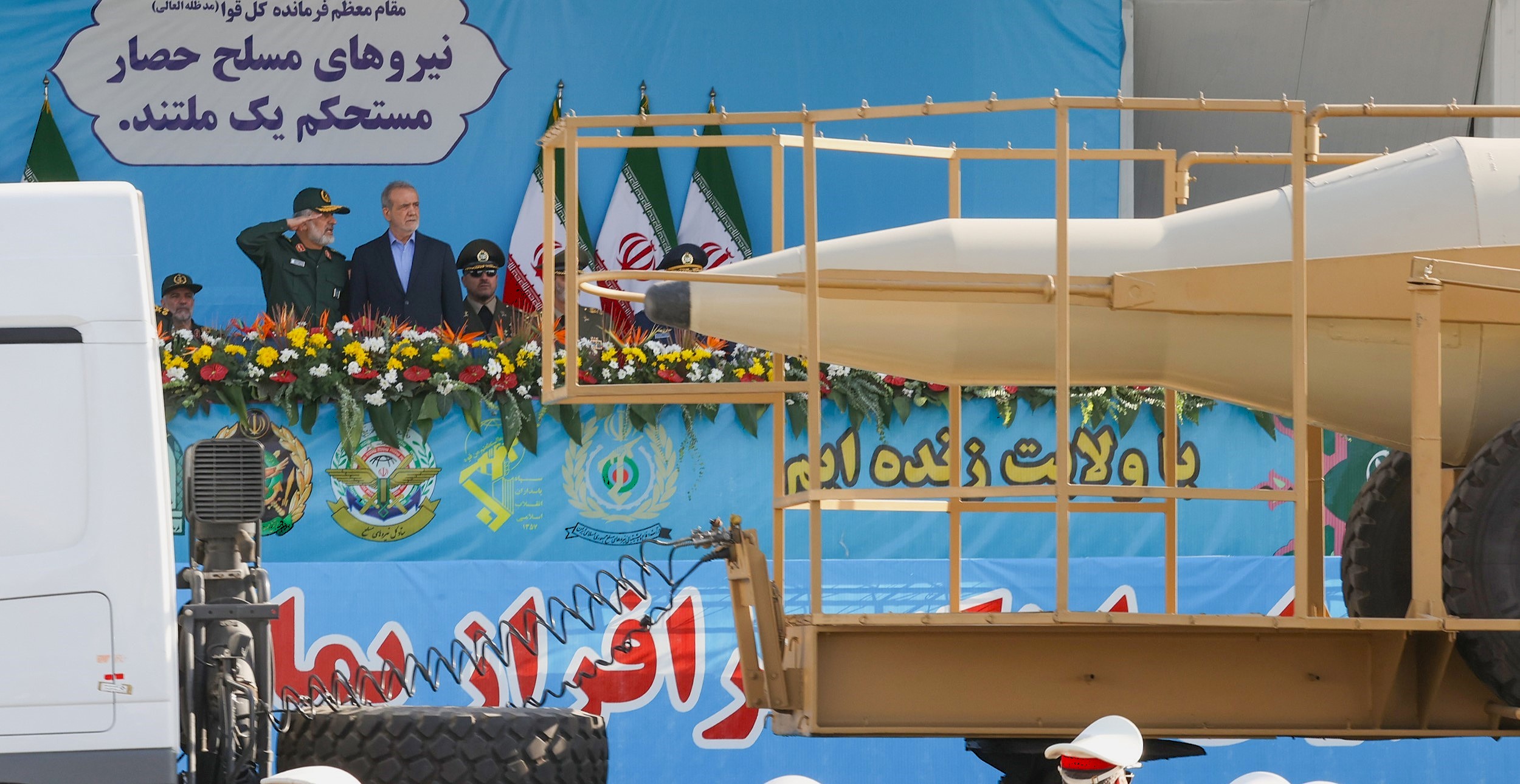
Tehran’s calculations to avoid all-out war with Israel and the US
Under past reformist presidents, Iran repeatedly tried to build a grand bargain deal with the United States, entailing compromises over its nuclear program in return for negotiating spheres of influence across the Middle East. This September, speaking on the sidelines of the United Nations General Assembly meetings in New York, the current reformist president Masoud Pezeshkian confirmed that he was open to direct talks with Washington to end hostilities.
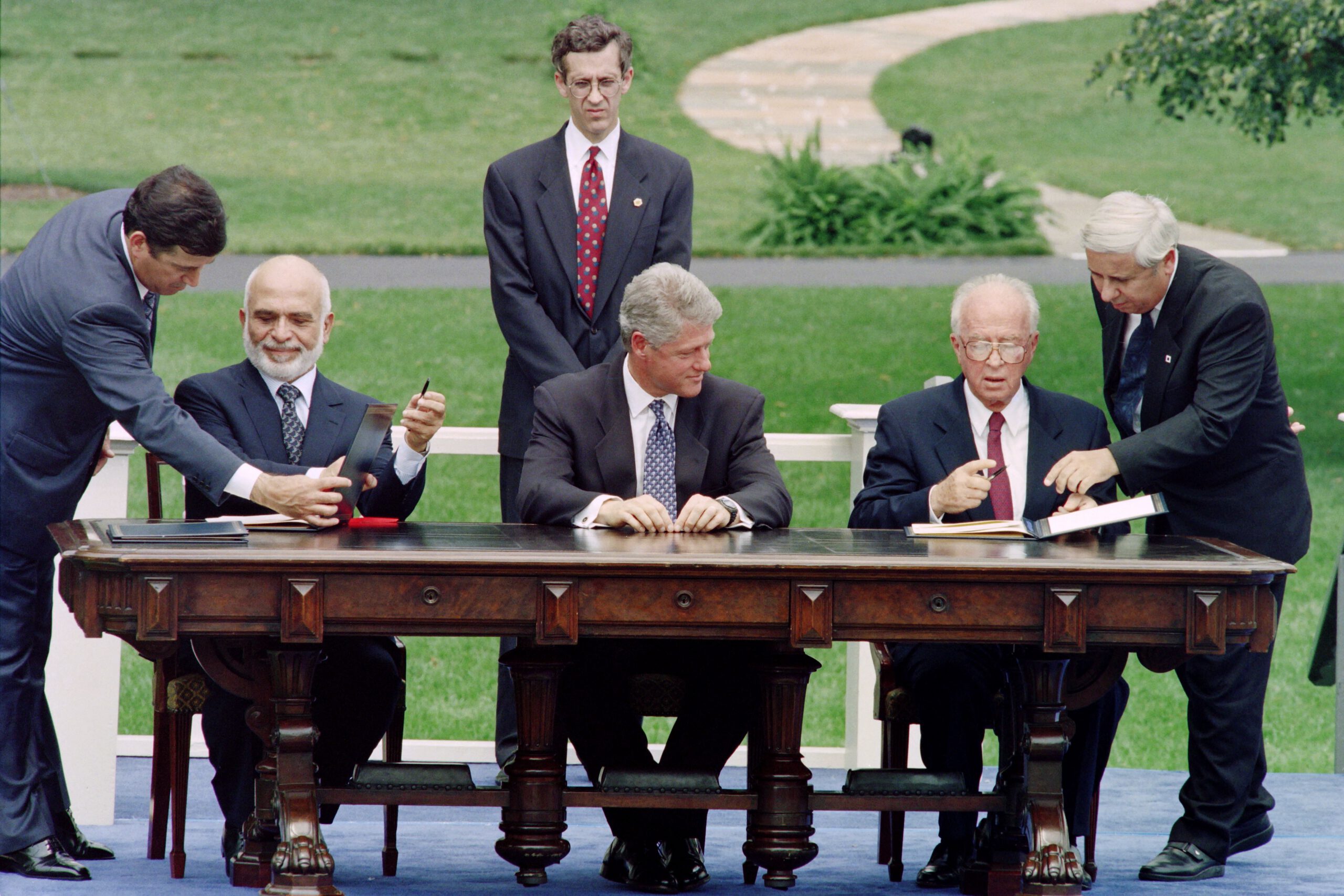
العلاقات المتوترة بين إسرائيل والأردن تمر بمزيد من الاختبار بسبب غزة، لكن من الممكن حدوث تحول
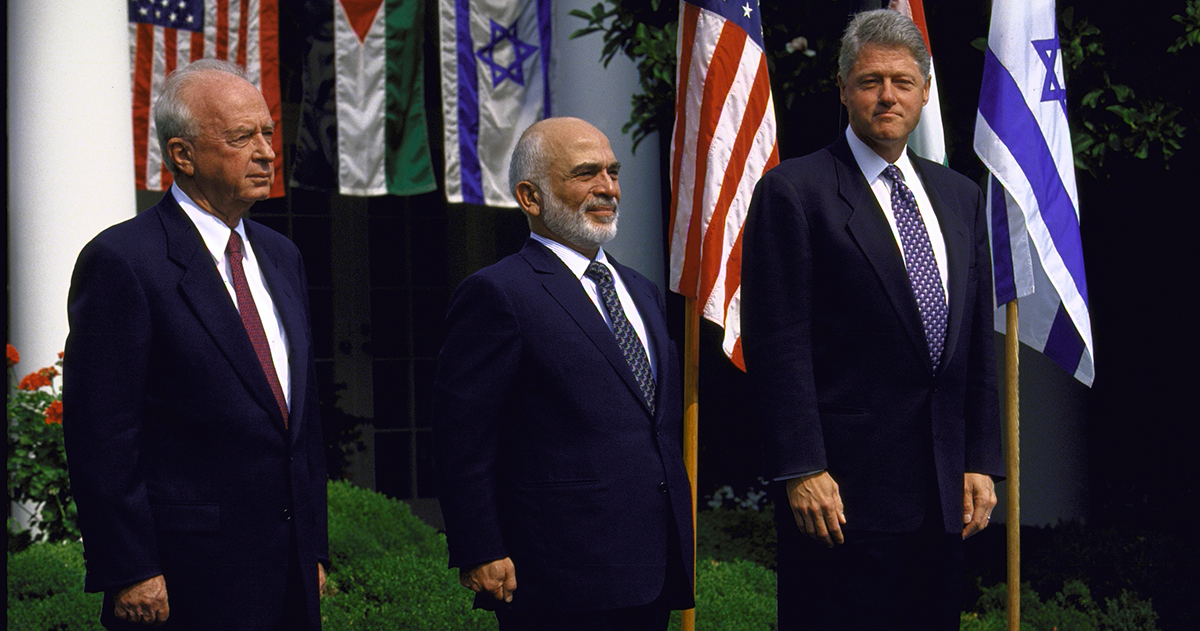
مرت 30 عامًا منذ أن وقعت إسرائيل والأردن معاهدة سلام في 26 أكتوبر 1994. ولكن بدلاً من الاحتفالات، اتسم هذا الذكرى السنوية بخيبة أمل كبيرة وحتى باليأس. يُزعم أن العلاقات بين البلدين وصلت إلى أدنى مستوياتها على الإطلاق، وأن الآفاق المستقبلية تبدو قاتمة، مع استمرار الحرب في غزة وابتعاد السلام بين الإسرائيليين والفلسطينيين أكثر من أي وقت مضى. ومع ذلك، أثبتت العلاقات بين إسرائيل والأردن مرونتها، حتى في مواجهة الأزمة الحالية، ويواصل البلدان تعزيز مصالحهما المشتركة الحيوية.