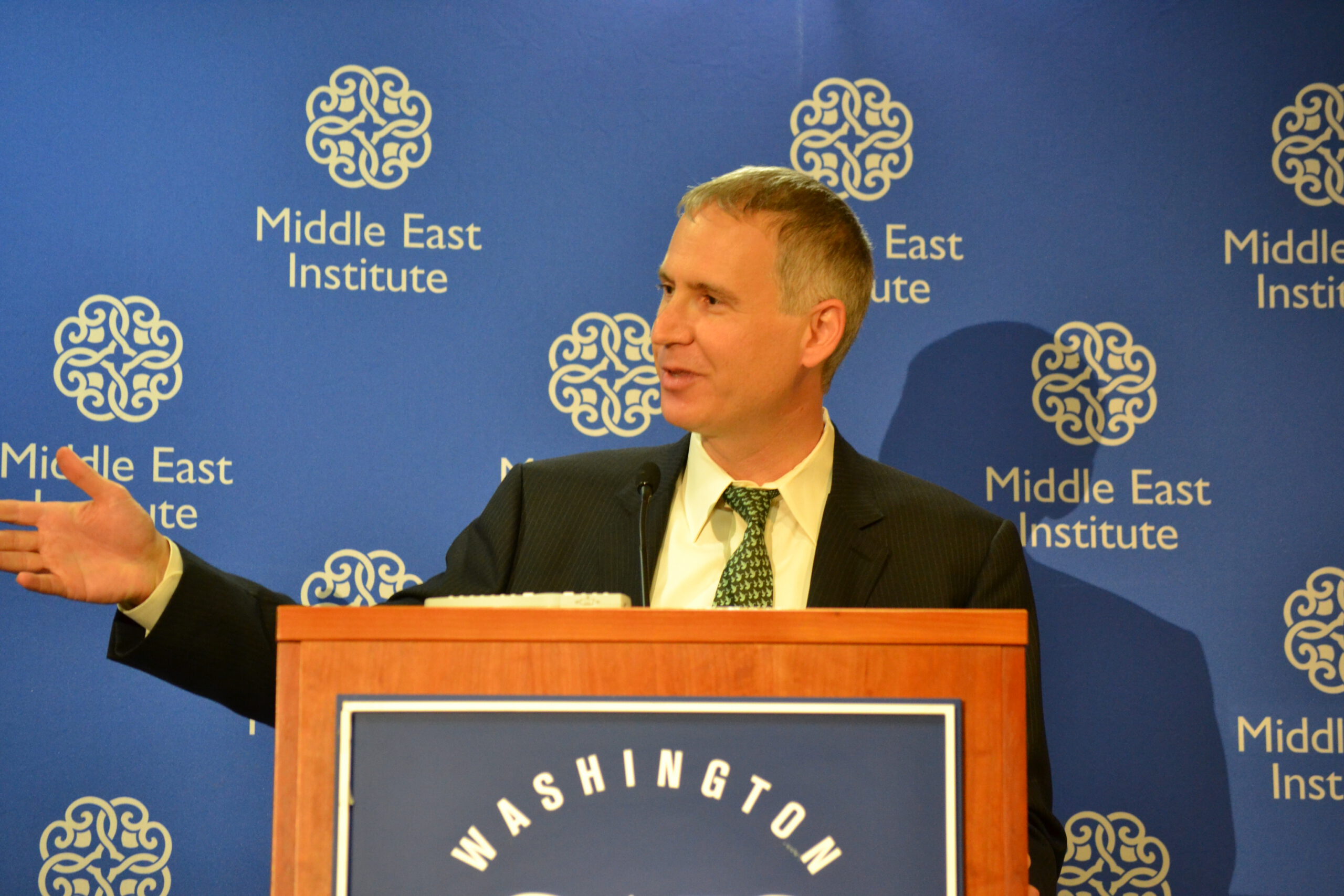
Jean-Pierre Cassarino holds a professorship at the Robert Schuman Center for Advanced Studies (RSCAS/European University Institute, Florence) where he directs the Return migration and Development Platform (http://rsc.eui.eu/RDP/). He is also research associate at the Tunis-based Institut de Recherche sur le Maghreb Contemporain (IRMC). Since the mid-1990s, he has published extensively on international migration, particularly on return migration and has carried out numerous field surveys investigating returnees’ manifold patterns of reintegration. Selected publications include: (ed.) Unbalanced Reciprocities: Cooperation on Readmission in the Euro-Mediterranean Area, The Middle East Institute Press, Washington, 2010; (ed.) “Conditions of Modern Return Migrants”, International Journal on Multicultural Societies, Vol. 10, Issue 2, UNESCO, Paris, 2008; (ed.) Return Migrants to the Maghreb Countries: Reintegration and development challenges, RSCAS, European University Institute, Florence, 2008; Tunisian New Entrepreneurs and their Past Experiences of Migration in Europe: Networks, Resource Mobilisation, and Hidden Disaffection. Ashgate Publishers, Aldershot, 2000. Email: [email protected]
The Latest from Jean-Pierre Cassarino
Malala Yousufzai – Reclaiming Ideological Space in Pakistan
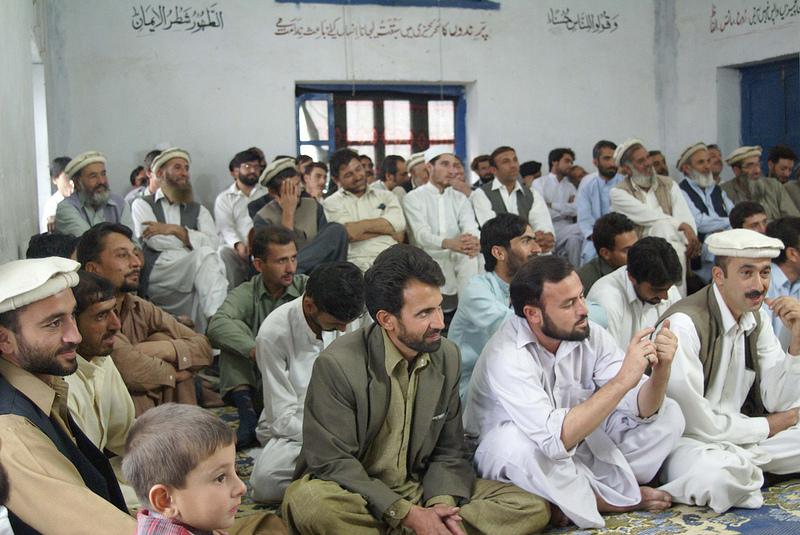
The attempted assassination of Malala Yousufzai by Tehreek-e-Taliban Pakistan on October 9, 2012, marks a milestone in the trajectory of Pakistan’s future. It has manifested the balkanization of Pakistani society along the lines of those who have been labeled in the popular vernacular in Pakistan as “liberals,” and those who claim ideological proximity with the reactionary religious ideology and demonstrate mistrust and disapproval of American policies instituted in the “War on Terror.” How this debate pans out between the two groups will mark the path to Pakistan’s future.

Fortress Israel
MEI Podcast 37 The Middle East Institute, the Foundation for Middle East Peace, and Churches for Middle East Peace Present “Fortress Israel” A book presentation by author Patrick Tylerwith introduction and commentary by Terence Smith Wednesday, October 244:00-5:30pmCarnegie Endowment for International PeaceRoot Room, 2nd Floor1779 Massachusetts Ave., NWWashington, DC 20036 Fortress Israel is a historical analysis of Israel’s military leadership and the country’s national security establishment.
Fortress Israel
MEI Podcast 37 The Middle East Institute, the Foundation for Middle East Peace, and Churches for Middle East Peace Present “Fortress Israel” A book presentation by author Patrick Tylerwith introduction and commentary by Terence Smith Wednesday, October 244:00-5:30pmCarnegie Endowment for International PeaceRoot Room, 2nd Floor1779 Massachusetts Ave., NWWashington, DC 20036 Fortress Israel is a historical analysis of Israel’s military leadership and the country’s national security establishment.
Fortress Israel
MEI Podcast 37 The Middle East Institute, the Foundation for Middle East Peace, and Churches for Middle East Peace Present “Fortress Israel” A book presentation by author Patrick Tylerwith introduction and commentary by Terence Smith Wednesday, October 244:00-5:30pmCarnegie Endowment for International PeaceRoot Room, 2nd Floor1779 Massachusetts Ave., NWWashington, DC 20036 Fortress Israel is a historical analysis of Israel’s military leadership and the country’s national security establishment.
Fortress Israel
MEI Podcast 37 The Middle East Institute, the Foundation for Middle East Peace, and Churches for Middle East Peace Present “Fortress Israel” A book presentation by author Patrick Tylerwith introduction and commentary by Terence Smith Wednesday, October 244:00-5:30pmCarnegie Endowment for International PeaceRoot Room, 2nd Floor1779 Massachusetts Ave., NWWashington, DC 20036 Fortress Israel is a historical analysis of Israel’s military leadership and the country’s national security establishment.
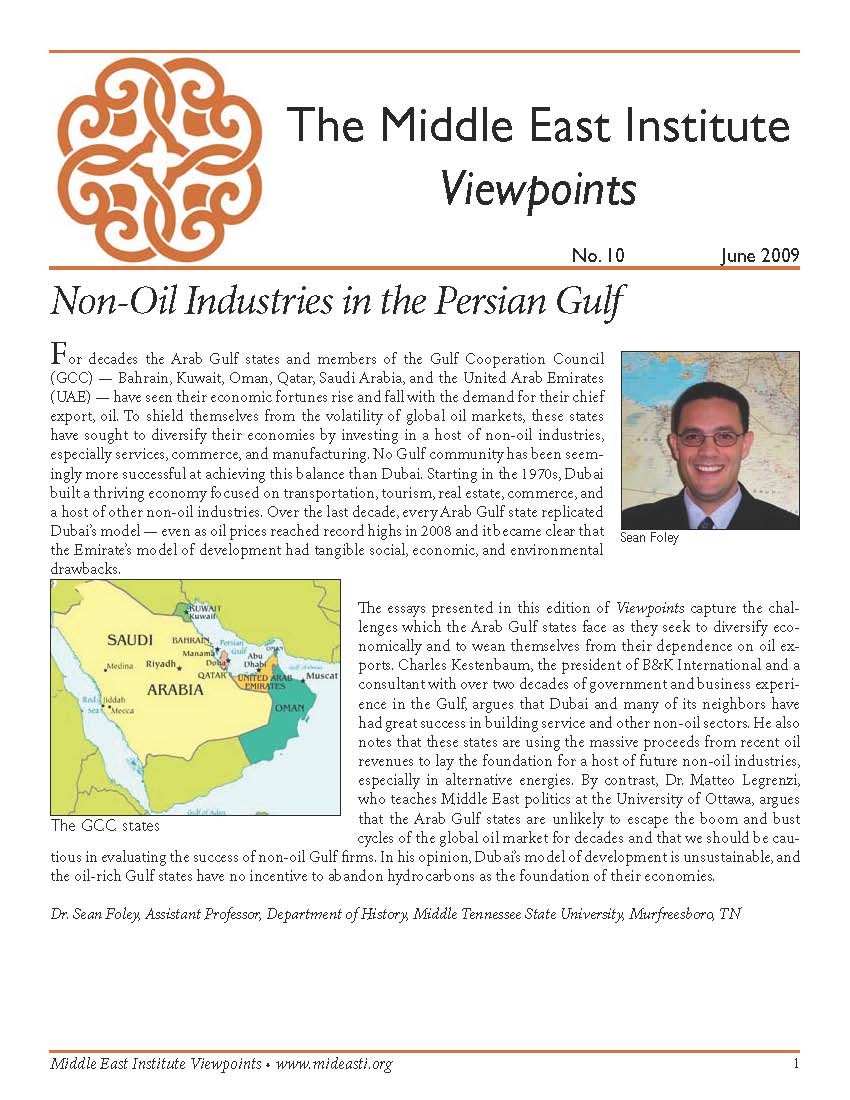
Introduction to Non-Oil Industries in the Persian Gulf
Originally posted June 2009
Introduction to Creating a Legacy of Understanding through the Visual Arts
Originally posted June 2011
The Political and Economic Implications of the Palestinian Authority's Fiscal Crisis
Podcast 36
The Political and Economic Implications of the Palestinian Authority’s Fiscal Crisis
Robert Danin, Khaled Elgindy, Oussama Kanaan, Hussein Ibish23 October, 2012
The Political and Economic Implications of the Palestinian Authority's Fiscal Crisis
Podcast 36
The Political and Economic Implications of the Palestinian Authority’s Fiscal Crisis
Robert Danin, Khaled Elgindy, Oussama Kanaan, Hussein Ibish23 October, 2012
The Political and Economic Implications of the Palestinian Authority's Fiscal Crisis
Podcast 36
The Political and Economic Implications of the Palestinian Authority’s Fiscal Crisis
Robert Danin, Khaled Elgindy, Oussama Kanaan, Hussein Ibish23 October, 2012
The Political and Economic Implications of the Palestinian Authority's Fiscal Crisis
Podcast 36
The Political and Economic Implications of the Palestinian Authority’s Fiscal Crisis
Robert Danin, Khaled Elgindy, Oussama Kanaan, Hussein Ibish23 October, 2012
The Political and Economic Implications of the Palestinian Authority's Fiscal Crisis
Podcast 36
The Political and Economic Implications of the Palestinian Authority’s Fiscal Crisis
Robert Danin, Khaled Elgindy, Oussama Kanaan, Hussein Ibish23 October, 2012

The Origins of the Istanbul Center of Atlanta
Originally posted June 2011
The existence of a small Turkish community in Metro-Atlanta can be traced back to the 1950s. Medical doctors, engineers and other professionals and their families were the majority of this small group. Up until the 1990s, this community would remain relatively small in number. For a long time, the interaction between members of the community would be limited to a few celebrations and picnics once a year, and of course home visits among friends.