This individual is a guest contributor. MEI is not able to assist with contact requests.
Ragui Assaad is Professor at the Humphrey Institute of Public Affairs at the University of Minnesota. He has written extensively on labor market and youth issues in the Middle East and North Africa. The author acknowledges the able research assistance of Stefan Johansson in the preparation of this essay.
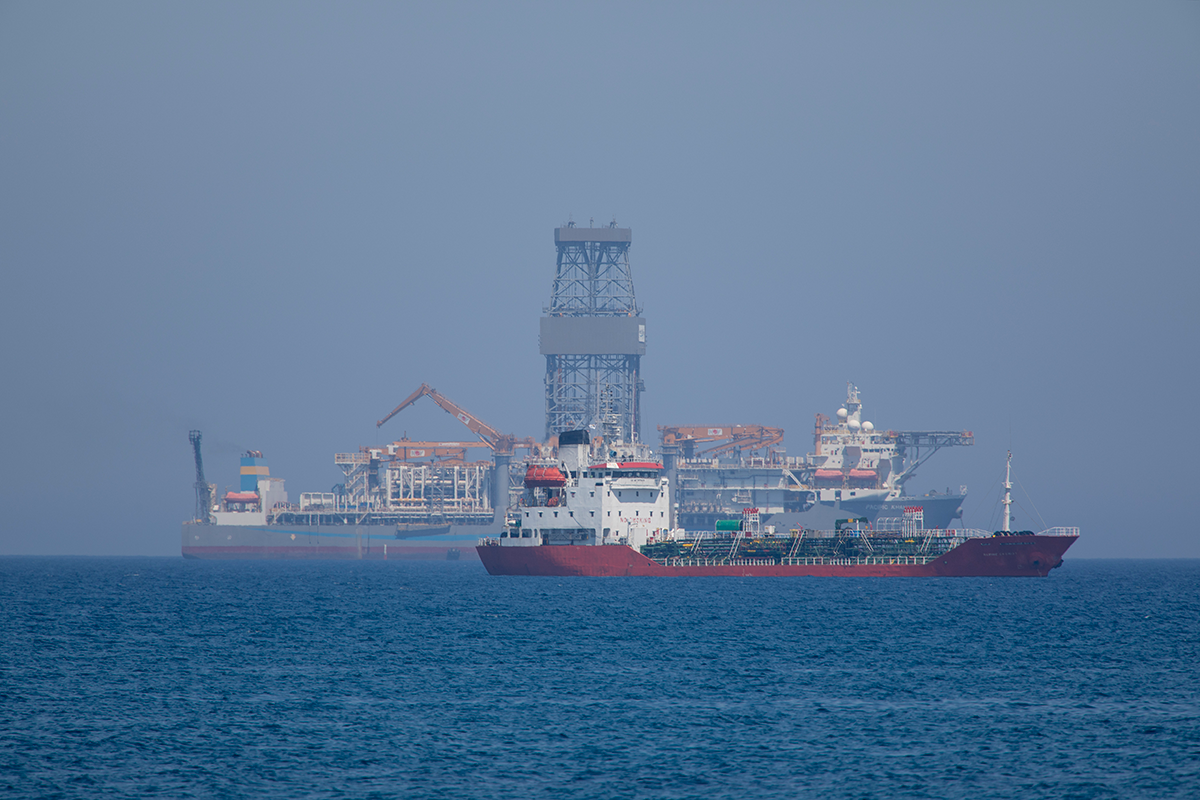
East Med gas needs clean tech and regional integration to support investment case
The viability of Eastern Mediterranean natural gas resources has long been a source of debate for reasons including cost considerations, market demand, and regional geopolitical tensions. The past couple of years have further complicated the debate, introducing new questions about the role of these resources in supporting post-pandemic economic recovery or helping more advanced markets achieve net-zero policies by replacing coal and other fuel sources (a particularly relevant topic of debate given Europe and Asia are key export targets for East Med gas).
Budget dust: Better approaches for security and sustainability — lessons learned from Iraq and Afghanistan
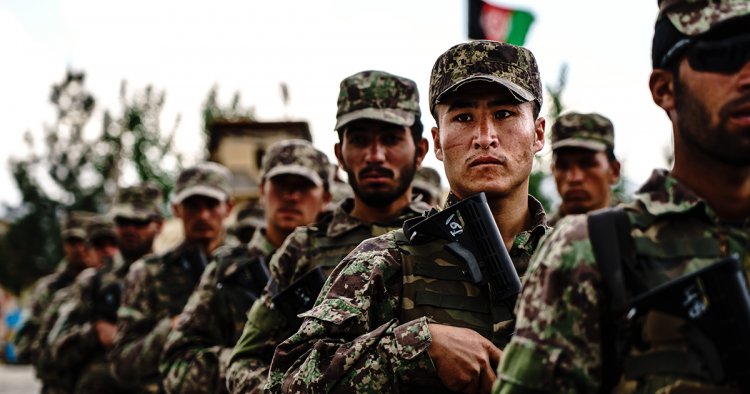
It took the Taliban just three and a half months to undermine a 20-year international effort to build a competent Afghan military. The Afghanistan National Army (ANA) collapsed once it was clear the U.S. was pulling out ground troops and ceasing air support operations after two decades of training and sustainment that cost the American taxpayer approximately $83 billion. When required to stand alone, against a Taliban force, the ANA failed unequivocally. Building the ANA as a mirror image of the U.S. military was strategically and operationally flawed. If they are designed to fight like the U.S. but cannot fight in the absence of U.S. forces, they are ineffective. What lessons should we learn from this and how could our approach be different in the future?
Stuck in the middle: Afghanistan between the superpowers
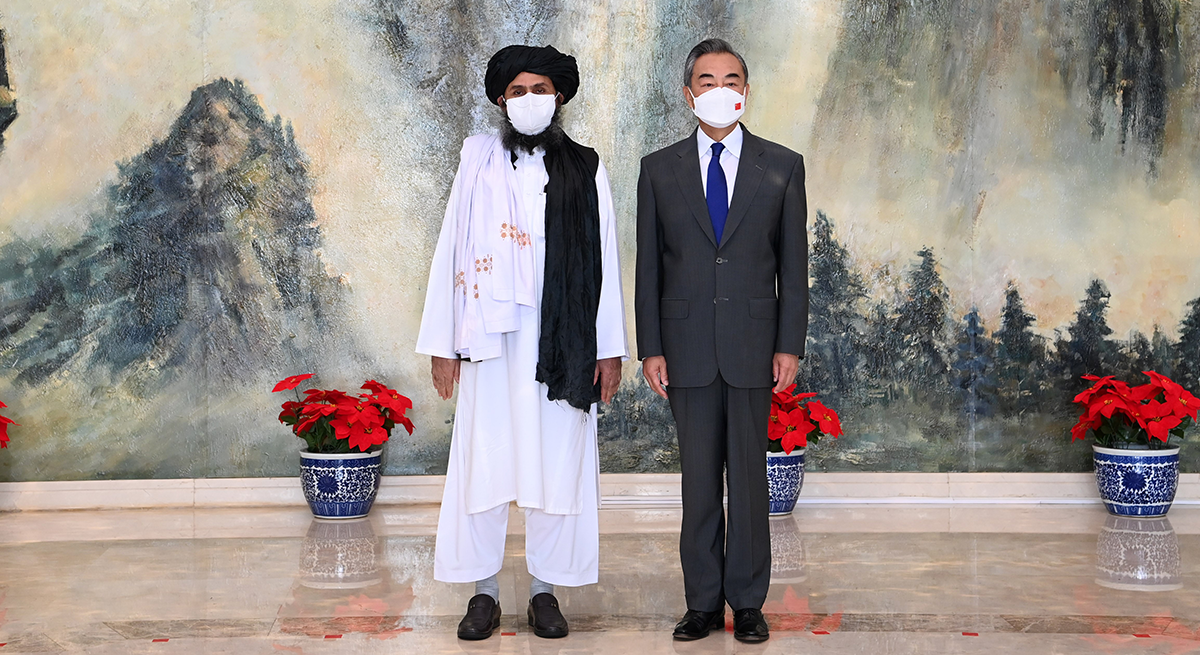
After 20 years of extensive involvement in Afghanistan by the U.S. and other NATO allies, now is the time to ask what China sees in the country and how it plans to approach relations with its new rulers, the Taliban.
Balancing ties, Russia expands Afghanistan cooperation with both India and Pakistan
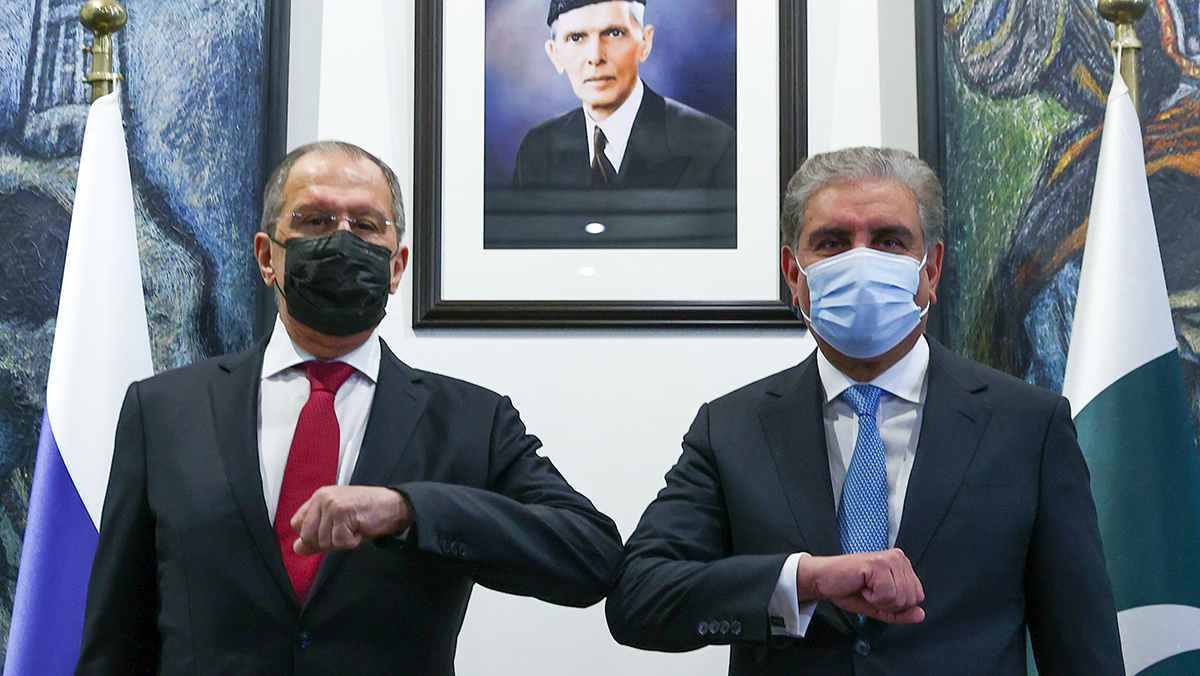
Since the Taliban seized control of Kabul on Aug. 15, Russia has expanded its engagement with India and Pakistan on Afghanistan. Russian President Vladimir Putin held talks with Indian Prime Minister Narendra Modi on Aug. 24, which resulted in the creation of a permanent bilateral channel for consultations on Afghanistan. On Sept. 8, Modi’s national security advisor, Ajit Doval, met with his Russian counterpart, Nikolay Patrushev, and agreed to expand Russia-India cooperation against terrorism and drug trafficking. On Aug. 25, Putin spoke with Pakistani Prime Minister Imran Khan about the situation in Afghanistan, which resulted in Khan inviting Putin to visit Pakistan. Russia’s simultaneous engagement with India and Pakistan on Afghanistan is the latest iteration of its balancing strategy toward the two South Asian rivals.
Rida “Lenin” Cheheb Mekki: The ideologue of Tunisia’s July 25 power grab?
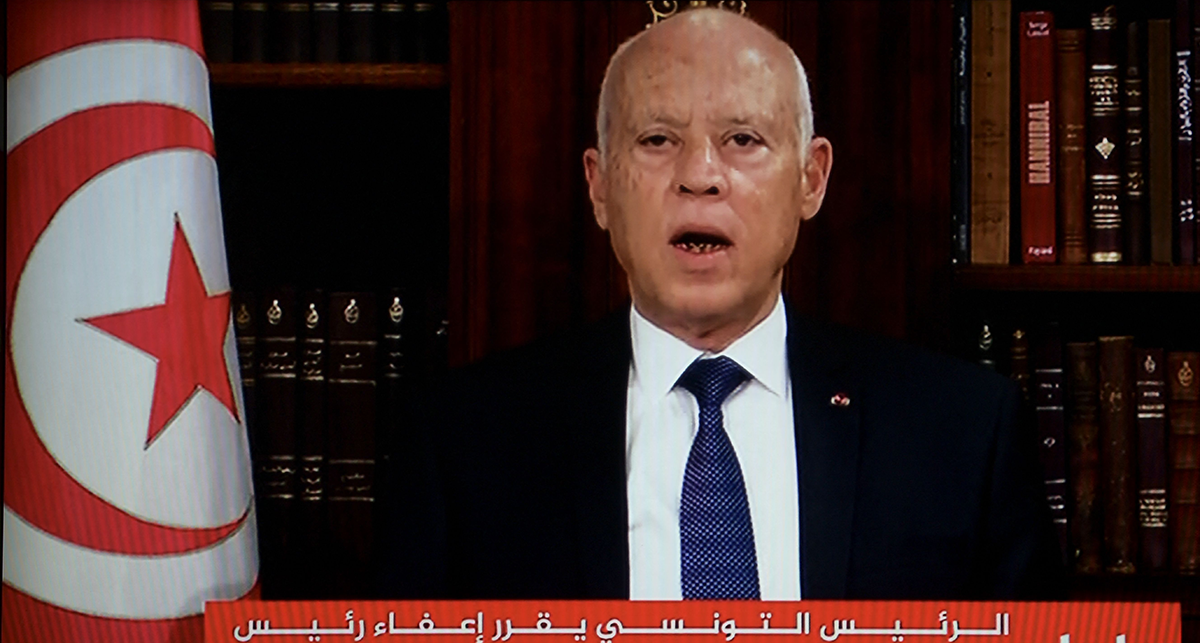
Tunisia’s July 25 hirak was in the making since 2011, but perhaps we researchers were simply looking in the wrong place. This article presents a simplified account of the ideological roots of President Kais Saied’s July 25 power grab. Drawing on original and previously unused data as well as diverse sources, including a book recently withdrawn from stores, it offers a snapshot of the concept-map of ideas that have thus far remained hidden from the public domain.
The legacy of 9/11 in the Middle East Peace Process
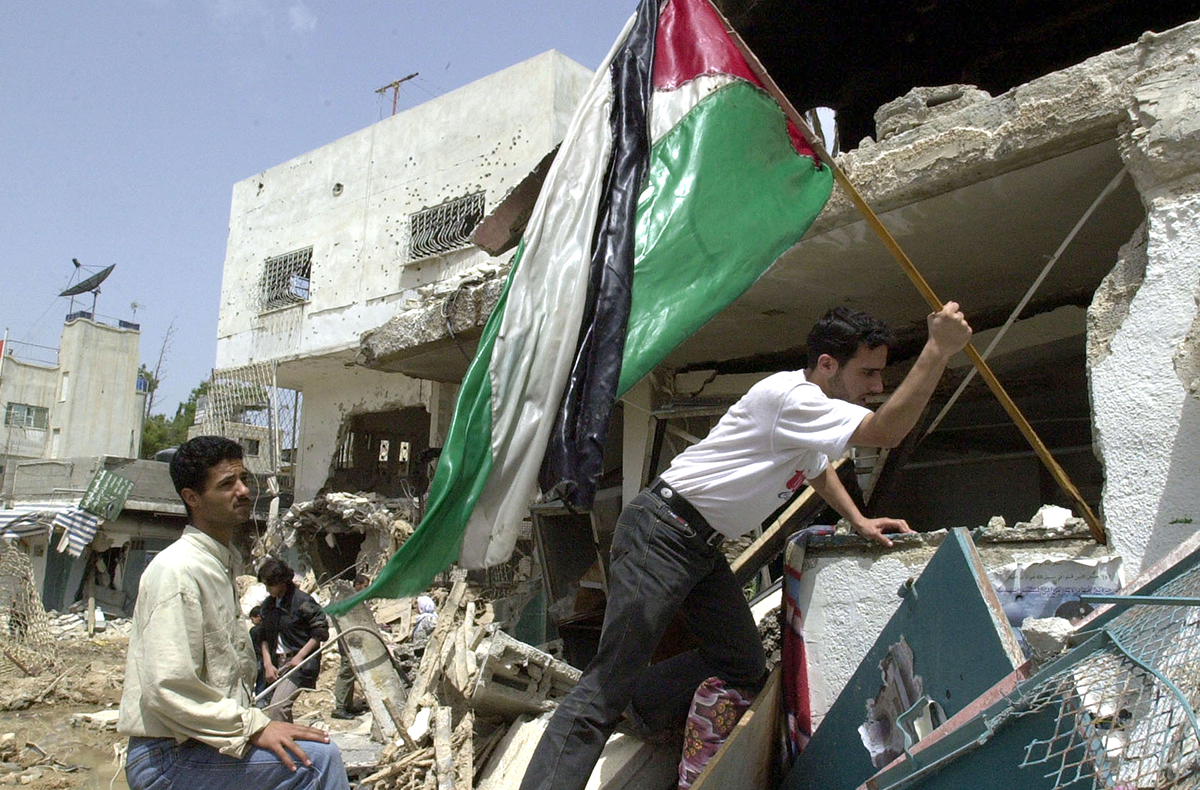
As we mark 20 years since the 9/11 terror attacks and the subsequent U.S. interventions in Afghanistan, Iraq, and other protracted elements of the ill-fated and ill-conceived “war on terror,” it is easy to overlook other disastrous legacies of U.S. policy in the post-9/11 era. This is particularly true in the case of the Israeli-Palestinian conflict, where Washington’s response to 9/11 effectively marked the beginning of the long, tortured death of the Middle East Peace Process, and with it hopes for a two-state solution.
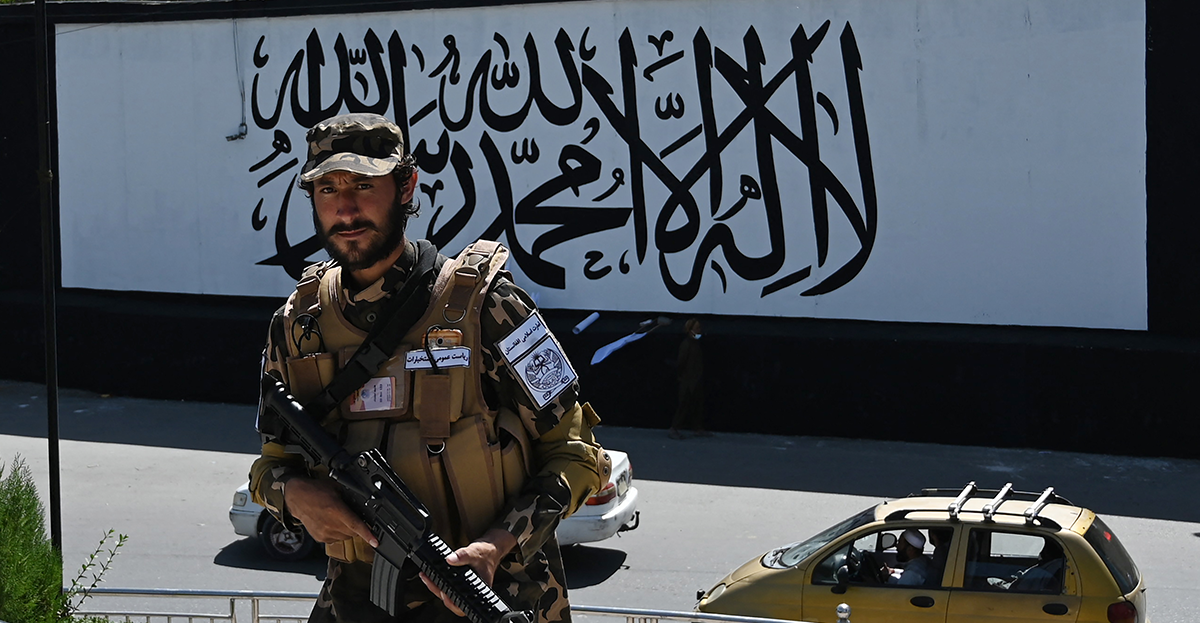
The selection of the interim Afghan government led by Mullah Hasan Akhund has the unmistakable stamp of Pakistan’s security establishment. Islamabad has always wanted the international community to believe that the Taliban are a nationalistic Pashtun force that has a legitimate claim to rule the country, but the manner in which the new government has been announced is a testament to the fact that the Taliban are also a proxy force for Pakistan
Maati Monjib and Rachid Aourraz join guest host Intissar Fakir to discuss the results of Morocco’s Sept. 8 general elections, their context and why they are important, and what they signal about political trends in the country moving forward.
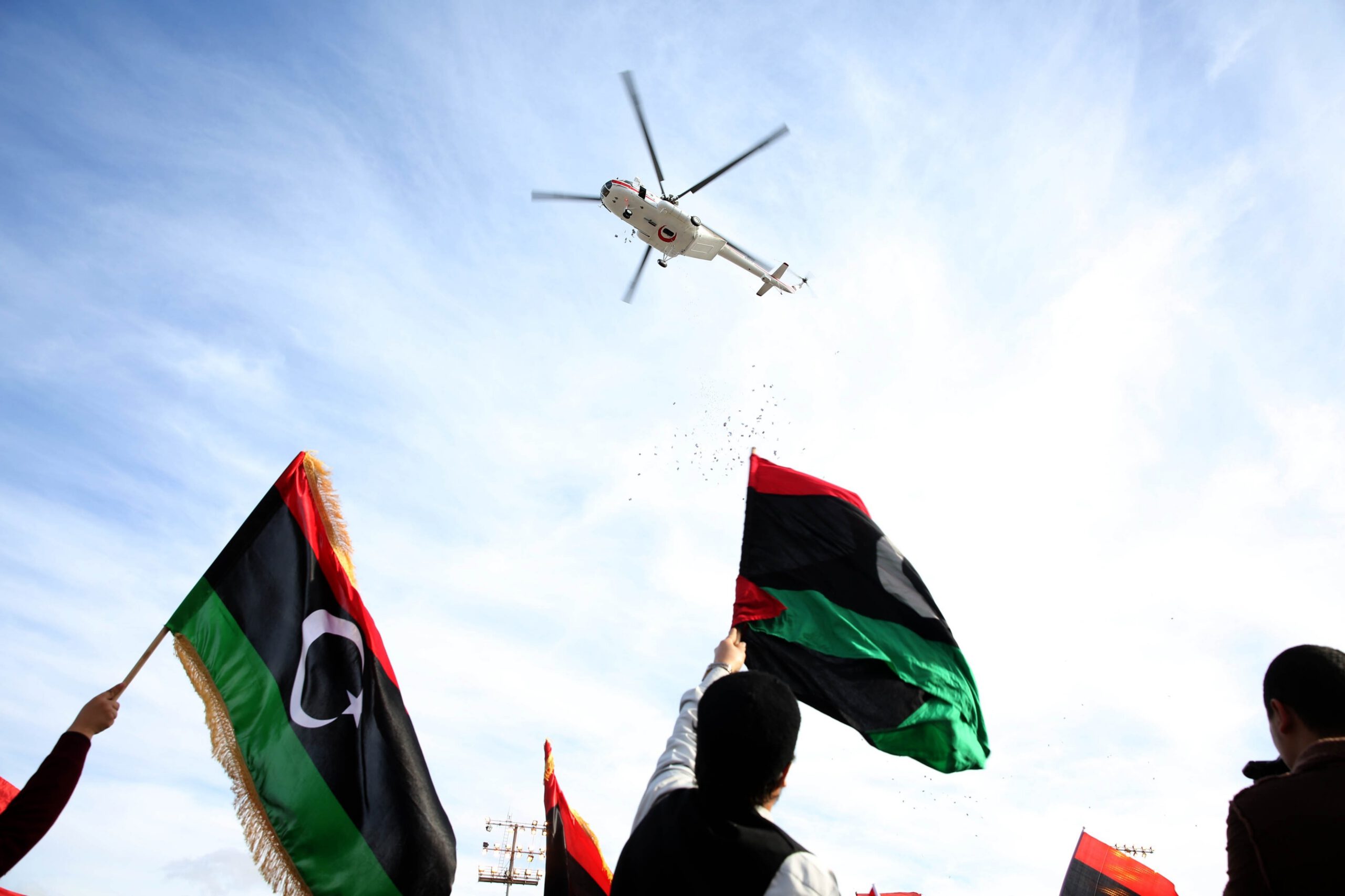
Ross Harrison, Paul Salem, and Randa Slim join host Alistair Taylor to reflect on 9/11’s impact on US policy in the Middle East over the past 20 years and how its legacy has been viewed by the region.