This individual is a guest contributor. MEI is not able to assist with contact requests.
Ragui Assaad is Professor at the Humphrey Institute of Public Affairs at the University of Minnesota. He has written extensively on labor market and youth issues in the Middle East and North Africa. The author acknowledges the able research assistance of Stefan Johansson in the preparation of this essay.
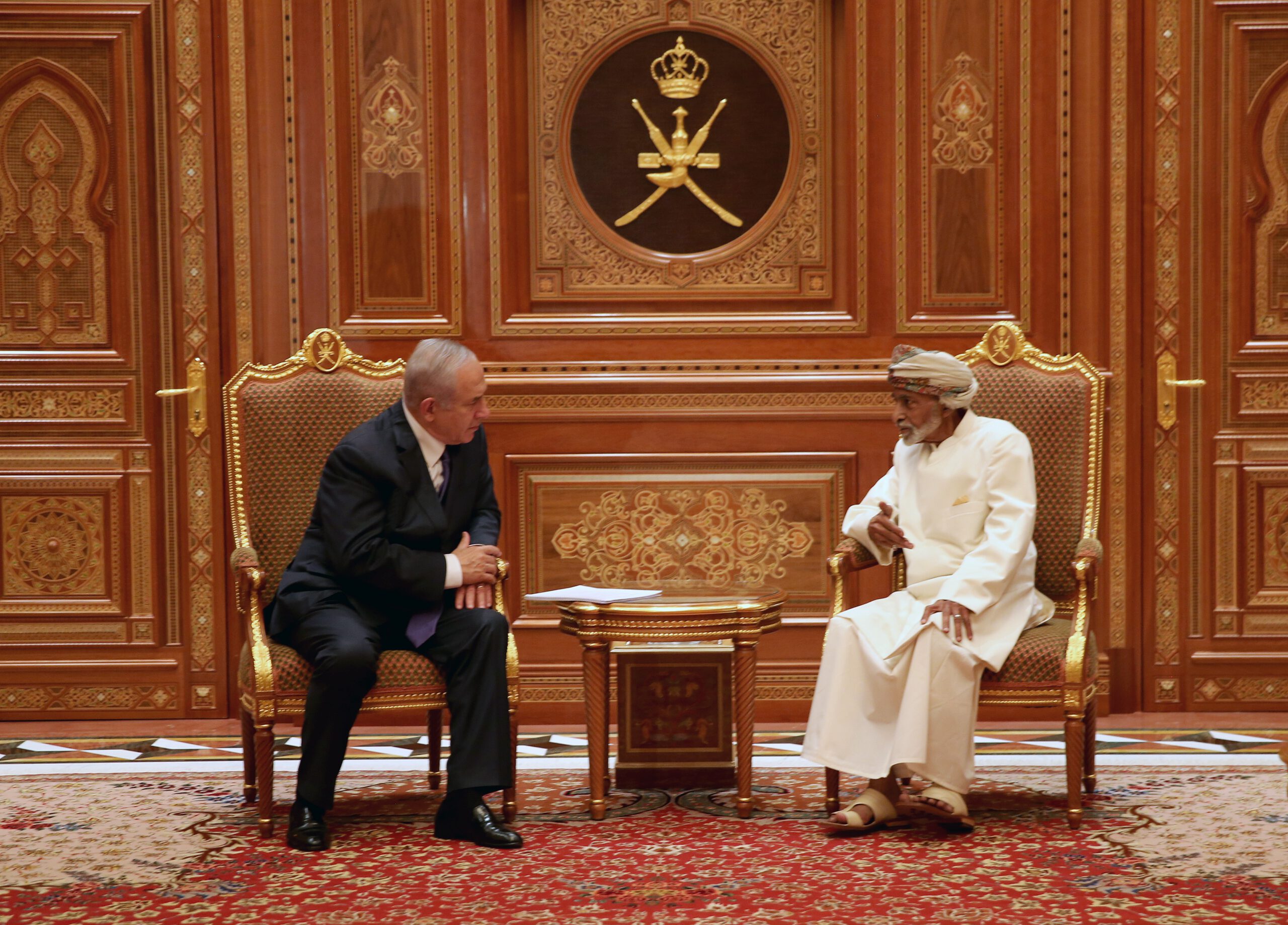
Oman and Israel: The emergence of a new strategic partnership
Although Oman has long been a regional mediator with ties to competing powers, it will need to maintain a delicate balancing act between its new strategic partnership with the Israelis and established relations with the Palestinians.
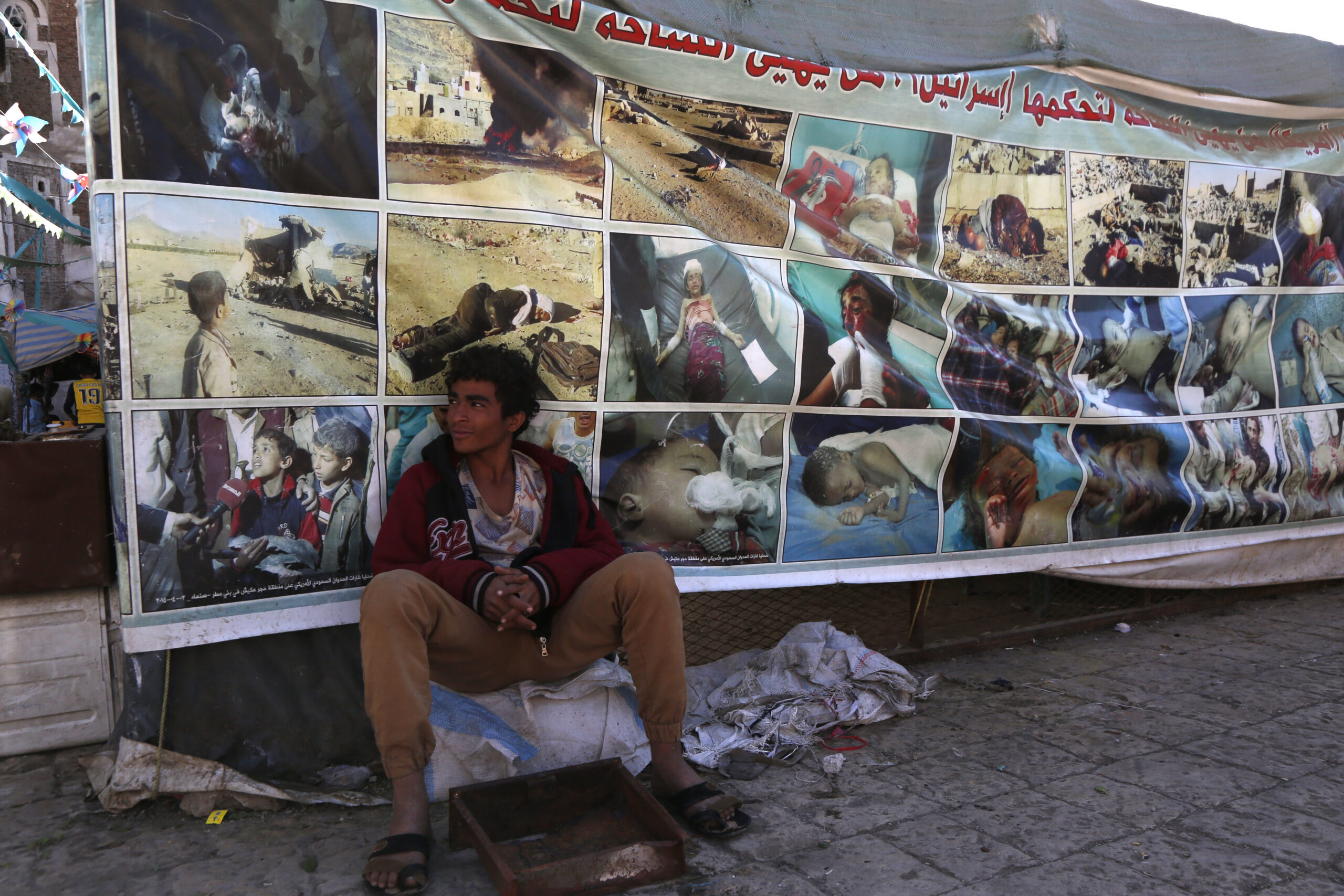
Restoring security and stability in Yemen is going to be a long-term process. Successful peace negotiations — including a ceasefire and confidence-building measures — can only be a first step toward that broader objective.
Giorgio Cafiero, CEO and founder of Gulf State Analytics, and F. Gregory Gause, head of the Department of International Affairs at Texas A&M University, join host Jerry Feierstein to discuss the state of GCC relations amid the Qatar dispute and other crises heading into the next GCC Summit.
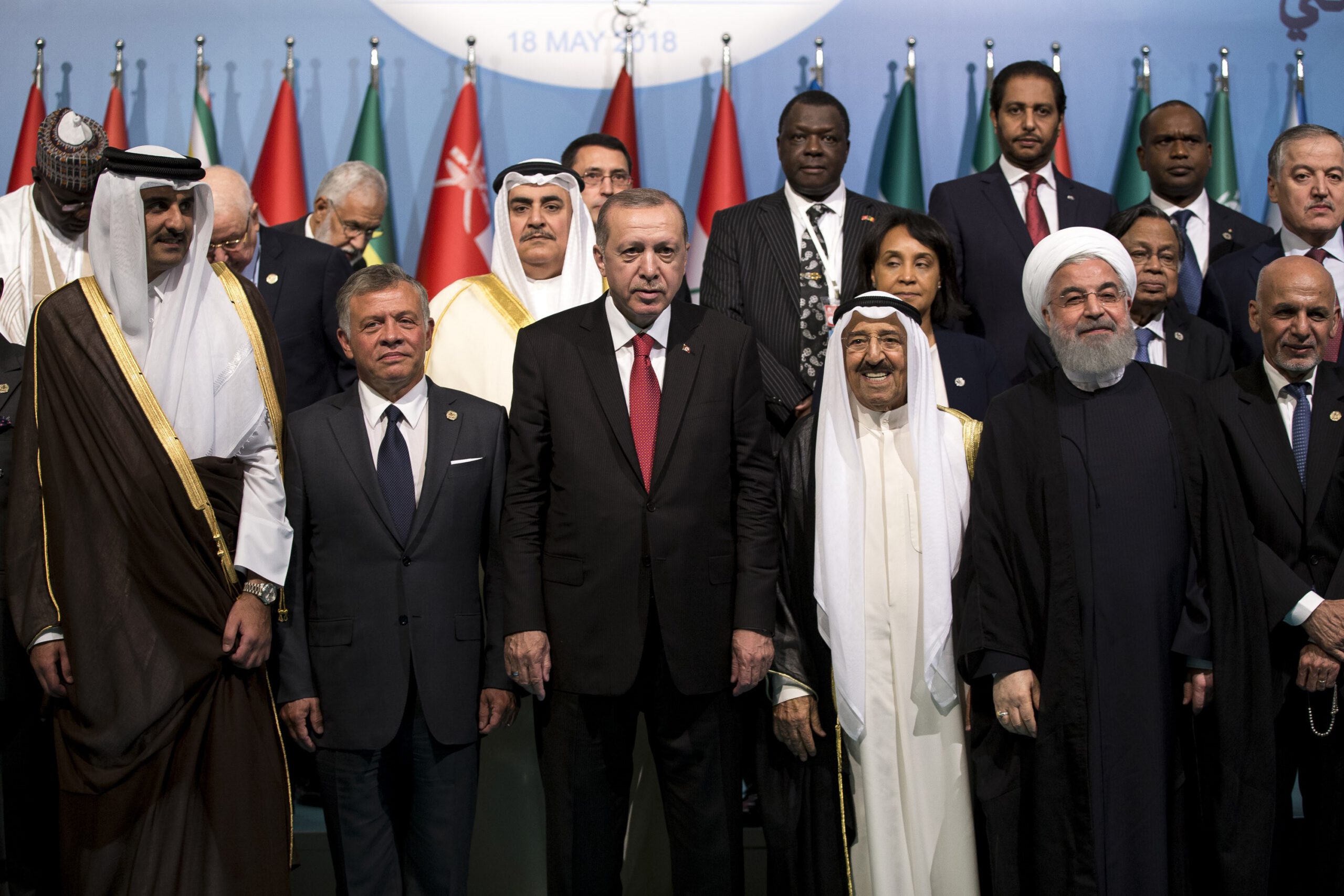
The GCC Riyadh summit: Beginning of the end of the Qatar crisis?
The upcoming GCC summit in Saudi Arabia offers an opportunity to bring the opposing sides to the table, but it is far from clear what will come out of the meeting
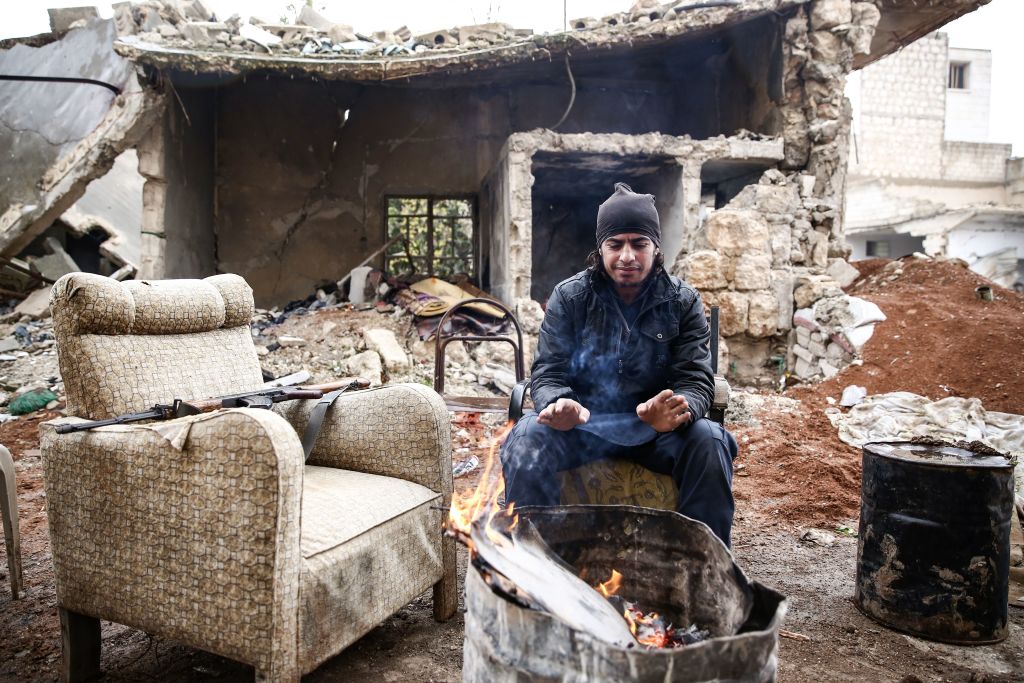
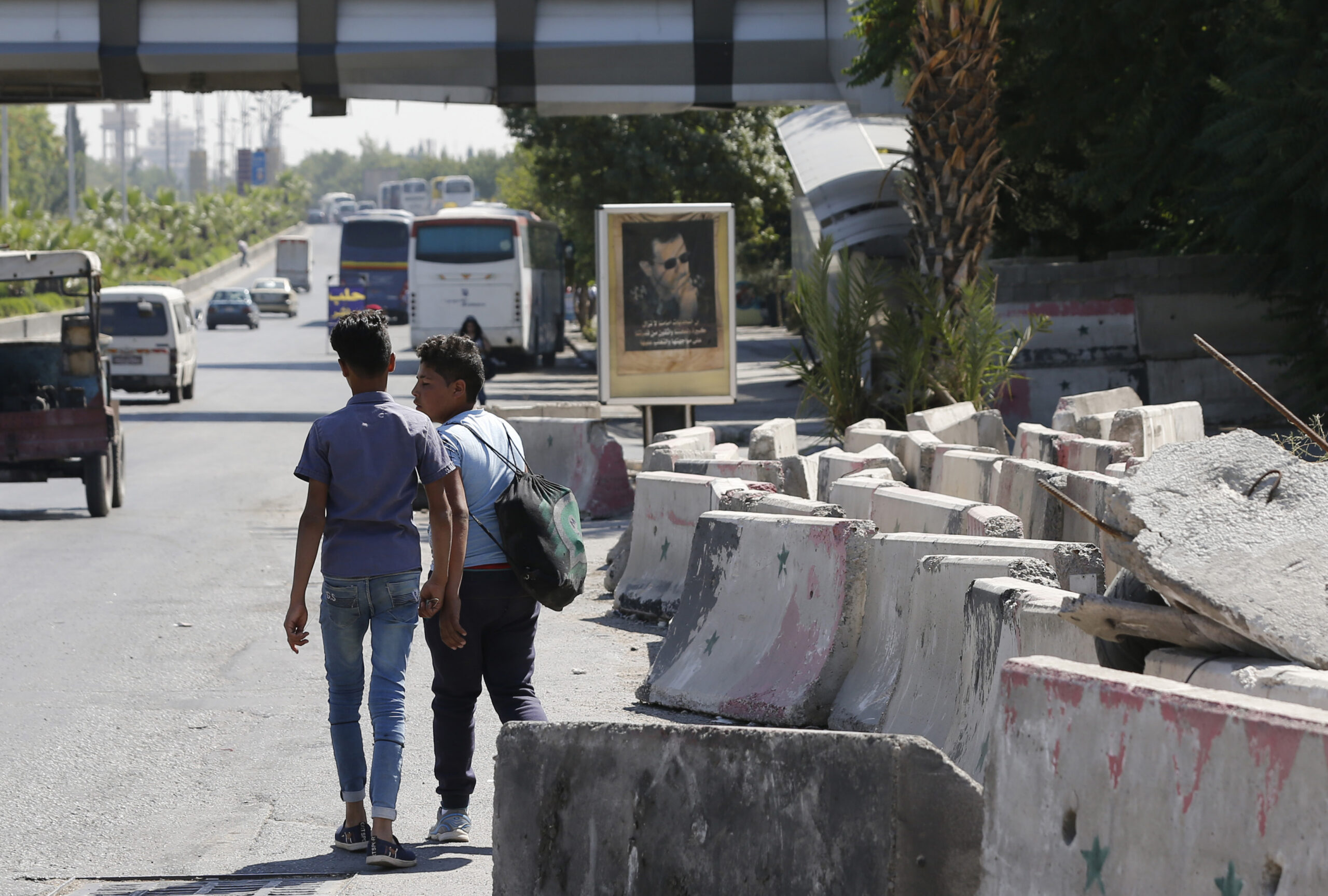
As fighting gives way to governing, Syria faces new challenges
As the Syrian government begins to shift its focus to postwar governance, it faces unexpected new challenges and growing criticism from citizens voicing their frustration through social media and other channels.
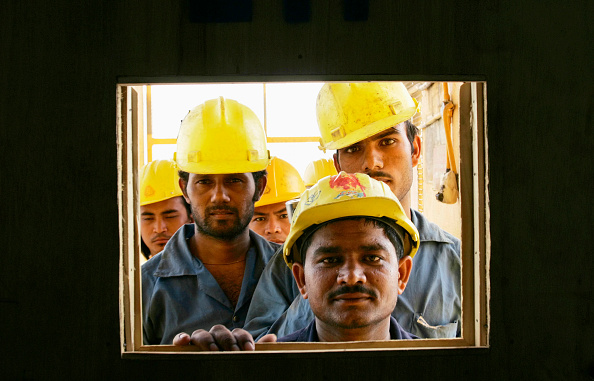
Getting Qatar Ready For 2022: Reforms in Labor Immigration Policy and India’s Options
The estimated 650,000-700,000 Indian migrant workers in Qatar constitute the latter’s largest expatriate community and nearly double the number of native Qataris. Their positive contribution to the progress and development of their host country is well recognized. In recent years, however, Qatar’s handling of the rights and protections of migrant workers, a large portion of whom are unskilled Indian laborers employed in the construction sector in preparation for hosting the 2022 FIFA World Cup has received a great deal of international media scrutiny and criticism. This article discusses the strides that Qatar has made in addressing these concerns and the steps India could undertake to spur further progress in ensuring that its migrant workers’ rights are protected.
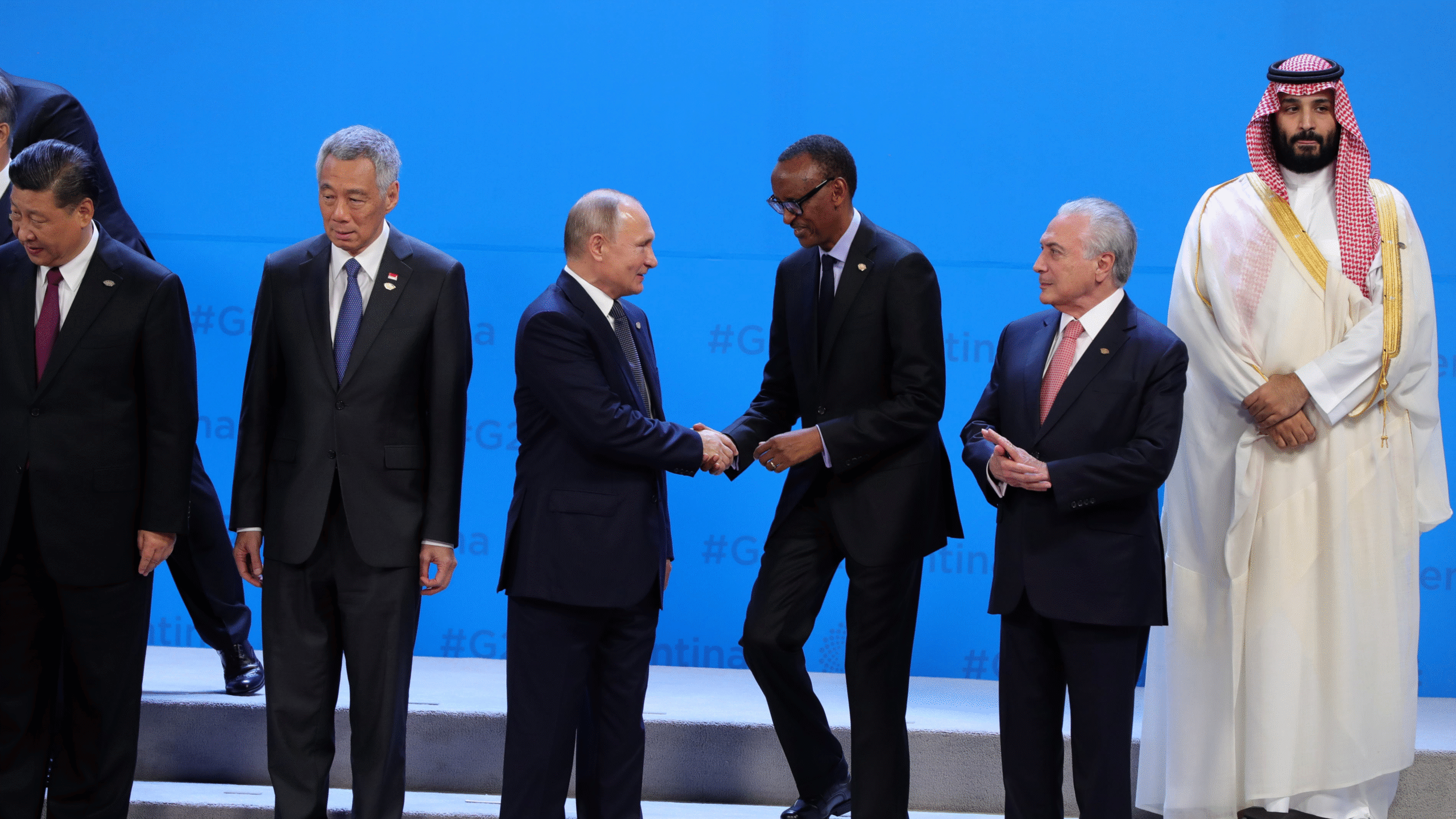
Monday Briefing: Optics and geo-economics at the G20
In this week’s Monday Briefing, MEI experts discuss recent and upcoming events including MBS’ lukewarm reception at the G20 summit, plans for a UN-hosted Western Sahara roundtable, and Qatar’s decision to leave OPEC.
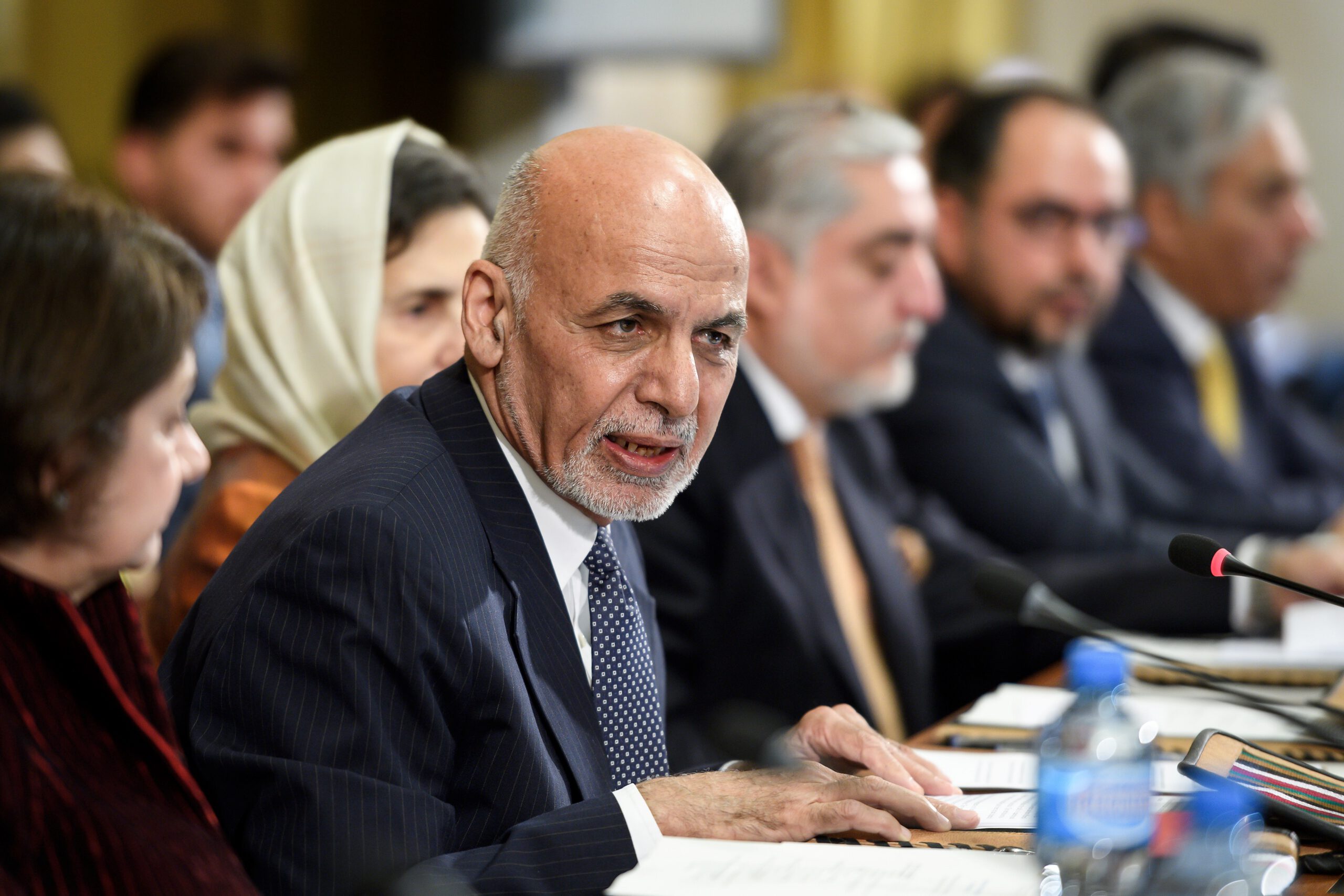
Geneva conference lays out challenges in Afghanistan
Held on Nov. 27-28, the two-day Geneva conference on Afghanistan voiced both challenges and prospects for Afghanistan’s economic and political stability.
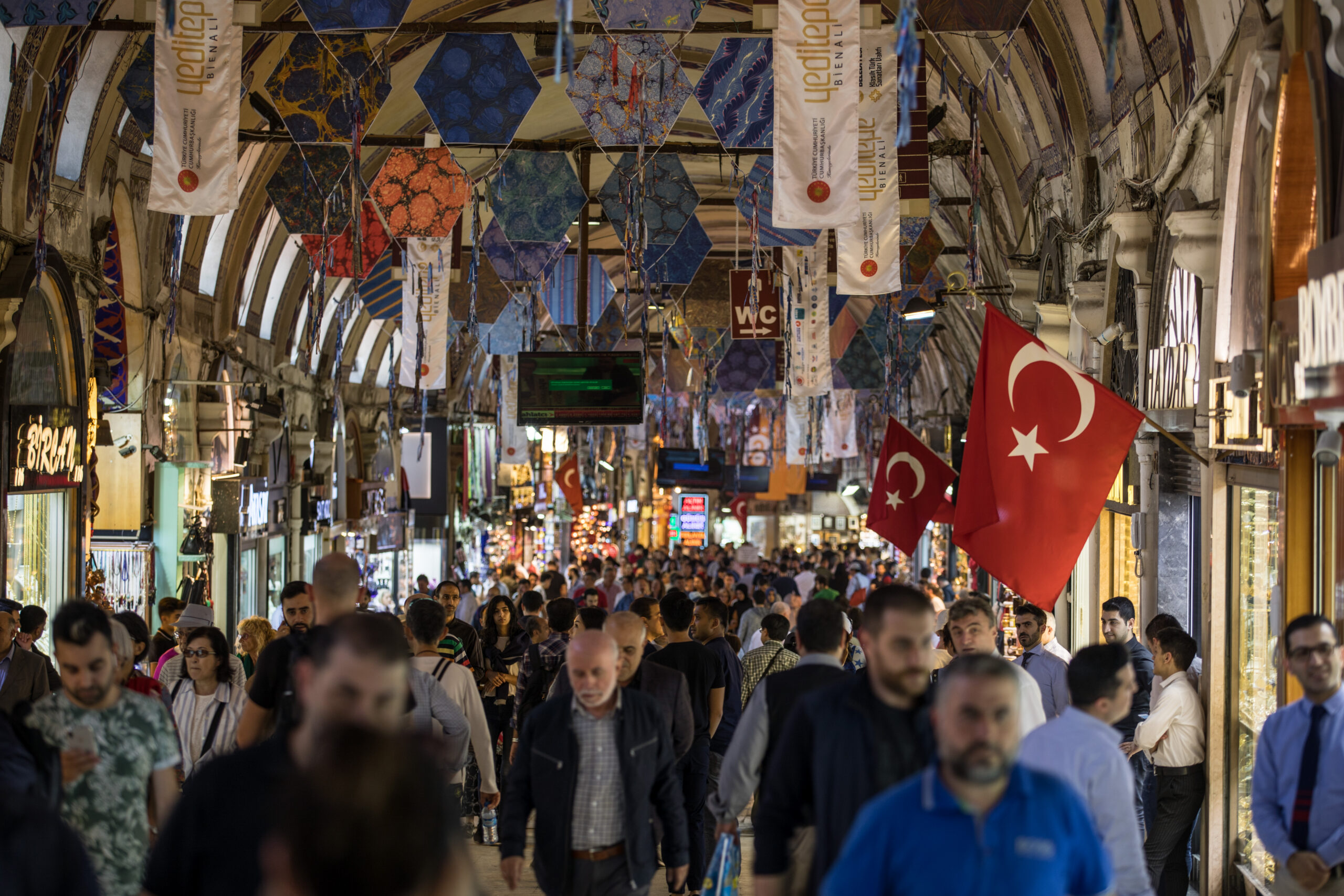
Max Hoffman, associate director of national security and international policy at the Center for American Progress, and MEI’s Gonul Tol join host Alistair Taylor to discuss the social, political, and foreign policy issues Turkey has been grappling with in recent years.
From “hard power” to “soft power” and back again: Turkish foreign policy in the Middle East
Turkey’s foreign policy has come full circle in the last few years, from a “soft power” and regional exemplar to a “hard power” pursuing a muscular stance sustained by military engagements.
Even if negotiating with Trump is impossible—and Iran’s Supreme Leader Ali Khamenei has said it is—the leadership in Tehran can still look at his presidency as an opportunity to prepare the ground to talk to his successor.
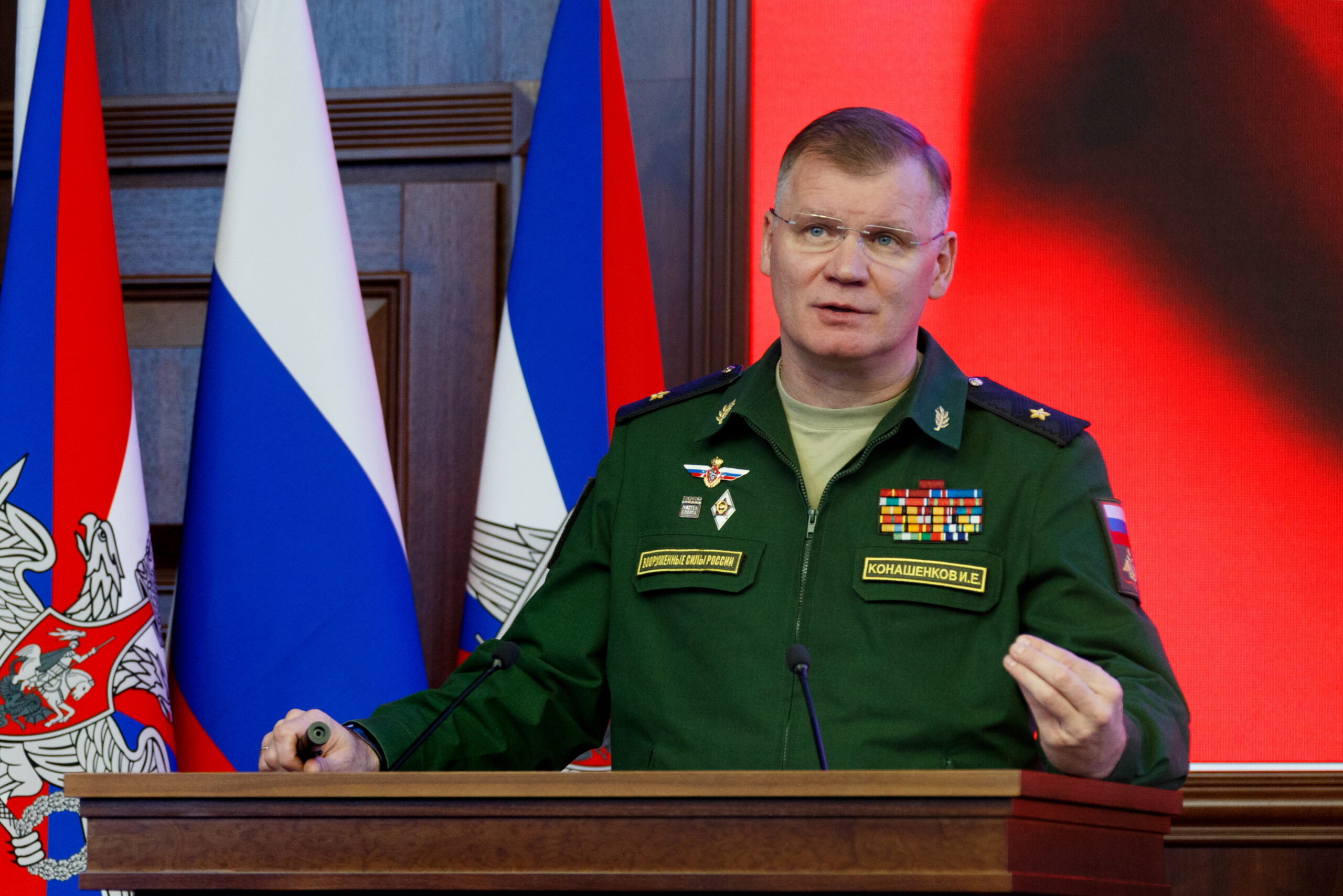
Moscow faces new challenges in Idlib "de-escalation zone"
“De-escalation” zones have been a key part of Russia’s policy in Syria over the past 18 months, but the situation in Idlib, the fourth and final zone, has proven a much greater challenge than the others.
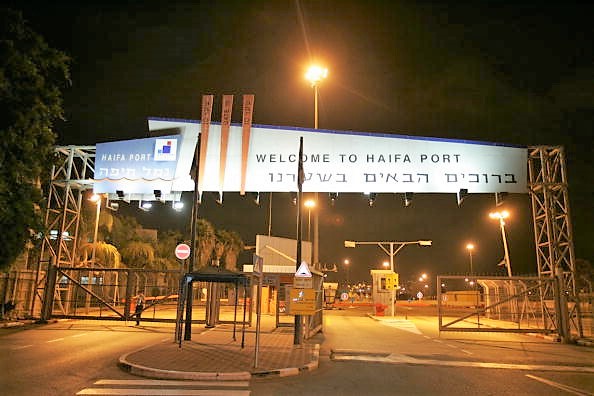
The Israel-China-U.S. Triangle and the Haifa Port Project
This essay discusses the Shanghai International Port Group (SIPG) contract to operate the northern port in Haifa in terms of Israel’s relations with China and the United States. The author urges greater caution by Israeli policy-makers and the public and closer cooperation between Israel and the U.S. in managing the risks associated with Chinese investment and commercial activities in critical sectors of the Israeli economy.