This individual is a guest contributor. MEI is not able to assist with contact requests.
Ragui Assaad is Professor at the Humphrey Institute of Public Affairs at the University of Minnesota. He has written extensively on labor market and youth issues in the Middle East and North Africa. The author acknowledges the able research assistance of Stefan Johansson in the preparation of this essay.
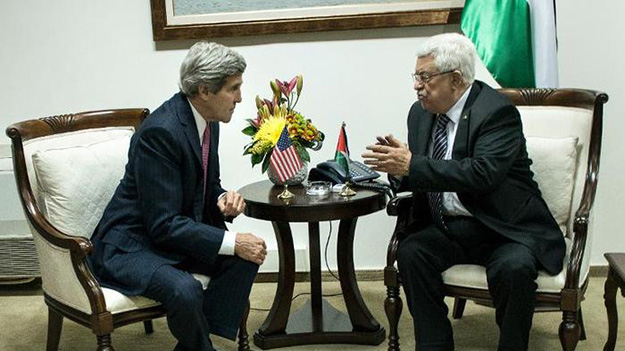
Kerry’s Proposed “Framework” Offers Way Forward for Israel/Palestine
John Kerry’s extraordinary efforts to make peace between Israel and Palestine through six months of bilateral talks have produced no significant results. Kerry, determined to succeed, is turning to a “framework” that would create a new basis for continued negotiations. The framework has not yet been released. But if it is a clear outline of an American plan for peace, not just a collection of ideas that avoids laying out U.S. positions, it could be a game changer.
Turkey and the Kurds: From Predicament to Opportunity
This report was co-authored by Ömer Taşpınar and was published by the Center on the United States and Europe at the Brookings Institution on Jan. 22, 2014. Click here to download the full report as a PDF.
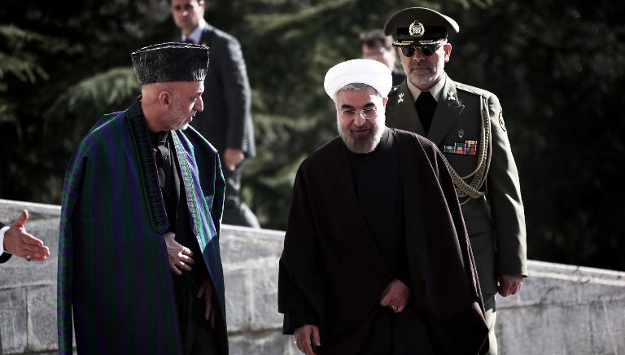
As President Obama met his top Afghanistan commanders in the Oval Office on February 4 to discuss his decision to reduce the U.S. military presence in Afghanistan, he received a compliment from an unlikely source. Ali Akbar Velayati, the top foreign policy aid to Iran’s Supreme Leader, Ayatollah Khamenei, called Obama’s Afghan withdrawal policy “wise.”
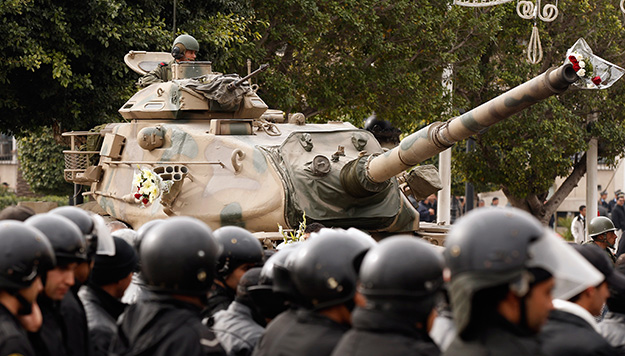
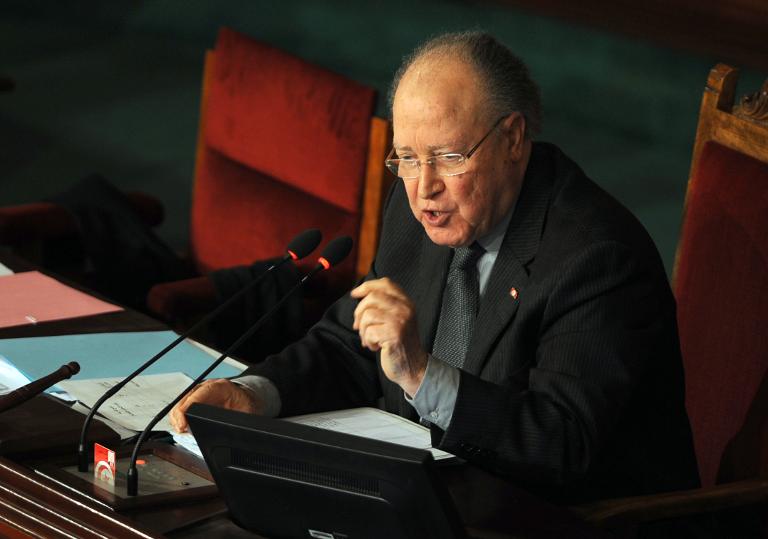
January 27, 2014 will likely be engraved in the collective memory of the Tunisian people as the day they witnessed the adoption of their first post-authoritarian constitution—a charter that will hopefully pave the way for the country’s democratization. This legal framework was ratified by members of the Tunisian National Constituent Assembly (NCA) in a celebratory atmosphere.
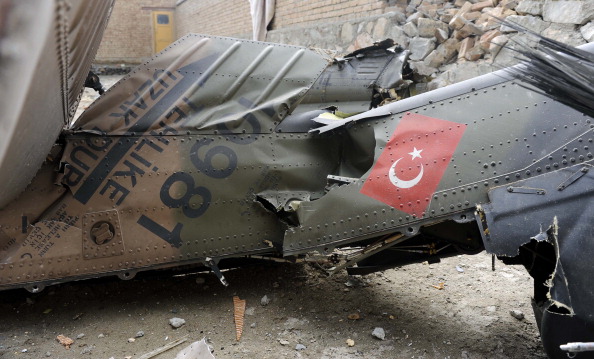
The recent attacks against Egypt’s police and military have raised concerns over the return of the militant insurgency that plagued Egypt during the 1980s and 1990s. Ansar Bayt al-Maqdis (ABM), a Sinai-based militant group, has repeatedly and publicly claimed responsibility for the cascade of bombings.
Osama bin Laden may be dead, but his ghost was in Riyadh the other day, hovering over Saudi Arabia’s King Abdullah as he issued a decree making it a crime for any Saudi citizen to take part in a war outside the kingdom.
The obvious motivator was the civil war in Syria, where hundreds of young Saudis have been spotted in the ranks of the most radical jihadi groups battling both the government and other less extreme rebels. But the roots of the king’s action, and the problem it was designed to address, can be traced to the 1980s war against the Soviet occupation of Afghanistan.
The Rise and Fall of Transitional Justice in Taiwan
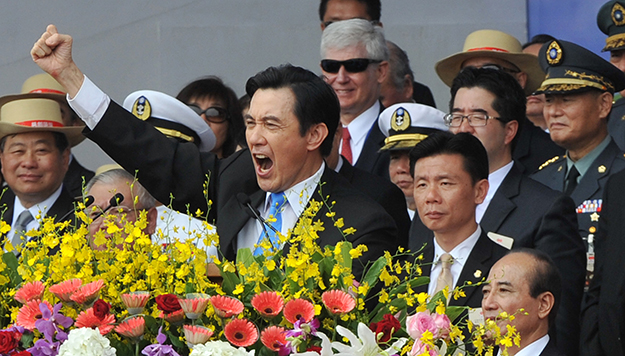
Authoritarian rule in Taiwan ended peacefully in the late 1980s. Since then, state institutions and private organizations have repeatedly attempted to address the atrocities committed during authoritarianism (1945-1987). This essay explores the various factors that have determined transitional justice in Taiwan over the last two decades. It demonstrates that post-authoritarian Taiwan has experienced three distinct periods: first, limited apology and compensation (1988-2000); second, attempts at transitional justice that ended in failure (2000-2008); and third, a reversal of all transitional justice mechanisms and a relapse to the past (2008-present). These changes are due in significant part to indigenous conflicts in Taiwan that have not been resolved, but also to global economic and political events that have drastically reduced the focus on democratic governance and accountability.
The situation in Egypt has been very complicated, with the democratic process and path toward transitional justice shifting under four different ruling systems—Mubarak, SCAF, the Muslim Brotherhood, and the interim ruling authorities—over a short period of time. All four systems committed abuses against the people, leaving victims and cases to be investigated. The combination of sharp divisions within society, disagreements about transitional justice itself, and delayed government responses to people’s demands has made the situation particularly charged.
Libya's Political Isolation Law: Politics and Justice or the Politics of Justice?
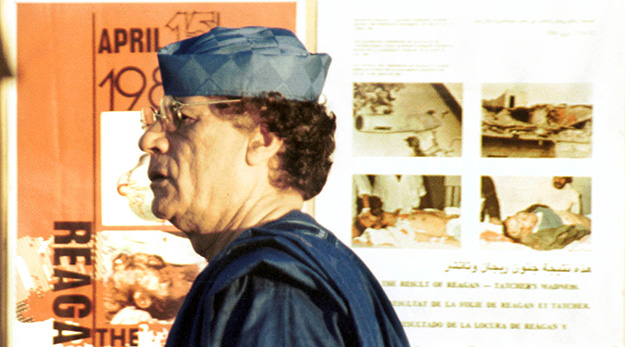
In May 2013, Libya’s General National Congress (GNC) overwhelmingly passed the Political Isolation Law (PIL). The PIL’s enactment represented a far-reaching attempt to prevent members of the regime of Muammar Qaddafi from holding public office during the country’s transition. But the decision also appeared to fit a precarious pattern of post-conflict accountability in Libya, which has been characterized by acts of vengeance and one-sided justice aimed at anyone associated with the defeated regime. The passage of the law also reflects the current state of political instability in Libya wherein decisions are politically motivated and often forced at the barrel of the gun rather than agreed upon through public consultation and democratic decision-making.