The once powerful Iranian reformist parties are today on the political margins. While they continue to enjoy significant support from voters at election times – which was last evident in the 2016 parliamentary elections when reformists secured about 41% of the vote – the public no longer seems to believe reformists can instill serious reform in Iran. In particular, the Iranian youth of today, which used to be the bedrock of support for reformists, is noticeably disillusioned with the political process in the country. The situation is glaring and the most senior reformist figure in the parliament, Mohammad Reza Aref, has openly admitted to the challenges facing his faction.
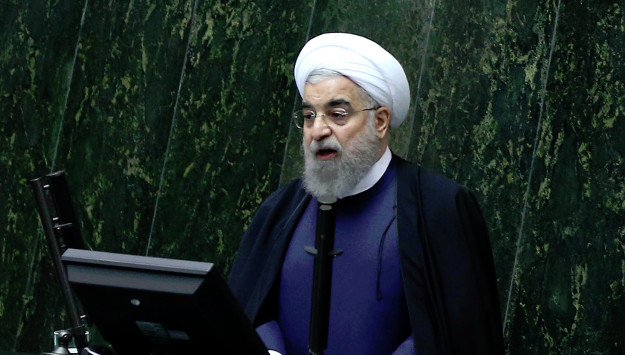
Hinting at disarray in the ranks of reformists, Aref indicated that there might be competing reformist candidates for the May 2017 presidential elections. Meanwhile, as Aref put it, the key challenge for reformist is to appeal to the youth if they want to remain politically relevant. In the 2013 elections, Aref and reformists in general backed the candidacy of Hassan Rouhani, a moderate who nonetheless has never publicly assumed a reformist mantle. And while in office, Rouhani has done little to advance basic policy preferences of the mainstream reformists such as the release of political prisoners or a less restrictions on press freedoms. This is why some reformists evidently have little desire to back Rouhani in his re-election bid.
The Middle East Institute (MEI) is an independent, non-partisan, not-for-profit, educational organization. It does not engage in advocacy and its scholars’ opinions are their own. MEI welcomes financial donations, but retains sole editorial control over its work and its publications reflect only the authors’ views. For a listing of MEI donors, please click here.