This text has been translated by AI and may contain errors.
Skip to Content

Afghanistan-Pakistan

Countries

The Mecca Joint Défense Agreement: A New Geometry of Middle Eastern Power?
  • Analysis
  • The Mecca Joint Défense Agreement: A New Geometry of Middle Eastern Power?

    On August 7, 2026, Saudi Arabia, Turkey, and Pakistan signed the Mecca Joint Défense Agreement, a collective-defense pact widely compared to NATO’s Article 5. This essay argues that the comparison is misleading. Mecca borrows NATO’s language of solidarity without yet possessing NATO’s institutional machinery, and the Houthi offensive against Saudi Arabia in September 2026 provided an early and revealing test of what the agreement actually means in practice. Neither Pakistan nor Turkey automatically entered the fight on Saudi Arabia’s behalf, and Washington, despite an initial reluctance to strike directly, remained indispensable through intelligence support and a major proposed F-35 sale. Drawing on realist alliance theory — Hans Morgenthau, Kenneth Waltz, Stephen Walt, Glenn Snyder, and Steven David — and on the precedent of the Central Treaty Organization (CENTO), the essay contends that the Middle East is not dividing into rival blocs but moving from hierarchy toward a looser, overlapping geometry of hedged partnerships, in which American exclusivity is eroding considerably faster than American primacy.

    The Mecca Alliance Meets the Red Sea – Saudi Arabia’s New Defense Pact Faces Its First Major Test
  • Commentary
  • The Mecca Alliance Meets the Red Sea – Saudi Arabia’s New Defense Pact Faces Its First Major Test

    When Saudi Arabia, Turkey and Pakistan agreed to a mutual defense pact in August, it was principally seen as a political commitment. The “Mecca alliance,” as it was dubbed, stipulated that an armed attack on one would be treated as an attack on all three, accompanied by deeper military cooperation.

    The Case for a Middle Course in Afghanistan
  • Commentary
  • The Case for a Middle Course in Afghanistan

    I was a teenage Afghan refugee in Pakistan’s tribal areas when the Twin Towers fell. Almost nobody around us understood the politics of what had happened, but we knew that something had changed for good. Afghanistan, which until then had been our private tragedy and our first exile from Taliban rule, had suddenly become the world’s concern, with the United States leading the response.

    The Latest

    Filter by
    1194 Results
    The Taliban’s two-track strategy
    Photo by Wali Sabawoon/NurPhoto via Getty Images
  • Commentary
  • The Taliban’s two-track strategy

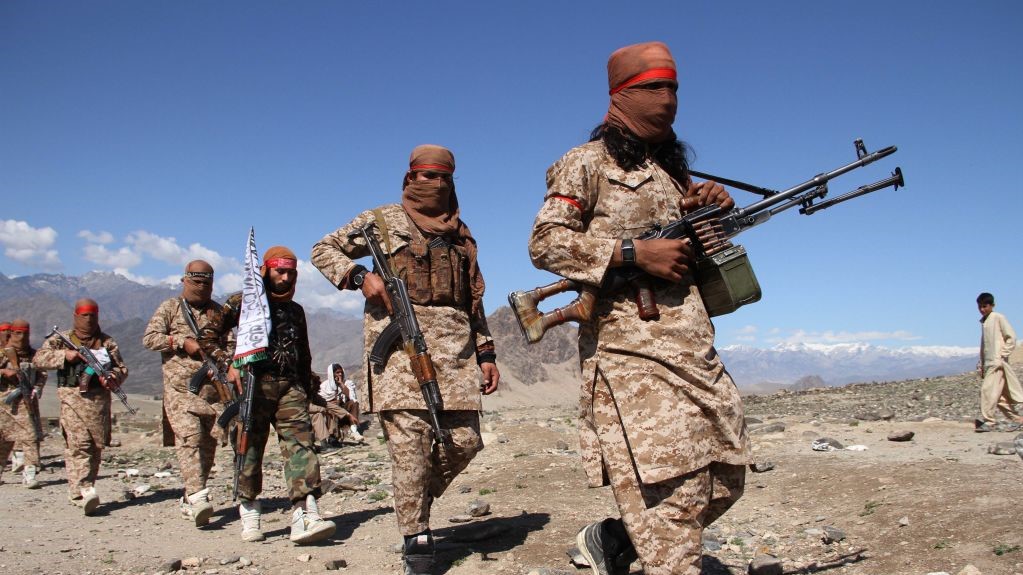
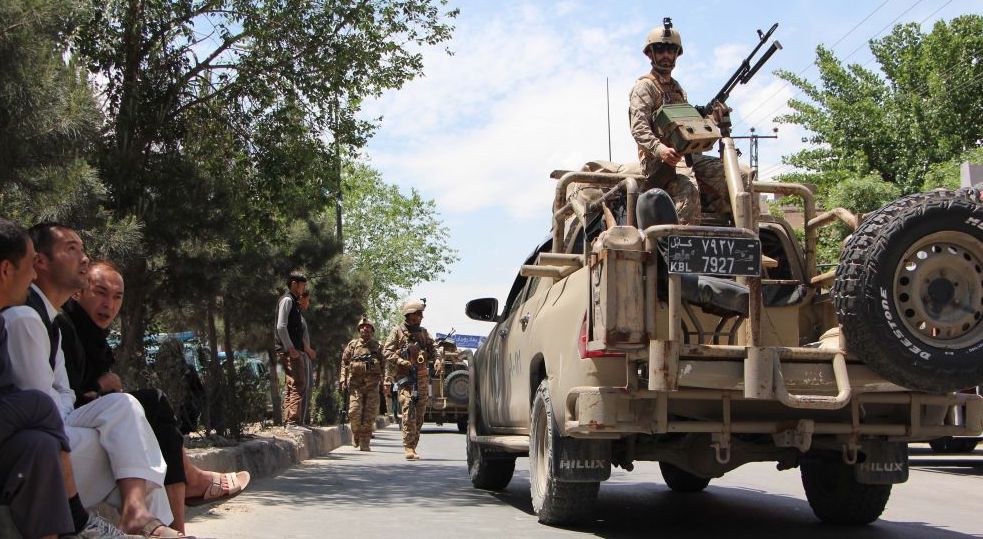
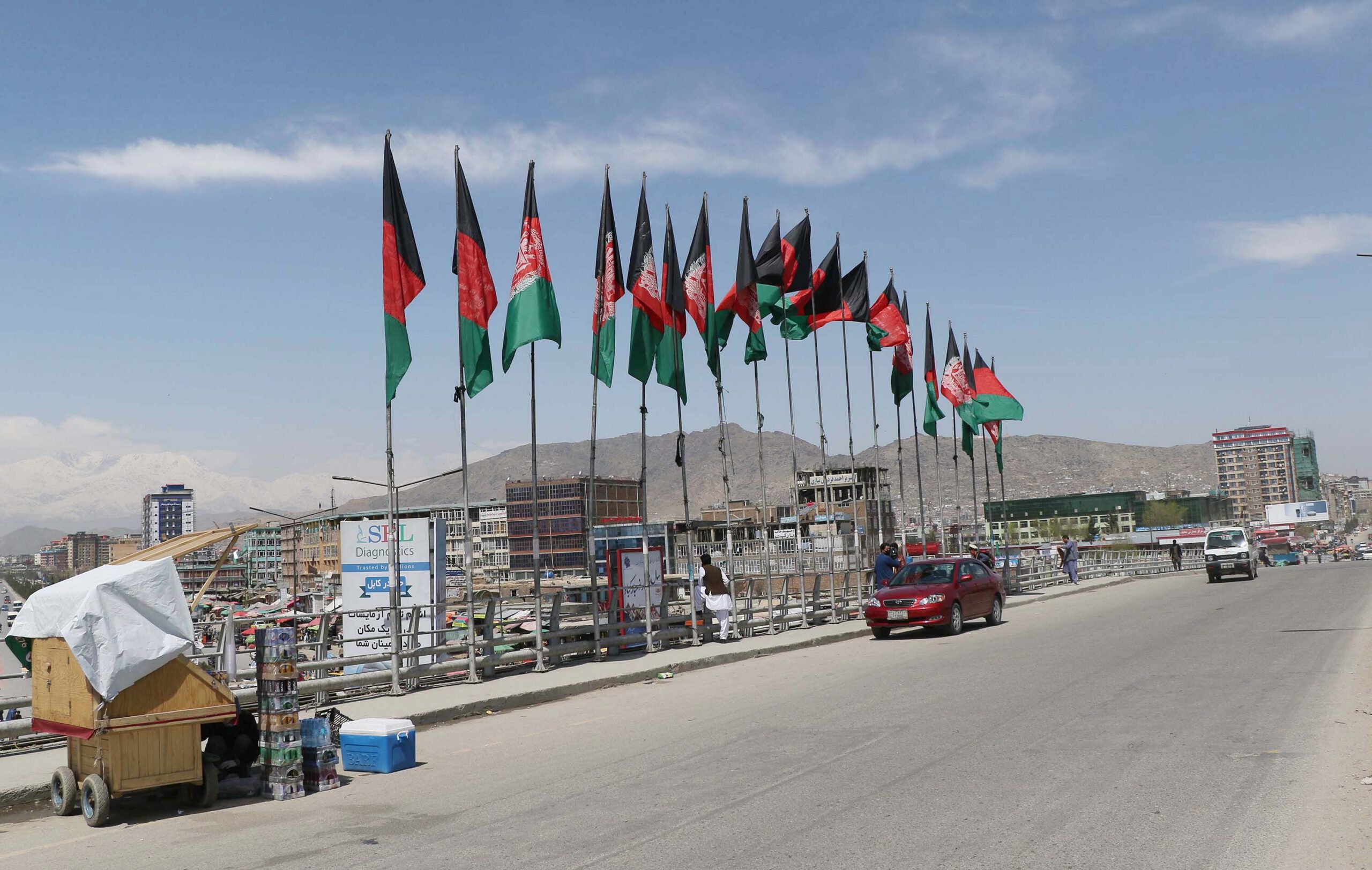
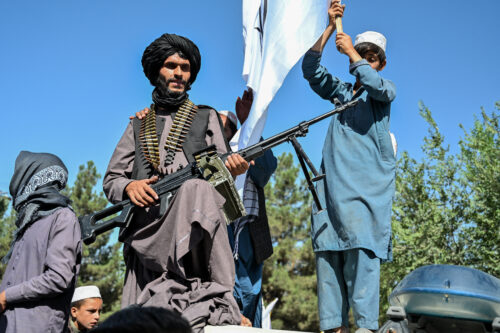
    The Taliban’s military and diplomatic strategies are intended to work in tandem, one leveraging the other. Each has as its ultimate goal the Taliban’s recovery of an emirate lost in 2001.

    Uncertainty plagues Afghanistan
    Photo by WAKIL KOHSAR/AFP via Getty Images
  • Commentary
  • Uncertainty plagues Afghanistan

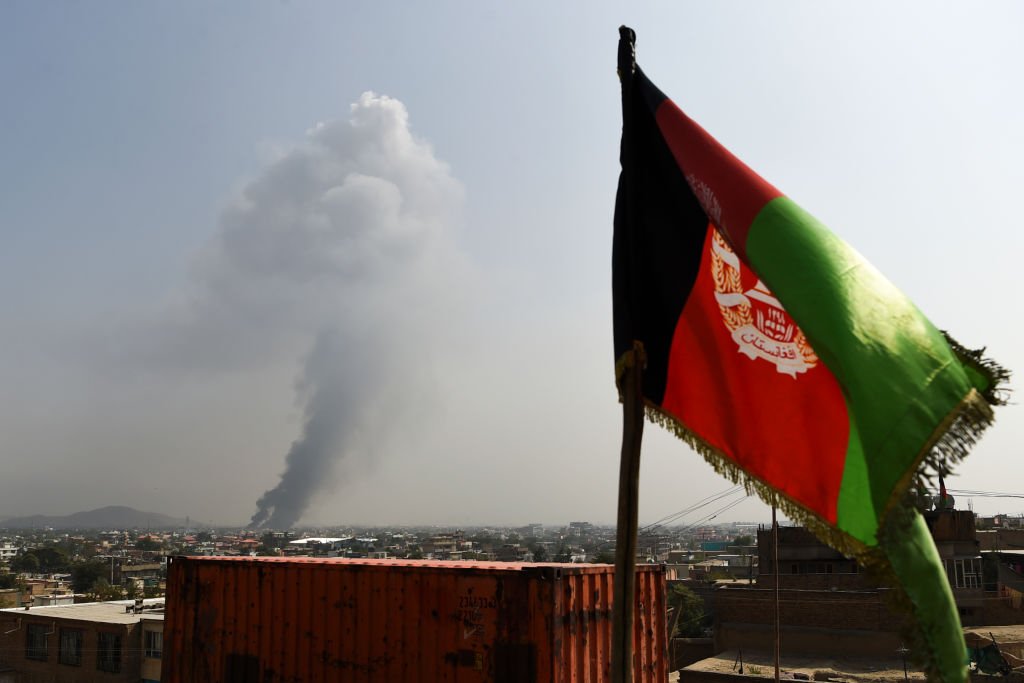
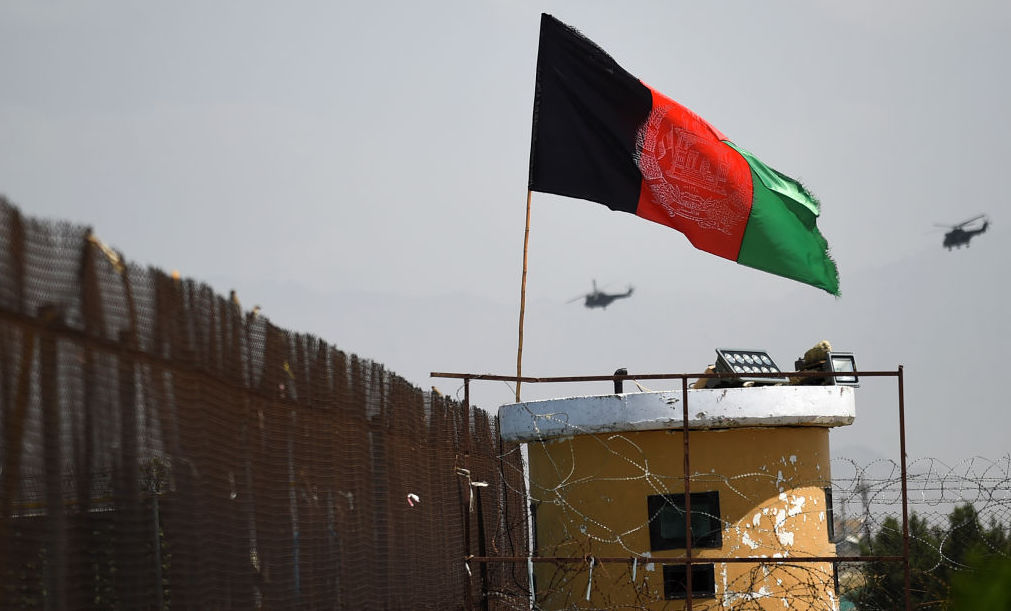
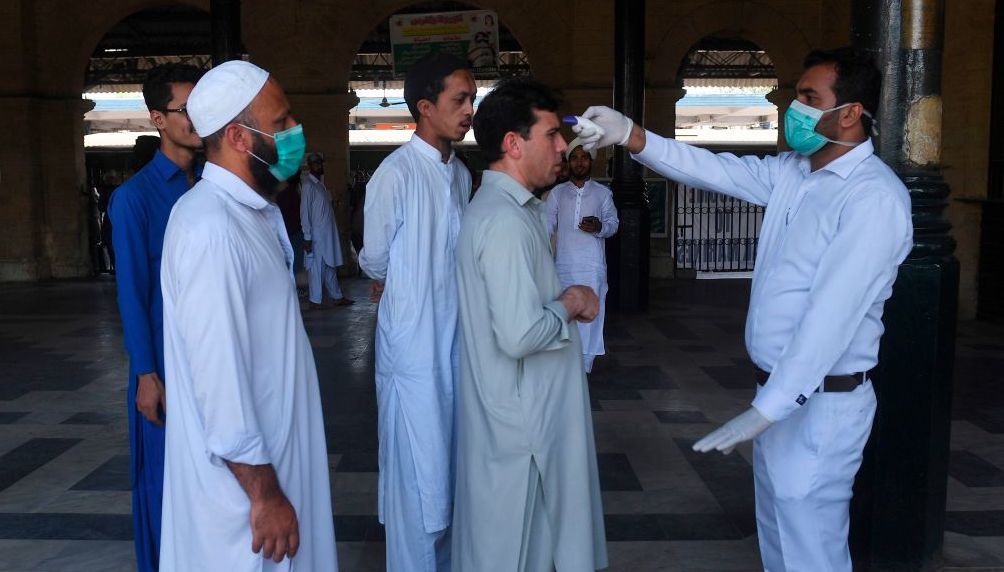
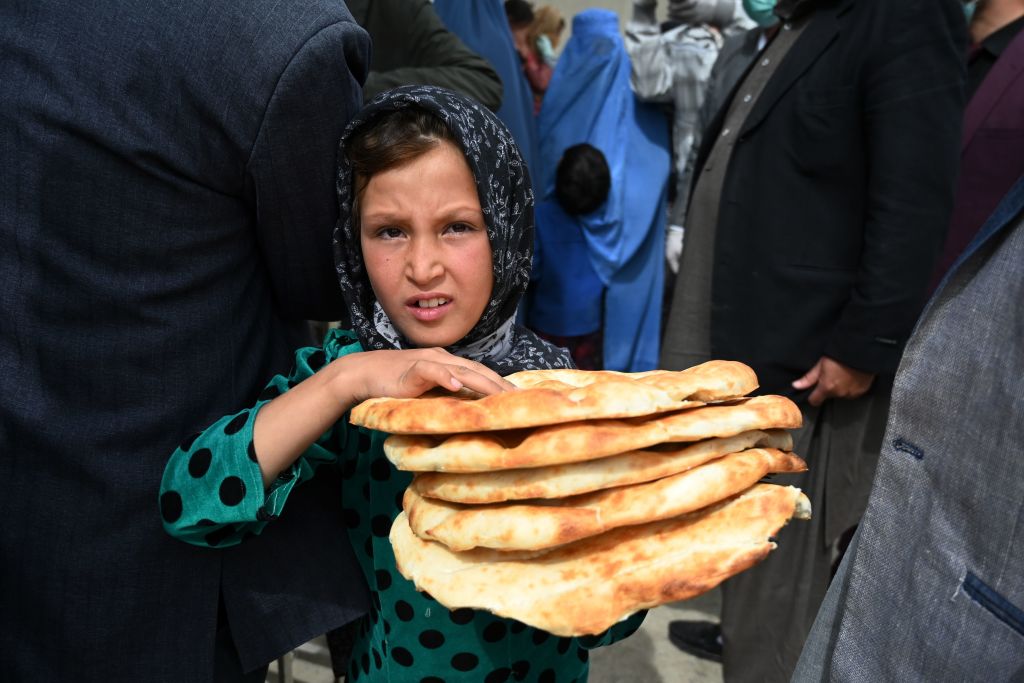
    The spread of the virus, unease about a cease-fire, peace talks, and the American withdrawal leave the Afghan people gripped with a heightened sense of uncertainty.

    CPEC need not be a zero-sum game for the US
    Photo by Ahmad Kamal/Xinhua via Getty Images
  • Commentary
  • CPEC need not be a zero-sum game for the US

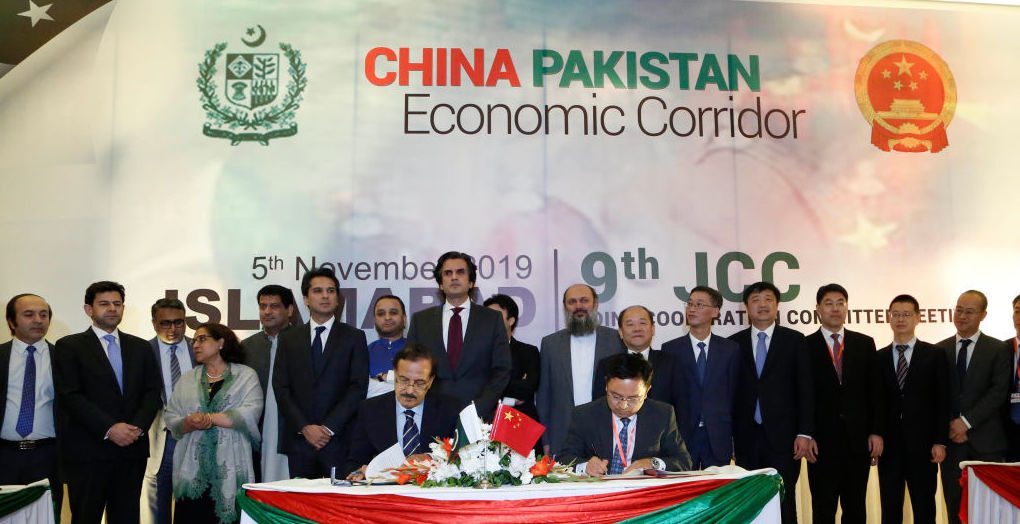
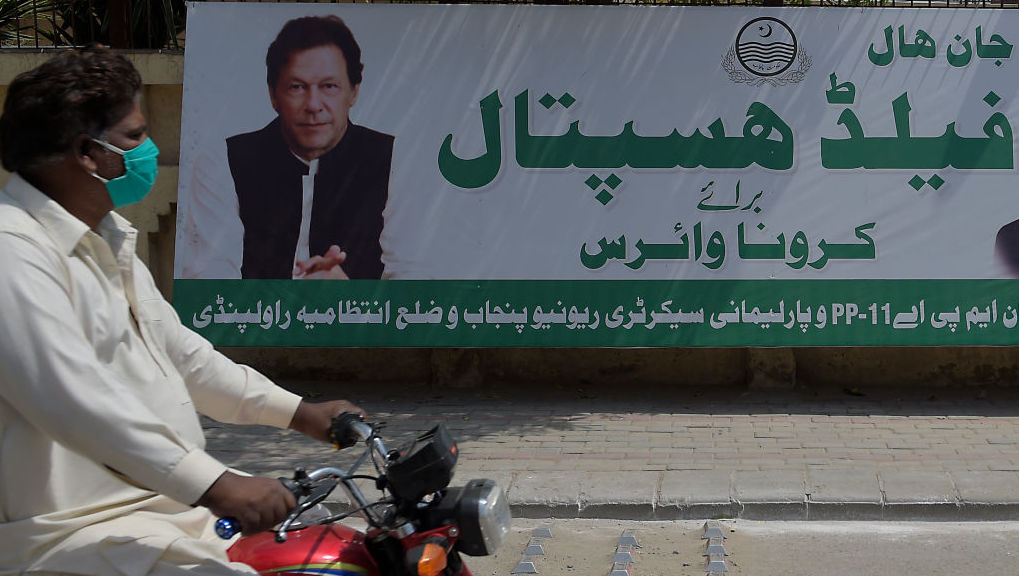
    The growing U.S. strategic reliance on India has fomented closer bilateral ties between China and Pakistan, straining the U.S.-Pakistan relationship.

    May 26, 2020

    Rival Afghan leaders strike a power-sharing deal, but there are plenty of other obstacles on the road to peace
    Photo by JIM BOURG/AFP via Getty Images
  • Analysis
  • Rival Afghan leaders strike a power-sharing deal, but there are plenty of other obstacles on the road to peace

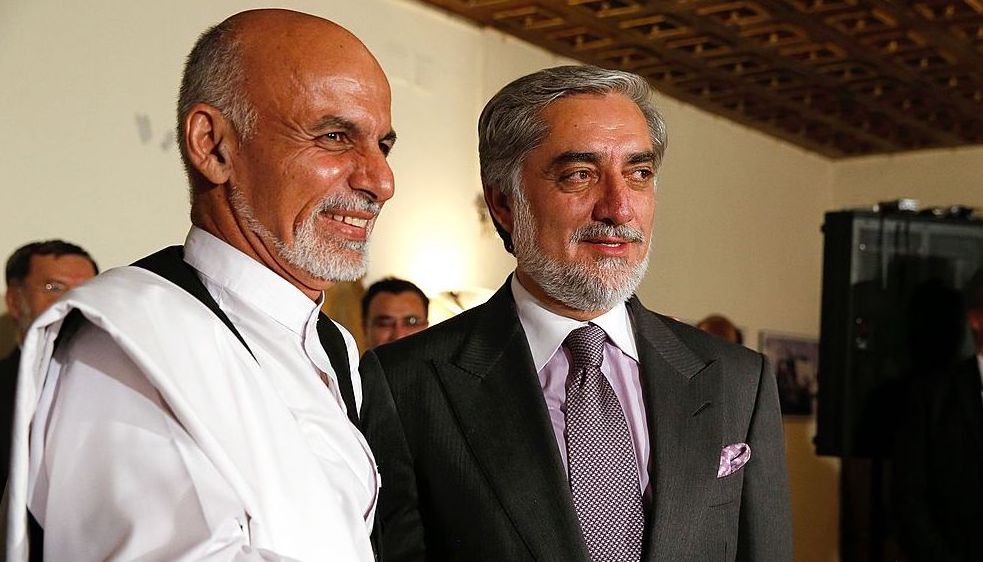
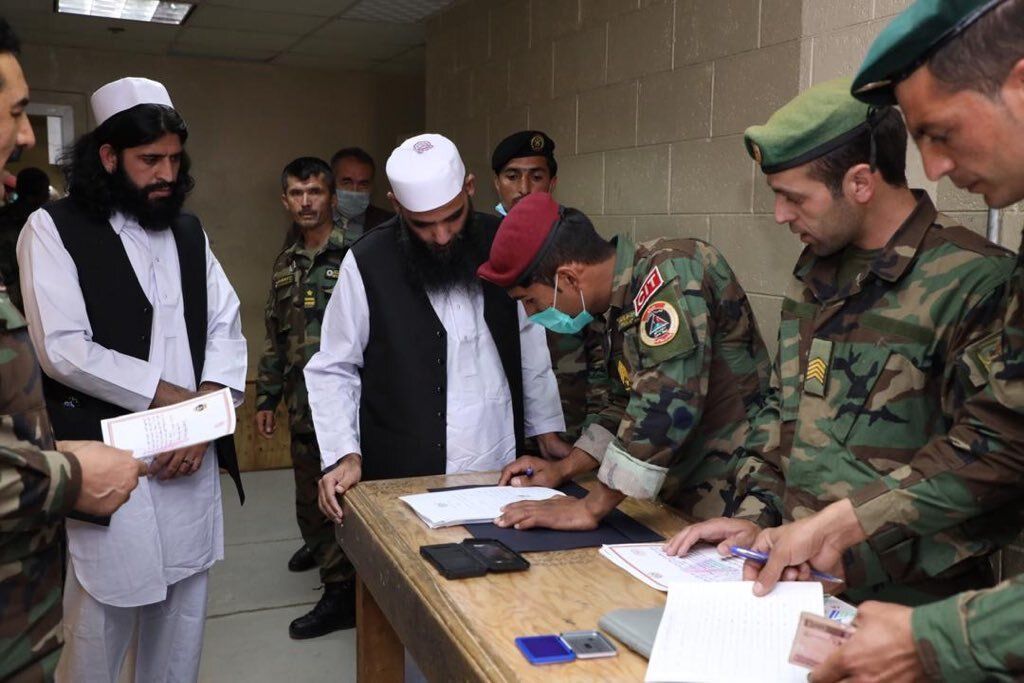
    There was no other way to end the political logjam in conflict-ridden Afghanistan than to make current President Ashraf Ghani and the outgoing Chief Executive Abdullah Abdullah agree to share power. The deal announced on May 17 has been widely welcomed by the international community because the political tensions between the two rivals were viewed as one of the major hurdles to the advancement of an intra-Afghan reconciliation process. The political jockeying in Kabul is far from the only impediment to reconciliation though and there are deeper obstacles to the peace process.

    May 20, 2020

    Gen. Joseph Votel on US military challenges in the Middle East
    Middle East Institute
  • Podcast
  • Gen. Joseph Votel on US military challenges in the Middle East

    MEI Distinguished Senior Fellow Joseph Votel, a retired four-star general in the Army and former commander of U.S. Central Command, joins host Alistair Taylor to discuss the challenges facing American forces in the Middle East today, from COVID-19 and ISIS to the turbulent situations in Iraq and Afghanistan.

    April 22, 2020

    Iran’s Unconventional Alliance Network in the Middle East and Beyond
    Photo by Morteza Nikoubazl/NurPhoto via Getty Images
  • Analysis
  • Iran’s Unconventional Alliance Network in the Middle East and Beyond

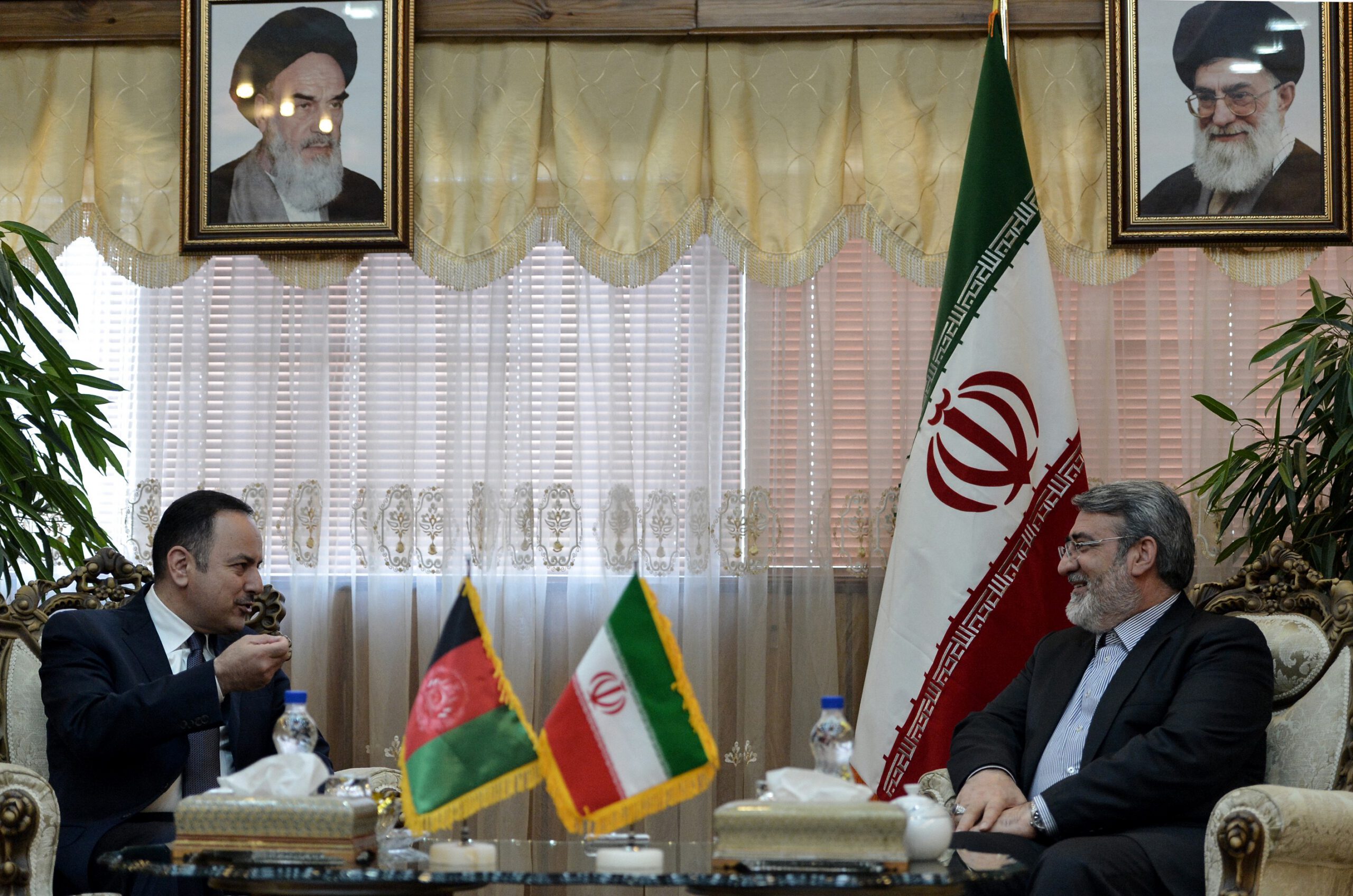
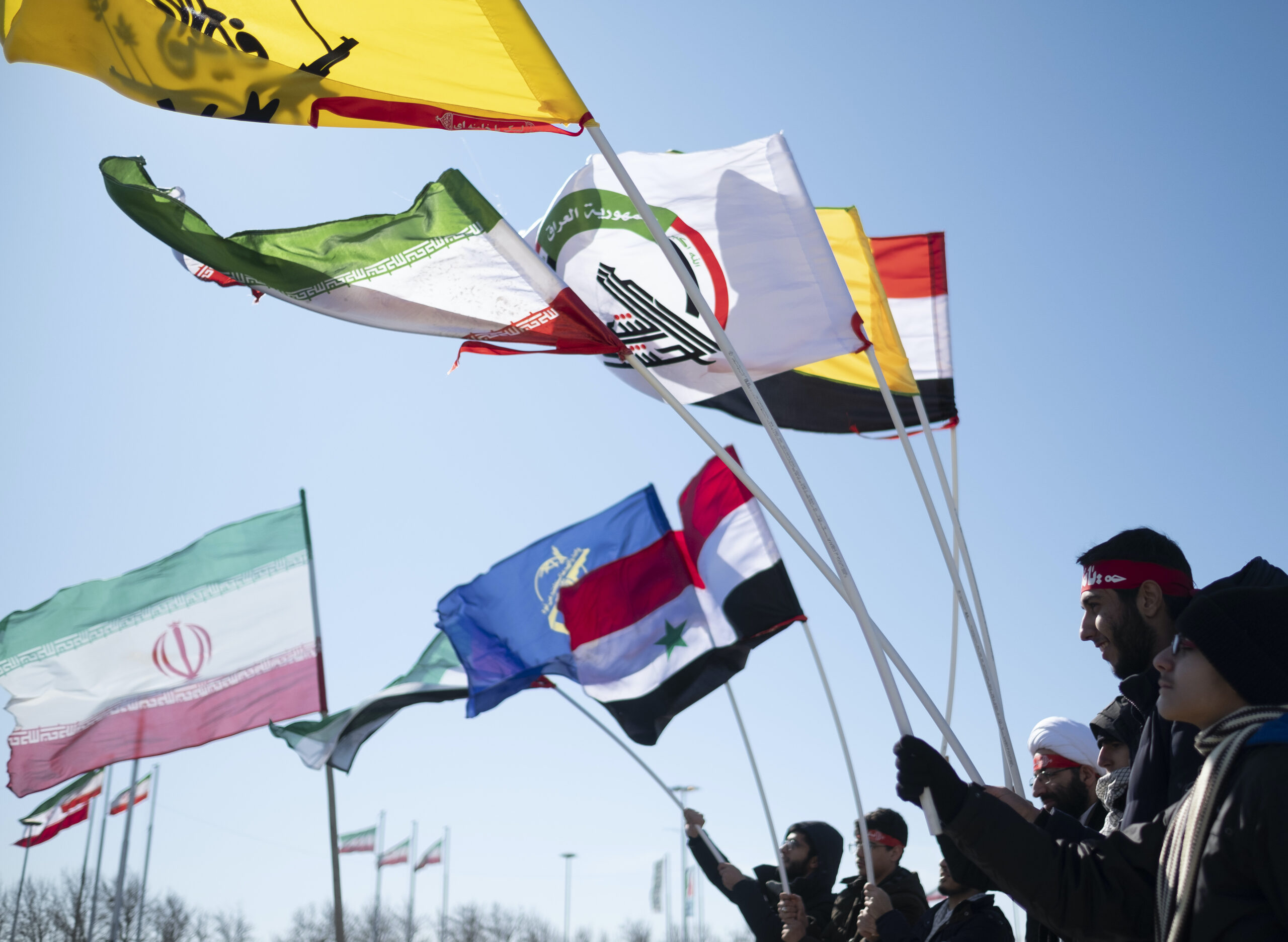
    The Islamic Republic’s unconventional alliance network reaches far and wide, and its workings have only intensified since the killing of Gen. Qassem Soleimani in early January 2020. The systematic effort to consolidate these alliances, indicated by the swift appointment of Gen. Esmail Qaani and his new deputy Gen. Mohammad Hosseinzadeh Hejazi to lead the Quds Force, is about much more than just retaliation and revenge against the United States. It is also, and perhaps more importantly, a calibrated response to the Trump administration’s reckless and escalatory changes to the established “rules of engagement” between Washington and Tehran.

    April 7, 2020

    Read the Middle East Journal

    The oldest peer-reviewed publication dedicated to the study of the modern Middle East, MEI’s flagship journal covers politics, society, and culture in the region.