This text has been translated by AI and may contain errors.
Skip to Content

Afghanistan-Pakistan

Countries

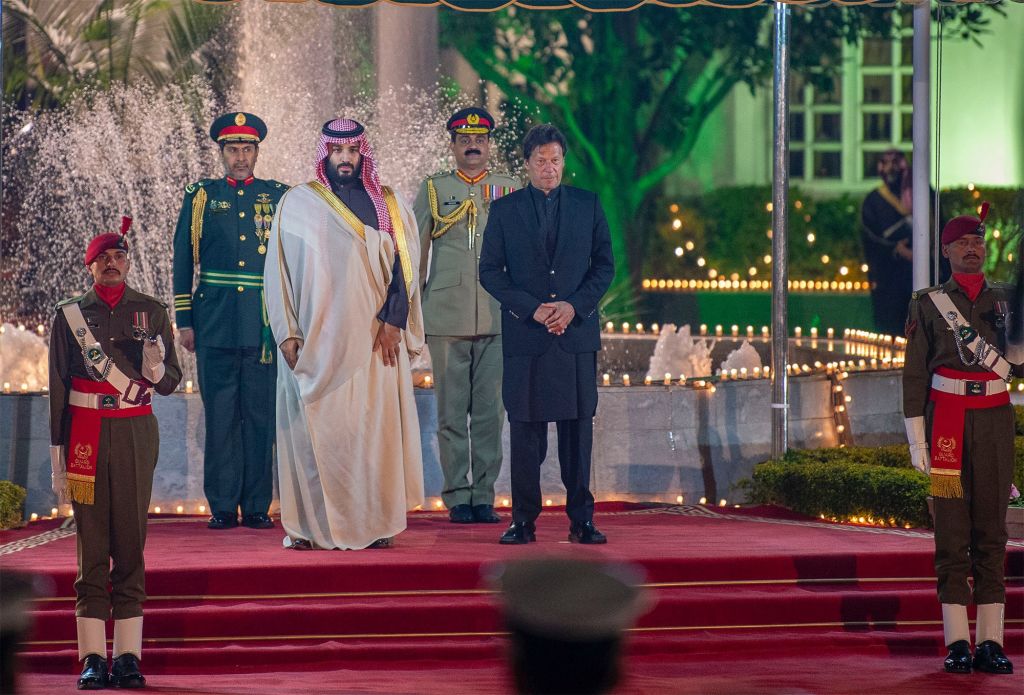
The Mecca Joint Défense Agreement: A New Geometry of Middle Eastern Power?
  • Analysis
  • The Mecca Joint Défense Agreement: A New Geometry of Middle Eastern Power?

    On August 7, 2026, Saudi Arabia, Turkey, and Pakistan signed the Mecca Joint Défense Agreement, a collective-defense pact widely compared to NATO’s Article 5. This essay argues that the comparison is misleading. Mecca borrows NATO’s language of solidarity without yet possessing NATO’s institutional machinery, and the Houthi offensive against Saudi Arabia in September 2026 provided an early and revealing test of what the agreement actually means in practice. Neither Pakistan nor Turkey automatically entered the fight on Saudi Arabia’s behalf, and Washington, despite an initial reluctance to strike directly, remained indispensable through intelligence support and a major proposed F-35 sale. Drawing on realist alliance theory — Hans Morgenthau, Kenneth Waltz, Stephen Walt, Glenn Snyder, and Steven David — and on the precedent of the Central Treaty Organization (CENTO), the essay contends that the Middle East is not dividing into rival blocs but moving from hierarchy toward a looser, overlapping geometry of hedged partnerships, in which American exclusivity is eroding considerably faster than American primacy.

    The Mecca Alliance Meets the Red Sea – Saudi Arabia’s New Defense Pact Faces Its First Major Test
  • Commentary
  • The Mecca Alliance Meets the Red Sea – Saudi Arabia’s New Defense Pact Faces Its First Major Test

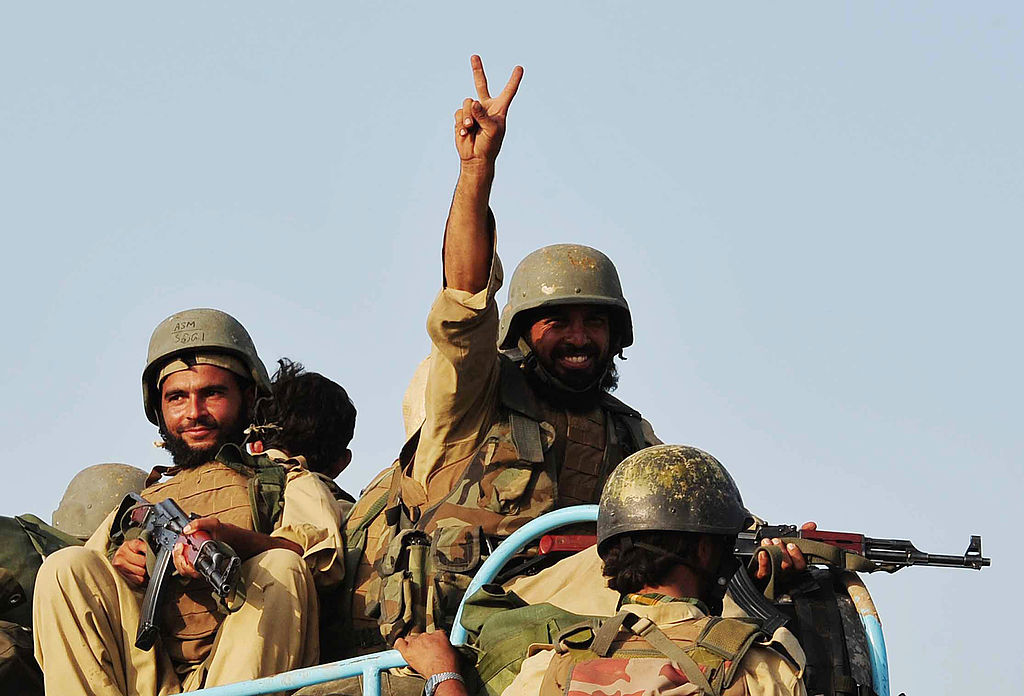
    When Saudi Arabia, Turkey and Pakistan agreed to a mutual defense pact in August, it was principally seen as a political commitment. The “Mecca alliance,” as it was dubbed, stipulated that an armed attack on one would be treated as an attack on all three, accompanied by deeper military cooperation.

    The Case for a Middle Course in Afghanistan
  • Commentary
  • The Case for a Middle Course in Afghanistan

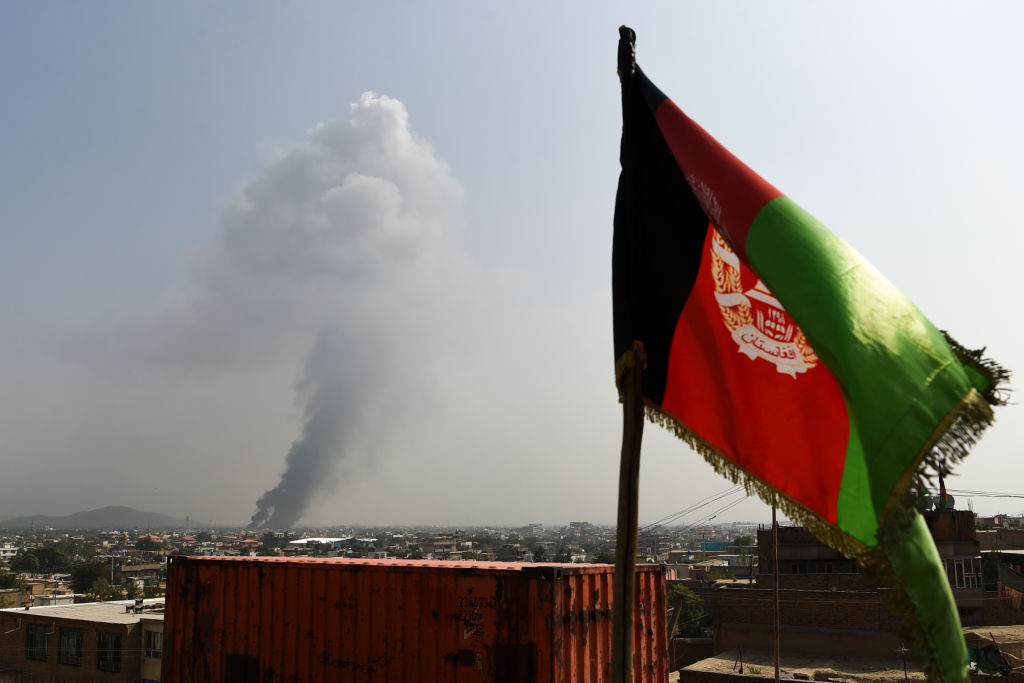
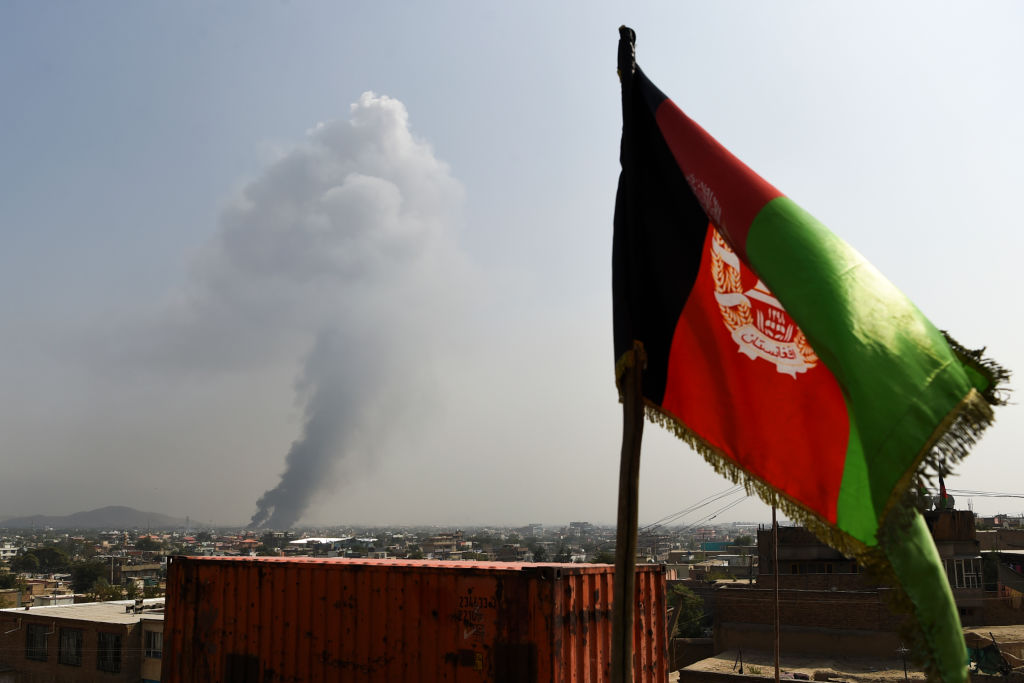
    I was a teenage Afghan refugee in Pakistan’s tribal areas when the Twin Towers fell. Almost nobody around us understood the politics of what had happened, but we knew that something had changed for good. Afghanistan, which until then had been our private tragedy and our first exile from Taliban rule, had suddenly become the world’s concern, with the United States leading the response.

    The Latest

    Filter by
    1194 Results
    The US eyes the exit as Afghan election results are once again delayed
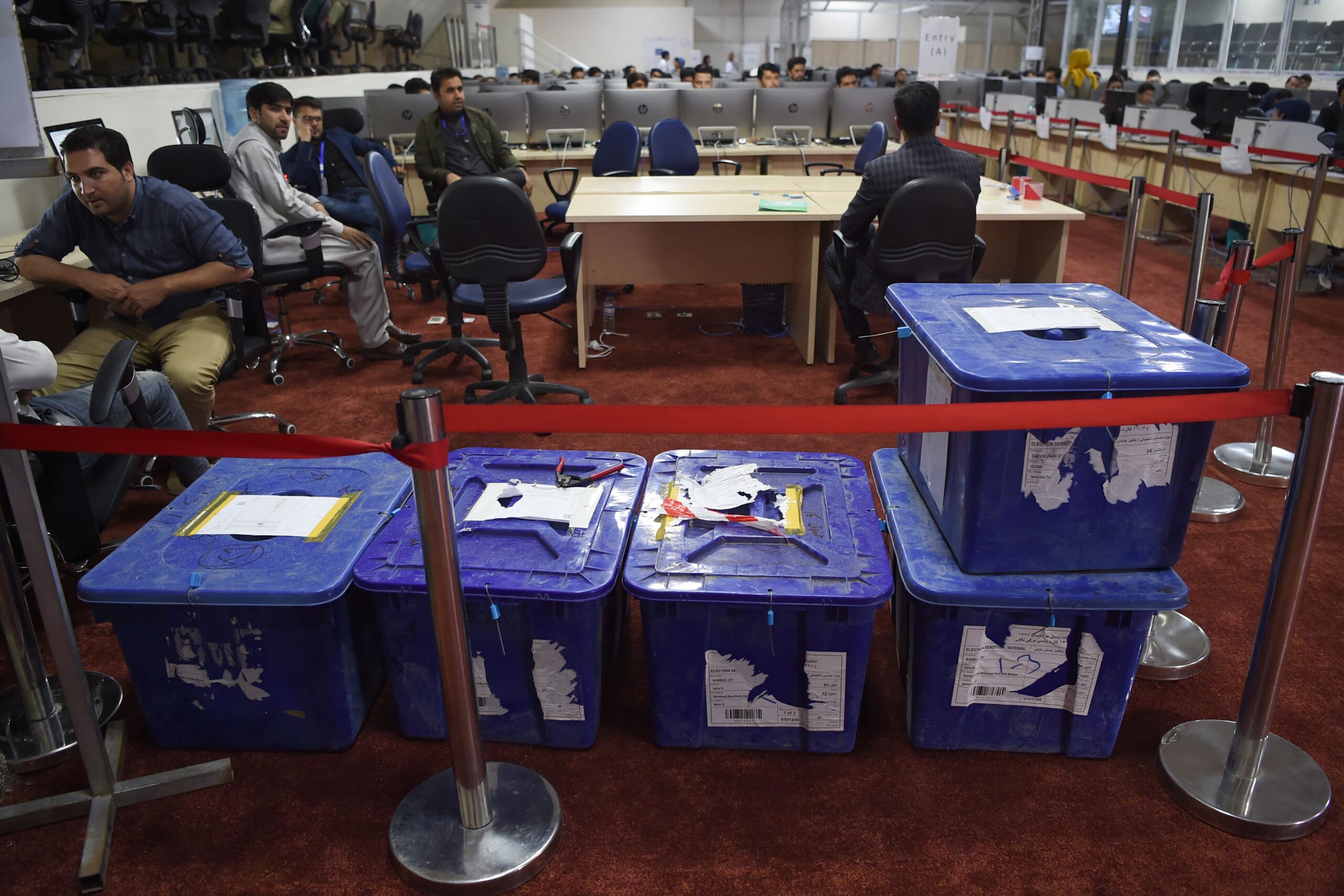
    Independent Election Commission (IEC) workers sit at a computer terminal while election information from all over the country is gathered at the Data Centre in Kabul on October 2, 2019. - Voter participation in last weekend's Afghan presidential election will be much less than a third, the country's Independent Election Commission said on October 1, marking a record-low turnout. (Photo by WAKIL KOHSAR / AFP) (Photo by WAKIL KOHSAR/AFP via Getty Images)
  • Analysis
  • The US eyes the exit as Afghan election results are once again delayed

    In a move that surprised no one, on Oct. 19 the Afghan election commission said it was unable to announce the preliminary results of the Sept. 28 presidential election as planned, due to delays in processing biometric data. Held amid political uncertainty, terrorist violence, and general skepticism, the September election was the fourth presidential contest in Afghanistan since 2001, when the brutal Taliban regime was toppled in the wake of the Sept. 11 terror attacks on the United States.

    October 24, 2019

    Balochistan: From the periphery to the center of attention
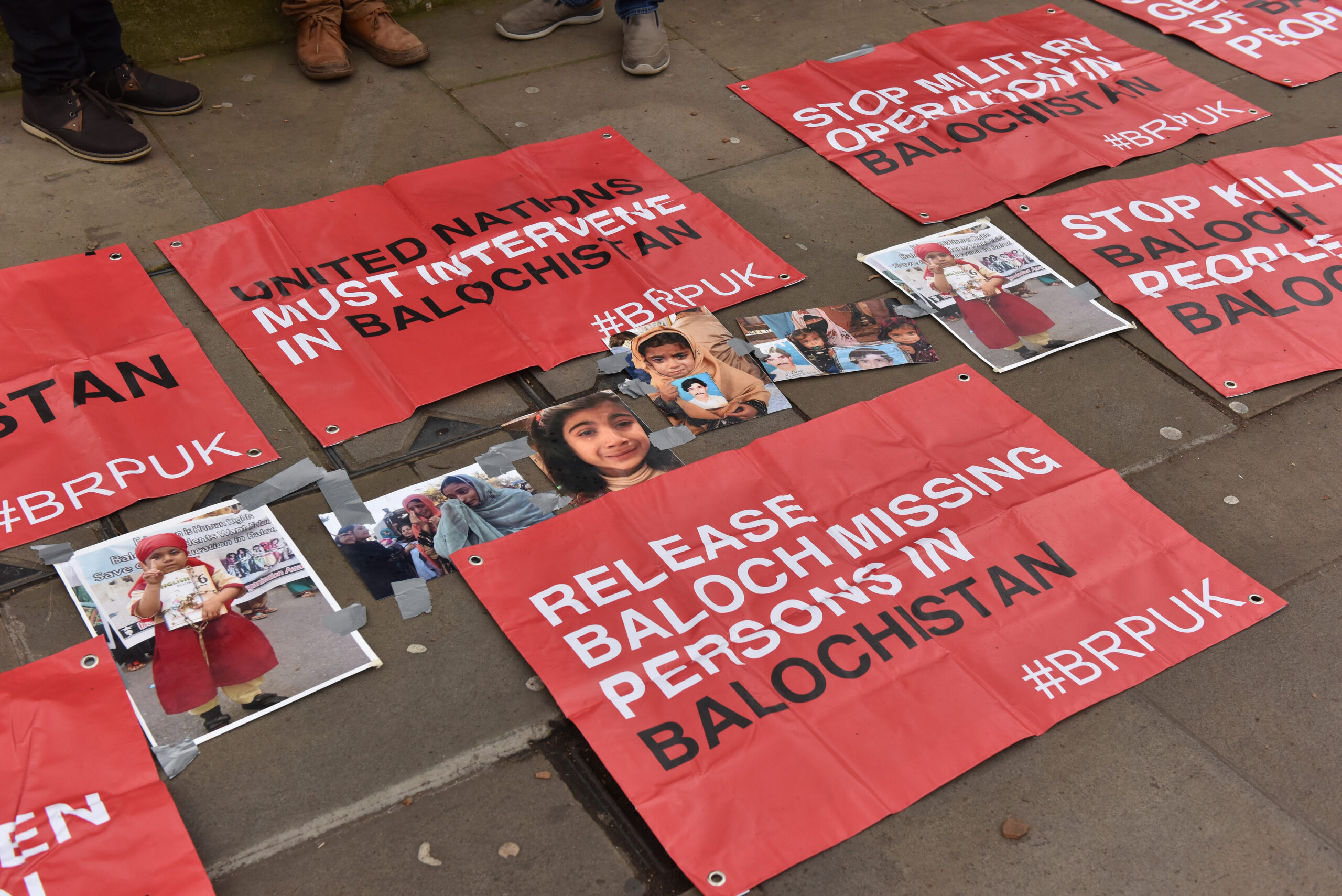
    LONDON, ENGLAND - JANUARY 22: People campaign for the United Nations to intervene regarding Baloch missing persons in Balochistan, Pakistan close to Downing Street on January 22, 2019 in London, England. (Photo by John Keeble/Getty Images)
  • Analysis
  • Balochistan: From the periphery to the center of attention

    With an estimated $1 trillion in natural resources and sitting astride an international crossroads of increasingly critical importance, Balochistan is becoming a stage on which the world’s powers are playing out their ambitions. China, the U.S., and India have all formulated Balochistan policies in the past few years, hoping to utilize the region to achieve wider international goals — and the three countries across which Balochistan is divided, Pakistan, Afghanistan, and Iran, have been eager to use it as a bargaining chip for their own purposes.

    October 21, 2019

    Afghanistan may be headed for a post-election political impasse
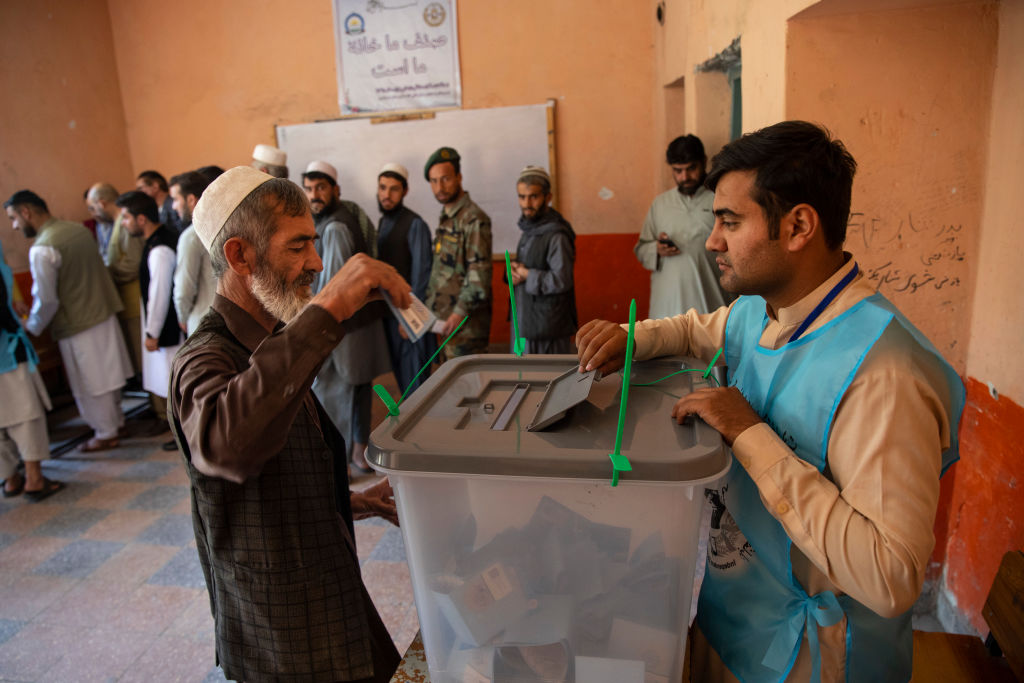
    : Afghan vote in a key Presidential election on September 28, 2019 in Kabul, Afghanistan.
  • Commentary
  • Afghanistan may be headed for a post-election political impasse

    Preliminary results from the Sept. 28 Afghan presidential election will not be announced for at least another week. Yet events are shaping up that could drive Afghanistan into a political impasse similar to what the country faced in its last presidential election.

    What’s next after the sudden death of the Afghan peace process?
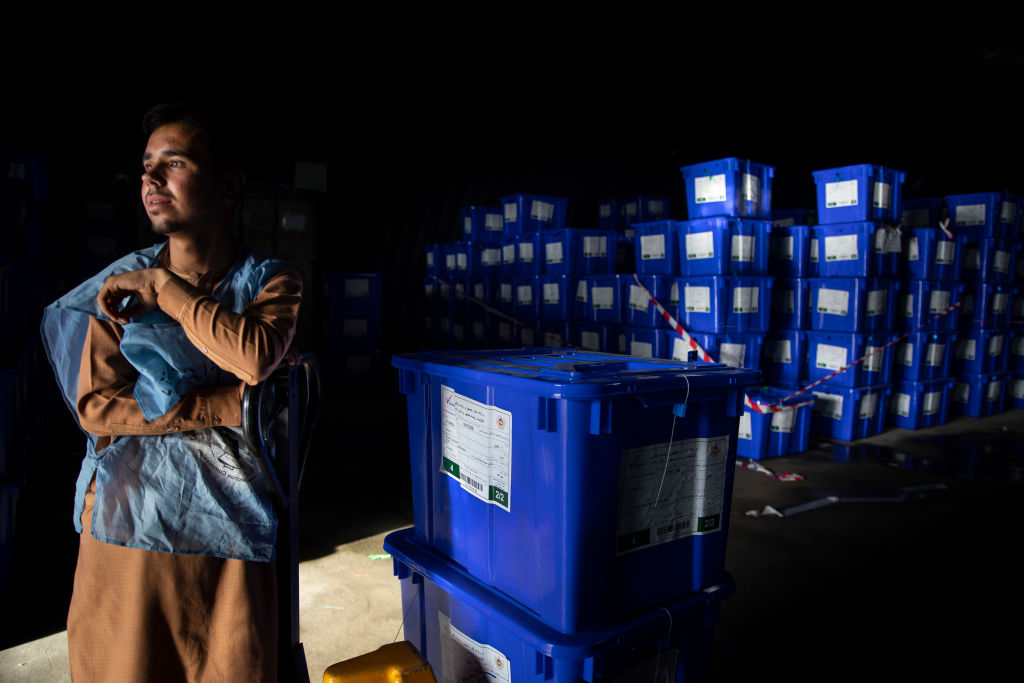
     Afghan workers move ballot boxes to trucks getting ready for the Presidential elections in five days in Kabul, Afghanistan on September 23, 2019.
  • Analysis
  • What’s next after the sudden death of the Afghan peace process?

    In the end, it all fell apart rather quickly. Instead of a long-awaited announcement about the details of a U.S.-Afghan Taliban peace deal, on Sept. 7 President Donald Trump tweeted that the talks were off, adding shortly afterwards that the Afghan peace process was “dead.” Only days earlier, Washington’s special representative for Afghanistan, Zalmay Khalilzad, had announced a draft agreement had been reached after nine rounds of gruelling negotiations.

    September 25, 2019

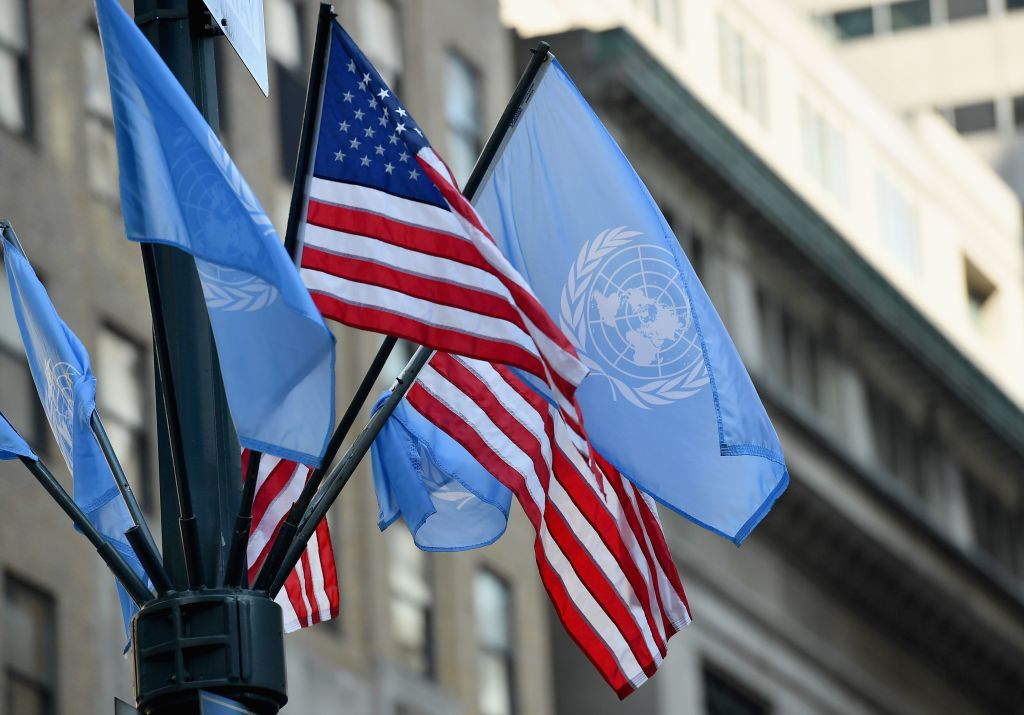
    Monday Briefing: Middle East takes center stage at UNGA
  • Analysis
  • Monday Briefing: Middle East takes center stage at UNGA

    This week’s briefing on recent news and upcoming events in the region featuring Gerald Feierstein, Alex Vatanka, Eran Etzion, Gonul Tol, Amal Kandeel, Marvin G. Weinbaum, Michael Sexton and Eliza Campbell.

    US negotiations with the Taliban: The cases for hope and skepticism
    Middle East Institute
  • Podcast
  • US negotiations with the Taliban: The cases for hope and skepticism

    Amb. Robin Raphel and MEI’s Marvin Weinbaum join guest host Jerry Feierstein to discuss the latest round of negotiations between the US and the Taliban and lay out their competing views on whether there is greater cause for optimism or pessimism as the US seeks to withdraw its troops after nearly twenty years in Afghanistan.

    September 6, 2019

    Pakistan on Kashmir: “They have colonized the territory”
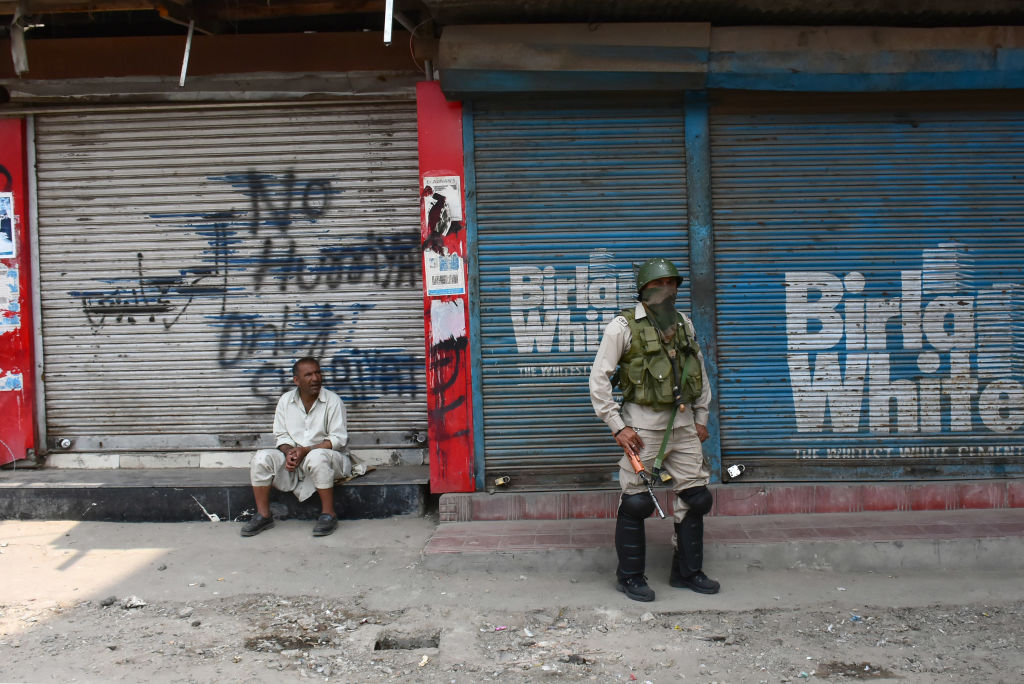
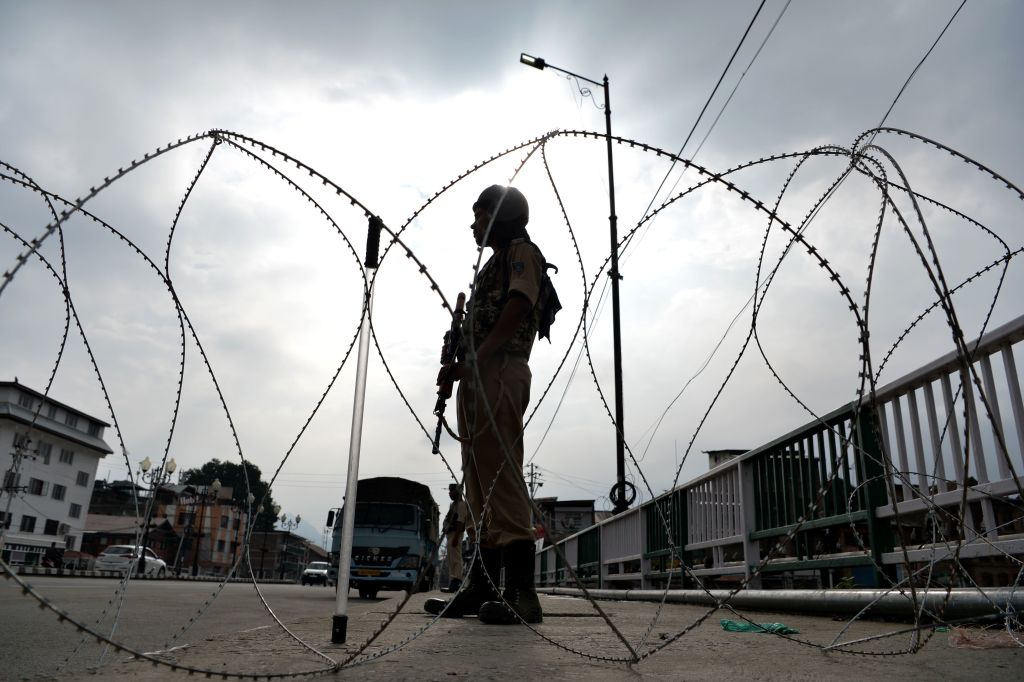
    A security personnel stands guard on a street during a lockdown in Srinagar on August 11, 2019, after the Indian government stripped Jammu and Kashmir of its autonomy.
  • Analysis
  • Pakistan on Kashmir: “They have colonized the territory”

    MEI scholar Lawrence Pintak speaks to Sardar Masood Khan, the president of Pakistani-administered Kashmir, about India’s early August annexation of the semi-autonomous territory of Jammu and Kashmir.

    September 5, 2019

    Read the Middle East Journal

    The oldest peer-reviewed publication dedicated to the study of the modern Middle East, MEI’s flagship journal covers politics, society, and culture in the region.