This text has been translated by AI and may contain errors.
Skip to Content

Afghanistan-Pakistan

Countries

The Mecca Joint Défense Agreement: A New Geometry of Middle Eastern Power?
  • Analysis
  • The Mecca Joint Défense Agreement: A New Geometry of Middle Eastern Power?

    On August 7, 2026, Saudi Arabia, Turkey, and Pakistan signed the Mecca Joint Défense Agreement, a collective-defense pact widely compared to NATO’s Article 5. This essay argues that the comparison is misleading. Mecca borrows NATO’s language of solidarity without yet possessing NATO’s institutional machinery, and the Houthi offensive against Saudi Arabia in September 2026 provided an early and revealing test of what the agreement actually means in practice. Neither Pakistan nor Turkey automatically entered the fight on Saudi Arabia’s behalf, and Washington, despite an initial reluctance to strike directly, remained indispensable through intelligence support and a major proposed F-35 sale. Drawing on realist alliance theory — Hans Morgenthau, Kenneth Waltz, Stephen Walt, Glenn Snyder, and Steven David — and on the precedent of the Central Treaty Organization (CENTO), the essay contends that the Middle East is not dividing into rival blocs but moving from hierarchy toward a looser, overlapping geometry of hedged partnerships, in which American exclusivity is eroding considerably faster than American primacy.

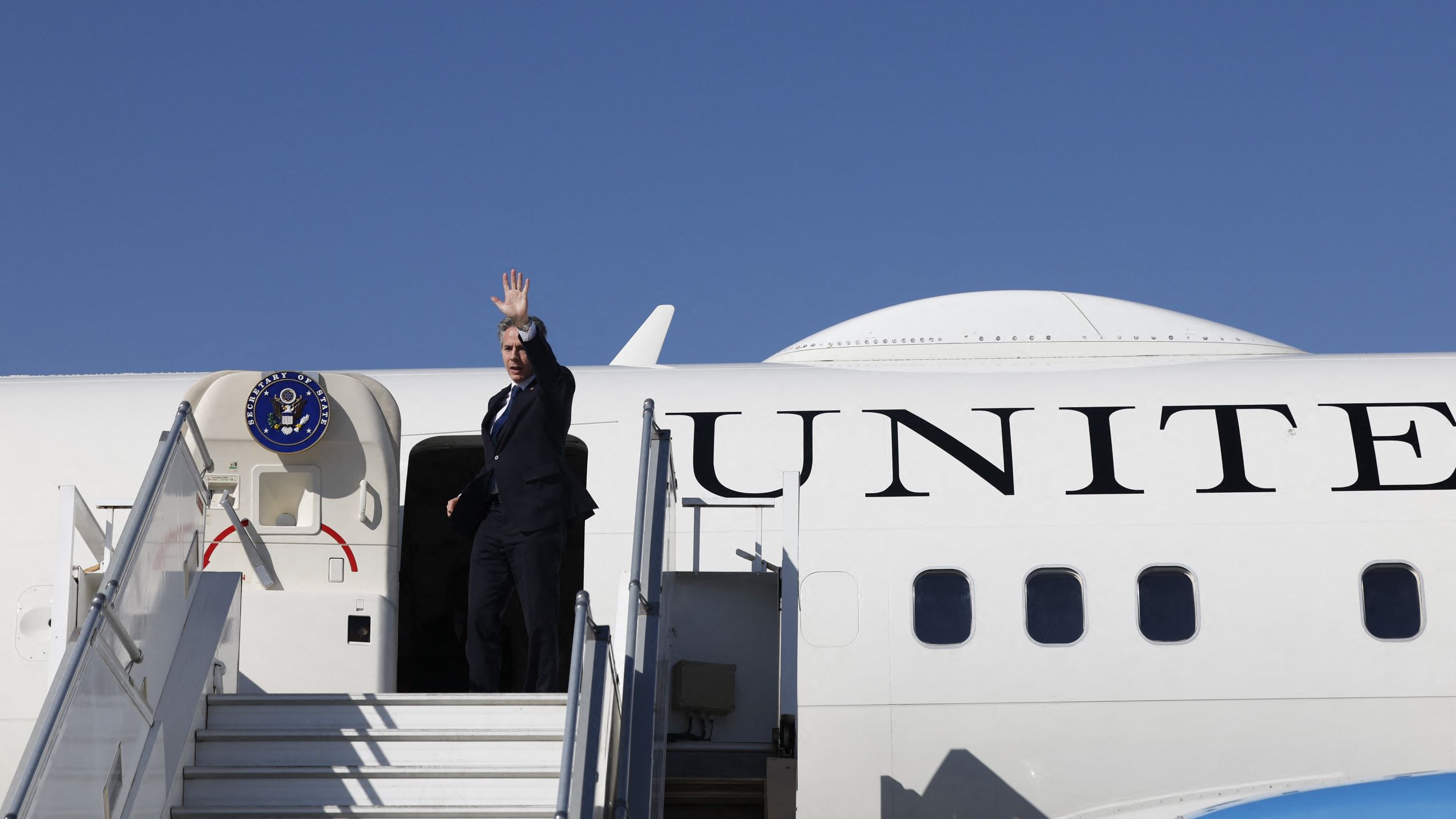
    The Mecca Alliance Meets the Red Sea – Saudi Arabia’s New Defense Pact Faces Its First Major Test
  • Commentary
  • The Mecca Alliance Meets the Red Sea – Saudi Arabia’s New Defense Pact Faces Its First Major Test

    When Saudi Arabia, Turkey and Pakistan agreed to a mutual defense pact in August, it was principally seen as a political commitment. The “Mecca alliance,” as it was dubbed, stipulated that an armed attack on one would be treated as an attack on all three, accompanied by deeper military cooperation.

    The Case for a Middle Course in Afghanistan
  • Commentary
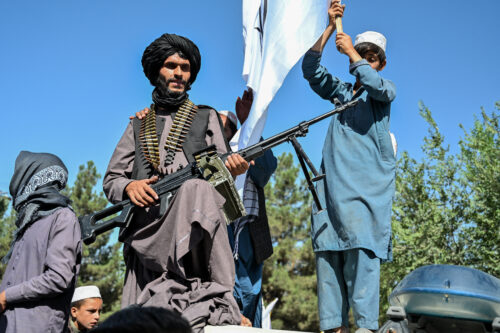
  • The Case for a Middle Course in Afghanistan

    I was a teenage Afghan refugee in Pakistan’s tribal areas when the Twin Towers fell. Almost nobody around us understood the politics of what had happened, but we knew that something had changed for good. Afghanistan, which until then had been our private tragedy and our first exile from Taliban rule, had suddenly become the world’s concern, with the United States leading the response.

    The Latest

    Filter by
    1194 Results
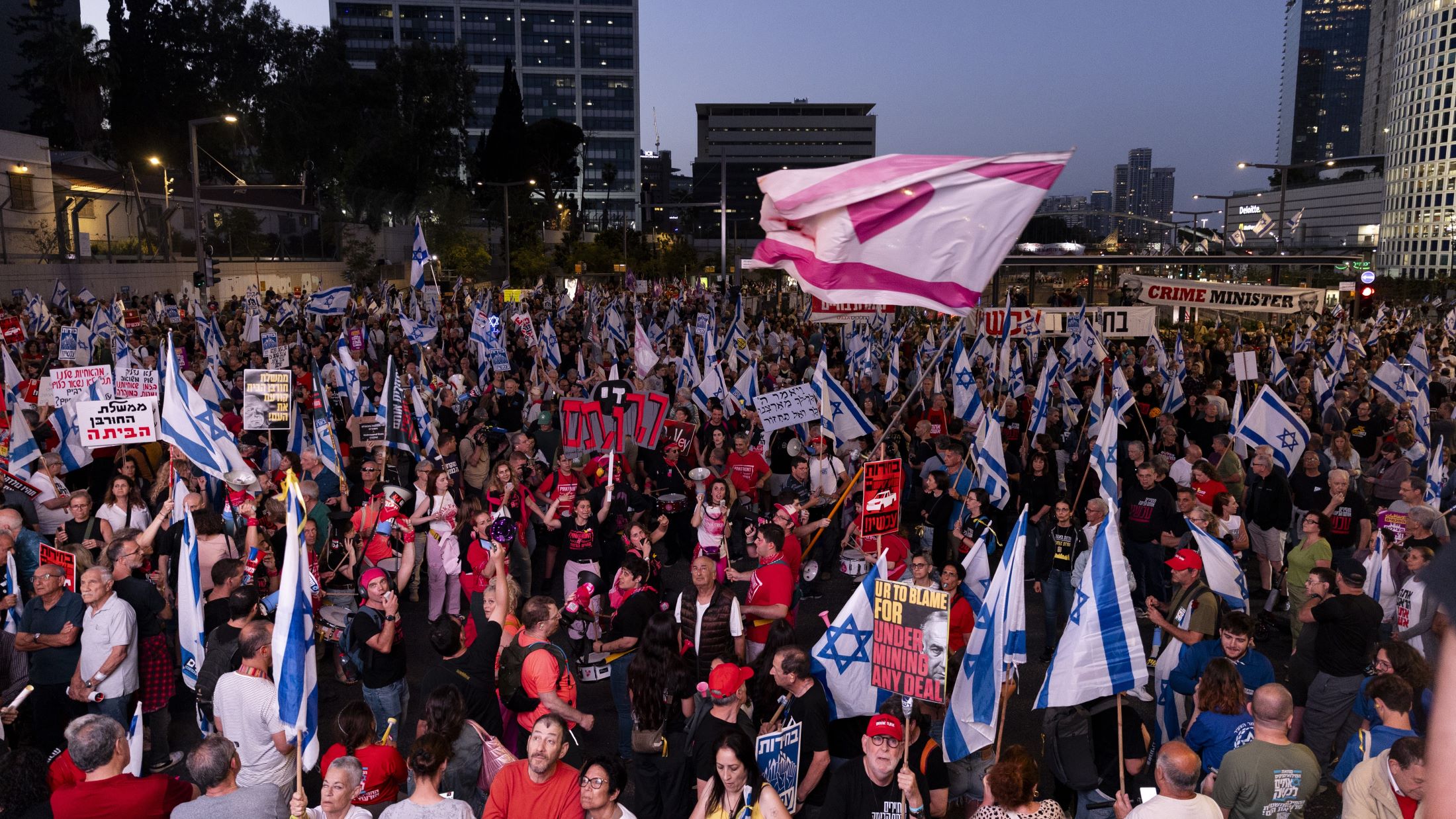
    As the Knesset reconvenes, Israel’s newly elected municipal leaders can help foster change in national politics
    Photo by Amir Levy/Getty Images
  • Analysis
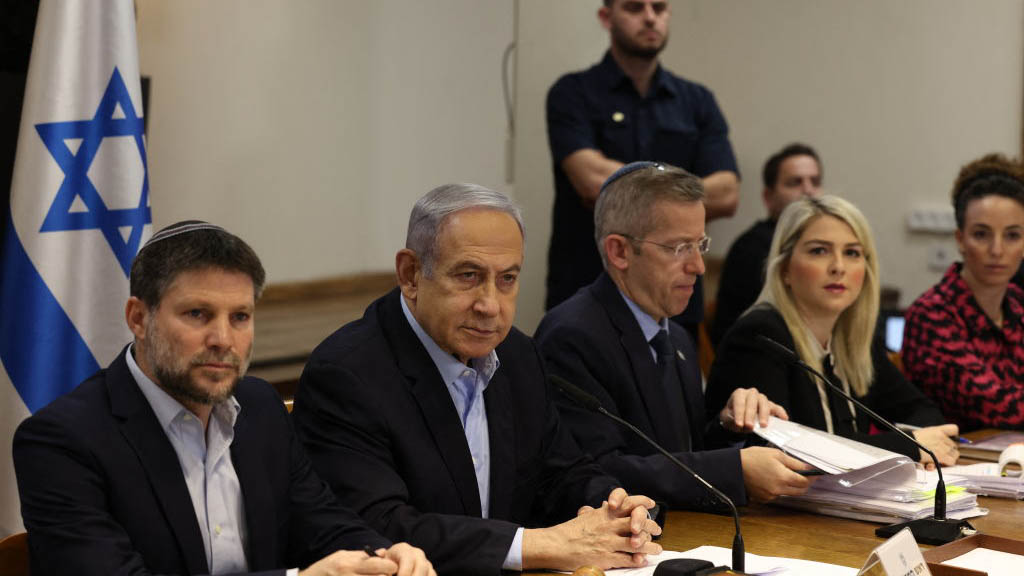
  • As the Knesset reconvenes, Israel’s newly elected municipal leaders can help foster change in national politics

    Following a year of protests and as the war with Hamas and Hezbollah enters its eighth month, the domestic scene in Israel looks poised for a political transition. Pro-democracy mayors and city councils across the country have grown increasingly influential when it comes to safeguarding and advancing liberal values. They are now better positioned and more motivated to make an impact on Israeli national politics, particularly as early elections look ever more likely.

    May 16, 2024

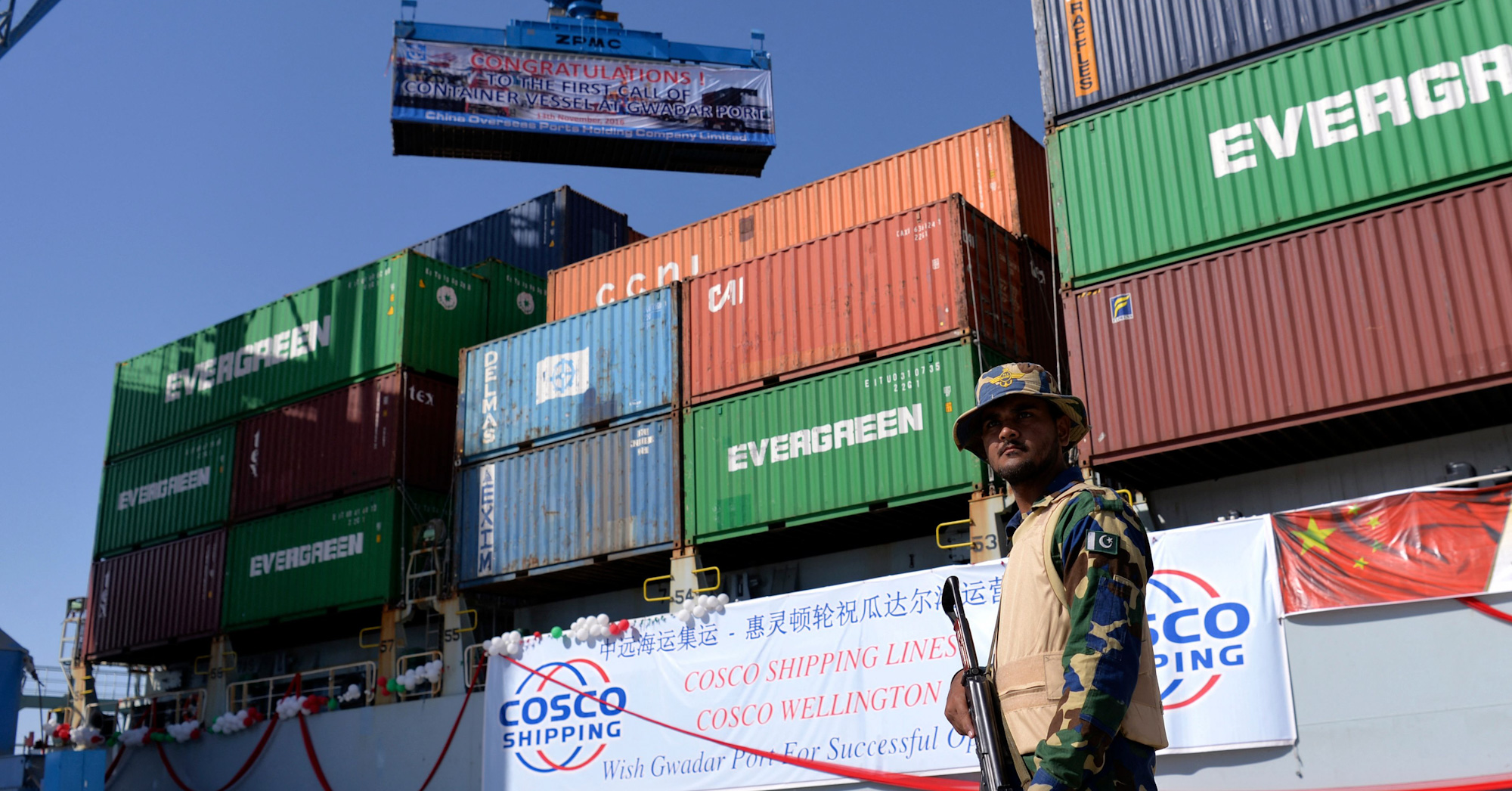
    “Gwadar is the future”: China and Pakistan’s troubled strategic port on the Arabian Sea
    Photo by AAMIR QURESHI/AFP via Getty Images
  • Analysis
  • “Gwadar is the future”: China and Pakistan’s troubled strategic port on the Arabian Sea

    Strategically located at the mouth of the Strait of Hormuz on the Arabian Sea, Gwadar, once a derelict port, was revitalized as part of the broader development of China-Pakistan Economic Corridor (CPEC) and declared fully operational in 2021. Can a renewed focus on the Gwadar port and the socio-economic and security situation of the surrounding region help Islamabad and Beijing rescue CPEC from failure?

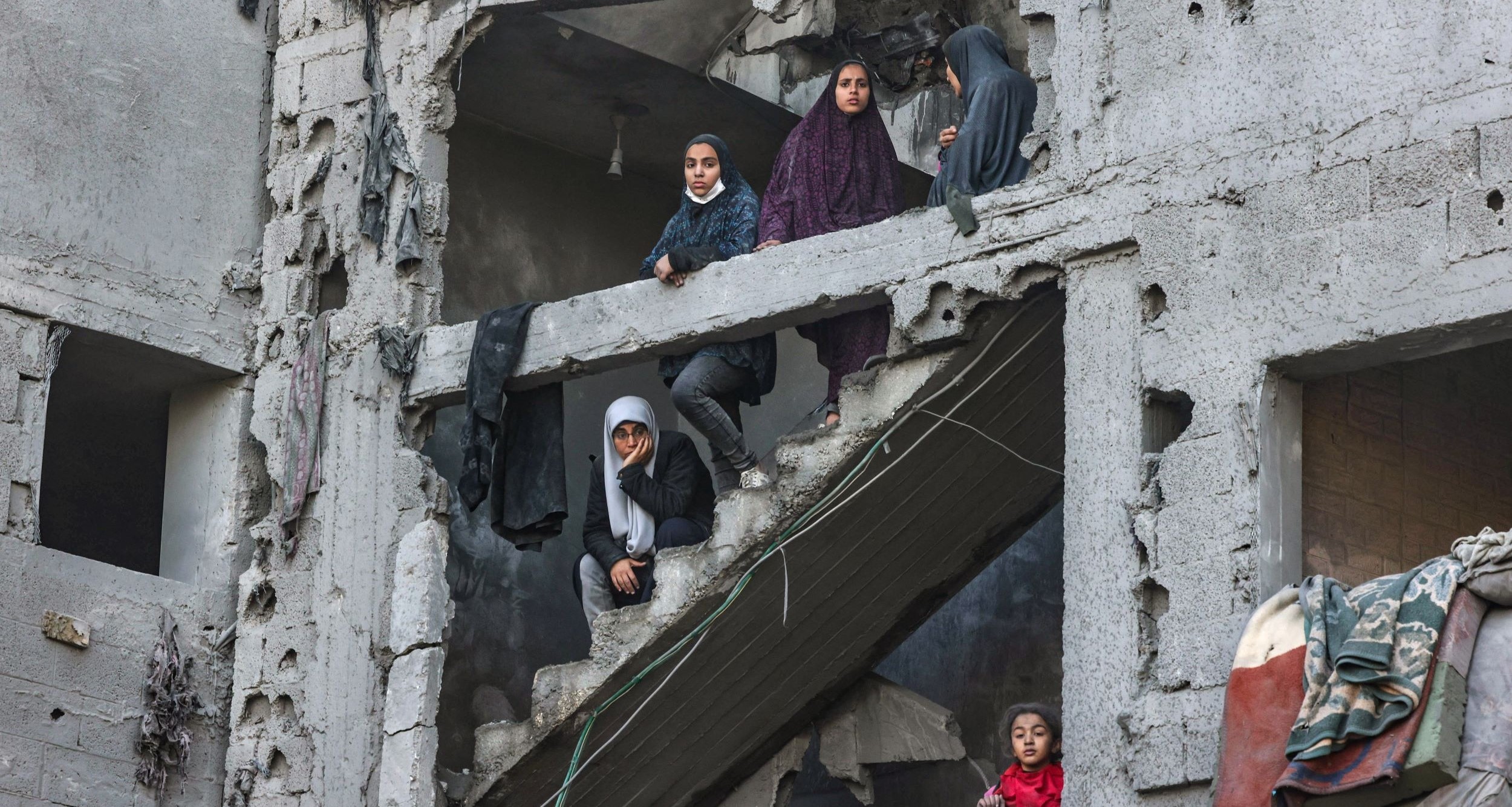
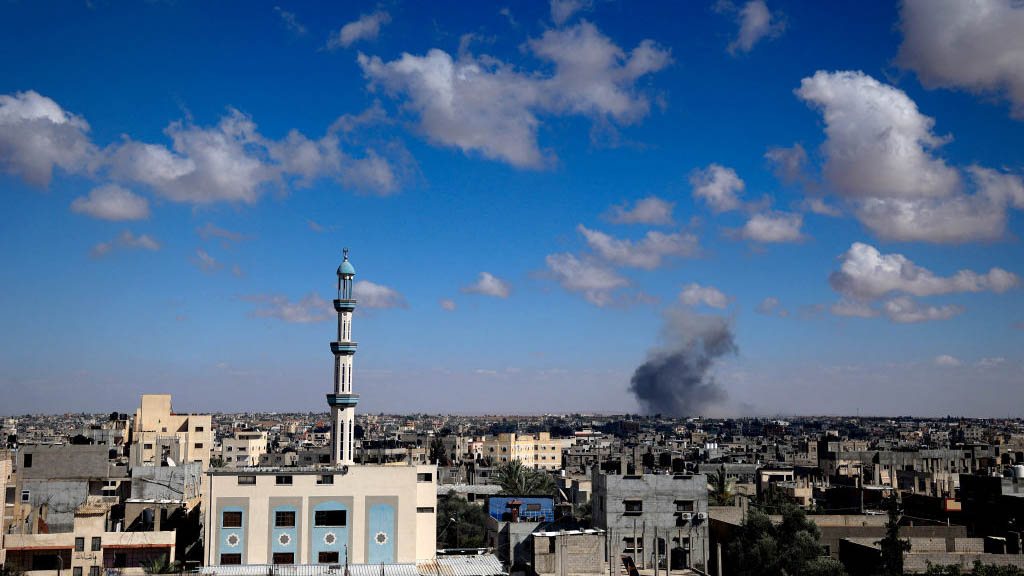
    Human shields or shielding Israel from accountability?
    Photo by MOHAMMED ABED/AFP via Getty Images
  • Analysis
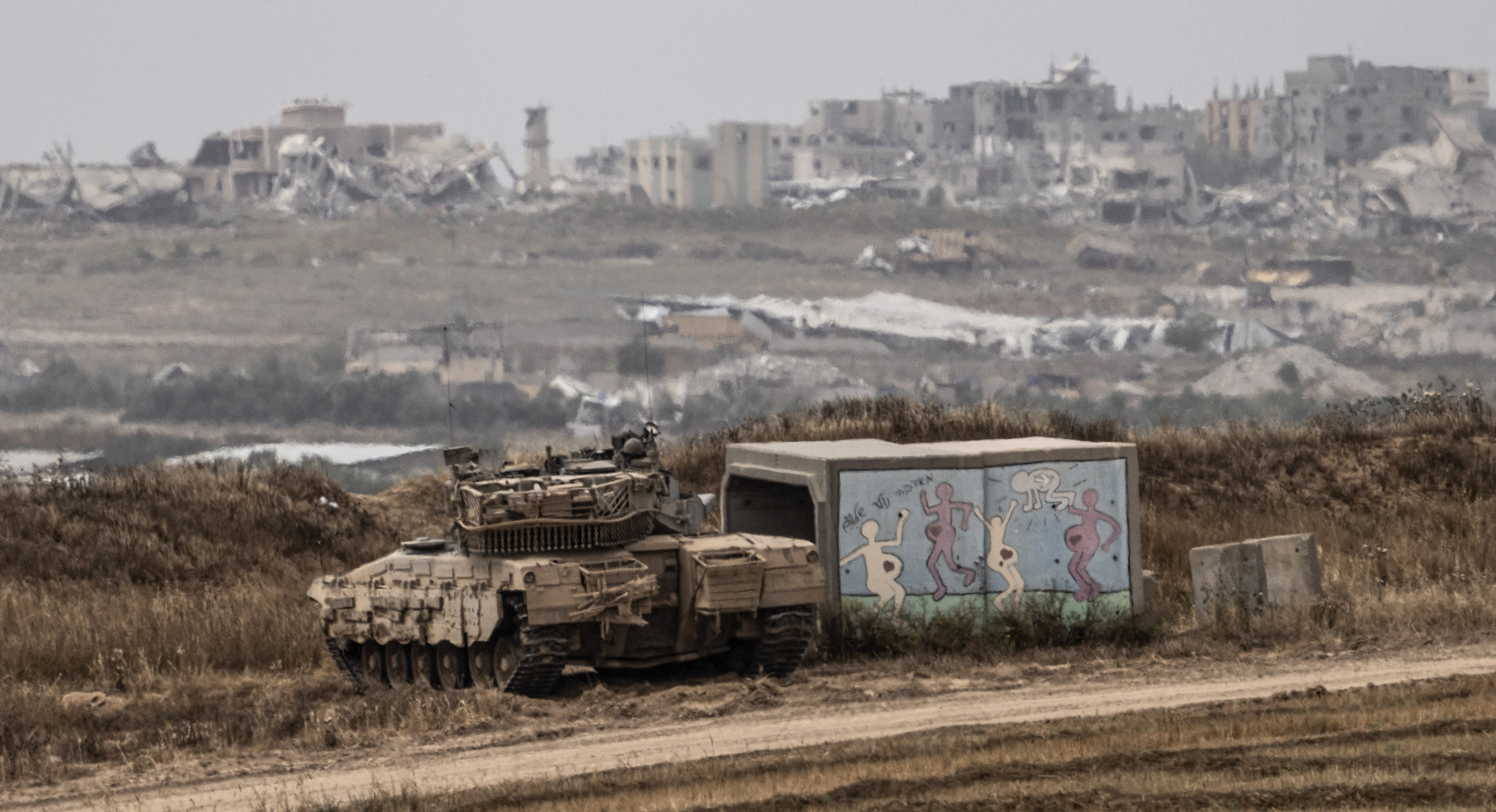
  • Human shields or shielding Israel from accountability?

    Israeli leaders insist that the extreme destruction in the Gaza Strip is unavoidable given Hamas’ use of “human shields” and the fact that the militant group has embedded itself among the civilian population and routinely operates from civilian structures like hospitals and schools. But far from explaining the current devastation, the questionable “human shields” charge has become a way to shield Israel from legitimate scrutiny and accountability.

    May 10, 2024

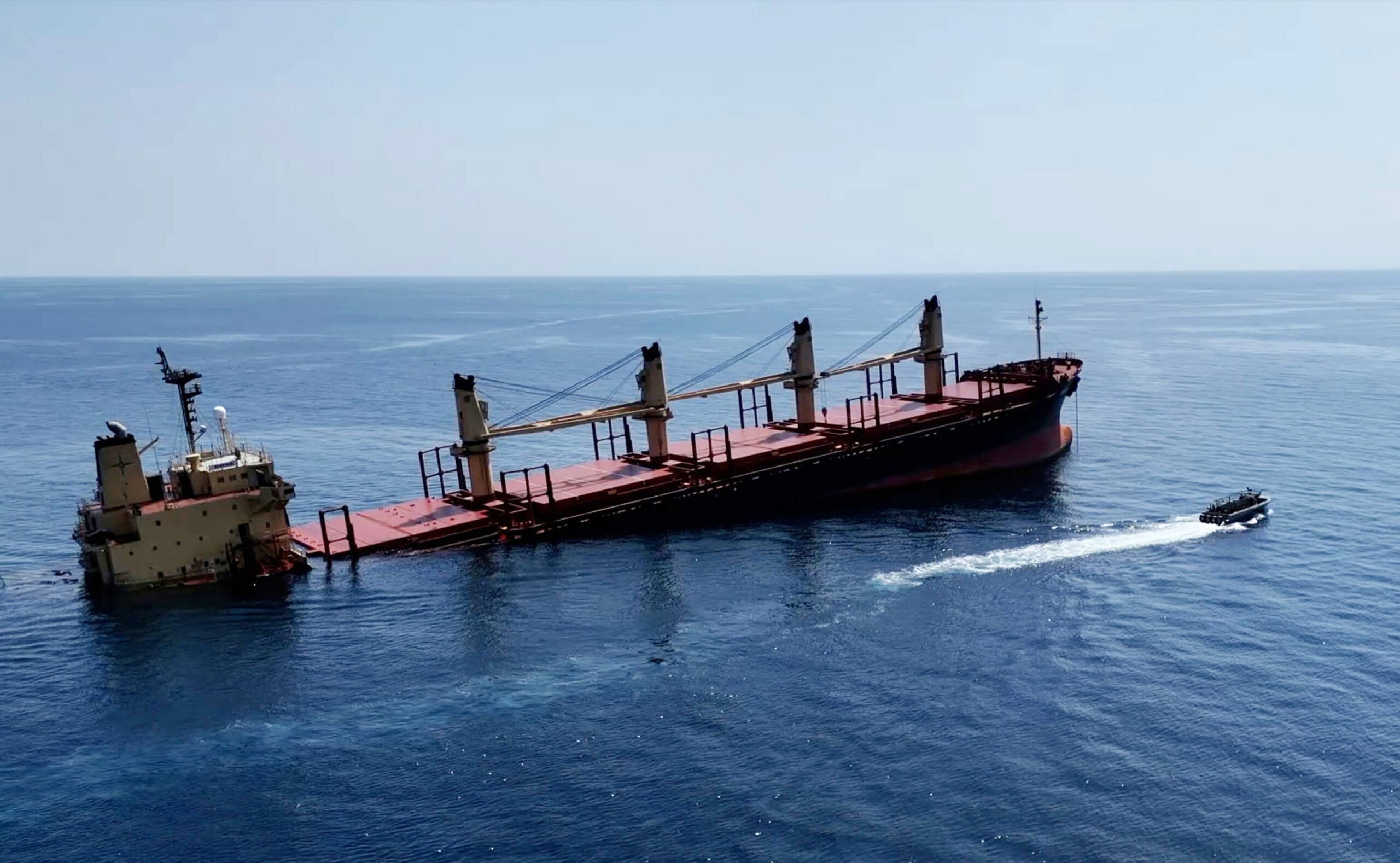
    Israel in the Red Sea during the War in Gaza: Strategic insights
    Photo by Al-Joumhouriah channel via Getty Images
  • Analysis
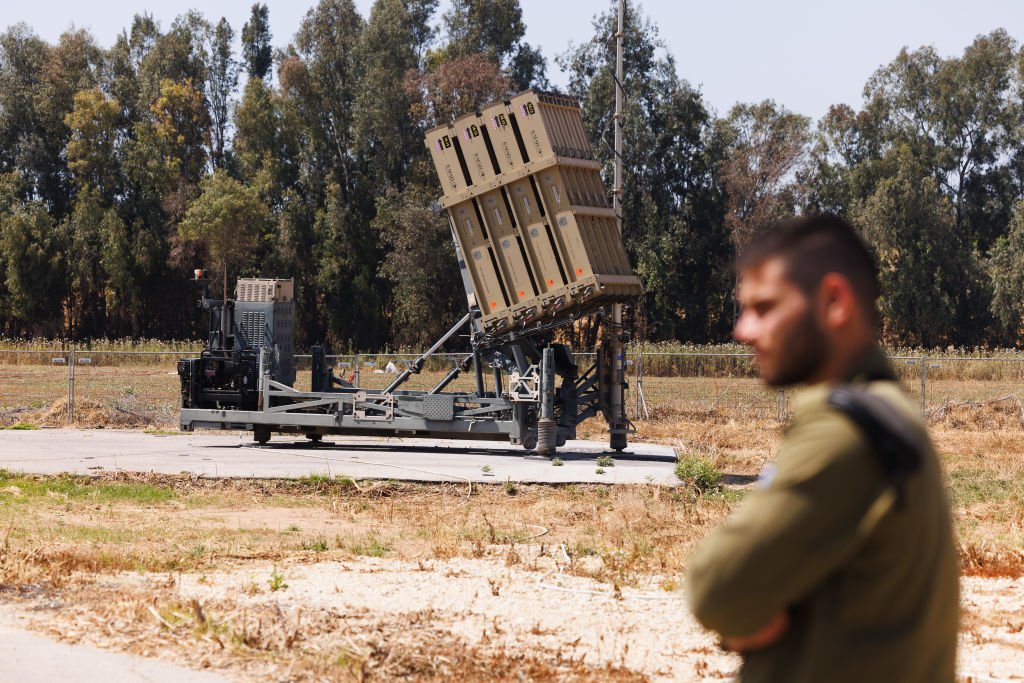
  • Israel in the Red Sea during the War in Gaza: Strategic insights

    In recent months, Israel’s situation in the Red Sea has grown increasingly challenging in the security, economic, and diplomatic spheres. But the country is in a better position to meet these challenges and threats by leveraging the strategic regional partnerships it has developed over the past several years.

    May 10, 2024

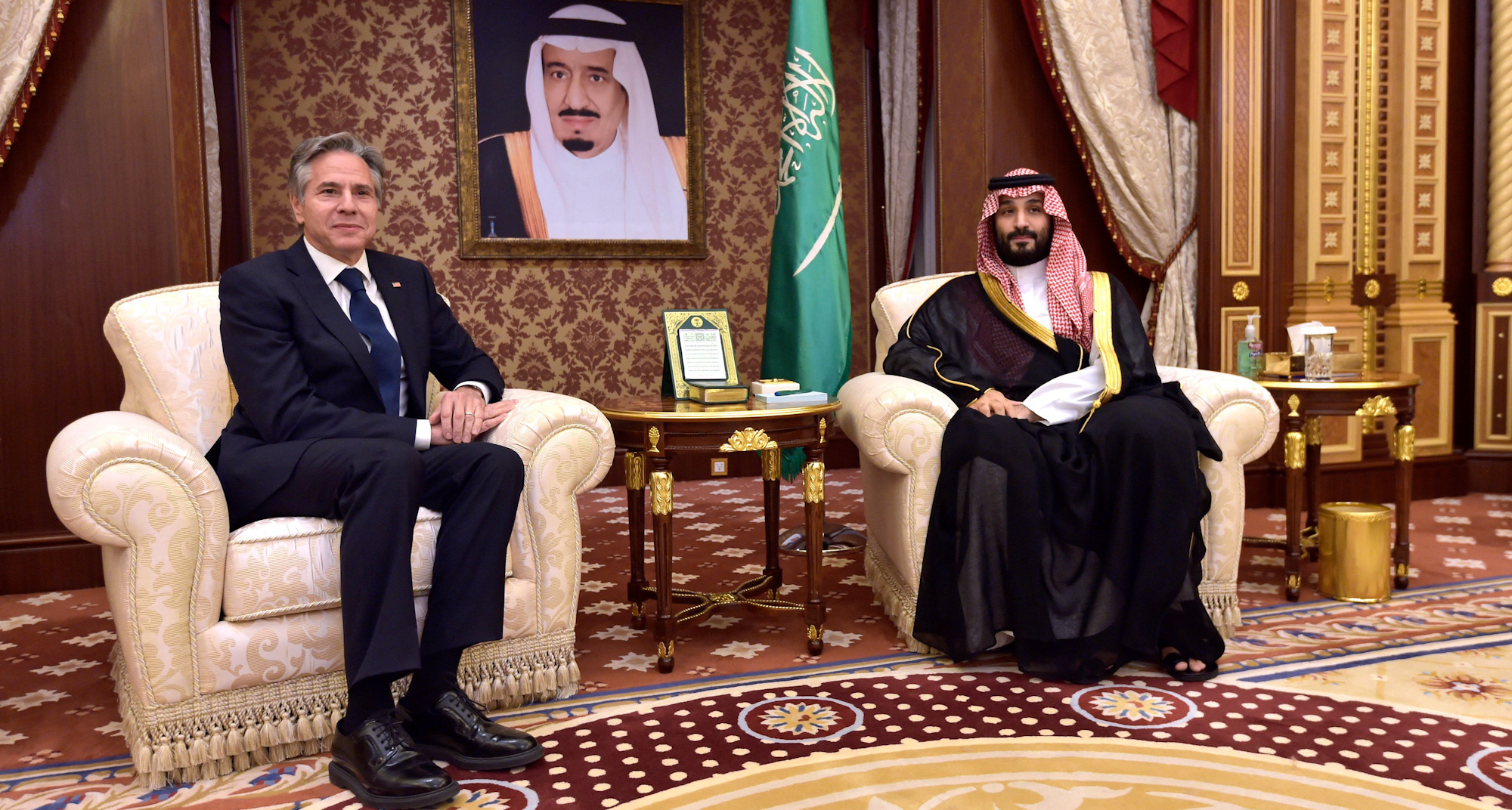
    US-Saudi accords must not remain hostage to normalization with Israel
    Photo by AMER HILABI/POOL/AFP via Getty Images
  • Commentary
  • US-Saudi accords must not remain hostage to normalization with Israel

    After Hamas’s unprecedented attack against Israel on Oct. 7, the siren song of Saudi-Israeli normalization risks wrecking the US-Saudi relationship against the rocks of stubborn geopolitical realities. An interim less-for-less approach in US-Saudi negotiations that doesn’t immediately require Senate approval nor is beholden to a much less certain Israeli-Palestinian peace process could set the stage for an even more consequential “mega deal” down the line.

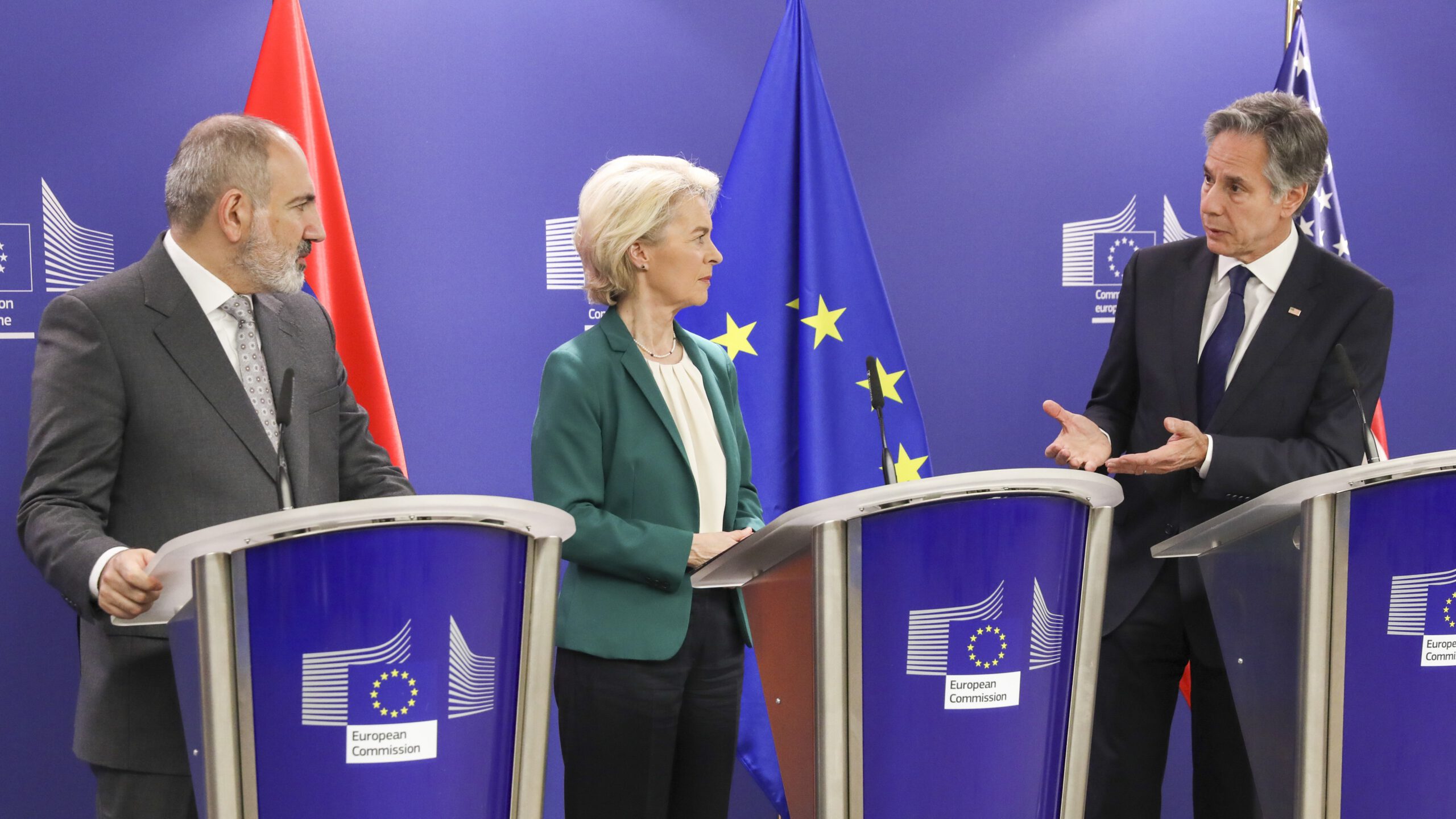
    As Armenia gradually reorients toward the West, Azerbaijan faces its own geopolitical choice
    Photo by Nicola Landemard/Anadolu via Getty Images
  • Analysis
  • As Armenia gradually reorients toward the West, Azerbaijan faces its own geopolitical choice

    In early April, a highly publicized trilateral meeting involving the United States, the European Union, and Armenia was widely believed to mark a turning point in Yerevan’s relationship with the West. If it comes to pass, it will present Baku with its own critical decision: whether to abandon multi-vectorism and more fully align with Russia or the West.

    May 6, 2024

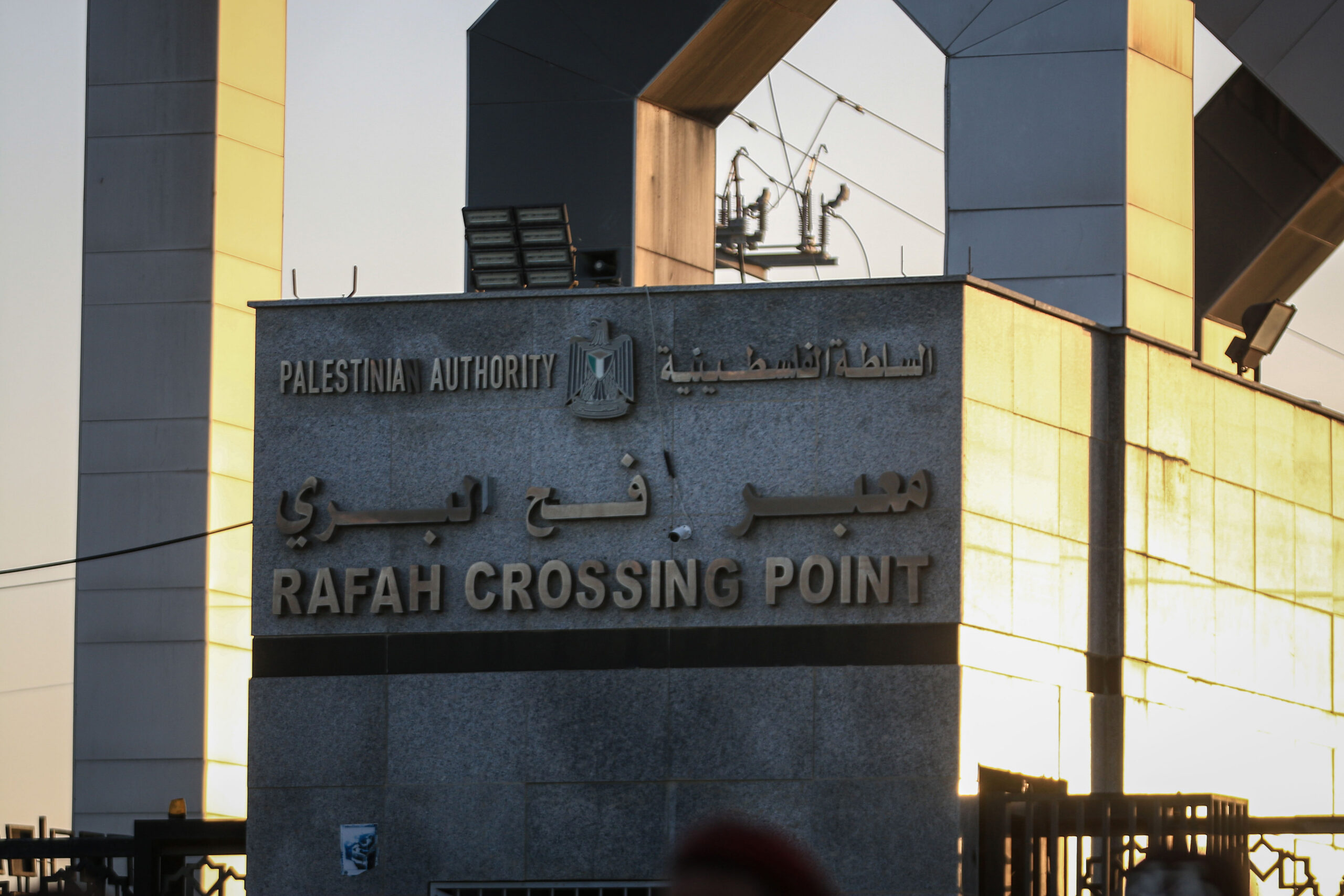
    The way out of the war in Gaza will shape Israel-Egypt relations for years
    Photo by Ahmad Salem/Bloomberg via Getty Images
  • Analysis
  • The way out of the war in Gaza will shape Israel-Egypt relations for years

    March 26, 2024, marked the 45th anniversary of the signing of the peace agreement between Israel and Egypt. Over the years, this bilateral settlement has proven its stability and resilience, despite a series of crucial challenges. Yet the Begin-Sadat legacy, and the benefits it brings, is now in jeopardy.

    May 3, 2024

    Evolving Middle Eastern imperatives on the Indo-Pakistan rivalry
    Photo by Royal Court of Saudi Arabia/Anadolu Agency via Getty Images
  • Analysis
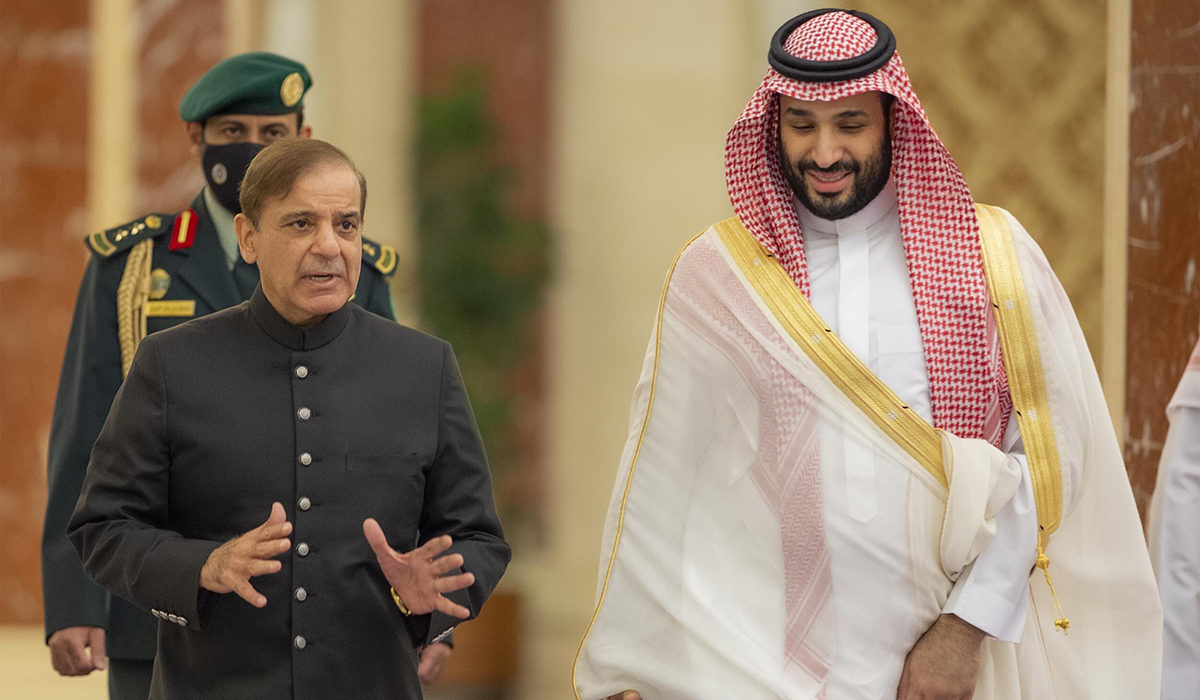
  • Evolving Middle Eastern imperatives on the Indo-Pakistan rivalry

    It was no surprise to see Pakistan’s new prime minister, Shehbaz Sharif, choose Saudi Arabia as the destination of his first official visit. What was more surprising, however, was the joint announcement that emerged from the trip, which called on Pakistan and India to resolve their outstanding disputes, especially the Jammu and Kashmir problem. There are several factors that have impelled Saudi Arabia and the United Arab Emirates to take on the tricky task of mediating the protracted rivalry between the two key South Asian states.

    April 30, 2024

    Expert Views: How should we navigate the new rules of the game in the Israel-Iran conflict?
    Photo by Morteza Nikoubazl/NurPhoto via Getty Images
  • Analysis
  • Expert Views: How should we navigate the new rules of the game in the Israel-Iran conflict?

    The month of April saw a series of unprecedented escalations in the long-simmering Iranian-Israeli conflict, with both countries launching missile and drone attacks against the other’s territory for the first time in history.

    In the wake of these strikes, what will be the impact on the regional security and political environment going forward, what is needed to stabilize the new rules of the game, and how can US diplomacy help to facilitate that process? MEI has asked its experts to weigh in.

    The Biden Administration’s Middle East Policy at a Time of War: An Assessment of US Policy Six Months Into the Israel-Hamas War
    Photo by EVELYN HOCKSTEIN/POOL/AFP via Getty Images
  • Analysis
  • The Biden Administration’s Middle East Policy at a Time of War: An Assessment of US Policy Six Months Into the Israel-Hamas War

    The Biden administration set forth five main objectives in reaction to the Oct. 7 Hamas attack against Israel and ensuing war in the Gaza Strip. Six months into the Israel-Hamas war, the Biden administration has not achieved enough progress toward these goals, although it has avoided some of the worst-case scenarios. Success is hampered in part by tensions stemming from the fact that some of the tactics and policy approaches are at odds with each other.

    Read the Middle East Journal

    The oldest peer-reviewed publication dedicated to the study of the modern Middle East, MEI’s flagship journal covers politics, society, and culture in the region.