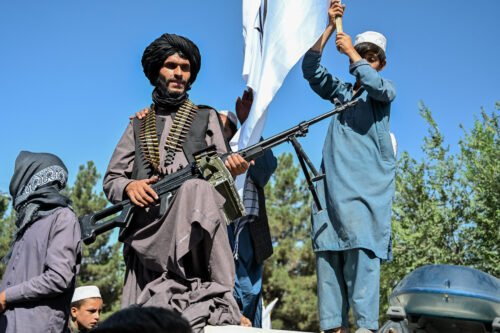
I was a teenage Afghan refugee in Pakistan’s tribal areas when the Twin Towers fell. Almost nobody around us understood the politics of what had happened, but we knew that something had changed for good. Afghanistan, which until then had been our private tragedy and our first exile from Taliban rule, had suddenly become the world’s concern, with the United States leading the response.
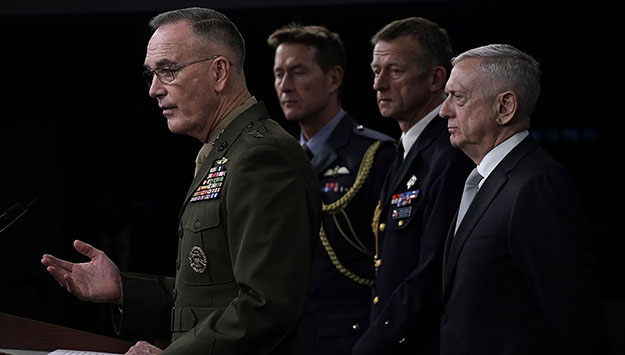
United States Central Command (CENTCOM), one of the US Department of Defense’s (DoD) six geographical combatant commands, is responsible for countering threats, responding to crises, and strengthening regional stability in the Middle East, Central Asia, and parts of South Asia.
A Strategic Conundrum: Pakistan’s Transit Corridor to Iran as Lifeline or Liability
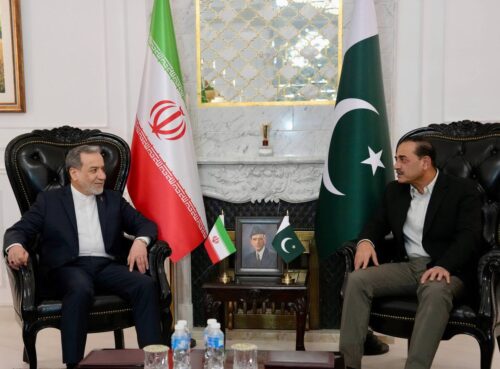
The US-Iran standoff over the Strait of Hormuz — disruptive to global trade and energy flows, and devastating for debt-burdened economies — has handed Pakistan an unexpected geoeconomic opportunity, one that may persist even if the framework agreement announced on June 14 results in a lasting peace and permanent reopening of the strait. But seizing it will have interlocking consequences for Islamabad’s ties with Tehran, Washington, and the Gulf states.
In this week’s Monday Briefing, MEI experts Charles Lister, Alex Vatanka, Randa Slim, and Marvin G. Weinbaum provide analysis on the US’s silence amid the Assad regime’s expansion, the Iranian president’s trip to Europe, the uptick in violence after Iraq’s elections, and the upcoming Pakistani parliamentary elections.
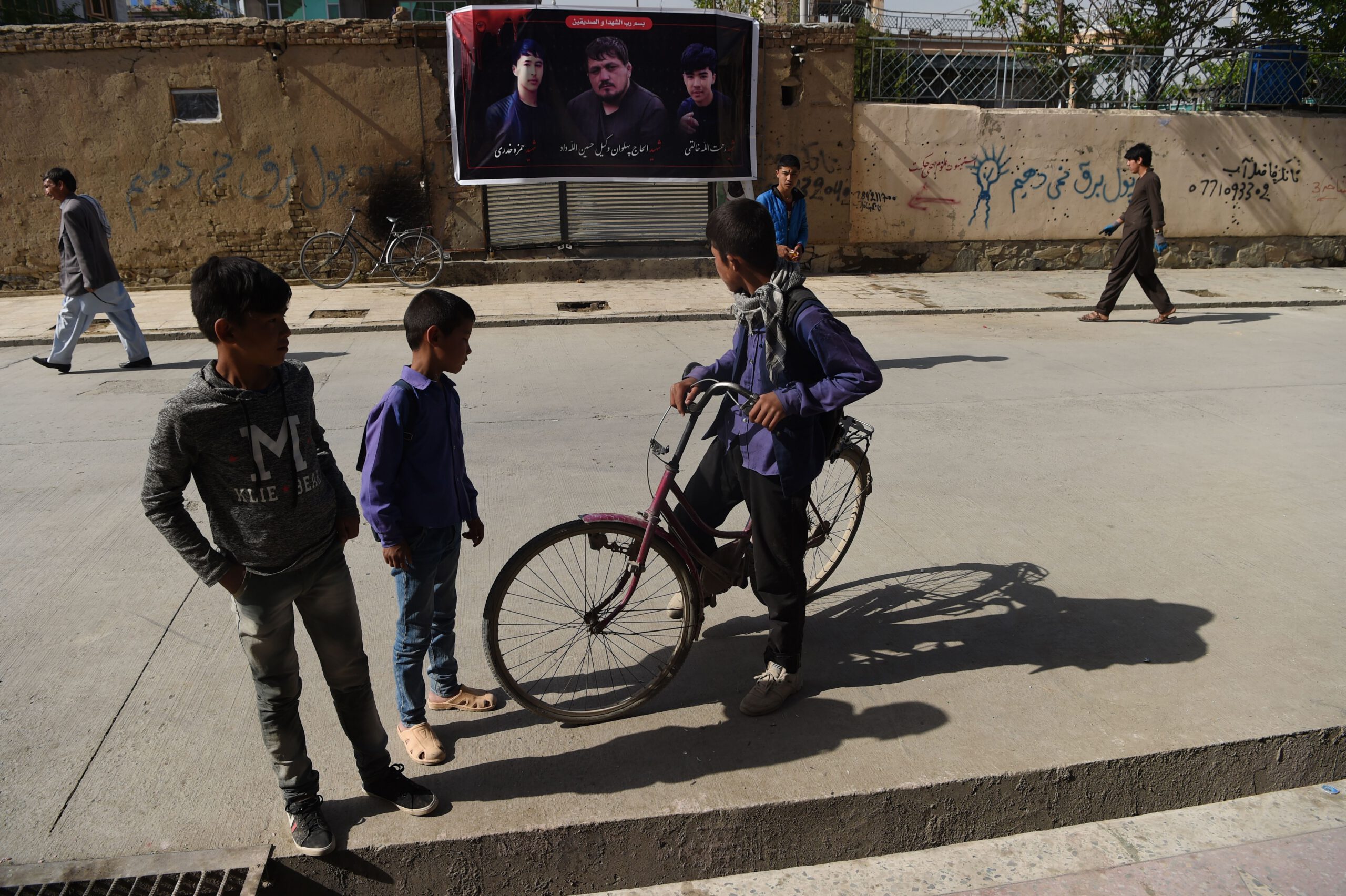
What lies ahead for Afghanistan: the various scenarios
The way forward in Afghanistan seems as unclear as it has ever been. An outright military victory against the Taliban and other insurgent groups appears to be unachievable. The prospect of insurgents overrunning the country soon appears similarly unlikely. At the same time, a negotiated peace seems presently improbable. At least on terms outlined by the Kabul government and international community, the Taliban shows little interest in reconciliation.
Europe has little wiggle room to keep Iran deal alive | Monday Briefing
In this week’s Monday Briefing, MEI experts Ahmad Majidyar, Alex Vatanka, Jean-François Seznec, Gerald Feierstein, Marvin G. Weinbaum, Gonul Tol, and Randa Slim provide analysis on recent and upcoming events including Europe’s scramble to salvage the Iran nuclear deal following the U.S. withdrawal, Iran’s response to Russia’s call for all foreign forces to leave Syria, a meeting by Saudi Arabia, the UAE and Russia to discuss the impact of new U.S. sanctions on Iran, the arrest of women’s rights activists in Saudi Arabia, new political tensions in Pakistan, a push in the U.S.
In this week’s Monday Briefing, MEI experts Charles Lister, Gerald Feierstein, W. Robert Pearson, and Marvin G. Weinbaum provide analysis on recent and upcoming events including the escalating deterrence between Israel and Iran, Pompeo’s pressure to resolve the Gulf crisis, Turkey’s increasing isolation, and the Pashtun protests in Pakistan.
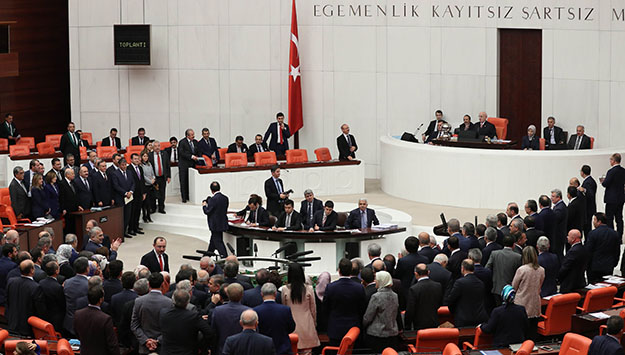
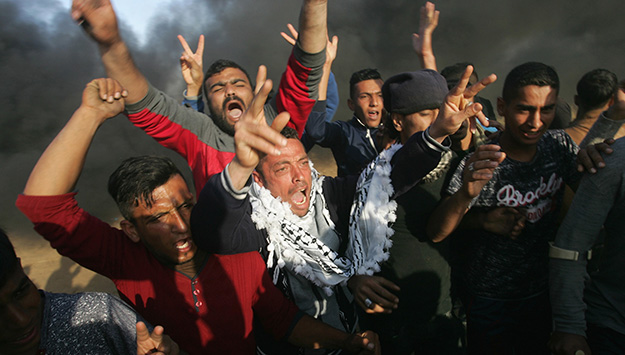
In this week’s Monday Briefing, MEI experts Gonul Tol, Paul Salem, Nathan Stock, Alex Vatanka, Gerald Feierstein, and Marvin G. Weinbaum provide analysis on recent and upcoming events including upcoming snap elections in Turkey, Lebanon’s Free Patriotic Movement party, protests in Gaza, the future of the Iran nuclear deal, Yemeni peace talks, and the ISKP attack on Shiite Hazaras.
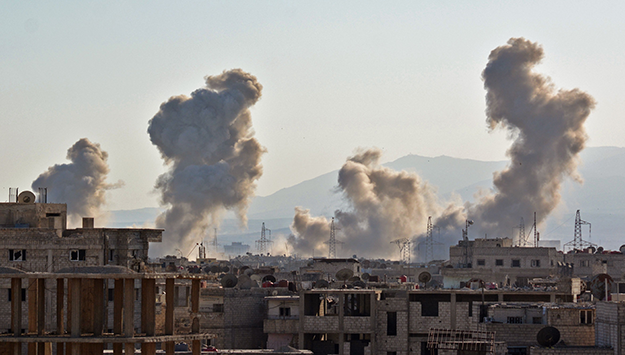
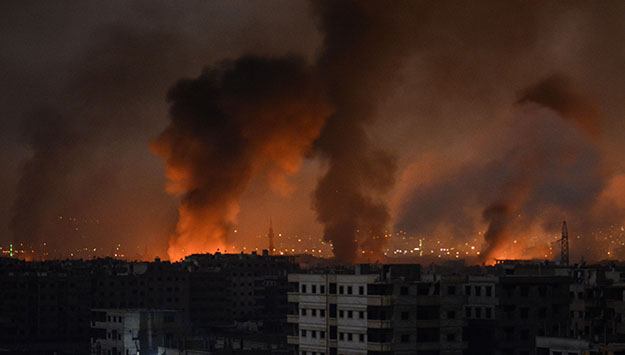
In this week’s Monday Briefing, MEI experts Charles Lister, Gonul Tol, Paul Salem, Alex Vatanka, and Marvin G. Weinbaum provide analysis on recent and upcoming events including the Syria strikes, Turkey’s Assad paradox, the Arab League summit, EU’s view of the Iran nuclear deal, and clashes along the Afghanistan-Pakistan border.
In this week’s Monday Briefing, MEI experts Paul Salem, Bilal Y. Saab, Marvin G. Weinbaum, and Charles Lister provide analysis on recent and upcoming events including the latest violence in Gaza, Gulf Shield-1 military drills, the Taliban’s resistance to peace, and the approaching Syria summit in Ankara.
Searching for the least worst option in Afghanistan
In her March 15 op-ed in The New York Times, “Tell the Truth About Afghanistan”, former National Security Advisor Susan Rice offers three “bad options” for the United States as a solution to the Afghan conflict: a limited engagement focusing on providing training, equipment, and advice for Afghan security forces which she argues would only slow down the Taliban; a complete withdrawal of troops, which would then leave the Afghan government prone to increased insurgency and interference from other i
A rare prospect for peace has come into sight in Afghanistan in the wake of Afghan President Ashraf Ghani’s bold offer to the Taliban. In a sweeping proposal, and for perhaps the first since the U.S.-led invasion of Afghanistan in 2001, Ghani suggested a cease-fire, removal of sanctions, prisoner release, recognition of the Taliban as a political party, fresh elections and a constitutional review. Speaking at the Kabul Process, a two-day Western-backed peace conference, Ghani has demonstrated remarkable boldness and vision.
Monday Briefing: Senate moves to end US engagement in Yemen conflict
In this week’s Monday Briefing, MEI experts Gerald Feierstein, Alex Vatanka, Nathan Stock, and Randa Slim provide analysis on recent and upcoming events including the Senate’s decision to pull out of Yemen, enduring Iran-Pakistan political strain, Egypt’s role in Palestinian reconciliation, and America’s dissolving influence in Syria.
Russia and Pakistan align their Afghanistan policies
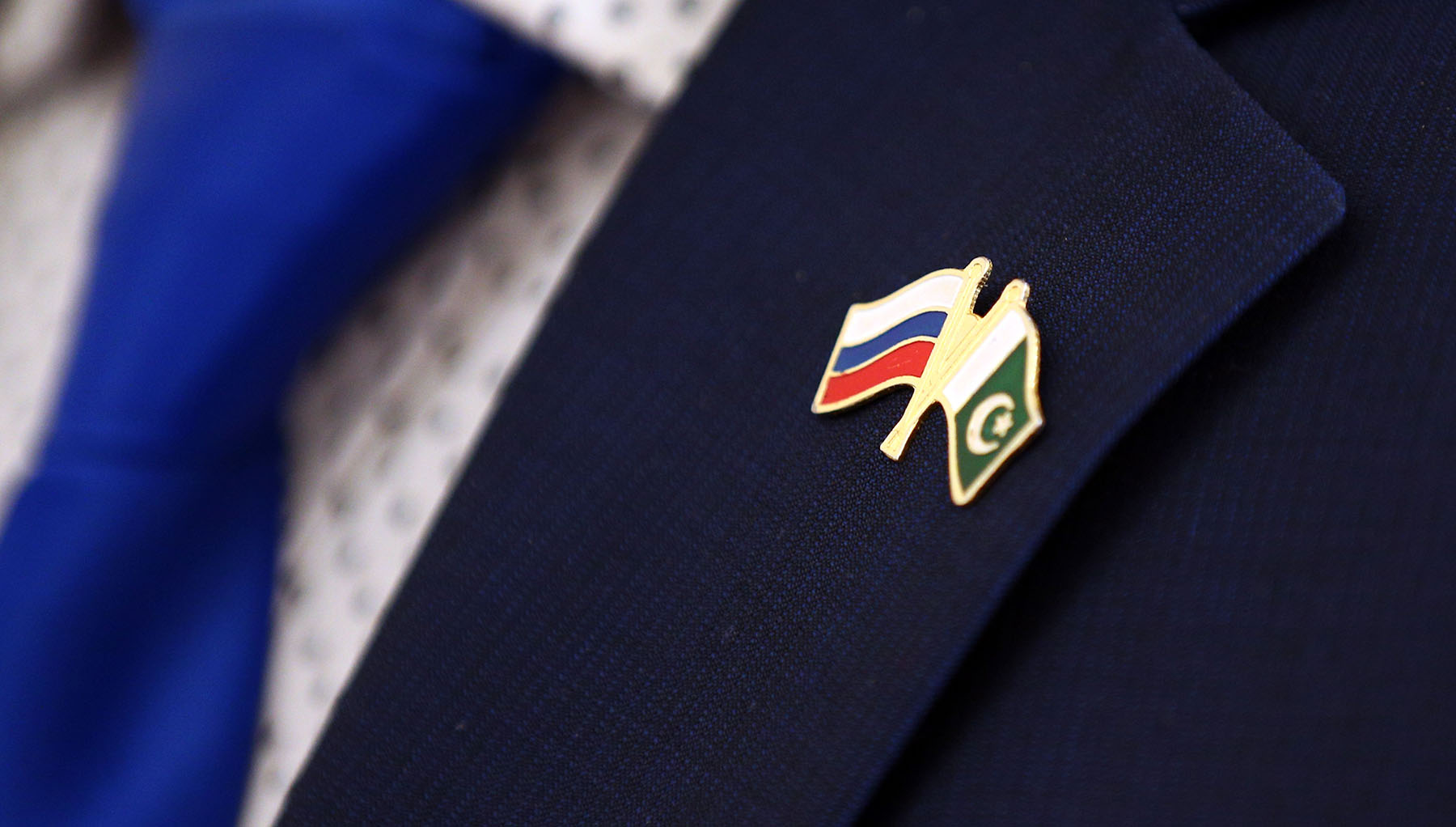
Pakistani foreign minister Khawaja Muhammad Asif’s visit to Russia from Feb. 19 to Feb. 22 was a desperate attempt by Islamabad to woo Moscow into countering mounting American pressure on Pakistan to close safe havens used by the Taliban, most notably the Haqqani network. However, the growing Moscow-Islamabad bonhomie is not good news for Washington’s current Afghan strategy, as it unmistakably signifies changing Russian perceptions and priorities in South Asia.