I was a teenage Afghan refugee in Pakistan’s tribal areas when the Twin Towers fell. Almost nobody around us understood the politics of what had happened, but we knew that something had changed for good. Afghanistan, which until then had been our private tragedy and our first exile from Taliban rule, had suddenly become the world’s concern, with the United States leading the response.
United States Central Command (CENTCOM), one of the US Department of Defense’s (DoD) six geographical combatant commands, is responsible for countering threats, responding to crises, and strengthening regional stability in the Middle East, Central Asia, and parts of South Asia.
A Strategic Conundrum: Pakistan’s Transit Corridor to Iran as Lifeline or Liability
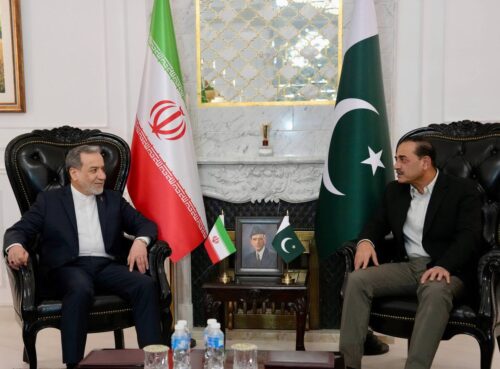
The US-Iran standoff over the Strait of Hormuz — disruptive to global trade and energy flows, and devastating for debt-burdened economies — has handed Pakistan an unexpected geoeconomic opportunity, one that may persist even if the framework agreement announced on June 14 results in a lasting peace and permanent reopening of the strait. But seizing it will have interlocking consequences for Islamabad’s ties with Tehran, Washington, and the Gulf states.
Iran Recruits and Trains Large Numbers of Afghan and Pakistani Shiites
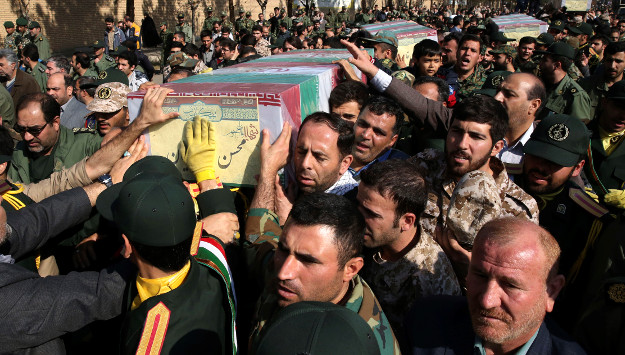
While much ink has been spilled about how Iran’s involvement in the Syrian civil war has fueled sectarianism and instability in the Arab world, the implications of Iran’s increasing recruitment of Afghan and Pakistani Shiites on security and stability in South Asia have largely been overlooked. Over the past five years, the Islamic Revolution Guards Corps (IRGC) has recruited, indoctrinated, trained and deployed thousands of Afghan and Pakistani Shiites to fight under its command against Sunni rebel groups across Syria.
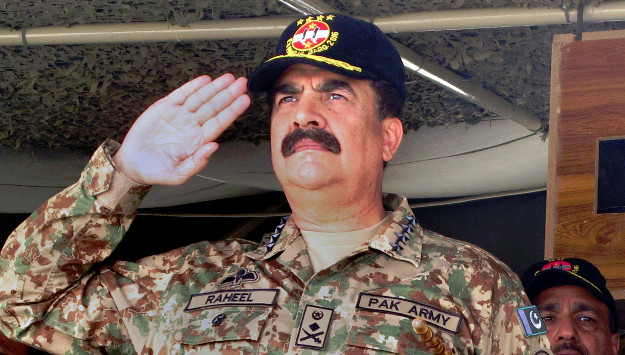
The recent announcement by Saudi Arabia that the retired Pakistani General Raheel Sharif will head a 39-member anti-terrorism coalition made of Muslim states is a matter of much concern in Tehran. Iran, which was not invited to join the coalition, regards the Saudi initiative as a regional project aimed to contain its influence.
Iranian Support for Taliban Alarms Afghan Officials
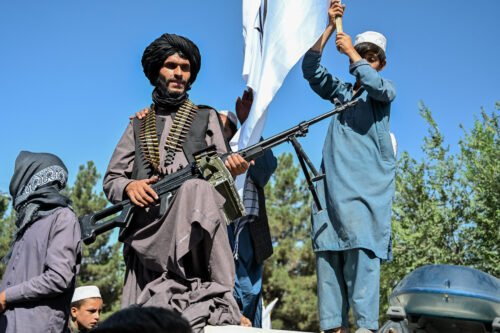
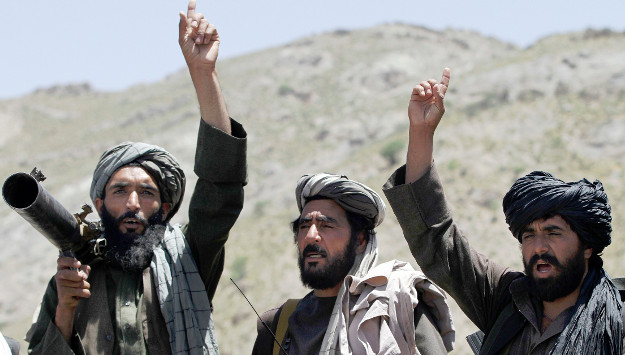
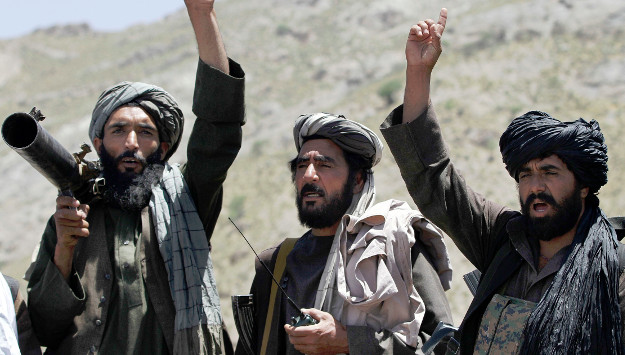
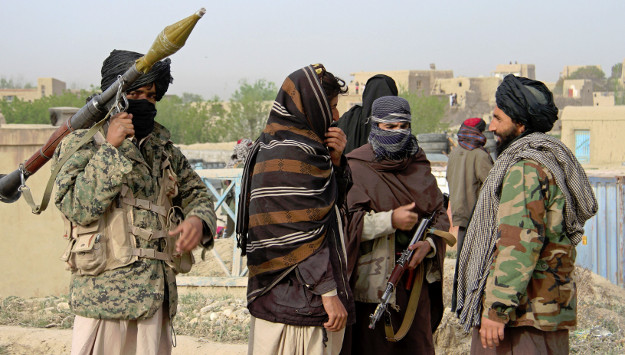
Afghan officials say the Iranian government has deepened its ties with the Taliban leadership and increasingly funds, shelters and arms terrorists fighting in Afghanistan, particularly in the three western provinces bordering Iran. They allege that the Islamic Revolution Guards Corps (IRGC) and its secretive Quds Force operatives recruit militants from across Afghanistan and run terrorist training camps for them inside the Iranian territory – further fueling the insurgency and complicating stabilization efforts in the war-ravaged country.
“There will be no peace in Afghanistan without Iran.” This was a remark a top Iranian diplomat made last week in an expansive interview with the country’s media.
The China-Pakistan Economic Corridor (CPEC): Underway and Under Threat
China is already Pakistan’s largest trade and defense partner. But the coming into operation of the CPEC lends a new meaning to, and could transform the relationship between these two “all-weather allies,” including insofar as their ties to the Middle East are concerned — provided that the territorial and maritime security challenges associated with the completion and use of this corridor can be satisfactorily addressed.
Iran Invites Terrorist Group to International Conference It Hosts
On December 15, Iran’s President Hassan Rouhani delivered a speech at the 30th International Islamic Unity Conference in Tehran. He spoke about the need for Muslim unity to fight “colonialist countries” and the “Zionist regime [Israel]” on the same day Iranian-backed militia fighters massacred Muslim civilians in Aleppo. He also called for collection action to fight terrorism.
A top Iranian religious figure has called on the Shiite minority in Pakistan to “stay united” and remain active and influential in society. Mohammad Hassan Akhtari, who is the head of the Iranian-controlled Ahl-ul Bayt – a Shiite-centric religious propaganda arm of the Iranian state – said that Iran “has no problems with majority of the Sunnis” but that its “fundamental conflict is with Wahhabis.”
Monday Briefing: Egypt Faces New Wave of Terrorist Attacks
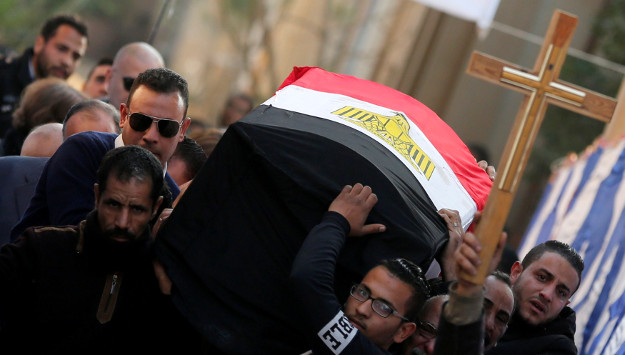
In this week’s Monday Briefing, MEI experts Paul Salem, Randa Slim, Charles Lister, Jean-François Seznec, Eran Etzion, and Marvin G. Weinbaum provide analysis on recent and upcoming events including yesterday’s terrorist attack on the Coptic Christian Cathedral in Cairo, the Sryian regime’s progress in retaking Aleppo, the continued threat presented by ISIS, the potential selection of Rex Tillerson as the next Secretary of State, Ash Carter’s farewell trip to Israel, and new Congressional pressure for Pakistan to crack down on the Haqqani Network.
In this week’s Monday Briefing, MEI experts Herman Franssen, Charles Lister, W. Robert Pearson, and Marvin G. Weinbaum provide analysis on recent and upcoming events including OPEC’s agreement to reduce oil output, the continuing offensive in Aleppo, Erdogan’s increasing executive powers, and deteriorating relations between Pakistan and India.
Iran’s Recruitment of Afghan, Pakistani Shiites Fuels Sectarianism
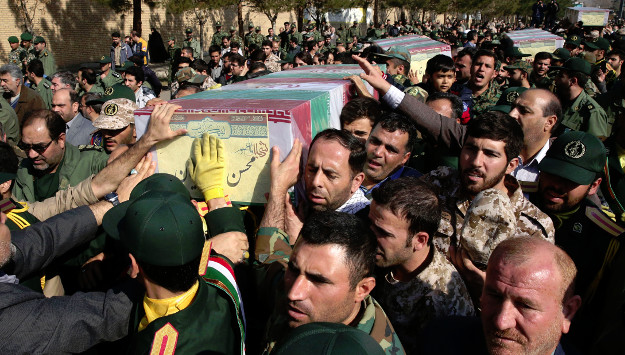
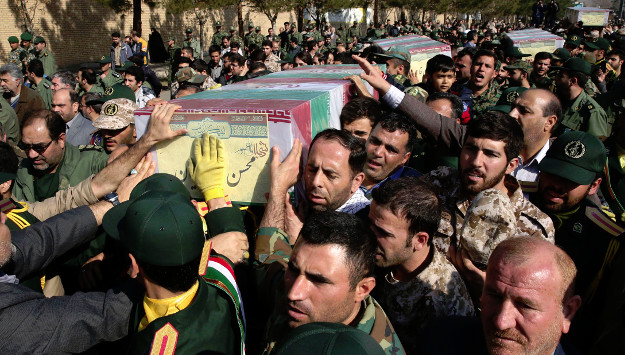
On November 30, hundreds of people gathered in the Iranian city of Qom to attend the funeral procession of several Afghan and Pakistani Shiites killed in Syria.
Iran Admits over 1,000 Combat Fatalities in Syrian Conflict
On November 22, a senior Iranian official admitted that more than 1,000 combatants dispatched by Iran to fight alongside President Bashar al-Assad’s forces have been killed in the Syrian war.
Tension Brewing between Iran, Afghanistan amid Allegations of Tehran Aiding Taliban
On November 15, Iranian Foreign Ministry Spokesman Bahram Qasemi refuted allegations by Afghan media and government officials that Tehran harbored Taliban leaders on its soil. “The presence of Taliban elements in Iran is baseless and unfounded,” he said, adding that Iran and Afghanistan had friendly relations and cooperated to ensure security and stability in the two countries.