This text has been translated by AI and may contain errors.
Skip to Content

Afghanistan-Pakistan

Countries

A Strategic Conundrum: Pakistan’s Transit Corridor to Iran as Lifeline or Liability
  • Analysis
  • A Strategic Conundrum: Pakistan’s Transit Corridor to Iran as Lifeline or Liability

    The US-Iran standoff over the Strait of Hormuz — disruptive to global trade and energy flows, and devastating for debt-burdened economies — has handed Pakistan an unexpected geoeconomic opportunity, one that may persist even if the framework agreement announced on June 14 results in a lasting peace and permanent reopening of the strait. But seizing it will have interlocking consequences for Islamabad’s ties with Tehran, Washington, and the Gulf states.

    June 17, 2026

    Russia’s Taliban Embrace Signals a New Power Shift in Afghanistan
  • Commentary
  • Russia’s Taliban Embrace Signals a New Power Shift in Afghanistan

    Sometimes the only thing more frightening than Afghanistan’s problems is the Taliban’s solutions and the recently signed Russia-Taliban military-technical agreement may be the most alarming one yet. The partnership signals that Afghanistan’s security architecture is being rebuilt without the United States, and increasingly by America’s rivals. Washington should pay close attention because the deal hands one of the world’s most repressive regimes a pathway to becoming more capable and deeply entrenched in a regional order where Russian influence is expanding at America’s expense.

    The Pakistani General Running Washington’s Backchannel to Tehran
  • Commentary
  • The Pakistani General Running Washington’s Backchannel to Tehran

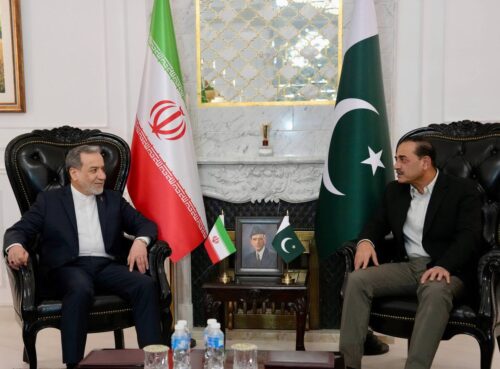
    As Washington and Tehran edge closer to escalation, the most critical line of communication keeping the crisis from spiraling is being run not by polished diplomats, but by an unlikely figure: a Pakistani general. Field Marshal Asim Munir, Pakistan’s powerful army chief, has quietly become the key intermediary in the U.S.-Iran standoff, managing what may be the most important backchannel between the two sides. The mediation has thrust Pakistan to the center of the crisis while exposing it to enormous risk.

    The Latest

    Filter by
    1187 Results
    Sectarian Violence in Balochistan
    Middle East Institute
  • Analysis
  • Sectarian Violence in Balochistan

    This article surveys and critically evaluates sectarian conflicts and trends in Balochistan during the War on Terror, concentrating primarily on the predominantly Shi‘i Hazara community based in Quetta.

    June 18, 2015

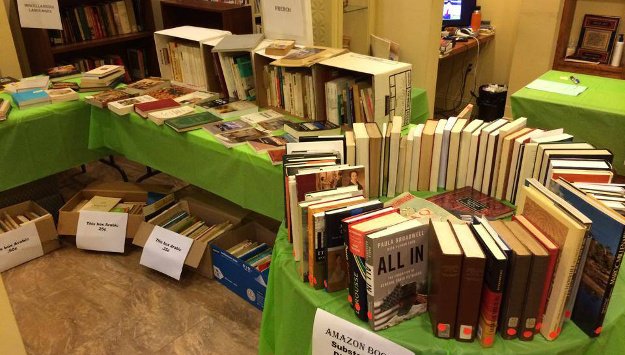
    Annual MEI Library Book Fair

    Annual MEI Library Book Fair

    June 13 – January 1, 1970, June 13 - 10:00 AM – 12:00 AM
    January 1 - 10:00 AM – 12:00 AM

    The Oman Library at the Middle East Institute, 1761 N Street NW, Washington , District of Columbia 20036

    Countering Violent Extremism: Local and Global Approaches
    Middle East Institute

    Countering Violent Extremism: Local and Global Approaches

    June 12 – January 1, 1970, June 12 - 9:00 AM – 12:00 AM
    January 1 - 9:00 AM – 12:00 AM

    National Press Club, 529 14th St, NW, 13th Floor, Washington, District of Columbia 20045

    Can Kabul and Islamabad Cooperate Effectively on Counterterrorism?
  • Analysis
  • Can Kabul and Islamabad Cooperate Effectively on Counterterrorism?

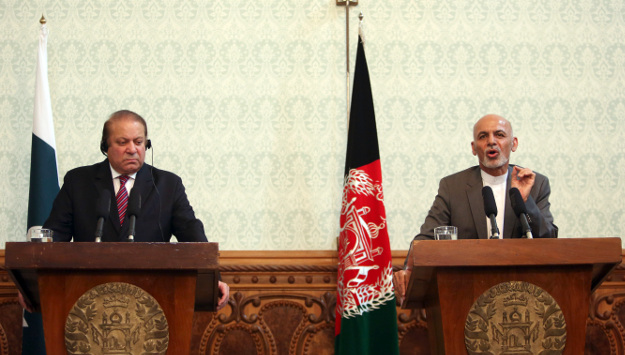
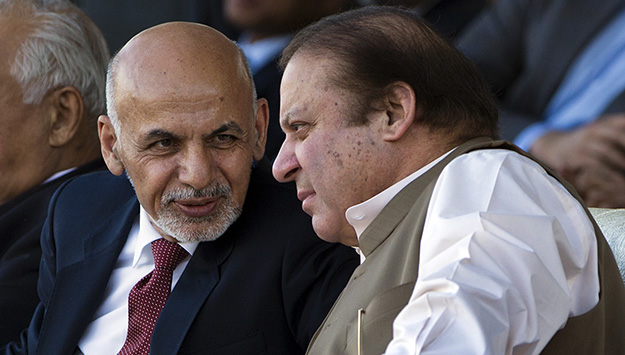
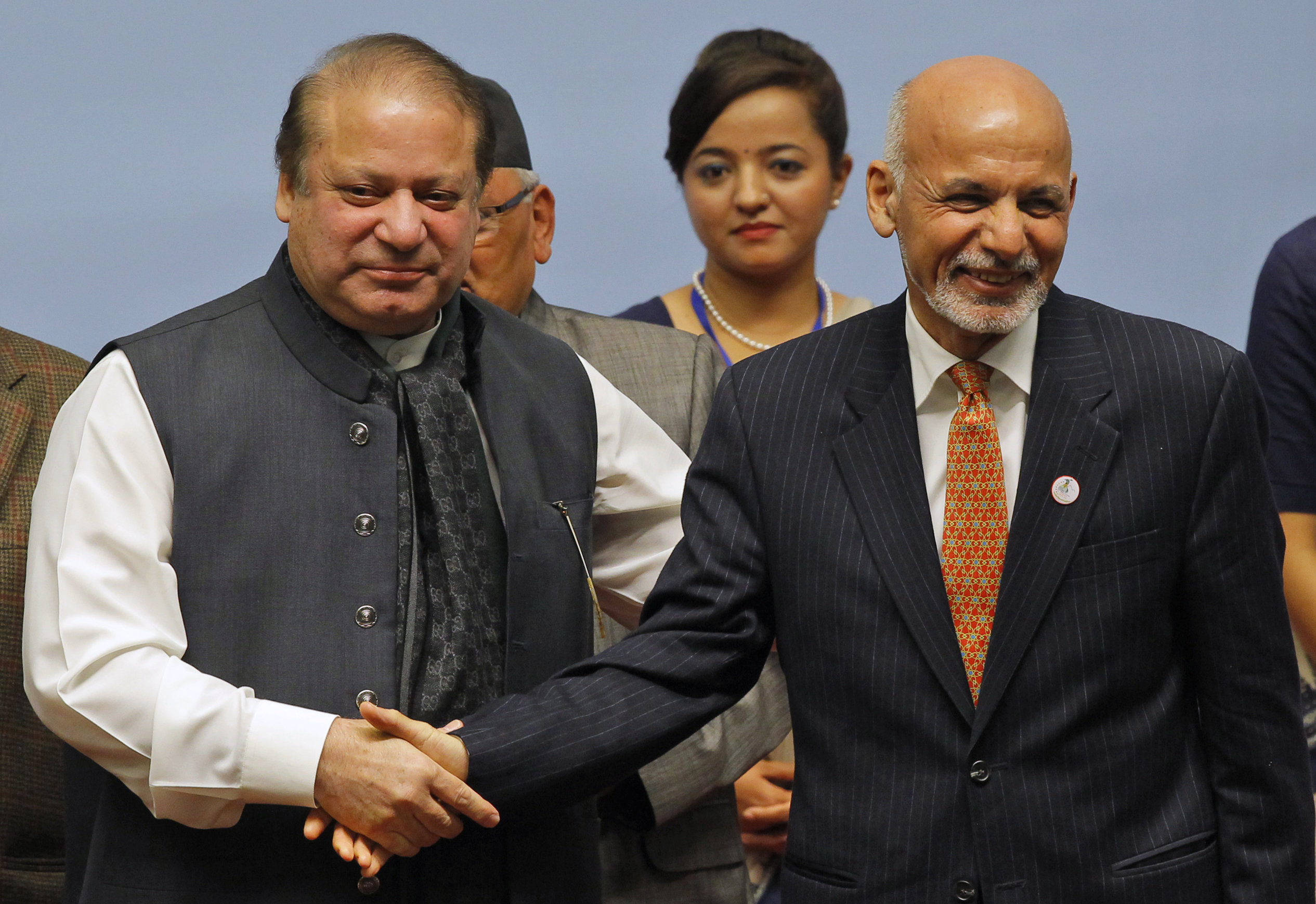
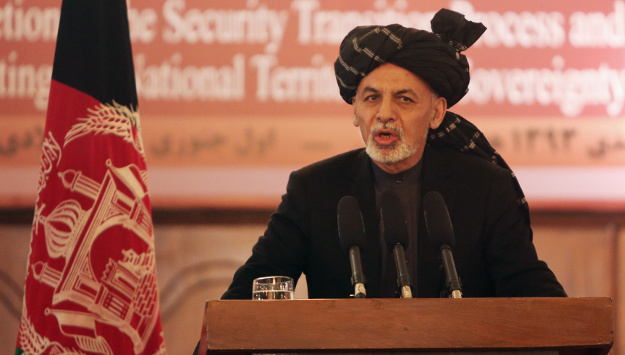
    Soon after Ashraf Ghani and Abdullah Abdullah formed a unity government in Afghanistan in September 2014, there were signs of rapprochement between Kabul and Islamabad. When President Ghani visited Pakistan in November, he went to the army’s headquarters in Rawalpindi and laid a wreath at the monument to the country’s fallen soldiers—an indication that the Kabul government had come to an understanding with the Pakistani army, which controls the country’s Afghan policy.

    June 3, 2015

    Sectarian Violence and Intolerance in Pakistan
  • Analysis
  • Sectarian Violence and Intolerance in Pakistan

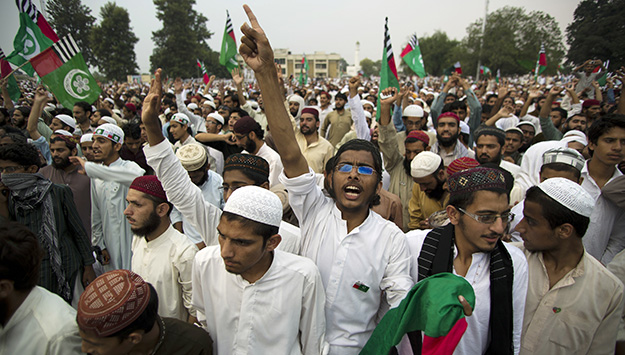
    On May 13, more than 40 people were killed and at least 13 injured in a gun attack on a bus carrying members of the minority Ismaili Shi‘i sect in Karachi, Pakistan. This was not the deadliest attack of the year, as that dubious honor goes to a suicide bombing in a district in Sindh, which left 61 Shi‘a dead in January. Yet the brazen nature of the attack―carried out in daylight in the bustling megacity of Karachi by gunmen who reportedly boarded the bus and shot at passengers indiscriminately―was striking even in a country where over 2,000 people have been killed and 3,500 injured in sectarian attacks in the past five years.

    May 27, 2015

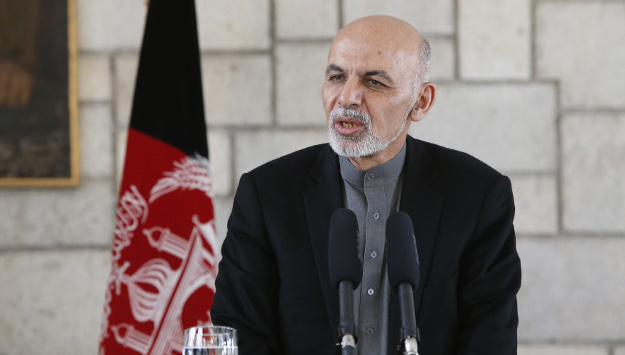
    Afghan-Pakistani Reconciliation: A Brief Thaw, or Something More?

    Afghan-Pakistani Reconciliation: A Brief Thaw, or Something More?

    May 20 – January 1, 1970, May 20 - 12:00 PM – 12:00 AM
    January 1 - 12:00 PM – 12:00 AM

    Carnegie Endowment for International Peace, 1779 Massachusetts Ave NW, Washington, District of Columbia 20036

    Pakistan’s Balancing Act Between Saudi Arabia and Iran
    Middle East Institute
  • Analysis
  • Pakistan’s Balancing Act Between Saudi Arabia and Iran

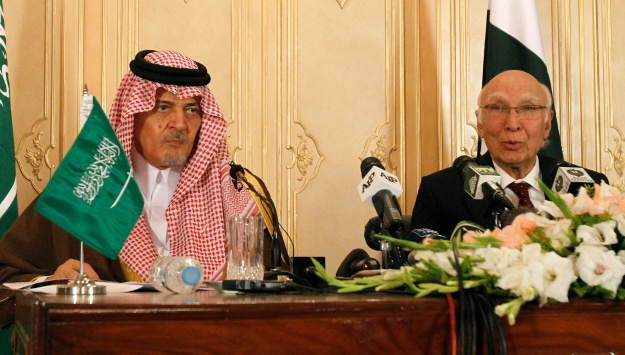
    April 23, 2015 – Marvin Weinbaum, director of the Center for Pakistan Studies at The Middle East Institute, explains Pakistan’s decision not to provide military aid for Saudi Arabia’s operation in Yemen, and how Prime Minister Sharif is working to repair relations with Riyadh.
    Kalaam-e-Arifaan: Poetry of Mystics and Sufis

    Kalaam-e-Arifaan: Poetry of Mystics and Sufis

    April 16 – January 1, 1970, April 16 - 6:00 PM – 12:00 AM
    January 1 - 6:00 PM – 12:00 AM

    The Oman Library at the Middle East Institute, 1761 N Street NW, Washington, District of Columbia 20036

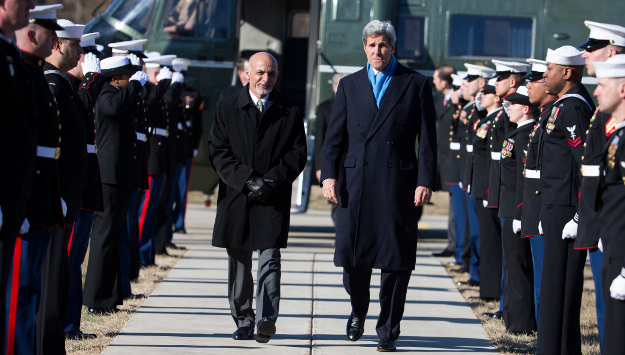
    America's Future Role in Afghanistan

    America's Future Role in Afghanistan

    April 2 – January 1, 1970, April 2 - 12:30 PM – 12:00 AM
    January 1 - 12:30 PM – 12:00 AM

    SEIU Conference Center, 1800 Massachusetts Ave NW, Washington, District of Columbia 20036

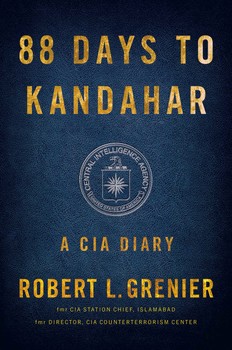
    88 Days to Kandahar: A CIA Diary

    88 Days to Kandahar: A CIA Diary

    February 5 – January 1, 1970, February 5 - 12:00 PM – 12:00 AM
    January 1 - 12:00 PM – 12:00 AM

    The Middle East Institute, 1761 N Street NW, Washington, District of Columbia 20036

    Time for Pakistan to Get Tough on Terrorism
  • Analysis
  • Time for Pakistan to Get Tough on Terrorism

    This article, co-written by James P. Farwell, was first published by The National Interest.

    Shot in both legs, Shahruh Khan survived the Taliban attack on the Army Public School in Peshawar, Pakistan. “The man with big boots,” Al Jazeera quoted Khan as saying, “kept on looking for students and pumping bullets into their bodies.”

    Vulnerabilities and Resistance to Islamist Radicalization in India
  • Analysis
  • Vulnerabilities and Resistance to Islamist Radicalization in India

    India has long remained an enigma within the discourse on the Islamist extremism and terrorism that have afflicted widening areas of the world. The emergence of the Islamic State (ISIS) and its appeal to significant numbers of radicalized Muslims have highlighted ambiguities surrounding the role of these ideologies in India. Fighters from at least 82 countries are said to have joined ISIS. Western countries with tiny Muslim populations and long-standing programs intended to counter the trends toward radicalization of Muslims have found that scores—even hundreds—of their citizens are involved in the fighting in Iraq and Syria. By comparison, India, with a Muslim population of about 176 million (well over twice the total population of Europe), has seen an estimated 18 radicalized Muslims join ISIS in Iraq-Syria.

    January 12, 2015

    Read the Middle East Journal

    The oldest peer-reviewed publication dedicated to the study of the modern Middle East, MEI’s flagship journal covers politics, society, and culture in the region.