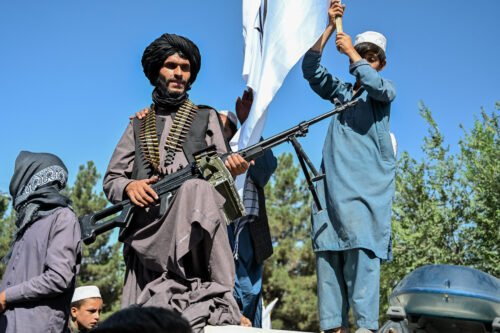
I was a teenage Afghan refugee in Pakistan’s tribal areas when the Twin Towers fell. Almost nobody around us understood the politics of what had happened, but we knew that something had changed for good. Afghanistan, which until then had been our private tragedy and our first exile from Taliban rule, had suddenly become the world’s concern, with the United States leading the response.
United States Central Command (CENTCOM), one of the US Department of Defense’s (DoD) six geographical combatant commands, is responsible for countering threats, responding to crises, and strengthening regional stability in the Middle East, Central Asia, and parts of South Asia.
A Strategic Conundrum: Pakistan’s Transit Corridor to Iran as Lifeline or Liability
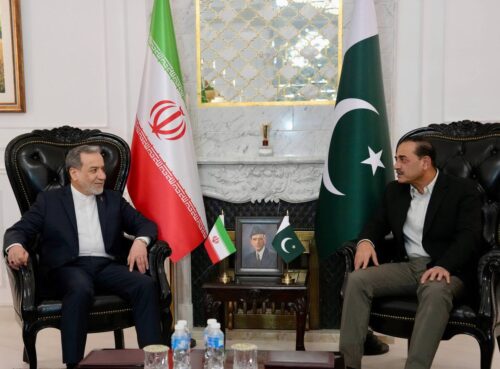
The US-Iran standoff over the Strait of Hormuz — disruptive to global trade and energy flows, and devastating for debt-burdened economies — has handed Pakistan an unexpected geoeconomic opportunity, one that may persist even if the framework agreement announced on June 14 results in a lasting peace and permanent reopening of the strait. But seizing it will have interlocking consequences for Islamabad’s ties with Tehran, Washington, and the Gulf states.
Land Grab in Sherpur: Monuments to Powerlessness, Impunity, and Inaction
Originally posted December 2009
In September 2003, armed police and bulldozers violently ejected around 250 people from land in central Kabul and demolished their homes to make way for the lavish mansions of the freshly empowered elite.[1] Sherpur, as the area is known, lies in the shadow of the diplomatic enclave and as such is some of the most valuable land in the capital.
Intimidating, Assassinating, and Leading: Two Early Mujahidin Commanders Reflect on Building Resistance Fronts
Originally posted December 2009
Saleh Mohammad and Ezzatullah Atif[1] were among the angry young Afghans who, in the first three years after the 1978 coup, drove their government out of the countryside. Mobilizing the youth of their areas into clandestine networks and then refashioning these into jabhas (resistance fronts) was their first experience of leadership. Their successful mobilization laid the foundations of the war of attrition, which eventually defeated the Soviet Union and toppled its client government.
Mullah Omar Wants You! Taliban Mobilization Strategies or Motivations for Joining the Insurgency
Originally posted December 2009
The Taliban insurgency in Afghanistan seemingly benefits from an unlimited reservoir of “foot soldiers” ready to take up the fight against the Afghan government and its international military supporters. The foot soldiers’ motivation is often attributed to ideology, poverty, and/or a lack of education. However, the ability of the Taliban insurgency to mobilize recruits is complex and driven by a mix of political, economic, and social factors.
Repeating History: Parallels between Mujahidin Tactics and Afghanistan’s Current Insurgency
Originally posted December 2009
Since 1747, all of the invaders or occupiers of Afghanistan have made almost the same mistakes. All were obliged to leave Afghanistan, resulting in the downfall or demise of their empires. In general, Afghans are independent thinkers and believe their own way of life to be the best. Interfering in their day-to-day affairs brings animosity and hatred against their would-be rulers, occupiers, and invaders. Nor do Afghans accept the imposition of rulers or types of government which would clash with their basic values.