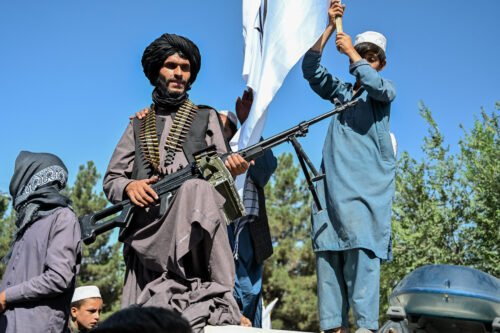
I was a teenage Afghan refugee in Pakistan’s tribal areas when the Twin Towers fell. Almost nobody around us understood the politics of what had happened, but we knew that something had changed for good. Afghanistan, which until then had been our private tragedy and our first exile from Taliban rule, had suddenly become the world’s concern, with the United States leading the response.
United States Central Command (CENTCOM), one of the US Department of Defense’s (DoD) six geographical combatant commands, is responsible for countering threats, responding to crises, and strengthening regional stability in the Middle East, Central Asia, and parts of South Asia.
A Strategic Conundrum: Pakistan’s Transit Corridor to Iran as Lifeline or Liability
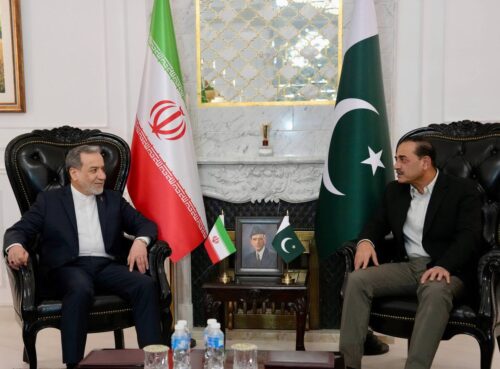
The US-Iran standoff over the Strait of Hormuz — disruptive to global trade and energy flows, and devastating for debt-burdened economies — has handed Pakistan an unexpected geoeconomic opportunity, one that may persist even if the framework agreement announced on June 14 results in a lasting peace and permanent reopening of the strait. But seizing it will have interlocking consequences for Islamabad’s ties with Tehran, Washington, and the Gulf states.
Writing on Culture: The Missing Factor in Discussions on the Middle East
The Middle East Institute is proud to host MEI scholar Andrea Rugh for a discussion about Middle Eastern culture and her most recent book, Simple Gestures: A Cultural Journey Into the Middle East. Since US involvement in Iraq and Afghanistan, the importance of culture has become all too clear. Yet, although most scholars agree on its importance, few address culture in ways that provide better understanding to audiences who might benefit, such as policy makers, the media and the American public.
This Op/Ed was published first on February 3, 2010 by McClatchy Tribune.
The bipartisan Kerry Lugar Bill provides a multi-year, super-sized economic aid program to the people of Pakistan. This is the right approach to improved US-Pakistan relations. The majority of Pakistanis distrust the US because they believe we favor military dictators over civilian democrats and are quick to abandon promised economic aid programs once we have achieved our security goals.
Iranian Migrants in the Arab Countries of the Persian Gulf
This essay examines migration from the Iranian coastal region of the Persian Gulf to the nearby Arab countries. At the center of this research are questions of cross-border relationships, the construction of transnational spaces in border migration, and strategies for maintaining networks in both the home and host countries.
In his book From My Memories, Khaled Sediq recounts the following incident from the mid-1960s regarding a visit by him and some other members of his family to Mohammad Zahir, King of Afghanistan from 1933 to 1973:
Finally, after uttering some conventional statements, such as, Afghanistan belongs to you and you belong to Afghanistan, he also added: ‘Even though unpleasant events have happened, yet, I have forgotten about them, you, too, try to forget.’[1]
From Identity Crisis to Identity in Crisis in Afghanistan
When social order is politically disturbed in a society like Afghanistan, inter- and intra-group dynamics set forces in motion that cannot be harnessed once unleashed. While group dynamics dictate, for instance, that majorities behave as an integrative and cohesive force as their sense of loyalty lies in the wellbeing of the collective whole, a minority’s interests may on occasion diverge in the pursuit of greener pastures across the fence, allowing themselves to be used as vulnerable pawns by others.
Secretary Clinton’s visit to Pakistan has been a serious attempt to use public diplomacy to help the troubled US Pakistan relations. Her reaching out to people with a mix of soft power and hard talk was refreshing. It is time to ‘clear the air’ she said. But a lot more work needs to be done in the realm of policy to bring about a meaningful change in the relationship. The problems between Pakistan and the United States, referred to as the “trust deficit” for want of a better word, are many and mask much complexity at the heart of policy and systemic issues on both sides.
Since 2007, Pakistan, though not on the verge of becoming a failed state, nonetheless has been gripped by a series of interrelated crises. As the contributors to this volume demonstrate, Pakistan’s current travails have deep and tangled historical roots. They also demonstrate that Pakistan’s domestic situation historically has been influenced by, and has affected developments in neighboring countries as well as those farther afield.
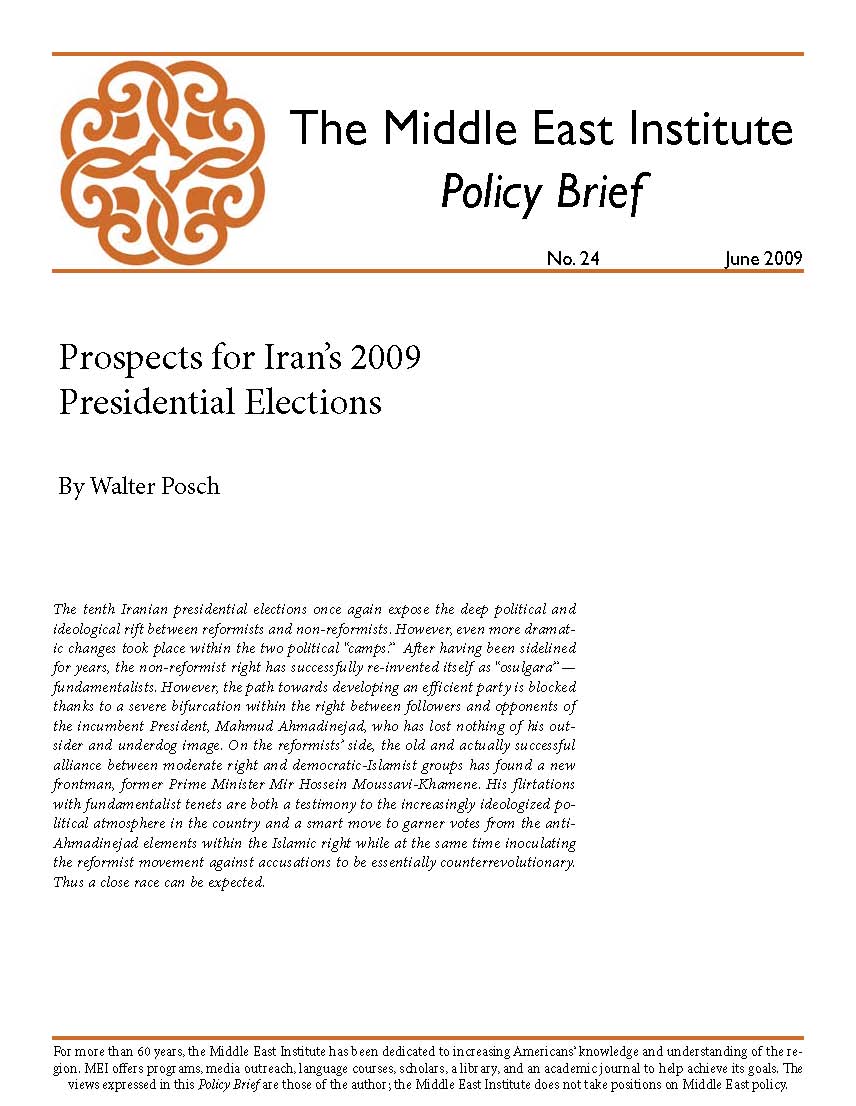
Iran’s political system has not yet developed stable party structures. Most parties are still loose coalitions of individuals and interest groups that combine their own interpretation of Ayatollah Ruhollah Khomeini’s legacy with their personal interests. As party affiliation remains relatively weak, members of one party often have run as candidates for another party or are on several electoral lists. Similarly, unregistered parties or electoral platforms also field candidates for both presidential and parliamentary elections on an ad hoc basis.