After decades of political setbacks, Iran’s former Revolutionary Guards commander has returned to the center of power. Is he an incidental beneficiary of war, or have observers underestimated him all along?
The Unavoidable Neighbor: Managing Iran Beyond the War
Gulf states and their partners are increasingly looking beyond their most immediate interests of containing the war with Iran. While recent talks between Saudi Arabia, Turkey, Pakistan, and Iran have kept de-escalation on the agenda, a broader regional security framework and non-aggression pact has also emerged, envisioning a longer-lasting solution to regional conflicts. The talks have yet to produce a settlement, but they reflect a growing recognition that Gulf security cannot depend entirely on Washington. Iran will still be there, and its neighbors will have to find ways of living with it.
Recent Elections and What They May Mean for the Middle East
Recent elections for the Israeli Knesset and American Congress may make less of a difference in the Middle East than some people think. Elections are significant indicators of national political trends, but do not always translate into changes in national security strategies. That is likely the case now in both nations.
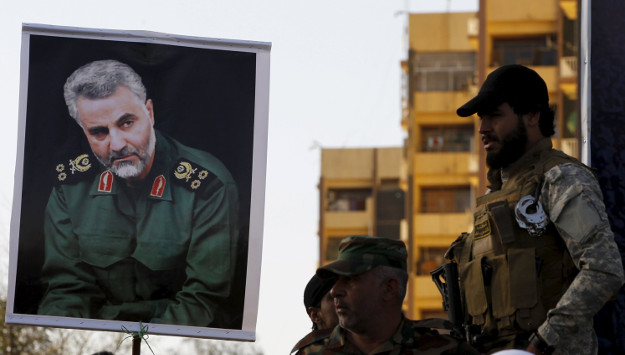
Iran’s Soleimani Reportedly in Iraqi Kurdistan to Influence Referendum Talks
Major General Qassem Soleimani, the head of the Islamic Revolution Guards Corps (I.R.G.C.)’s elite Quds Force, has traveled to the Iraqi Kurdish city of Sulaymaniyah as Kurdish political leaders are discussing plans to hold referendum on the political fate of the Iraqi Kurdistan region this year,
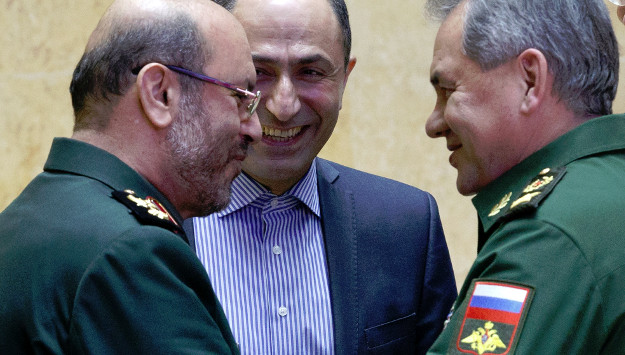
Iran's Defense Minister Tells Moscow: U.S. “Should Pay Heavy Price” for Future Syria Attacks
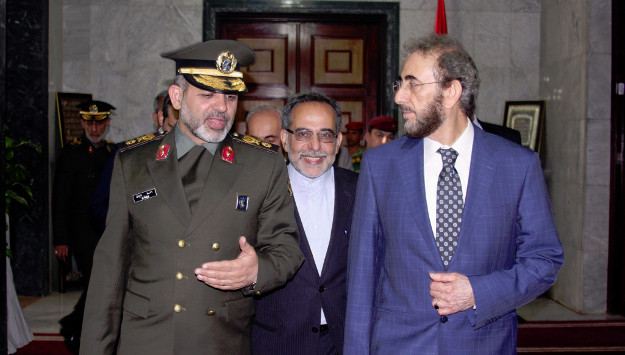
Iranian Defense Minister Hossein Dehghan today had separate phone conversations with his Russian and Syrian counterparts and warned that the United States should pay a heavy price for any future attacks against the regime of Iran’s ally Bashar al-Assad in Syria, the Iranian media reported.
The Aftermath of U.S. Airstrikes in Syria | Monday Briefing
In this week’s Monday Briefing, MEI experts Paul Salem, Randa Slim, Charles Lister, Gonul Tol, and Alex Vatanka provide analysis on recent and upcoming events including the need for an overarching strategy in Syria following U.S. airstrikes, Secretary of State Tillerson’s upcoming visit to Moscow, the likely aftermath of U.S. airstrikes in Syria, Turkey’s growing frustration with U.S. strategy in Syria, and the rise of a hardliner challenger to Rouhani in the upcoming Iranian presidential election.
A joint operational command center of Syrian President Bashar al-Assad’s foreign backers has warned that it will forcefully respond to any future U.S. military attack against Syria, the Iranian media reports.
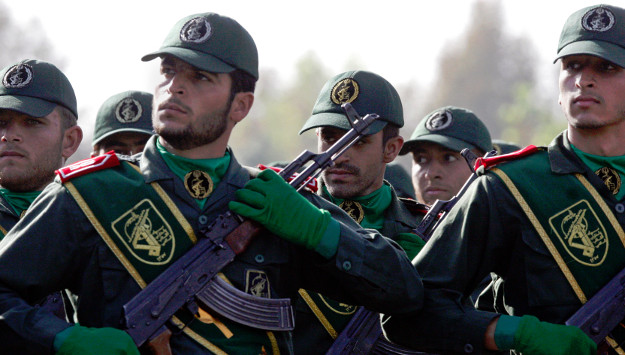
Senior I.R.G.C. Commander Killed in Iran’s Restive Province Just Days after ISIS Video
A senior Islamic Revolution Guards Corps (I.R.G.C.) commander has been assassinated in Iran’s restive Sistan and Baluchestan Province, the Iranian media reports. According to I.R.G.C.-affiliated Tasnim News Agency, Ruhollah A’ali, an I.R.G.C. battalion commander in Zahedan, the capital of Sistan and Baluchestan, was “martyred” by “Takfiri terrorists” last night. Takfiri is a term Iranian leaders use for Sunni militants. The commander was affiliated with the I.R.G.C.’s 110th Salman Brigade in the province. The two assassins were reportedly killed by Basij forces.
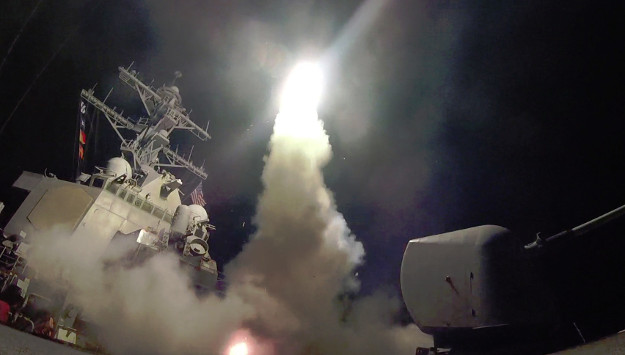
U.S. Strike in Syria Prompts Angry Reaction, Threats from Tehran
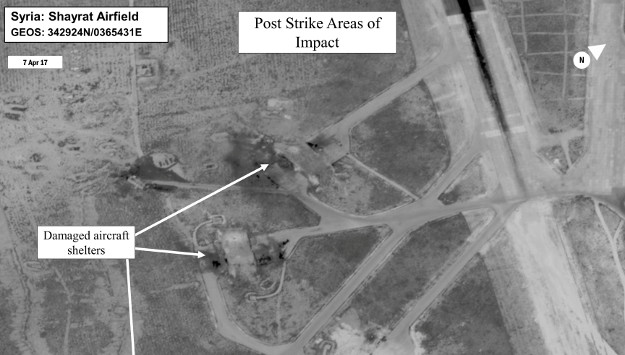
Iranian officials condemned the Trump administration’s missile strikes against a Syrian airfield used for an alleged chemical attack against civilians. “We strongly condemn any unilateral military action and missile attack against the Shayrat airbase in Syria by American warships.
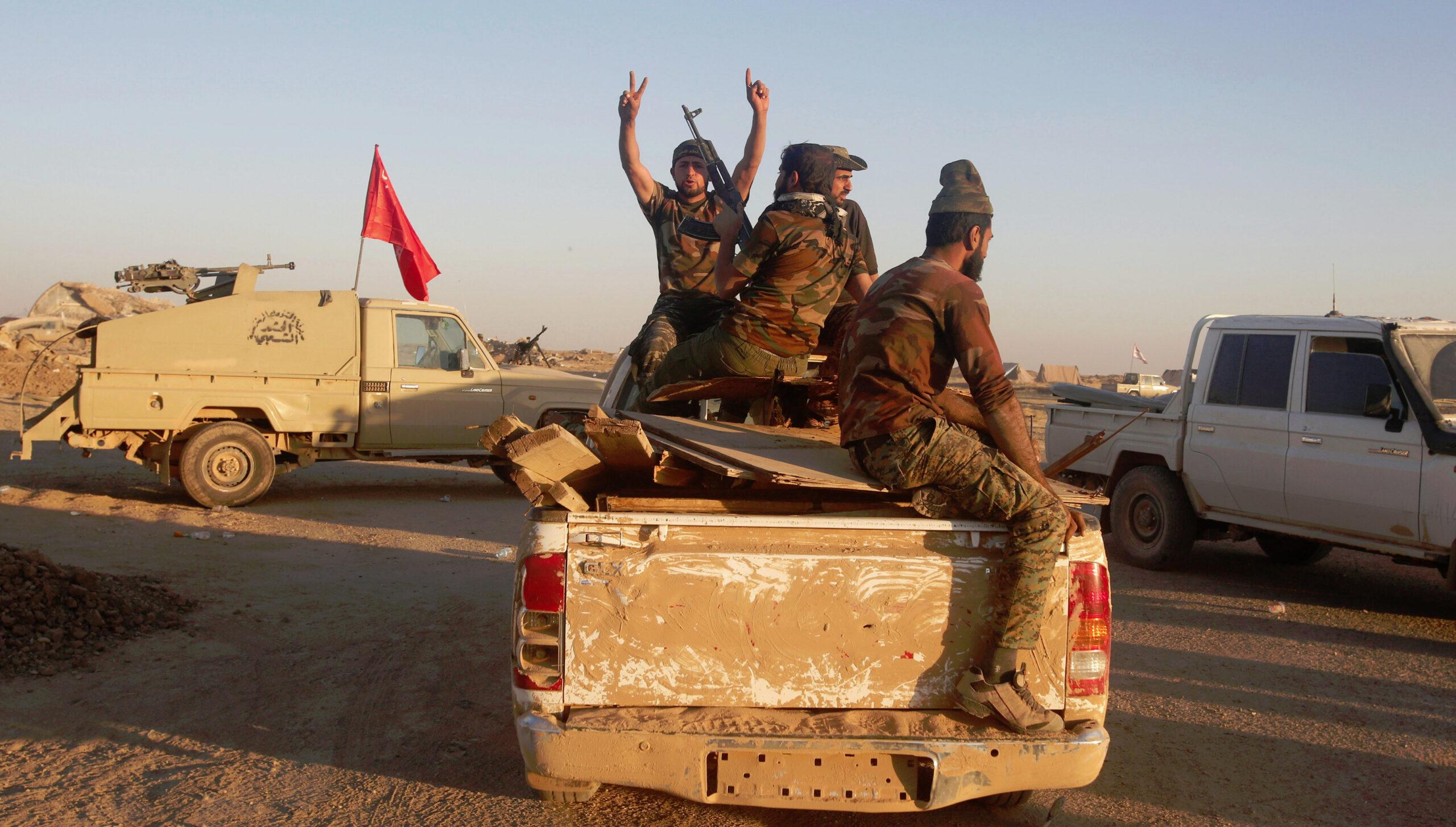
Iran-Controlled Militia Group Says U.S. Strike Won’t Alter War Trajectory in Syria
A prominent Iran-backed Iraqi militia group fighting in Syria has announced that the U.S. military strike will not change the trajectory of the Syrian war, the Iranian media reports.
I.R.G.C. Media Defends Assad as U.S. Mulls Military Responses to Syrian Chemical Attack
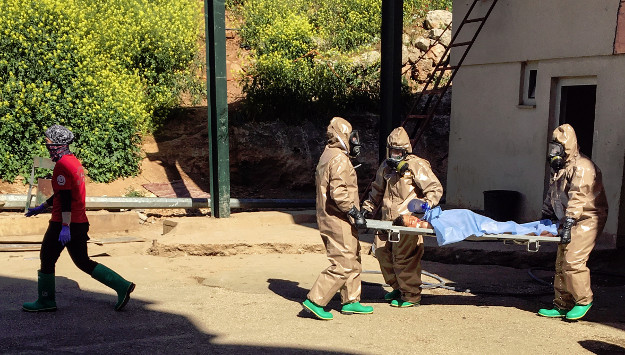
While more evidence is surfacing that suggests the Syrian army may have been behind the chemical attack that killed scores of civilians in Syria, Iranian media outlets affiliated with the Islamic Revolution Guards Corps (I.R.G.C.) continue to defend the regime of Bashar al-Assad. They argue that Damascus was not responsible for the killings. “Without doubt, the claims by Syrian opposition groups and some western and Arab countries that the Syrian army has used chemical weapons in Idlib can be categorically rejected.
British Premier’s Remarks in Riyadh Prompt Angry Reaction from Tehran
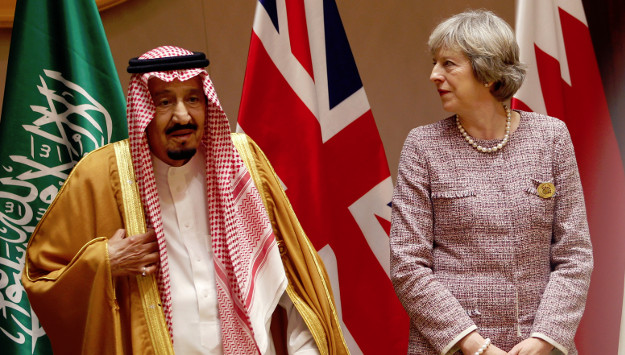
The Iranian Foreign Ministry has reacted angrily to British Prime Minister Theresa May’s latest comments about Tehran’s destabilizing role in the Middle East, the ministry’s official website re